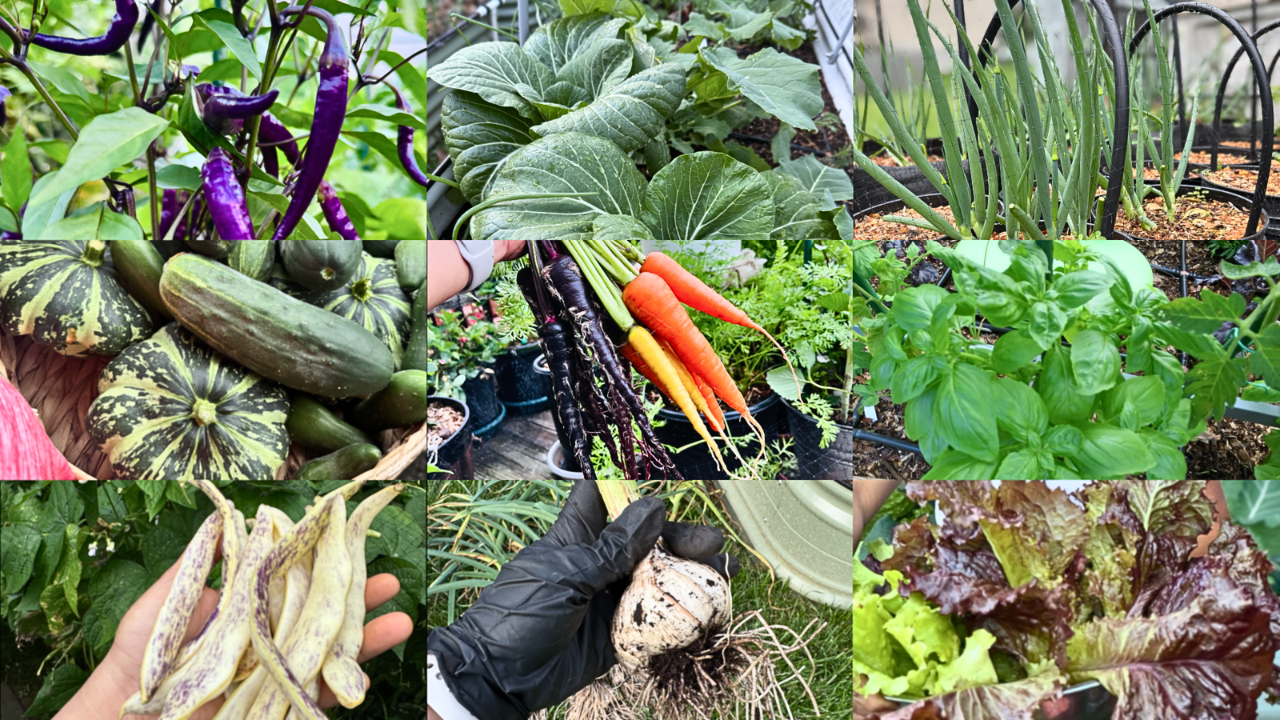
Starting your first vegetable garden can feel overwhelming. There are hundreds of vegetables to choose from, each with different growing requirements, planting times, and care needs.
The good news is that you don’t have to grow everything your first year.
In fact, one of the biggest mistakes new gardeners make is planting too many different crops all at once. It’s much easier—and more enjoyable—to begin with a handful of reliable vegetables that are easy to grow and that you’ll actually enjoy eating.
In my own garden, I’ve learned that success comes from growing what my household loves to eat. Every successful harvest builds confidence and teaches valuable lessons for the next season.
Whether you have a large backyard, a few raised beds, or only a couple of containers on a patio, these beginner-friendly vegetables are a great place to start.

Want an easier way to get started?
Download my free Beginner Garden Starter Guide for a simple, beginner-friendly roadmap you can keep and refer back to as you build your garden.
What Makes a Vegetable Good for Beginners?
The best beginner vegetables usually have several things in common.
They:
- Grow relatively quickly
- Are easy to find as seeds or seedlings
- Don’t require complicated care
- Produce reliable harvests
- Tolerate small gardening mistakes
- Grow well in containers or raised beds
- Reward you with plenty of food
Remember, “easy” doesn’t mean maintenance-free. Every plant still needs sunlight, water, healthy soil, and regular attention.
1. Lettuce
Lettuce is one of the easiest vegetables for beginners because it grows quickly and doesn’t require much space.

Why it’s beginner-friendly:
- Fast-growing
- Can be harvested multiple times
- Great for containers
- Perfect for raised beds
- Many varieties to choose from
Loose-leaf lettuce is especially forgiving because you can harvest the outer leaves while the plant continues growing.
Growing tip: Sow small batches every one to two weeks for a continuous supply of fresh salads.
Continue learning with these beginner-friendly guide: How to Grow Lettuce
2. Potatoes
Potatoes are one of the most rewarding vegetables for beginner gardeners because much of the crop develops quietly underground.

Why Potatoes Are Beginner-Friendly:
- Easy to plant from seed potatoes
- Grow well in raised beds and containers
- Don’t require complicated pruning or training
- Produce multiple potatoes from a single seed potato
- Can be harvested young as new potatoes or allowed to mature for storage
- Harvesting feels like digging for buried treasure
Growing Tip: Start with certified seed potatoes rather than potatoes from the grocery store. Plant them in loose, well-draining soil and keep developing tubers covered with soil or mulch as the plants grow. This prevents sunlight from reaching the potatoes and turning them green.
Continue learning with these beginner-friendly guide: How to Grow Potatoes
3. Bush Beans
Bush beans are productive, dependable, and simple to grow.

Benefits include:
- Direct sow after frost
- Heavy harvests
- Minimal support needed
- Fast growth
Harvesting regularly encourages the plants to continue producing.
Continue learning with these beginner-friendly guide: How to Grow Bush Beans
4. Tomatoes
Tomatoes are often the reason many people start gardening.
Although they require a little more care than lettuce or radishes, they reward gardeners with abundant harvests.

For beginners:
- Buy healthy seedlings.
- Provide full sun.
- Support plants with cages or stakes.
- Water consistently.
Choose compact or determinate varieties if you’re growing in containers.
Continue learning with these beginner-friendly guide: How to Grow Tomatoes
5. Peppers
Peppers are one of my favorite vegetables to grow.
Once the weather warms, they require relatively little maintenance and can produce for months.

They work well in:
- Raised beds
- Containers
- Small gardens
Harvest them green or allow them to ripen into their mature color for sweeter flavor.
Continue learning with these beginner-friendly guide: How to Grow Peppers
6. Spinach
Spinach grows best during cool weather.
It’s an excellent spring and fall crop that doesn’t require much room.

Why it’s great:
- Nutritious
- Quick harvest
- Container friendly
- Cold tolerant
Plant early in spring or again for a fall harvest.
Continue learning with these beginner-friendly guide: How to Grow Spinach
7. Green Onions
Green onions are incredibly easy to grow even from the grocery store green onions. It’s my favorite scrap to regrow.

Advantages include:
- Small footprint
- Quick harvest
- Great for containers
- Continuous sowing
Because they’re harvested young, they don’t require as much time as bulb onions.
Continue learning with these beginner-friendly guide: How to Grow Green Onions
8. Kale
Kale is one of the most dependable leafy greens.

Benefits include:
- Cold tolerant
- Long harvest season
- Cut-and-come-again
- Highly nutritious
Harvest the outer leaves and allow the center to continue producing.
Continue learning with these beginner-friendly guide: How to Grow Kale
9. Bok Choy
Bok choy grows quickly and performs beautifully during cool weather.

It’s one of my favorite vegetables because it’s productive, delicious, and easy to cook.
Baby varieties mature especially quickly and fit well in small gardens.
Continue learning with these beginner-friendly guide: How to Grow Bok Choy
10. Cucumbers
Cucumbers are rewarding because just a few plants can produce dozens of fruits.

Growing them vertically saves space and improves airflow.
Choose compact or bush varieties if space is limited.
Continue learning with these beginner-friendly guide: How to Grow Cucumber
11. Carrots
Carrots require patience during germination but are otherwise straightforward to grow.

Keep the seedbed consistently moist until seedlings emerge.
Loose, stone-free soil helps produce straight roots.
Continue learning with these beginner-friendly guide: How to Grow Carrots
12. Beets
Beets give you two harvests from one plant:
- Nutritious greens
- Sweet roots

They tolerate cool weather well and grow nicely in raised beds.
Continue learning with these beginner-friendly guide: How to Grow Beets
13. Summer Squash
Summer Squash is famous for producing large harvests.

In fact, one or two plants are often enough for a small family.
Harvest fruits while they’re still small for the best flavor and texture.
Continue learning with these beginner-friendly guide: How to Grow Summer Squash
14. Herbs
Although technically not vegetables, herbs deserve a place in every beginner garden.

Easy choices include:
Fresh herbs make homegrown meals even more enjoyable.
Continue learning with these beginner-friendly guide: The Best Herbs for Beginner Gardener
15. Garlic
Garlic is one of the easiest long-term crops to grow.

Plant cloves in the fall and harvest the following summer.
It requires patience, but very little daily maintenance.
Continue learning with these beginner-friendly guide: How to Grow Garlic
Raised Beds or Containers?
Most beginner vegetables grow well in either setup.
Great for Containers
- Lettuce
- Spinach
- Peppers
- Tomatoes
- Herbs
- Green onions
- Bush beans
Great for Raised Beds
- Carrots
- Beets
- Kale
- Cucumbers
- Garlic
- Bok choy
- Summer Squash
Choose the option that best fits your available space.
Vegetables That Grow Quickly
If you’re eager to harvest something soon, start with:
- Radishes
- Lettuce
- Spinach
- Bok choy
- Green onions
- Bush beans
Quick harvests help keep new gardeners motivated.
Start Small
You don’t need a huge garden.
Instead of planting twenty different vegetables, begin with five or six.
Choose vegetables your family already enjoys eating.
A small, successful garden is much more enjoyable than a large garden that becomes overwhelming.
My Advice for New Gardeners
If I were starting over today, I would choose vegetables that are productive, easy to maintain, and that I actually enjoy eating.
For me, those would include:
- Lettuce
- Tomatoes
- Peppers
- Bok choy
- Bush beans
- Spinach
- Herbs
These crops have provided reliable harvests in my Maryland Zone 7 garden and continue to be some of my favorites each season.
Don’t worry about growing every vegetable right away. Each season is an opportunity to learn something new.
Beginner Gardening Checklist
- Start with a few vegetables.
- Choose crops your family eats.
- Plant in healthy soil.
- Give plants enough sunlight.
- Water consistently.
- Harvest often.
- Keep notes for next season.
- Enjoy the learning process.
Final Thoughts
The best beginner vegetable isn’t necessarily the easiest one to grow—it’s the one that gives you the confidence to keep gardening.
Every seed that sprouts, every flower that turns into food, and every harvest teaches you something valuable.
Start with a few reliable crops, learn from each season, and gradually expand your garden as your confidence grows.
Before long, you’ll have fresh vegetables on your table and a garden you’ll be proud of.
Frequently Asked Questions
What is the easiest vegetable for beginners?
Loose-leaf lettuce, radishes, bush beans, and green onions are among the easiest vegetables for new gardeners.
What vegetables grow the fastest?
Radishes, lettuce, spinach, bok choy, and green onions are some of the quickest crops to harvest.
Should beginners start with seeds or plants?
Both work well. Seedlings are often easier for tomatoes, peppers, and herbs, while vegetables like beans, carrots, radishes, spinach, and lettuce are usually direct sown.
Can I grow vegetables in containers?
Yes. Many beginner-friendly vegetables—including lettuce, peppers, tomatoes, herbs, spinach, and green onions—grow exceptionally well in containers.
How many vegetables should a beginner grow?
Starting with five or six different crops is usually enough to learn without becoming overwhelmed.
What vegetables give the biggest harvest?
Bush beans, tomatoes, peppers, zucchini, cucumbers, and kale are all known for producing generous harvests.
Related Articles
- Gardening for Beginners: Everything You Need to Know to Get Started
- The Essential Gardening Tools Every Beginner Needs
- How to Plan Your First Vegetable Garden
- Choosing the Best Location for Your Vegetable Garden
- Raised Beds vs. Containers: Which Is Better?
- How Much Sun Does a Vegetable Garden Need?
- How to Read a Seed Packet
- How to Grow Lettuce
- How to Grow Spinach
- How to Grow Tomatoes
- How to Grow Peppers
- How to Grow Bush Beans
- How to Grow Cucumbers
- How to Grow Garlic
- How to Grow Onions
- How to Grow Bok Choy
This page contains affiliate links to my brand partners like Vego Garden, GreenStalk, Walmart & Amazon at no extra cost to you.
Your support helps me create free gardening content. Thank you!


Leave a Reply