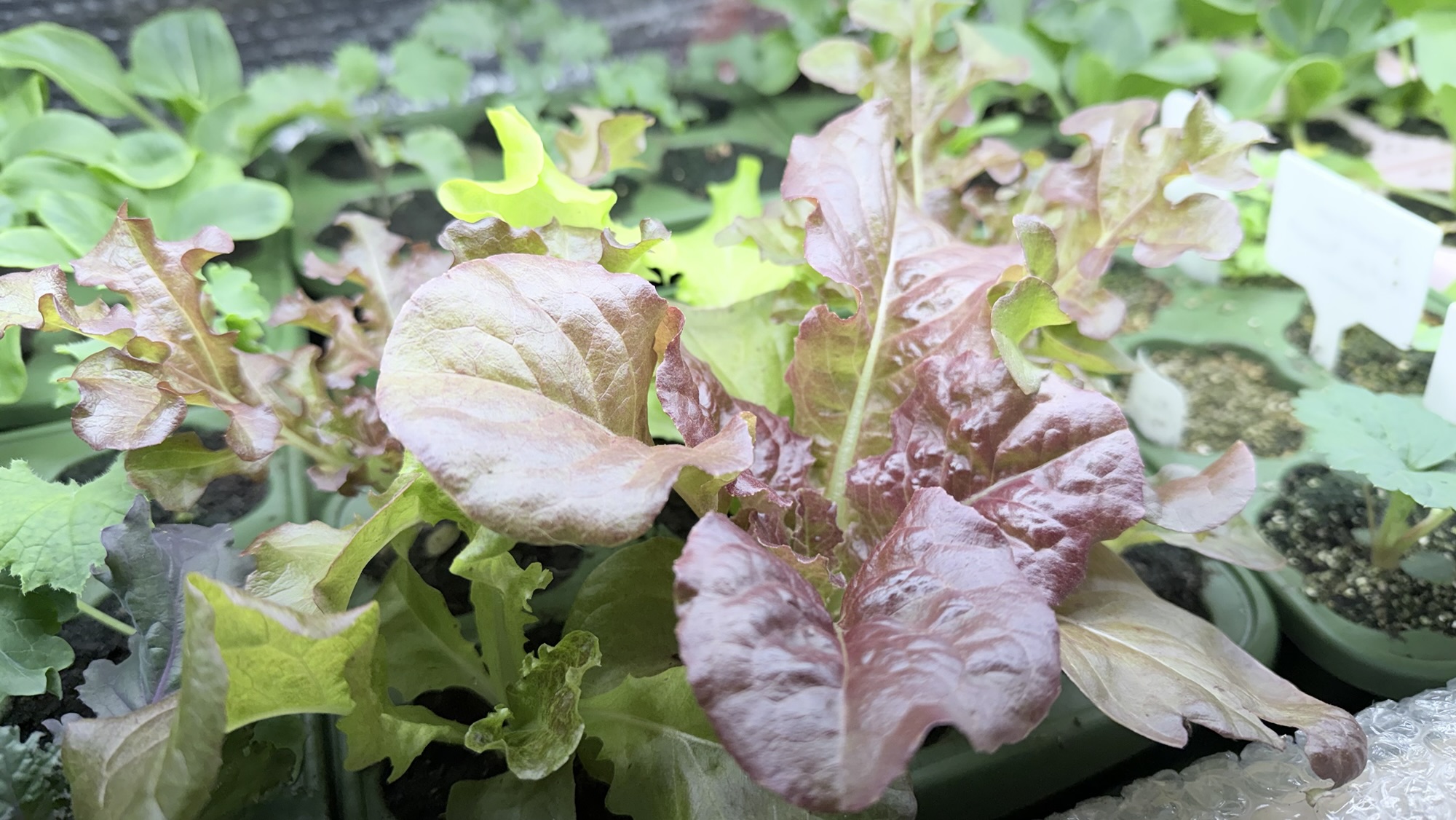
Lettuce is one of the easiest and most rewarding vegetables to grow. It grows quickly, doesn’t require much space, and allows you to harvest fresh salads right from your garden for weeks.
Whether you enjoy crisp romaine, tender butterhead, loose-leaf varieties, or colorful salad mixes, lettuce is an excellent crop for both beginner and experienced gardeners.
The secret to success isn’t complicated—it’s all about growing lettuce during the cool seasons and harvesting it regularly.

In my Maryland Zone 7 garden, lettuce is one of the first vegetables I plant in late winter and early spring, and it’s one of the first crops I plant again as I transition into my fall garden. I also love growing it densely because it allows me to harvest plenty of tender leaves from a small space.
Here’s everything you need to know about growing lettuce successfully.
Why Grow Your Own Lettuce?
Homegrown lettuce offers several advantages over store-bought lettuce.
You’ll enjoy:
- Fresher flavor
- More variety choices
- Continuous harvests
- Better texture
- Less food waste
- Lower grocery costs
- The ability to harvest only what you need
Because lettuce grows quickly, it’s also one of the most satisfying vegetables for new gardeners.
Just recently (July 2026) there was a major recall for iceberg lettuce because of the potential cyclopspora parasite contamination, which can cause severe stomach issue.
News like this can feel alarming when you rely on the commercial food supply for fresh salads. One benefit of growing lettuce at home is having more control over the water, soil, handling, and harvesting practices used to produce your food. Of course, homegrown does not automatically mean risk-free. It is still important to use clean water, keep animals away from growing areas, wash your hands and tools, and rinse your harvest properly.
Growing your own food cannot eliminate every risk, but it can help you better understand exactly how your vegetables were grown and handled—from seed to plate.
Types of Lettuce
Choosing the right type depends on how you like to harvest.
Loose-Leaf Lettuce
Loose-leaf lettuce produces individual leaves rather than forming a tight head.
Advantages include:
- Fast growth
- Continuous harvesting
- Easy for beginners
- Excellent for succession planting
This is my favorite type because I can harvest the outer leaves while allowing the plant to continue growing.
Romaine Lettuce
Romaine forms upright heads with crisp leaves and a crunchy texture.
It can be harvested:
- Leaf by leaf
- As a full head
Romaine is excellent for Caesar salads and sandwiches.
Butterhead Lettuce
Butterhead varieties develop soft, loosely formed heads with tender leaves.
They’re known for their sweet flavor and delicate texture.
Crisphead Lettuce
Crisphead lettuce, including iceberg types, forms dense, compact heads.
These varieties usually require a longer growing season and more consistent conditions than loose-leaf types.
When to Plant Lettuce
Lettuce is a cool-season vegetable.

Spring Planting
Plant lettuce as soon as the soil can be worked.
In Zone 7, this often means late winter through early spring.
Lettuce tolerates light frost and actually grows best before summer heat arrives.
Fall Planting
Fall is one of my favorite times to grow lettuce.
Begin planting while temperatures are still warm enough for growth but early enough for plants to mature before winter.
In Zone 7, this often begins in late August and continues into fall.

Winter Growing
With row covers, low tunnels, or cold frames, lettuce may continue growing through much of the winter in many Zone 7 gardens.
Growth slows during the shortest days but often resumes as daylight increases.
Choosing the Right Variety
For spring and fall gardens, look for varieties described as:
- Slow bolting
- Heat tolerant
- Cold hardy
- Disease resistant
- Suitable for cut-and-come-again harvesting
Planting several varieties at once provides different colors, textures, and harvest times.
Starting Lettuce Indoors vs. Direct Sowing
Lettuce grows well using either method.
Direct Sowing
Direct sowing works well during cool weather.
Simply sow seeds where you want them to grow.
Starting Indoors
Starting indoors can be helpful when:
- Outdoor soil is too hot
- Slugs repeatedly eat seedlings
- You want earlier harvests
- You’re planting during late summer
Transplant seedlings once they have several true leaves and have been hardened off.
How Much Sun Does Lettuce Need?
Lettuce grows best with:
- Full sun during cool weather
- Morning sun and afternoon shade during warmer weather
In spring and fall, six or more hours of sunlight is ideal.
As temperatures rise, partial shade during the hottest part of the day can help delay bolting.
Preparing the Soil
Lettuce prefers:
- Loose soil
- Good drainage
- Plenty of organic matter
- Consistent moisture
Before planting:
- Remove weeds.
- Loosen the soil.
- Add compost.
- Water thoroughly.
Because lettuce grows quickly, fertile soil helps produce tender, healthy leaves.
Planting Lettuce Seeds
Lettuce seeds are very small.
Plant them:
- About ⅛ to ¼ inch deep
- Lightly cover with seed starting mix and vermiculite:
- Water gently.
Because lettuce seeds need light for good germination, avoid burying them too deeply.
Keep the soil consistently moist until seedlings emerge.
Spacing Lettuce
Spacing depends on how you’ll harvest.
Baby Lettuce
Space plants:
- 2–4 inches apart
Loose-Leaf Lettuce
Space plants:
- 6–8 inches apart
Romaine
Space plants:
- 10–12 inches apart
Head Lettuce
Space plants:
- 12 inches or more apart
Crowded plants have poorer airflow and may be more susceptible to disease.
Watering Lettuce
Lettuce has shallow roots.
It grows best when the soil stays evenly moist.
Inconsistent watering may cause:
- Bitter flavor
- Tough leaves
- Slow growth
- Early bolting
Water near the base of the plants whenever possible.
Avoid allowing the soil to dry completely.
Fertilizing Lettuce
Since lettuce is grown for its leaves, it benefits from nitrogen.
Good options include:
Avoid excessive fertilizer, which can produce weak, overly soft growth.
Mulching Lettuce
A light layer of mulch helps:
- Keep soil cool
- Reduce weeds
- Hold moisture
- Keep leaves clean
Good mulch choices include:
- Straw
- Shredded leaves
- Compost
Keep mulch away from the center of young plants.
Growing Lettuce in Containers
Lettuce is perfect for containers like flower pots, nursery pots, flower boxes but one of my favorites is growing them vertically in a GreenStalk planter.
Choose pots that are:
- At least 6 inches deep
- Wide enough for multiple plants
- Equipped with drainage holes
Containers allow you to:
- Move plants into shade
- Protect from heavy rain
- Harvest close to the kitchen


Remember that containers dry out faster than garden beds.
Growing Lettuce in Raised Beds
Raised beds are one of the best places to grow lettuce.

The loose soil:
- Improves drainage
- Makes harvesting easier
- Warms earlier in spring
I often plant lettuce quite densely in my raised beds, harvesting the outer leaves regularly rather than waiting for full heads.
This allows me to enjoy fresh salads for weeks while making the most of a small growing space.
Can You Grow Lettuce in a Vertical Planter?
Yes.
Lettuce performs exceptionally well in vertical planters.

Loose-leaf varieties are especially productive in vertical planters like GreenStalk Garden planters. I like this planter a lot of leafy greens like loose-lead lettuce because each stack of the planter is usually big enough to hold on to moisture and it has a watering distribution system that allows me to water the entire planter from the top without needing to water each pocket.
You can also grow them in pocket-style systems but the only challenge is watering more frequently since most of those vertical planters dry out faster.
Succession Planting
Rather than planting all your lettuce at once, sow small batches every one to two weeks.
This provides:
- Continuous harvests
- Fresh young plants
- Less waste
- Better timing
Succession planting is one of the easiest ways to keep lettuce available throughout the growing season.
Harvesting Lettuce
Lettuce can be harvested at almost any stage.
Baby Leaves
Harvest when leaves reach:
- 2–4 inches long


Cut-and-Come-Again
Remove the outer leaves while leaving the center intact.
The plant continues producing new leaves.
This is my preferred harvesting method because one planting can provide multiple harvests.
Whole Heads
Harvest head lettuce once the heads feel firm and have reached their expected size.
Use a sharp knife to cut the plant at the base.
How Often Can You Harvest?
Loose-leaf lettuce can often be harvested every few days once established.
Avoid removing more than one-third of the plant at one time.
This allows the center to continue producing fresh growth.
Why Did My Lettuce Bolt?
Bolting happens when lettuce begins producing flowers and seeds.
Common causes include:
- Hot temperatures
- Long daylight hours
- Drought stress
- Mature plants

Once lettuce bolts:
- Leaves become more bitter.
- Growth slows.
- Texture becomes tougher.
Unfortunately, bolting cannot be reversed.
How to Delay Bolting
You can extend your lettuce harvest by:
- Planting early
- Growing fall crops
- Using shade cloth
- Watering consistently
- Choosing slow-bolting varieties
- Harvesting regularly
Even with excellent care, lettuce will eventually bolt as temperatures increase.
Common Lettuce Pests
Watch for:
- Slugs
- Snails
- Aphids
- Leaf miners
- Earwigs
- Rabbits
- Deer
Inspect plants regularly and protect young seedlings when needed.
Common Lettuce Diseases
Possible problems include:
- Downy mildew
- Bottom rot
- Damping off
- Leaf spot
Reduce disease by:
- Spacing plants properly
- Improving airflow
- Watering near the soil
- Rotating crops
Can Lettuce Survive Frost?
Yes.
Most lettuce tolerates light frost.
Some varieties become sweeter after cool weather.
For extended protection, use:
- Row covers
- Frost blankets
- Cold frames
- Low tunnels
Can You Freeze Lettuce?
Fresh lettuce does not freeze well for salads because the leaves become soft after thawing.
If you have excess lettuce, it’s better to:
- Share it
- Compost it
- Feed suitable leaves to chickens (if you keep them)
- Harvest only what you need through succession planting
Companion Plants for Lettuce
Good companions include:
- Carrots
- Radishes
- Green onions
- Beets
- Spinach
- Peas
- Herbs
Lettuce also works well beneath taller crops while they’re still young.
My Tips for Growing Lettuce
After growing lettuce for several seasons, these practices have worked especially well in my Maryland Zone 7 garden:
- Plant early in spring and again for fall.
- Sow small batches instead of everything at once.
- Grow loose-leaf varieties for repeated harvests.
- Harvest the outer leaves regularly.
- Keep the soil consistently moist.
- Use shade cloth during late-summer planting.
- Grow lettuce densely in raised beds to maximize space.
- Protect young seedlings from slugs and excessive heat.
Growing lettuce doesn’t require a large garden. Even a small raised bed or a few containers can provide weeks of fresh salads.
Lettuce Growing Checklist
- Plant during cool weather.
- Choose slow-bolting varieties.
- Use fertile, well-drained soil.
- Keep seeds moist during germination.
- Water consistently.
- Harvest outer leaves often.
- Sow every one to two weeks.
- Provide afternoon shade during warm weather.
- Watch for slugs and aphids.
- Protect fall crops from excessive summer heat.
Final Thoughts
Lettuce is one of the easiest vegetables to grow, making it an excellent choice for beginners and experienced gardeners alike.
By planting during the cooler months, keeping the soil evenly moist, and harvesting regularly, you can enjoy fresh, homegrown salads for much of the year.
Whether you’re growing a single container on a patio or filling an entire raised bed, lettuce rewards you with quick harvests and very little maintenance.
For me, it’s one of those vegetables that always earns its place in the garden because there’s nothing quite like stepping outside and picking fresh leaves just before a meal.
Frequently Asked Questions
Is lettuce easy to grow?
Yes. Lettuce is one of the easiest vegetables for beginners because it grows quickly and doesn’t require much space.
Can lettuce grow in partial shade?
Yes. During warm weather, afternoon shade actually helps reduce heat stress and delay bolting.
How long does lettuce take to grow?
Baby leaves may be ready in about 25–30 days, while full-sized heads generally mature in 45–70 days, depending on the variety.
Can I grow lettuce in containers?
Absolutely. Lettuce grows exceptionally well in containers with good drainage and consistent moisture.
Why is my lettuce bitter?
Bitterness is usually caused by heat, drought stress, or bolting. Harvest regularly and keep the soil evenly moist.
Can lettuce regrow after harvesting?
Yes. Loose-leaf lettuce regrows well when you harvest only the outer leaves and leave the center intact.
Can lettuce survive frost?
Yes. Most lettuce tolerates light frost, and cool weather often improves its flavor.
How often should I plant lettuce?
For continuous harvests, sow a small batch every one to two weeks during the growing season.
Related Articles
- How to Grow Spinach
- How to Grow Bok Choy
- How to Grow Kale
- Best Vegetables to Plant in Fall
- How to Keep Fall Seedlings Alive During Summer Heat
- How to Use Shade Cloth in the Vegetable Garden
- How Often Should You Water Your Garden?
- How to Transition Your Garden from Summer to Fall
- When to Harvest Lettuce
This page contains affiliate links to my brand partners like Vego Garden, GreenStalk, Walmart & Amazon at no extra cost to you.
Your support helps me create free gardening content. Thank you!


Leave a Reply