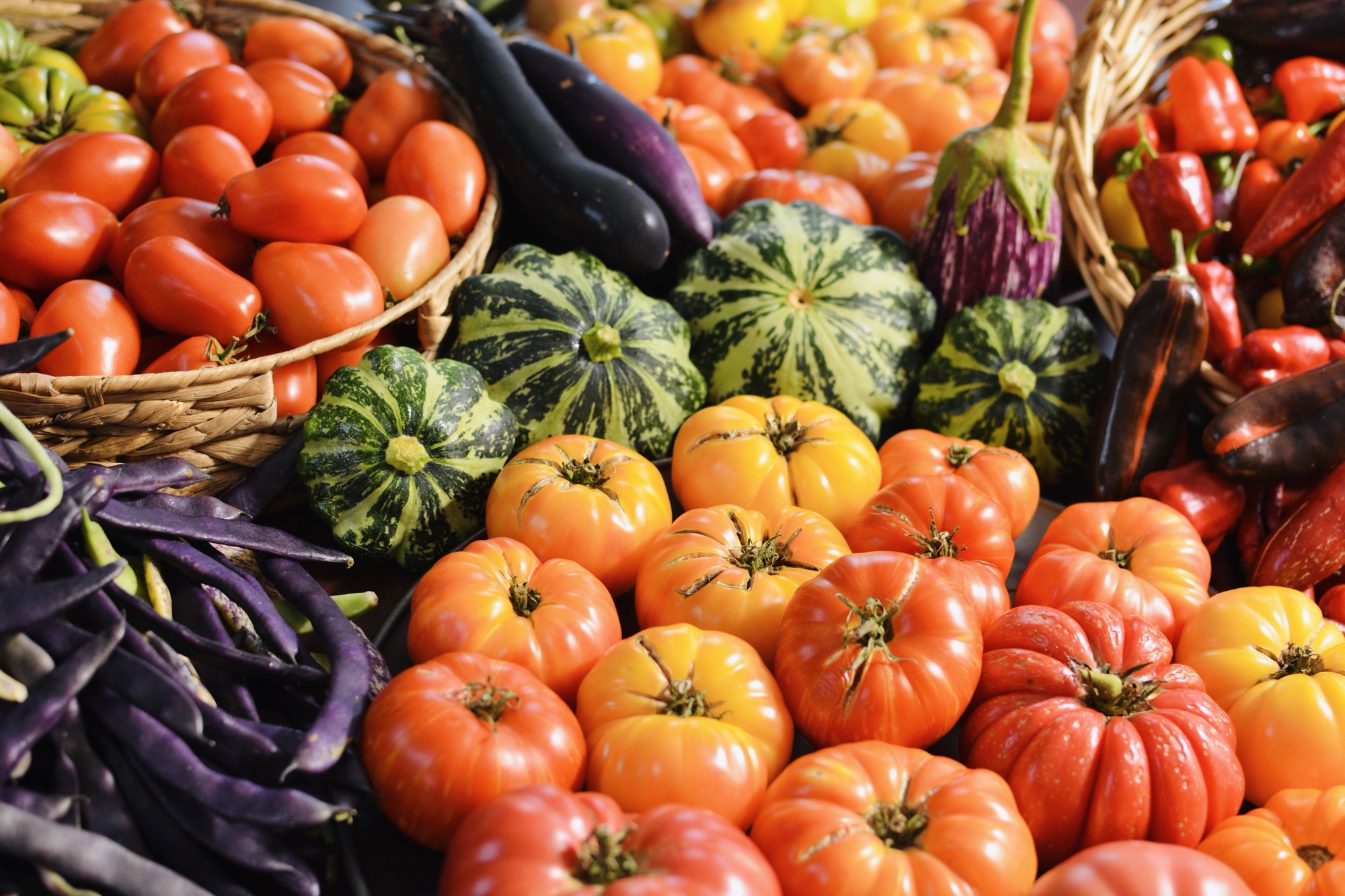
There’s nothing more rewarding than walking into your garden and harvesting fresh vegetables you’ve grown yourself.
Whether it’s your first tomato, a handful of lettuce, or a basket of peppers, homegrown vegetables simply taste better. But growing healthy vegetables isn’t about finding one secret trick. It’s about creating the right conditions so your plants can thrive from the very beginning.

Over the years, I’ve learned that the healthiest gardens aren’t necessarily the fanciest ones. They start with healthy soil, receive consistent care, and are tended by gardeners who observe their plants regularly.
If you’re just getting started, these simple practices will help you grow stronger, healthier vegetables all season long.
1. Start With Healthy Soil
Healthy vegetables begin below the surface.
Good soil should be:
- Rich in organic matter
- Loose and well-drained
- Full of beneficial microbes
- Able to hold moisture without becoming waterlogged
Before planting, I like to work compost into my garden beds. Healthy soil gives vegetables the strong foundation they need to develop healthy roots and produce abundant harvests.

At the end of every growing season, I like to feed my soil before I feed my plants.
One of the ways I do that is by burying chopped organic matter right in my raised beds. I use things like kitchen scraps, healthy plant debris, and even unfinished compost. I simply dig a trench about a foot deep, add the organic material, and cover it back up with soil.
Over time, soil organisms—including my red wigglers—break everything down. As they feed, they leave behind nutrient-rich worm castings, and the buried material gradually turns into compost that helps nourish next season’s crops.
It’s a simple way to recycle garden and kitchen waste, build healthier soil, and let nature do most of the work.
Healthy soil grows healthy plants.
2. Choose the Right Location
Most vegetables need:
At least 6 to 8 hours of direct sunlight each day.
Without enough sunlight, plants often become:
- Weak
- Leggy
- Less productive
- More susceptible to disease

Observe your yard throughout the day and choose one of the sunniest locations available.
If you are just starting out, I recommend growing in containers and vertical planters like GreenStalk first until you learn how the sun tracks in your garden. Containers are easy to move around if the first location you’ve chosen was not getting enough sunlight. Once you learned the best location for your garden you can add raised beds like the ones from Vego Garden.
3. Grow Vegetables Suited to Your Climate
One of the easiest ways to succeed is to grow crops that naturally perform well in your growing conditions.
Consider:
- Your USDA hardiness zone
- Frost dates
- Summer temperatures
- Length of your growing season

Learning which varieties grow best in my area made a huge difference in my garden. It really helped me succeed with crops I struggled to grow in the beginning. Broccoli is a great example for me. Once I learned to choose early-maturing varieties that are better suited for my Maryland growing season, my results improved so much.
Now I’m much more intentional about the varieties I buy instead of picking seed packets based on the picture alone.
Choosing the right crop at the right time often leads to healthier plants and better harvests.
4. Plant at the Right Time
Timing matters.
Cool-season vegetables like:
grow best during cooler weather.
Warm-season vegetables like:
should be planted after the danger of frost has passed.

Planting at the appropriate time reduces stress and improves growth.
5. Water Consistently
One of the biggest causes of plant stress is inconsistent watering.
Instead of watering lightly every day:
- Water deeply.
- Water the soil—not the leaves.
- Water early in the morning whenever possible.

Deep watering encourages deeper root systems and healthier plants.
You can collect rain water in buckets and use watering can to water your plants but my favorite way to water the garden is by using my retractable hose reels from Vego Garden. It has made gardening manually a lot more comfortable because I don’t have to drag the hose like a used to. Learn How Often Should You Water Your Garden in this beginner guide.
6. Feed Your Soil
Healthy soil feeds healthy vegetables.
I regularly add:
- Compost
- Organic matter
- Mulch
During the growing season, heavy-feeding vegetables like tomatoes and peppers may also benefit from additional fertilizer.

Remember:
Compost improves the soil. Fertilizer feeds the plant.
Using both together often produces the best results.
7. Mulch Around Your Plants
Mulching is one of the easiest ways to improve your garden, yet it’s often one of the most overlooked. Think of mulch as a protective blanket for your soil.

Mulch helps:
- Retain moisture
- Suppress weeds
- Moderate soil temperature
- Reduce soil splashing onto leaves
- Slowly improve the soil as organic mulches break down
Even an inch of mulch can make a noticeable difference during hot weather. It’s a simple step that can make a big difference in the health of your plants and the amount of time you spend watering and weeding.
Sometimes the smallest gardening habits have the biggest impact.
8. Give Plants Enough Space
It’s tempting to squeeze in extra plants, especially in a small garden.
However, overcrowding can lead to:
- Poor airflow
- Increased disease
- Competition for nutrients
- Smaller harvests
I’ve always been a fan of dense planting, especially in a small-space garden. 🌿💚
But dense planting doesn’t mean cramming as many plants together as possible. It means arranging them strategically so neighboring plants can benefit one another.

For example, I like planting basil between my tomato plants. The tomatoes provide a little afternoon shade, which helps the basil during the hottest part of the day. In return, the basil shades the soil, helping it stay cooler and reducing moisture loss around the tomato roots. It also adds more plant diversity to the garden.
Learning how to space plants well takes practice. I definitely didn’t get it right when I first started, and I still make adjustments every season.
So don’t be discouraged if your spacing isn’t perfect the first time. Every growing season teaches you something new, and that’s all part of becoming a better gardener.
Always consider the mature size of each crop before planting.
It’s so tempting to squeeze in a few extra plants because the garden looks bare at first. I’ve definitely been there. But try to picture what those tiny seedlings will look like a few weeks or months from now. Once they reach their mature size, they’ll need room for good airflow, healthy root growth, and easy harvesting.
A garden that looks a little empty today often becomes beautifully full later in the season. When in doubt, plant for the mature plant—not the seedling. Your future self (and your plants) will thank you.
9. Check Your Garden Often
One of the best habits you can develop is simply walking through your garden every day.
Look for:
- Wilting
- Yellow leaves
- Pest damage
- Flowers
- Ripening vegetables
- Signs of disease

I usually keep a container with soapy water around the garden so I can easily drop them in there. I have learned to hand-pick them but tweezers or a hand-held vacuum will be good options to remove unwanted bugs without touching them. (Disclosure: I haven’t tried this particular vacuum but this brand seems to have a pretty good Amazon review.)
Catching problems early often makes them much easier to solve.
10. Protect Plants Naturally
Healthy plants still face challenges.
Depending on the crop, you may need to protect them from:
- Insects
- Birds
- Rabbits
- Deer


I often use insect netting on susceptible crops. It’s an effective way to prevent damage without relying solely on sprays.
Supporting beneficial insects and pollinators also helps maintain a healthier garden ecosystem.
11. Harvest Regularly
Many vegetables become more productive when harvested often.
Frequent harvesting encourages continued production in crops like:

Waiting too long to harvest can slow production and reduce quality.
Learn more Harvest Tips here: Harvest Tips for Beginner Gardeners: How to Harvest Vegetables the Right Way
12. Keep Learning Every Season
No garden is perfect.
Every growing season brings:
- Successes
- Failures
- Surprises
- New lessons
Keeping a garden journal can help you remember:
- Planting dates
- Harvest dates
- Favorite varieties
- Weather patterns
- Pest problems
- Successful techniques
Over time, these notes become one of your most valuable gardening resources.
Healthy Gardening Is About Balance
Healthy vegetables don’t come from a single product or shortcut.
They grow best when you combine:
- Healthy soil
- Proper sunlight
- Good watering habits
- Appropriate fertilization
- Pest prevention
- Patience
A balanced approach creates stronger plants that are better able to handle stress throughout the growing season.
My Experience Growing Vegetables
One of the biggest lessons my garden has taught me is that healthy plants rarely happen by accident.
Every successful harvest starts with preparation—building healthy soil, planting at the right time, and paying attention to what the garden needs throughout the season.
I don’t aim for perfection. Some plants will always face challenges from weather, pests, or disease. Instead, I focus on creating the best possible growing conditions and learning from each season.
That mindset has helped me grow more food in my small Maryland garden than I ever thought possible.
Healthy Vegetable Garden Checklist
- Improve your soil with compost.
- Choose a sunny location.
- Plant crops at the right time.
- Water deeply and consistently.
- Feed heavy-feeding vegetables when needed.
- Mulch around plants.
- Space crops properly.
- Monitor the garden regularly.
- Protect plants from pests.
- Harvest often.
- Keep learning every season.
Final Thoughts
Growing healthy vegetables at home doesn’t require a perfect garden—it requires consistent care and good gardening habits.
By focusing on healthy soil, proper planting times, regular watering, and preventative care, you’ll give your vegetables the best chance to thrive.
Whether you’re growing in raised beds, containers, or a small backyard, these simple practices will help you enjoy healthier plants and more rewarding harvests.
And remember, every season is another opportunity to grow—not just vegetables, but also your confidence as a gardener.
Frequently Asked Questions
What is the secret to growing healthy vegetables?
Healthy vegetables start with healthy soil. Add compost, provide plenty of sunlight, water consistently, and choose crops suited to your climate.
How much sunlight do vegetables need?
Most vegetables grow best with at least 6 to 8 hours of direct sunlight each day.
How often should I water my vegetable garden?
Water deeply whenever the top inch or two of soil begins to dry. The exact frequency depends on your soil, weather, and the crops you’re growing.
Is compost enough for vegetables?
Compost greatly improves soil health, but heavy-feeding vegetables like tomatoes, peppers, and squash may also benefit from fertilizer during the growing season.
What is the easiest vegetable to grow?
Some of the easiest vegetables for beginners include lettuce, green onions, bush beans, radishes, spinach, and zucchini.
How do I keep my vegetable plants healthy naturally?
Focus on building healthy soil, using compost and mulch, encouraging beneficial insects, watering properly, rotating crops, and monitoring plants regularly for early signs of problems.
Related Articles
- Gardening for Beginners: Everything You Need to Know to Get Started
- How to Build Healthy Garden Soil from the Start
- Composting for Beginners
- Compost vs. Fertilizer: What’s the Difference?
- Organic Gardening for Beginners
- The 4 Things Every Plant Needs to Thrive
- Choosing the Best Location for Your Vegetable Garden
- Best Vegetables for Beginners
- How to Mulch Your Garden Properly
- How to Protect Plants With Insect Netting
This page contains affiliate links to my brand partners like Vego Garden, GreenStalk, Walmart & Amazon at no extra cost to you.
Your support helps me create free gardening content. Thank you!


Leave a Reply