
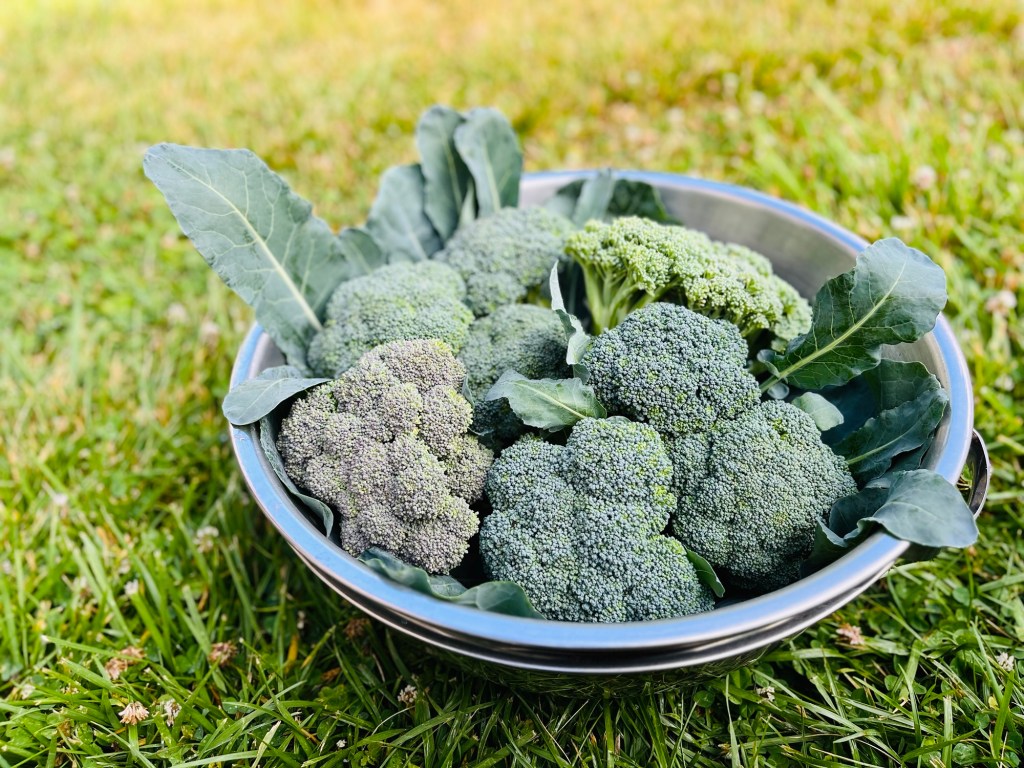
Growing broccoli used to intimidate me. It looked like a crop that belonged in a sprawling farm field—not in my small backyard raised beds. But once I gave it a try, I realized that this beautiful, nutritious vegetable is not only doable in a small space—it’s incredibly rewarding when you get it right.
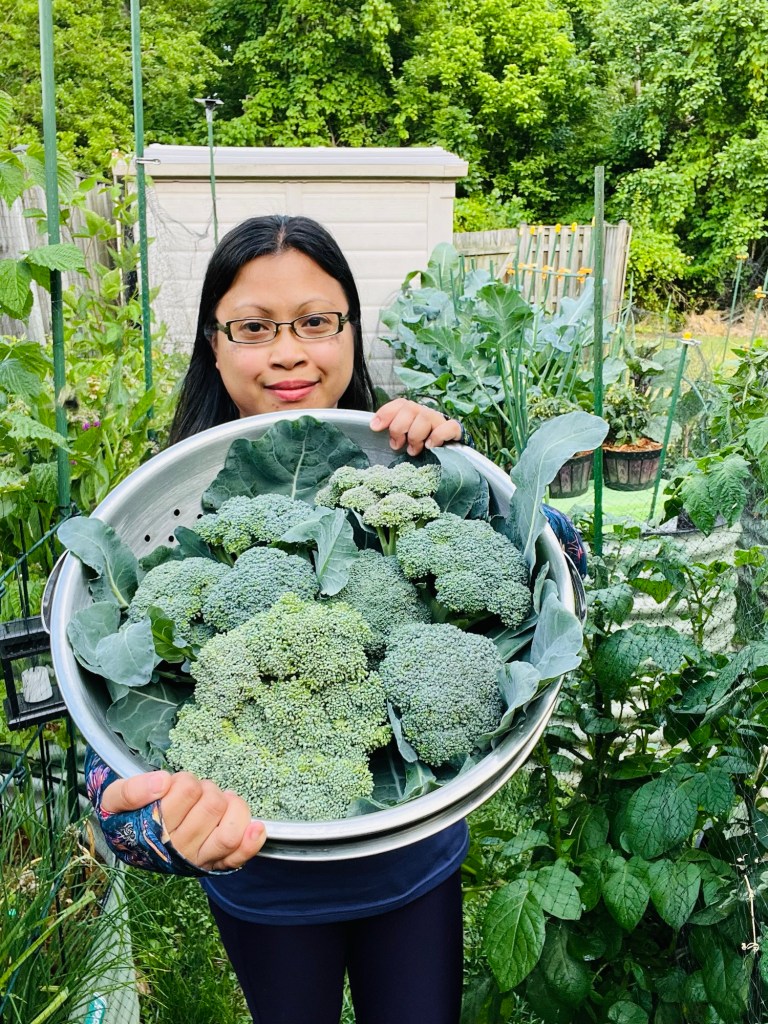
I’ve had seasons where my broccoli grew tight, picture-perfect heads. And I’ve had others where the plants bolted too early, or formed tiny “button heads” because the weather changed faster than I could plan for. But every season taught me something new. And today, I want to share with you the practical steps—and personal lessons—that have helped me grow broccoli confidently in my small space garden here in Maryland (Zone 7).
Why Broccoli Deserves a Spot in Your Garden
Broccoli is one of those vegetables that feels like a badge of honor in a home garden. When you grow it from seed and harvest a head of florets with your own hands, it’s a moment of real pride. It’s also packed with nutrients—high in fiber, vitamin C, and antioxidants.
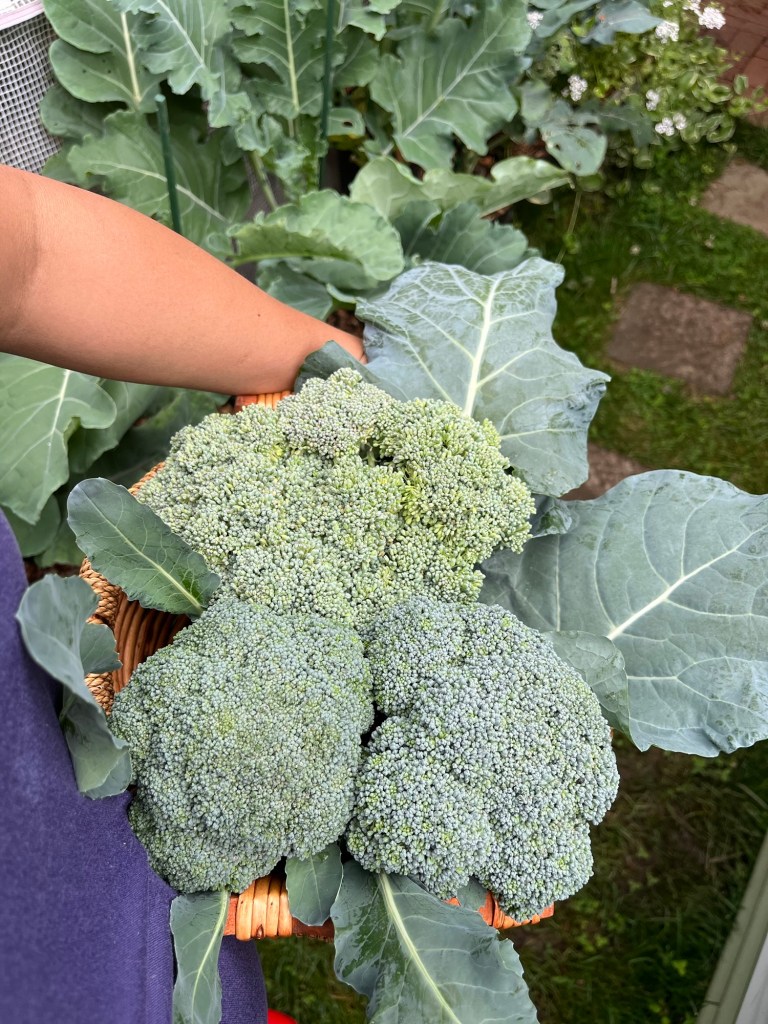
But more than that, growing broccoli reminds me that good things take time. That tending and patience can grow something beautiful, even in a limited space.
Step 1: Start with the Right Timing
If I could give just one piece of advice about broccoli, it would be this: plant it during cool weather. Broccoli doesn’t like heat, and timing your planting right can make all the difference.
• Spring Planting: This is one of my favorite ways to grow broccoli! Start seeds indoors about 12–14 weeks before your last expected frost. For Zone 7, that means sowing seeds from late January to mid-February, then transplanting outdoors between early March and early April.
• Fall Planting: Sow seeds in late July to early August, transplant in early September, and plan to harvest in October or November. Broccoli grown in the fall often turns out more tender and flavorful because it matures in cooler weather.
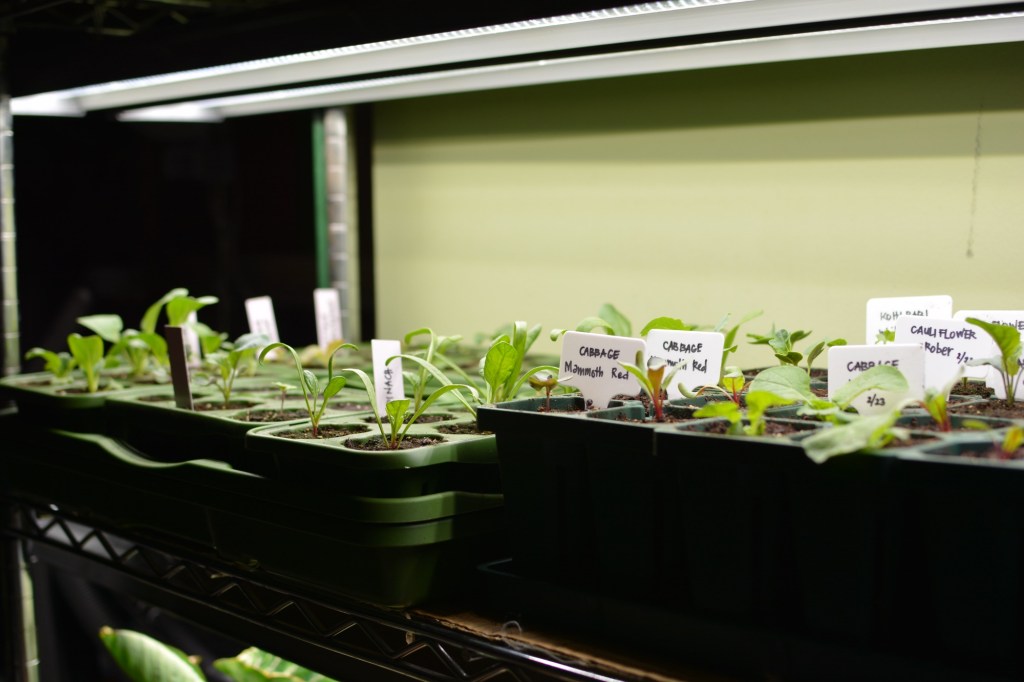
Starting broccoli indoors early gives your plants a strong head start and can greatly reduce the chances of bolting. This way, they’re already well-established before spring temperatures start to fluctuate. If your broccoli bolts (flowers too early) in spring, it’s usually a sign that the weather warmed up too quickly. Don’t worry—it happens to all of us, and it’s all part of the learning process.
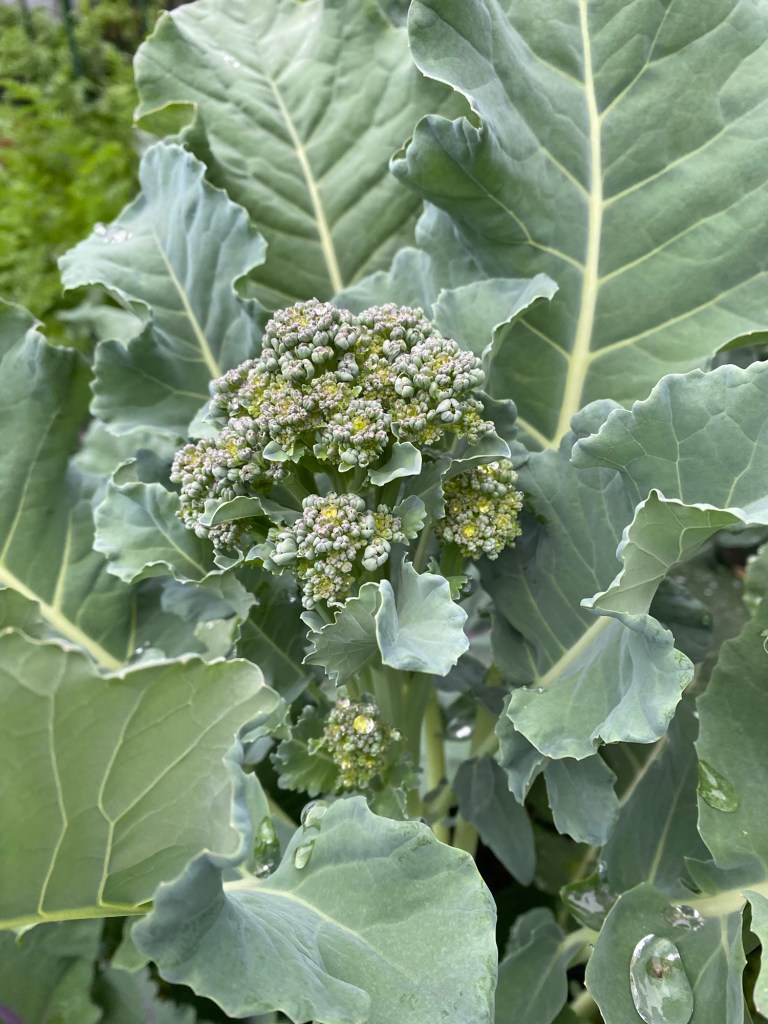
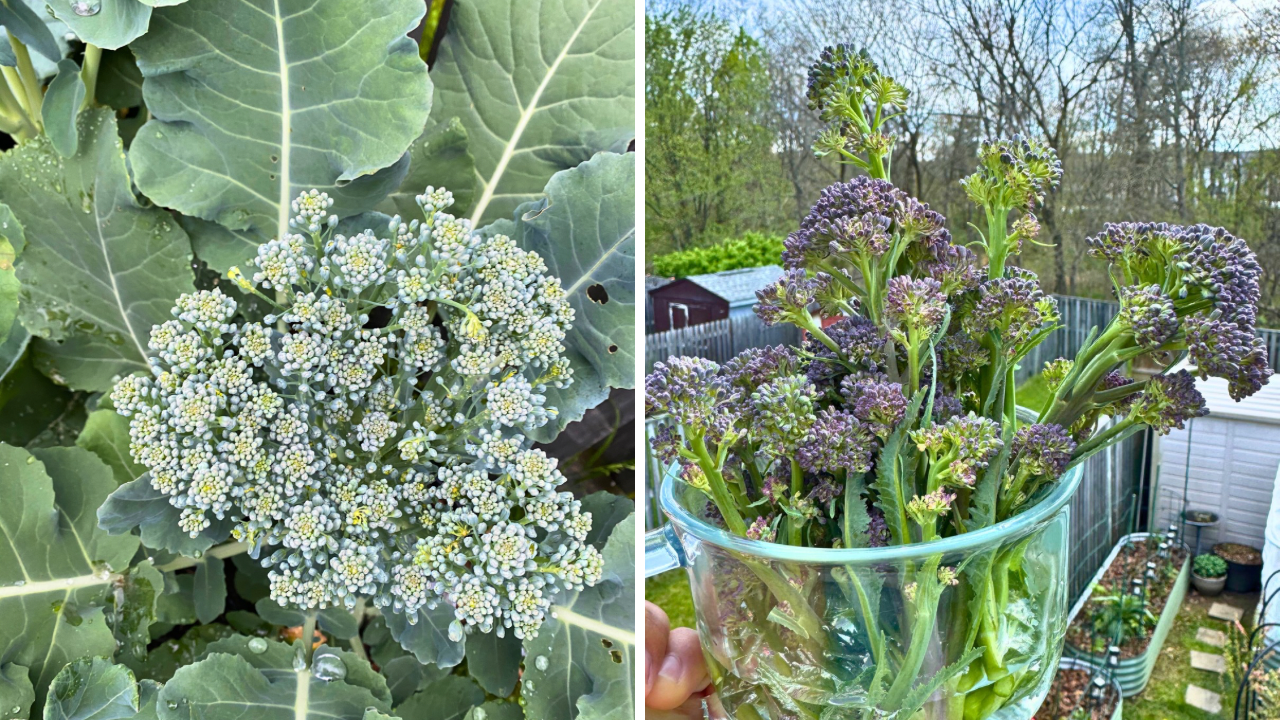
Sprouting broccoli has a charm of its own. Unlike traditional varieties that form one large head, sprouting types are specially bred to produce multiple small florets over time. They’re perfect if you enjoy extended harvests and tender bite-sized broccoli.
Timing is everything. I’ve learned that if I miss the ideal planting window, especially in fall, it becomes much harder to grow a full head of broccoli. Starting on time makes all the difference.
Step 2: Prepare the Soil
Broccoli is a heavy feeder, so it appreciates rich, fertile soil with plenty of organic matter. I like to amend my raised beds or containers with:
- A few shovels of compost or aged manure
- Worm castings (great for gentle nutrient boosts)
- A balanced organic fertilizer (like a 5-5-5 or 10-10-10)
Aim for well-draining soil with a pH between 6.0 and 7.0. If your soil is too acidic or compacted, your broccoli may struggle to form a proper head.
I’ve learned that the effort you put into your soil up front pays off in the long run. The better the soil, the more resilient your plants will be—especially during temperature swings.
Step 3: Spacing, Sunlight, and Smart Planting
One of my mistakes early on was planting broccoli too close to other crops. The leaves got crowded, airflow was poor, and pests took advantage. They were able to produce heads but not quite as big. Now I space each broccoli plant 12 to 24 inches apart, depending on the variety. I like to stagger the spacing in an offset pattern rather than planting them in straight rows. This improves airflow and makes better use of the space. In between the broccoli, I tuck in quick-growing crops like bok choy or radishes. That way, while the broccoli is still maturing, I’m already harvesting early crops. By the time the broccoli fills out, those fast growers are long gone—leaving plenty of room for the broccoli to thrive.
- Give broccoli 6+ hours of sun daily. Morning sun is ideal, especially in hotter climates.
- Mulch around your plants to help retain moisture and reduce weeds.
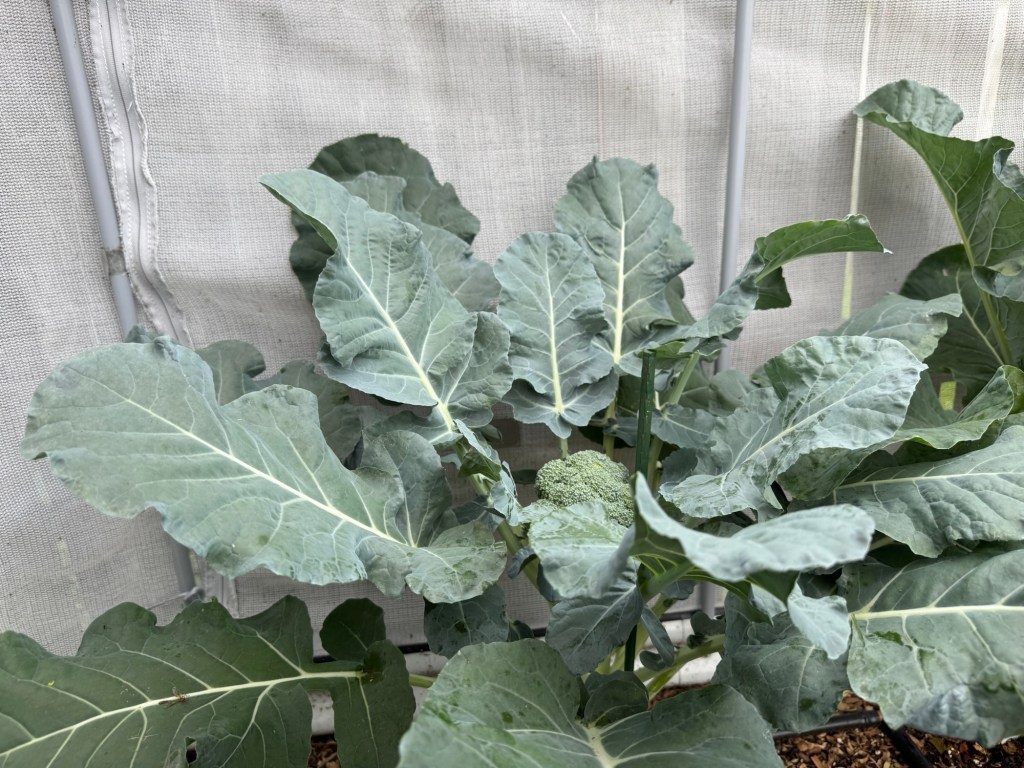
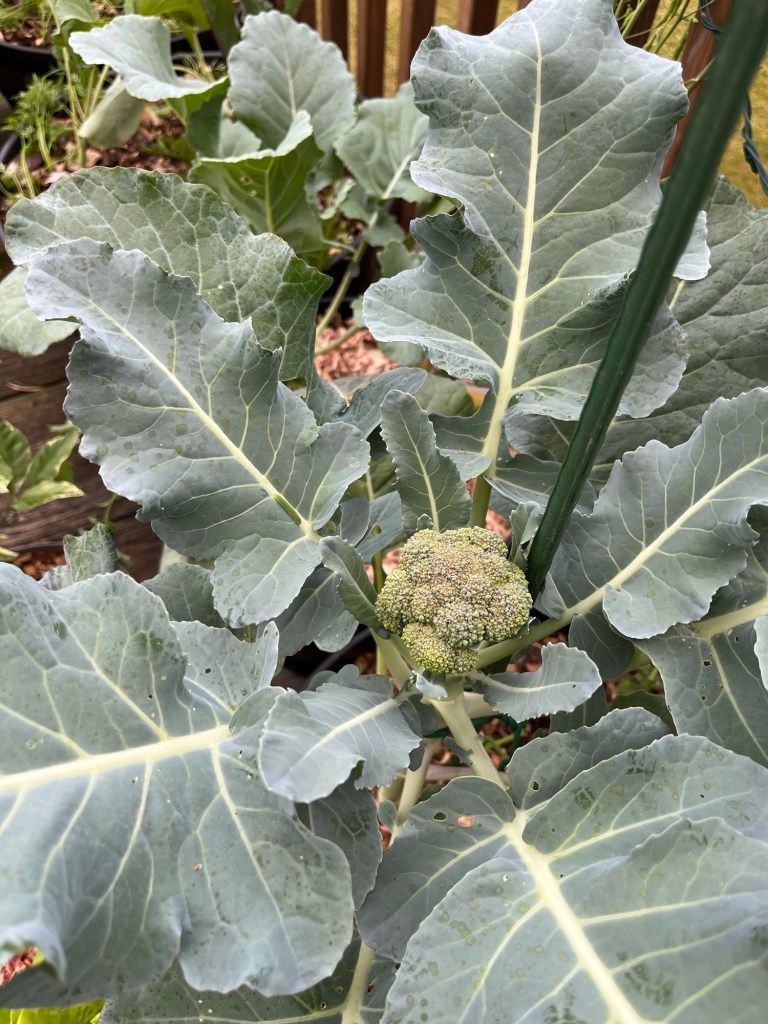
- Stake and support your broccoli plants. I’ve found that giving broccoli a little support with a stake makes a big difference. It helps the plant stay upright, especially when the head gets heavy or during strong winds. Without support, they can easily lean or topple over, which can stress the plant or damage the head.
- In small beds, I plant broccoli near leafy greens like spinach or lettuce—they have similar growing needs and don’t compete for space.
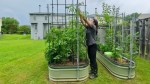
Broccoli grows well in containers, too! I’ve successfully grown it in 10-gallon whiskey barrels, 5-gallon buckets, and large nursery pots. The key is to choose a container with good drainage and enough depth for healthy root development. Place it where it gets full sun throughout the day. One important thing to note: the smaller the container, the smaller the broccoli head is likely to be—so if you want a full-sized harvest, go for a larger pot.
Step 4: Keep Water and Nutrients Consistent
Broccoli doesn’t like to dry out, but soggy soil can lead to rot. I water deeply every 2–3 days, depending on rainfall and temperature. During hot days, containers may need daily watering.
I also side-dress my plants with compost or liquid fertilizer (like fish emulsion or worm tea) every few weeks to support growth and head formation.
Consistency is key. Fluctuating moisture and nutrients can stress the plant and lead to smaller heads or premature bolting.
Step 5: Guard Against Pests (Especially the Chewers!)
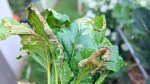
If you grow broccoli, you’ll likely meet cabbage worms. They’re sneaky and love hiding under leaves. I’ve lost some beautiful plants to these pests before I got proactive.
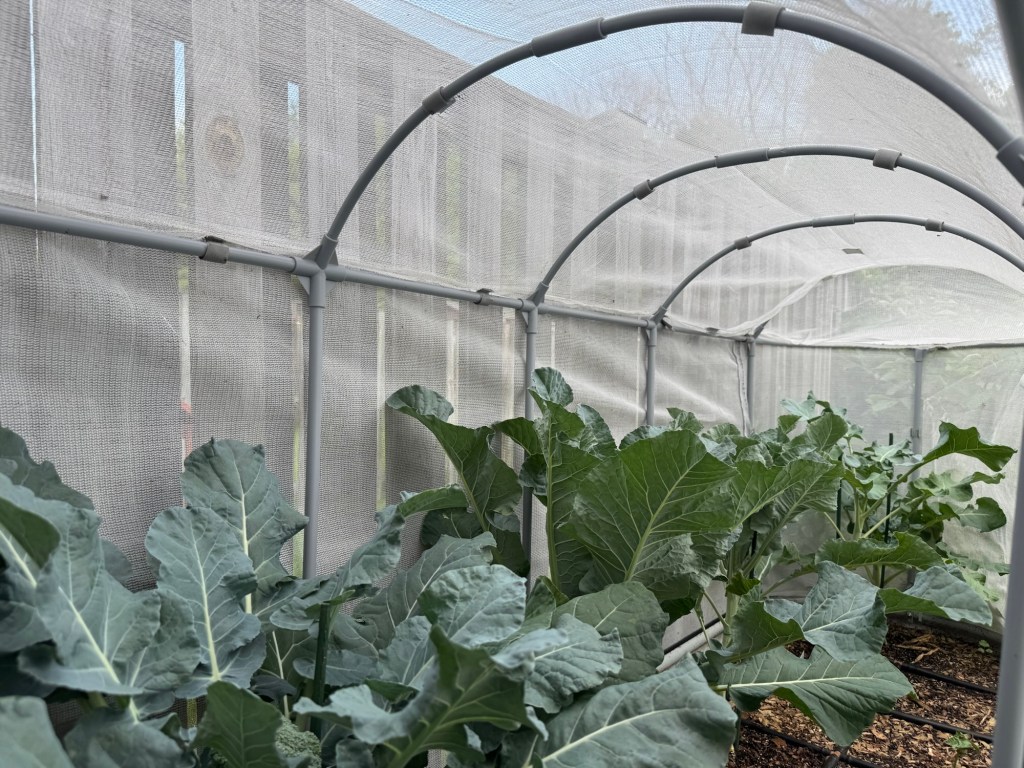
Here’s what I do now:
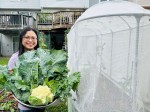
- Cover young plants with fine insect netting or a cover system to prevent moths from laying eggs.
- Inspect leaves regularly—look for holes or green droppings.
- Get rid of the worms, or spray with BT (Bacillus thuringiensis), an organic treatment that targets caterpillars without harming pollinators.

Learning to manage pests taught me that protecting your garden doesn’t mean perfection. It means staying present and being willing to adjust.
Step 6: Harvest at the Right Time
When the head of your broccoli is firm and tight—but before any yellow flowers appear—it’s time to harvest. I use a clean knife and cut the main head off about 5 inches below the crown.
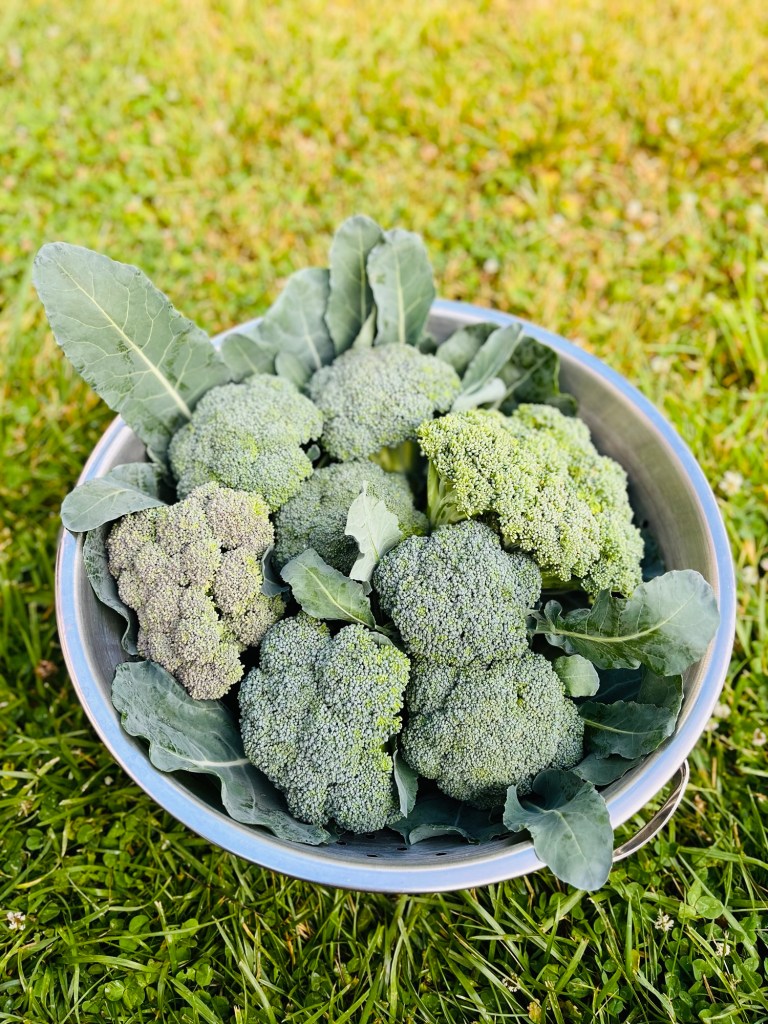
The best part? Unlike cauliflower, most broccoli varieties will continue to grow side shoots, giving you mini harvests for several more weeks.
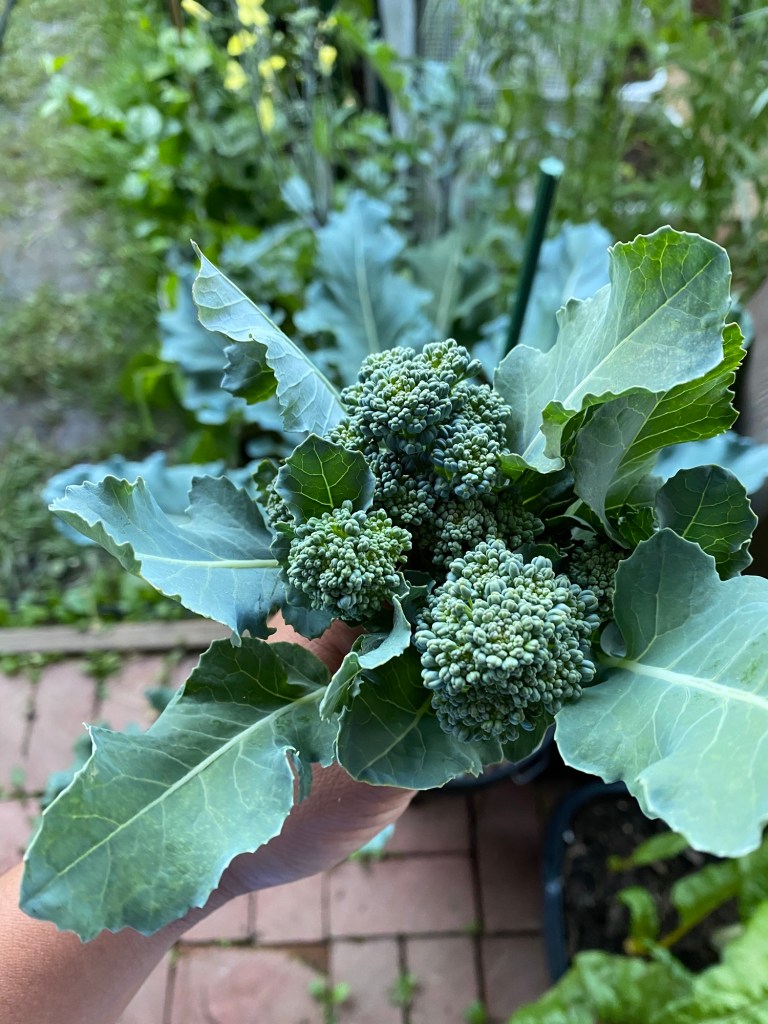
I love the second harvest that comes after the main broccoli head is cut. The plant produces a bunch of side shoots—tender mini florets that keep popping up for weeks. It’s like a bonus crop that keeps giving, and honestly, sometimes I enjoy these side shoots even more than the main head!
Harvesting always fills me with a quiet kind of joy. It’s like the garden whispering back, “You did it. You grew this.”
Broccoli Setbacks and Garden Comebacks
I’ve had broccoli bolt because I planted too late. I’ve had leaves devoured by caterpillars overnight. I’ve had seedlings get stunted during a heatwave. But I’ve also had beautiful broccoli harvests that fed my family, made it into soups, stir-fries, and roasted veggie trays.
If your first try doesn’t go as planned, don’t give up. Broccoli—and gardening in general—is a cycle of learning and growing.
🌱 Let’s Grow Together!
Have you tried growing broccoli before? What has worked for you—or what flopped? Share your story in the comments below or tag me on Instagram @gingerfootgarden so I can cheer you on!
Gardening is better when we learn together. And broccoli? It’s worth every try.
 Gingerfoot Garden
Leave a comment