
February is one of the quietest months in my garden—but it’s far from unproductive.
Here in Zone 7 (Maryland), this is the season of waiting, observing, and preparing. Most of the garden still looks asleep, but underneath the surface, there’s a lot happening—and a lot to get ready for.
Looking back at what unfolded in March—early leafy green harvests, indoor growing, and signs of life returning—I can clearly see how much of that started right here in February.
🌱 What the Garden Looked Like in February
Most of my garden beds were still covered and resting.
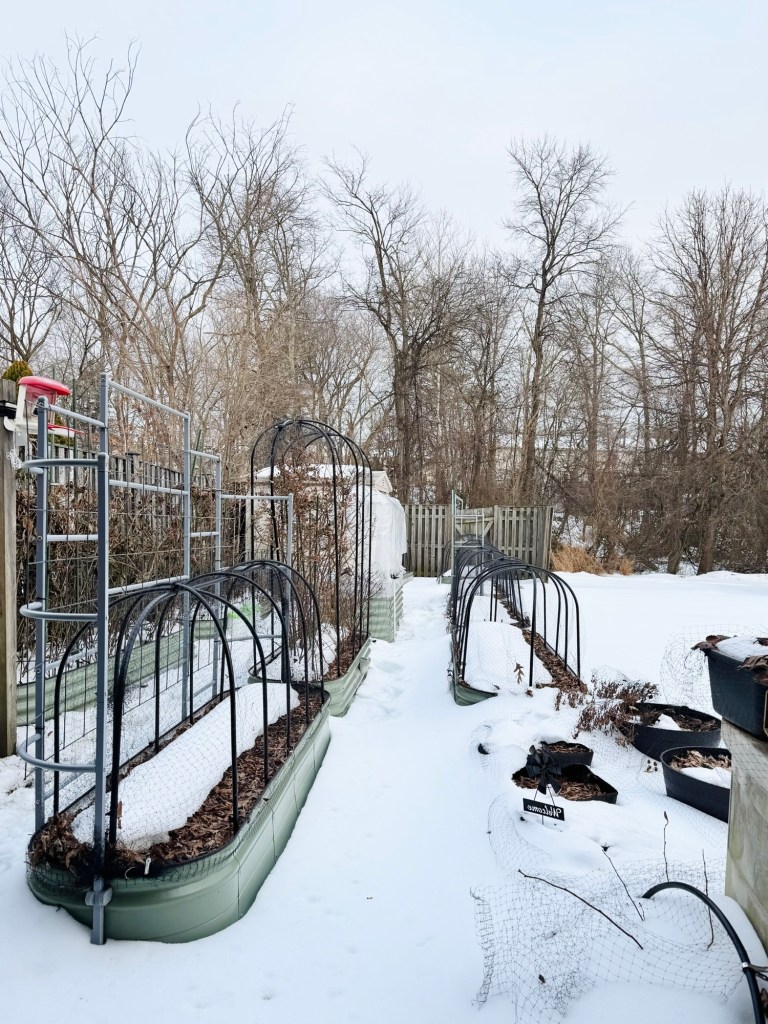
This has been the coldest winter I’ve experienced here in Maryland. We had a few weeks of freezing temperatures, and it hasn’t been easy—especially for the plants.
But it’s not just the garden I’ve been thinking about. The feral cats around us have been going through it too. So I made sure to put out food for them and added a few extra shelters to help them stay warm.
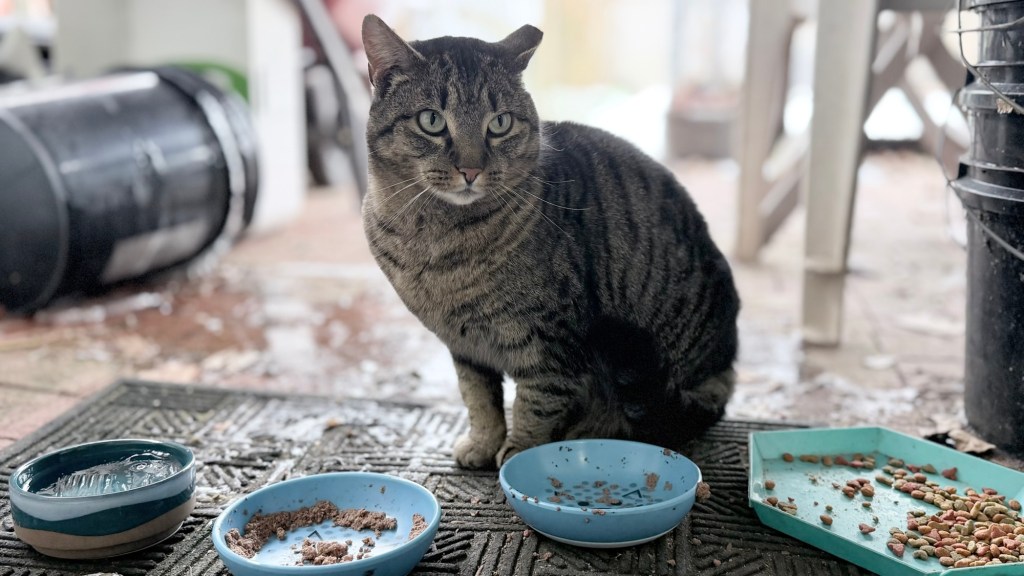
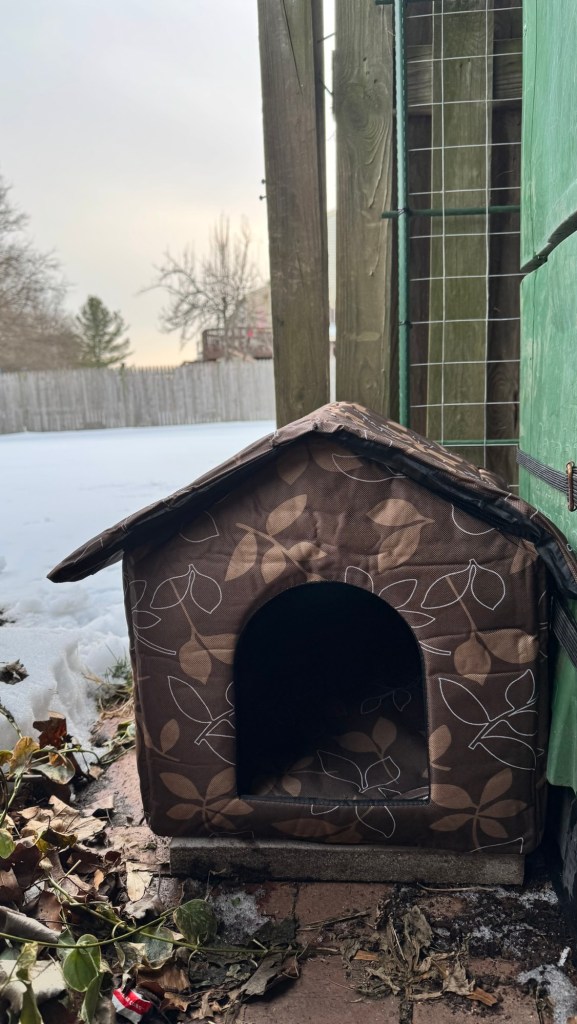
It’s a small thing, but it felt important to care for the life around the garden—not just what I’m growing, but what’s living alongside it.
Because I had planted late in the fall, I already knew my winter harvests would be limited. And with shorter days and less sunlight, there just wasn’t enough energy for those plants to really produce.
But even though I wasn’t harvesting outside, I didn’t see this as a loss.
➡️ It was part of the learning process.
🥬 Indoor Growing: My February “Harvest Strategy”
Instead of relying on my outdoor beds, I shifted my focus indoors.
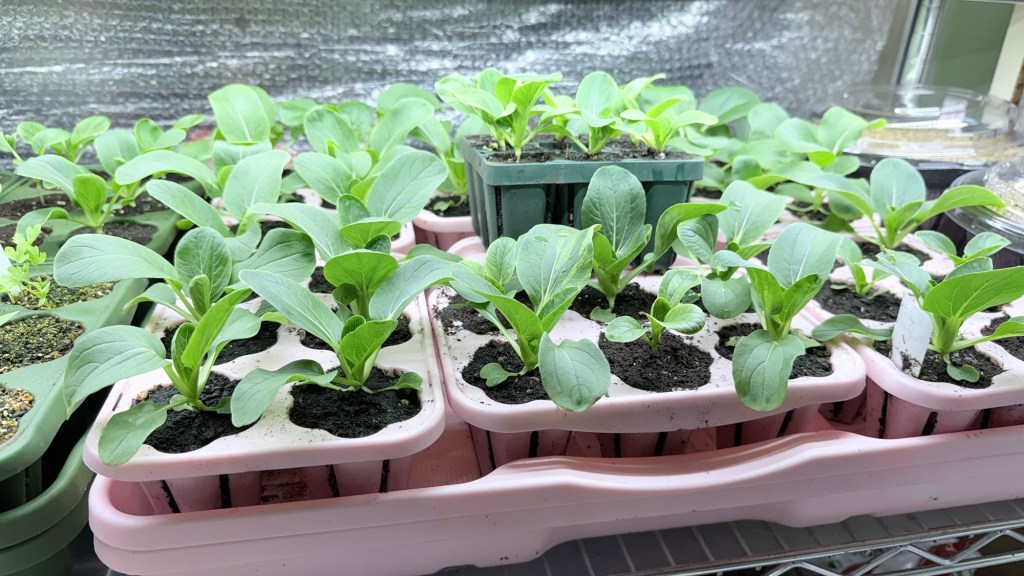
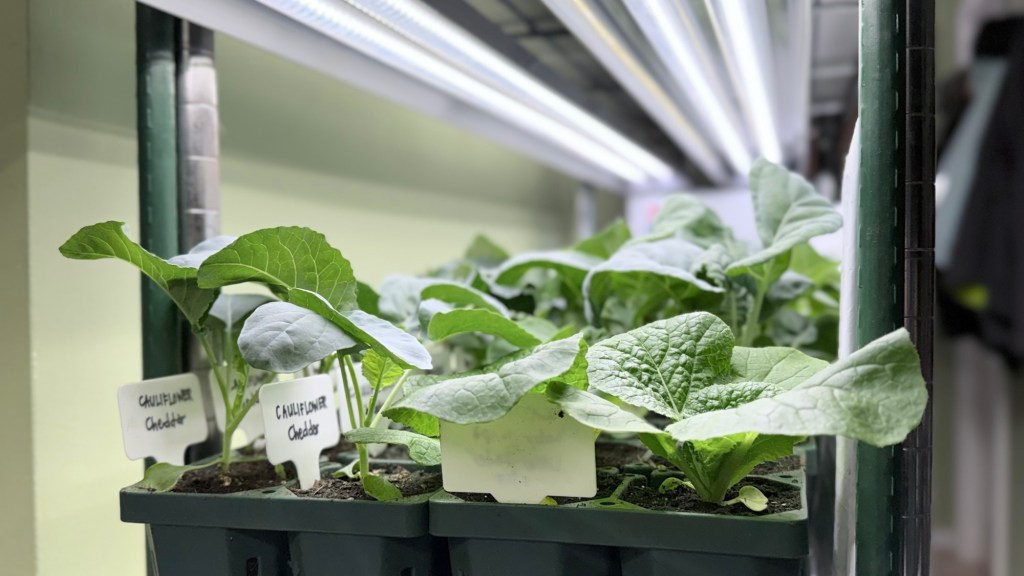
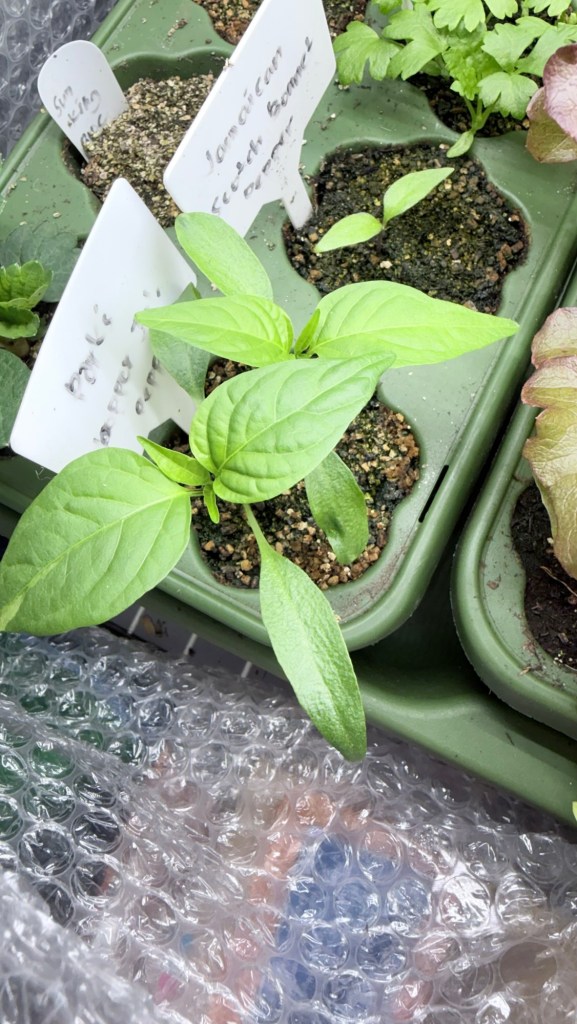
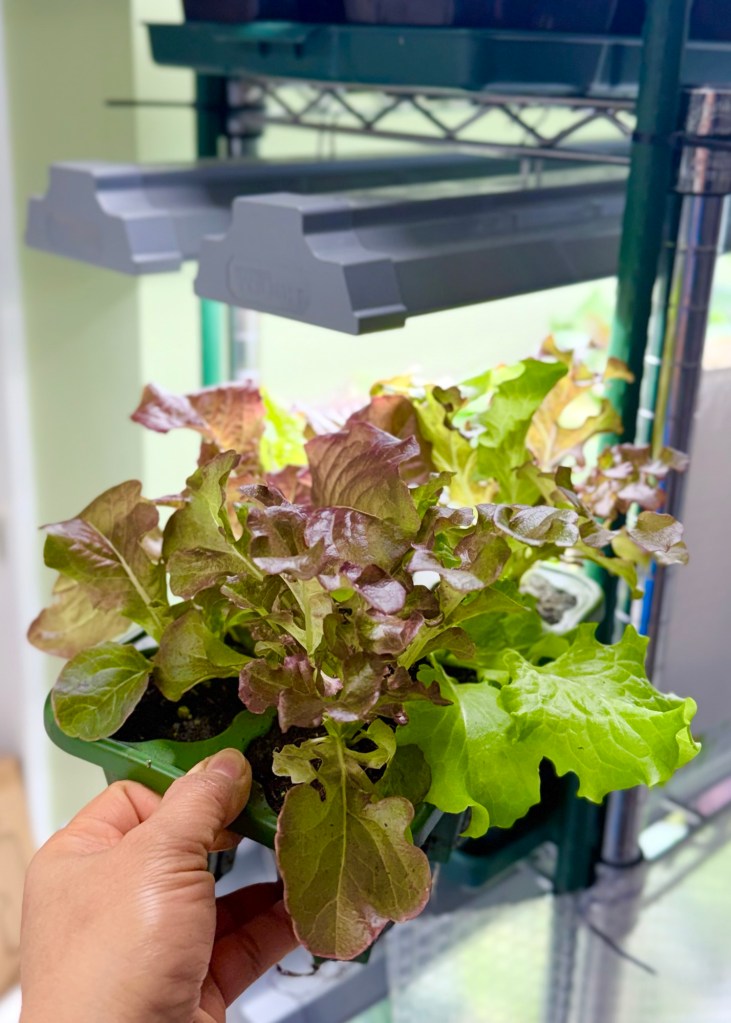
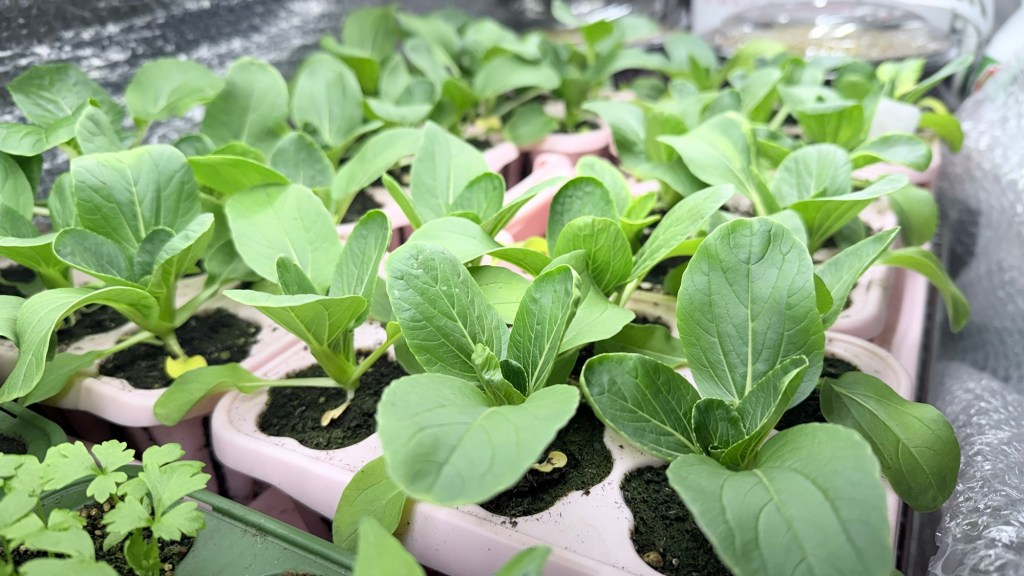
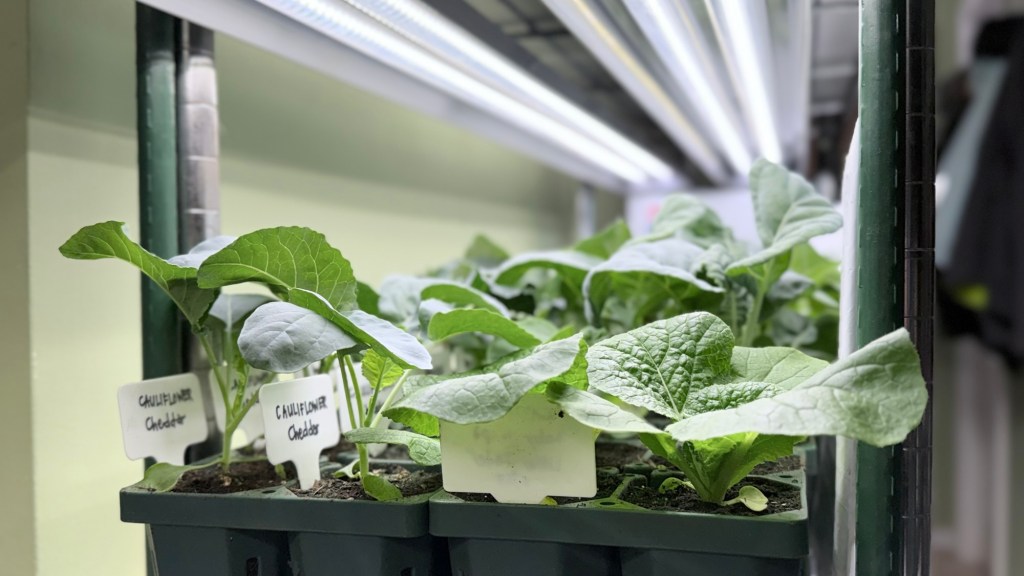
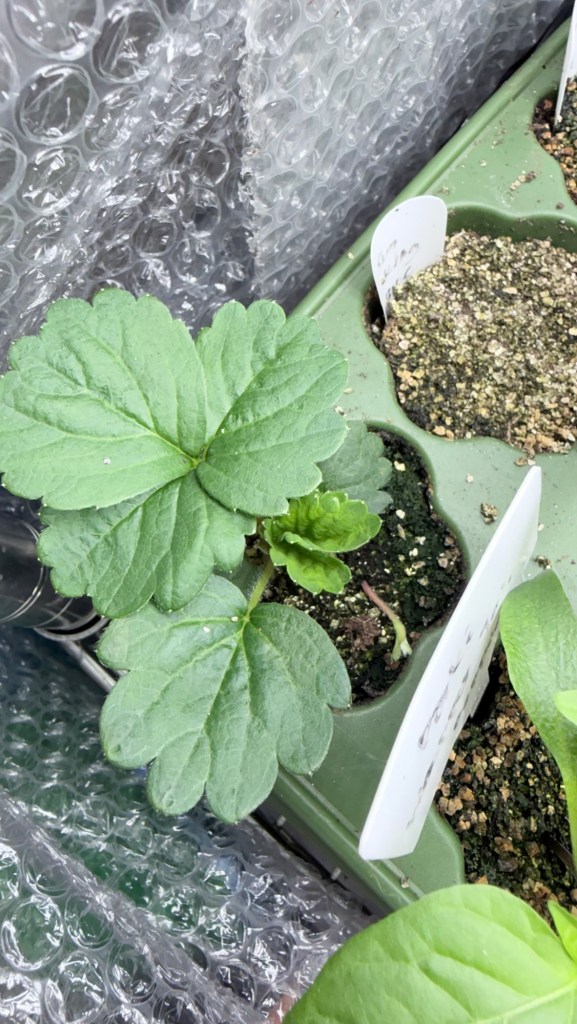
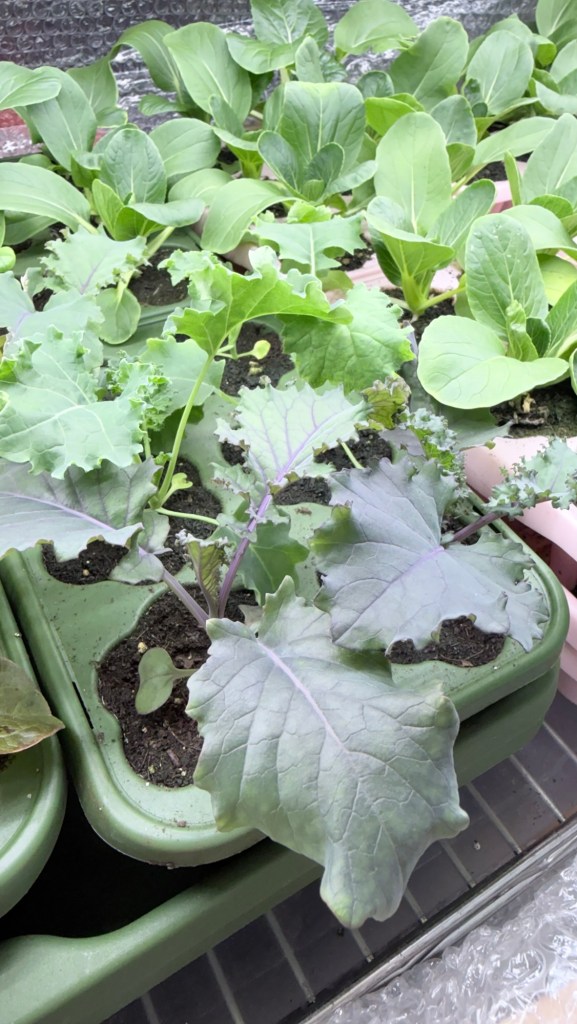
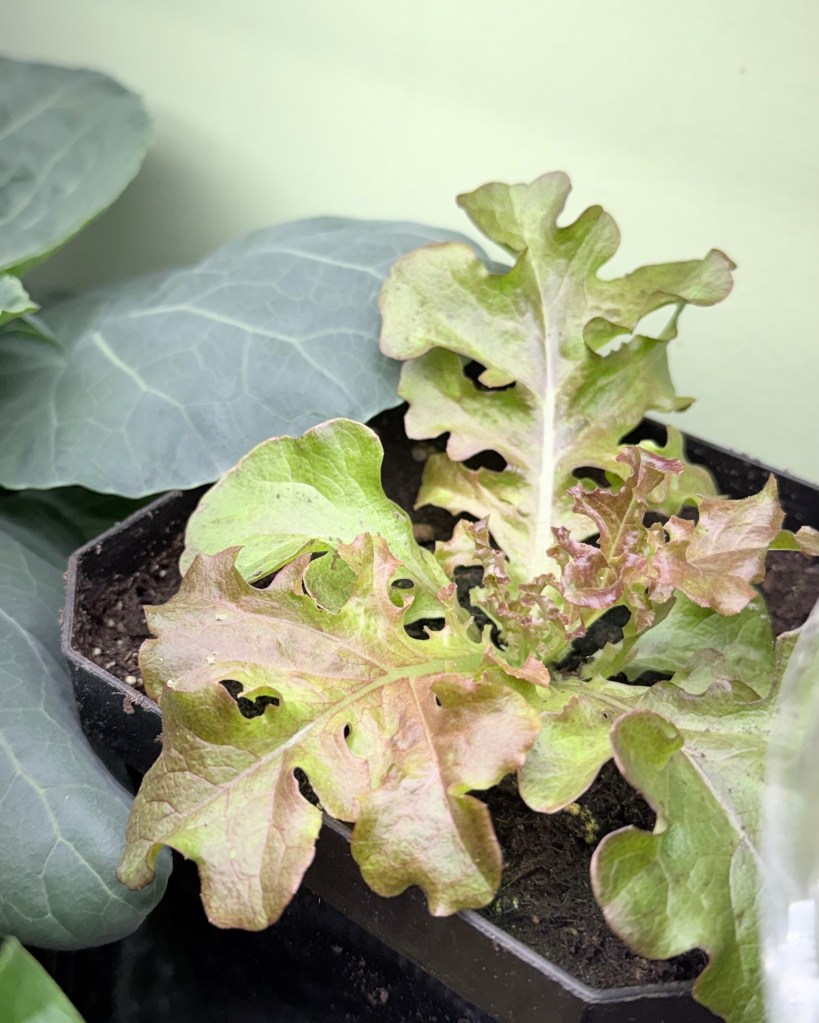
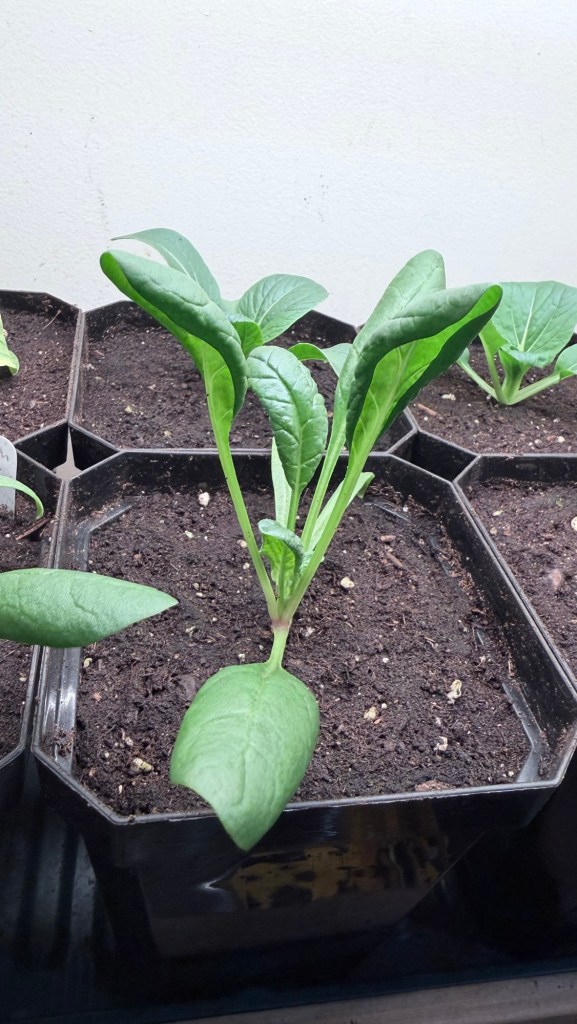
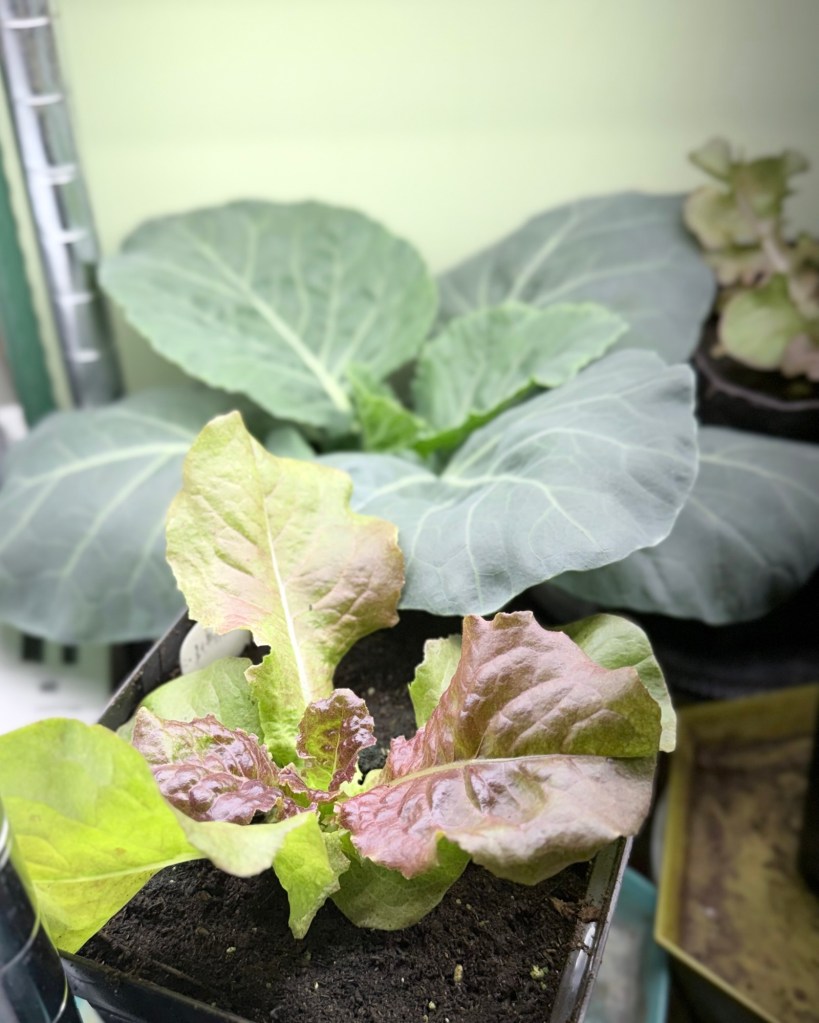
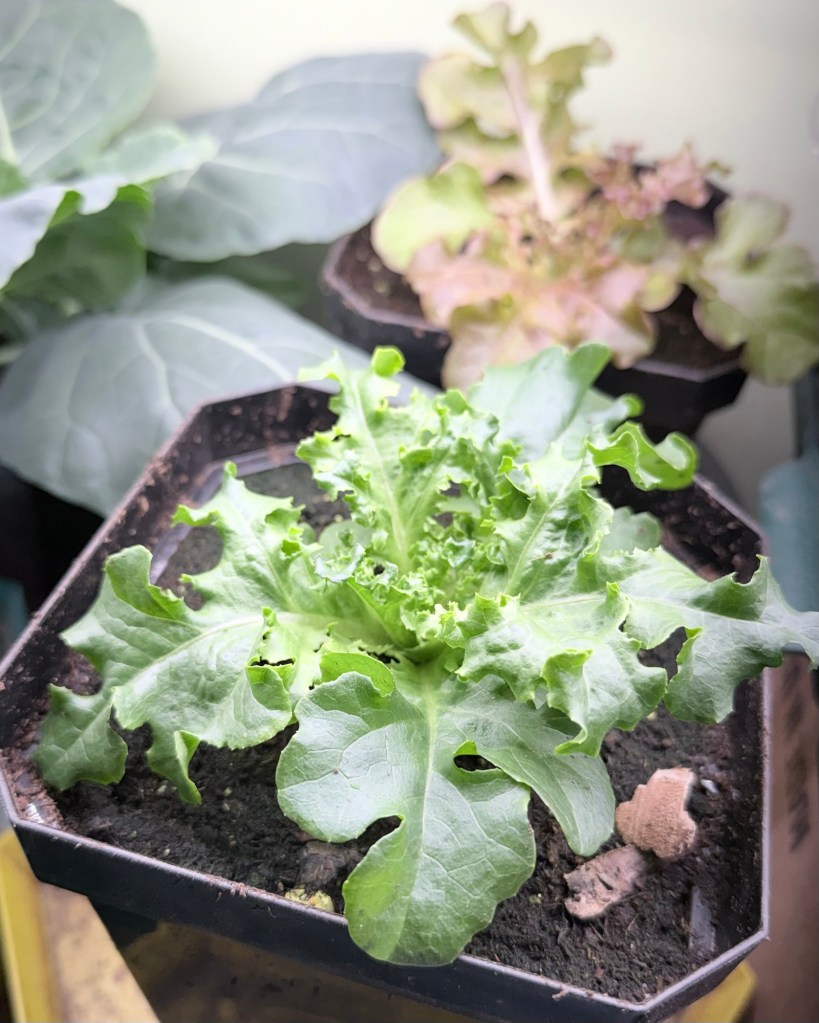
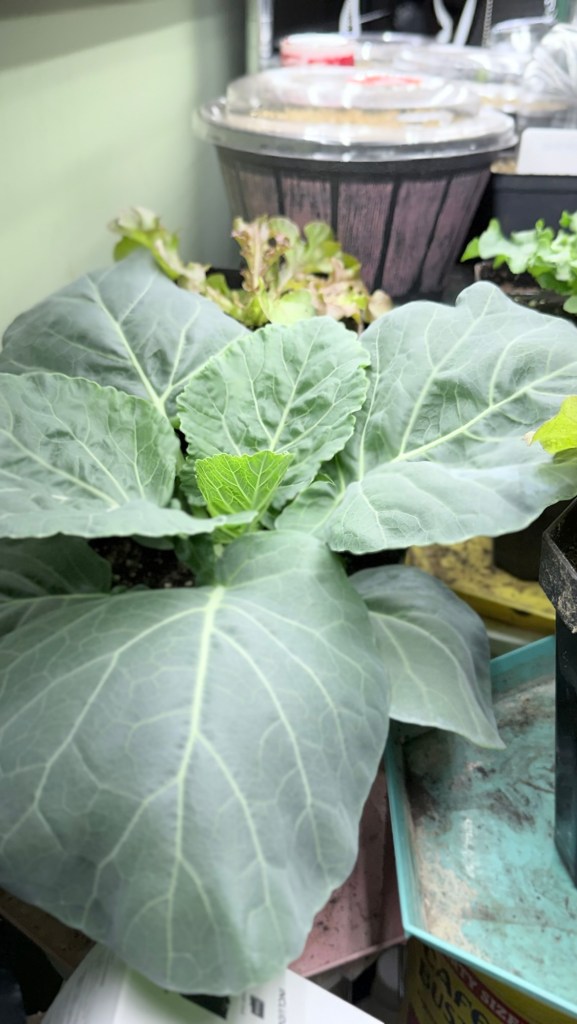
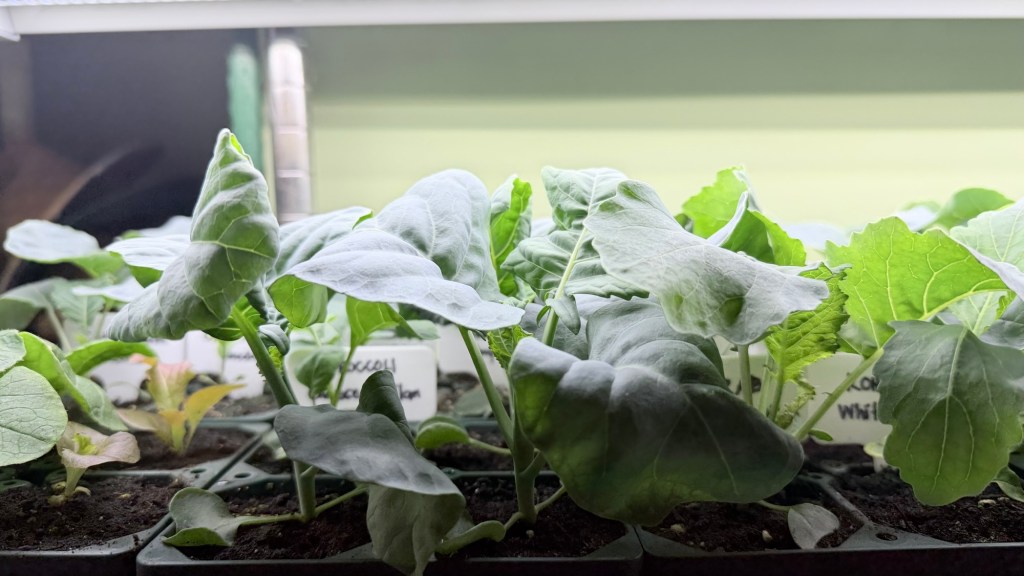
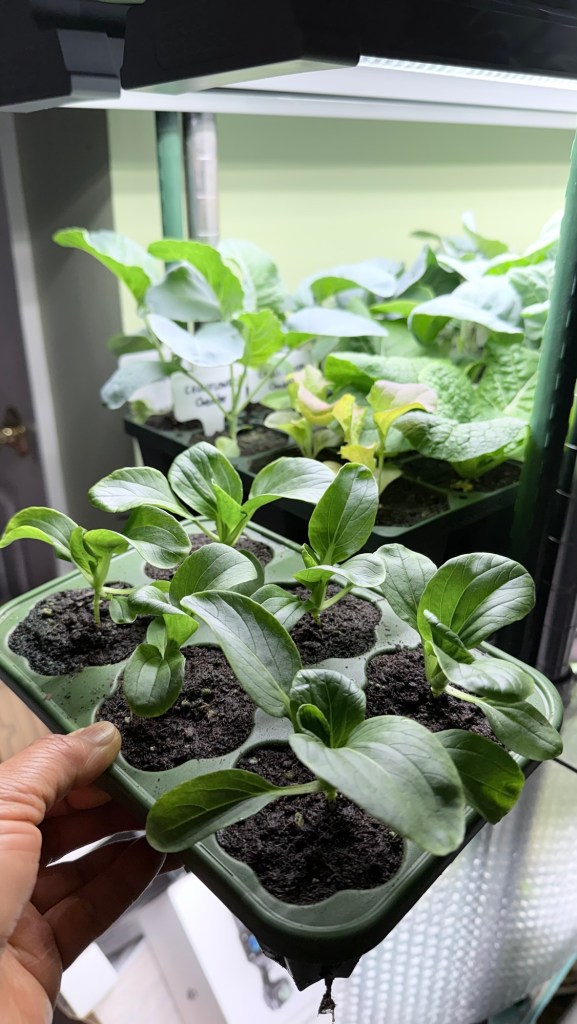
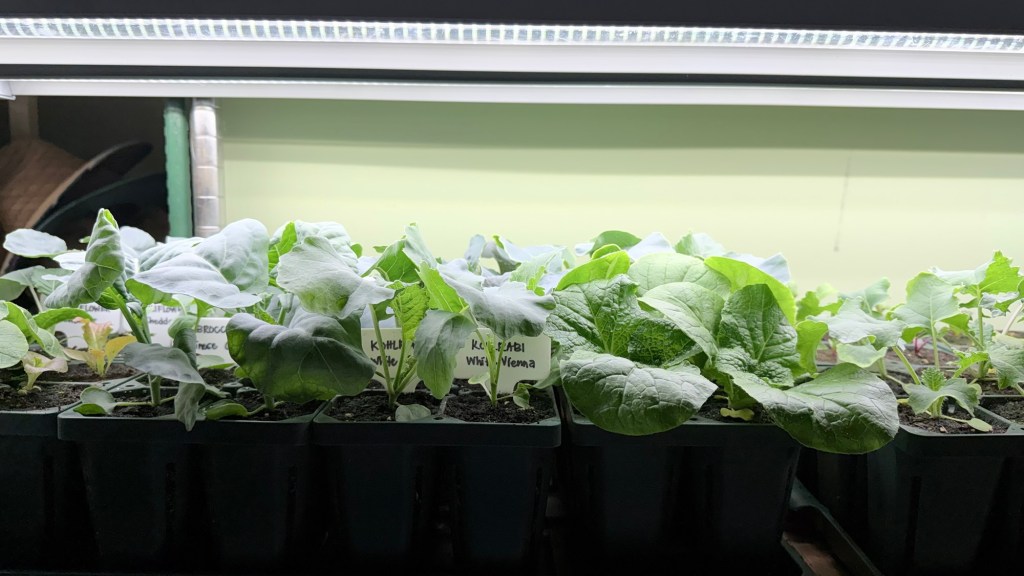
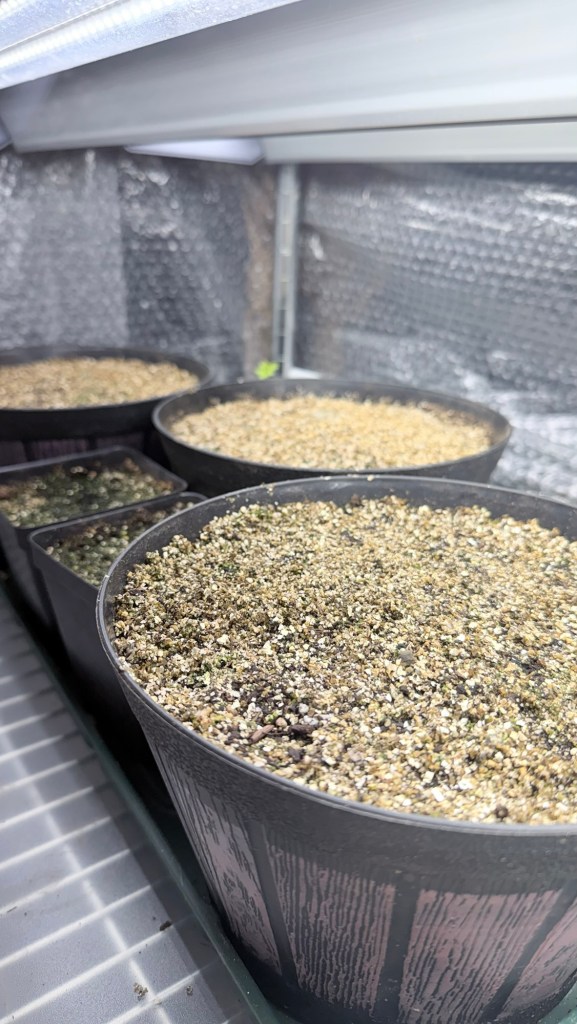
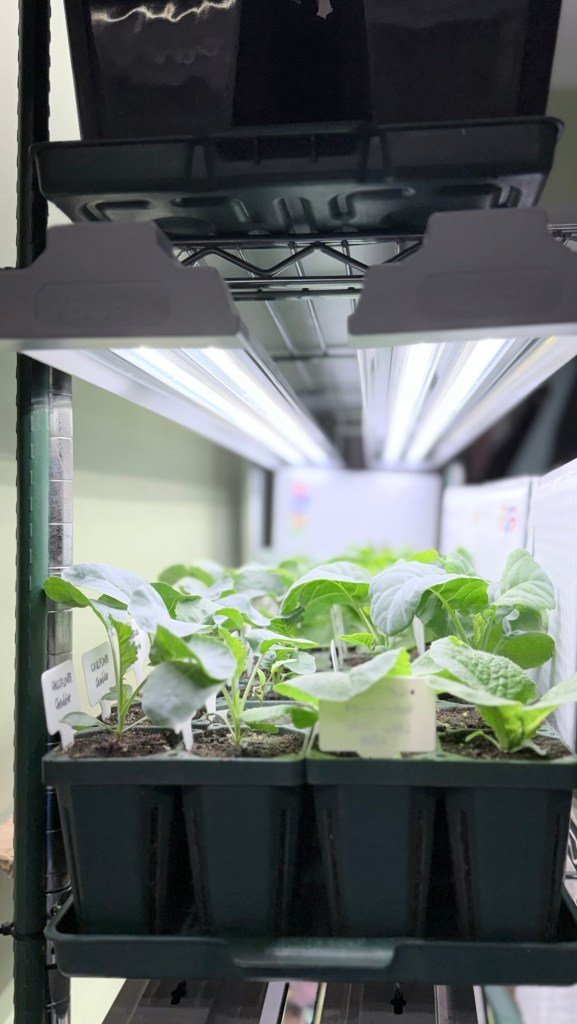
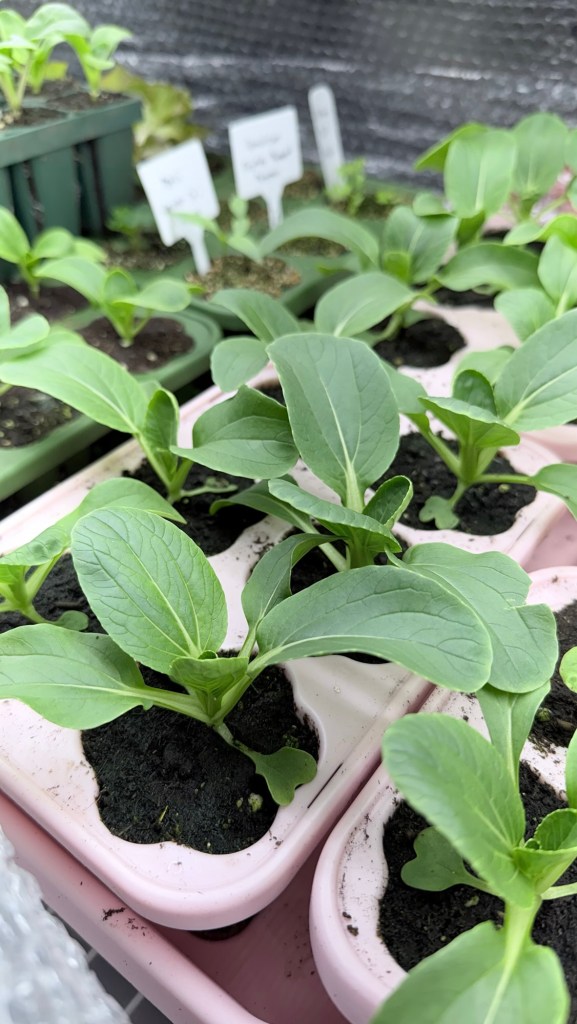
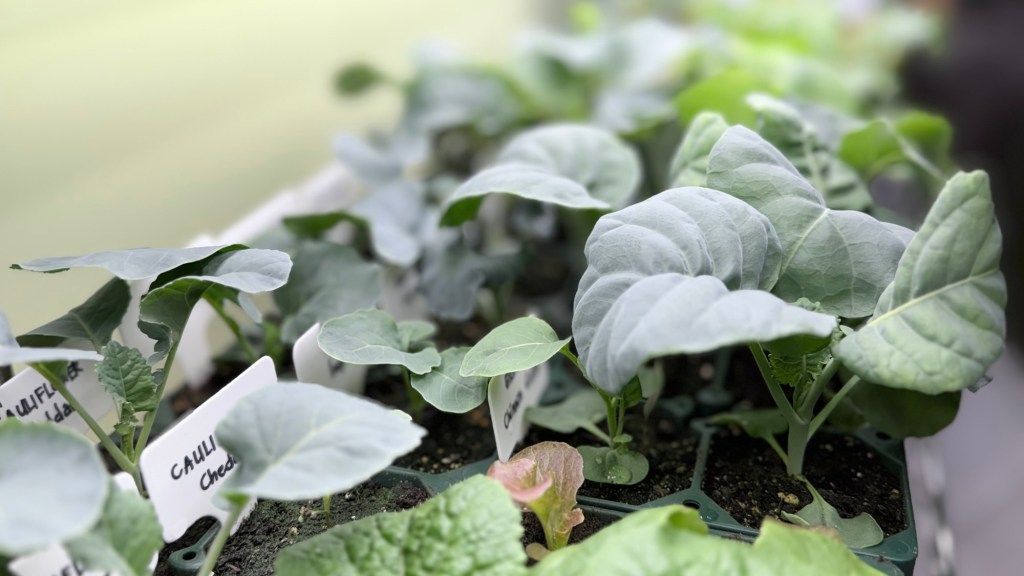
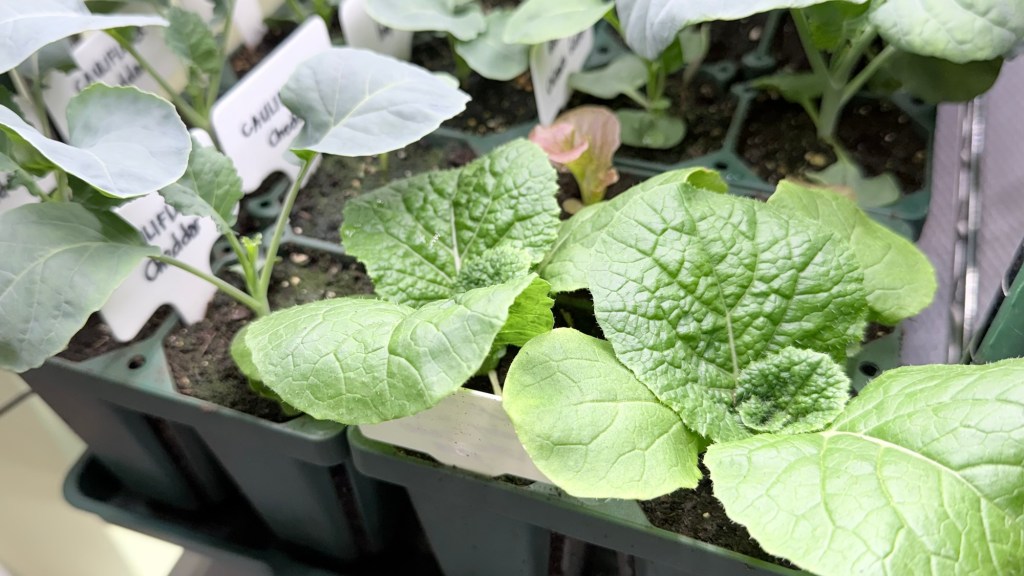
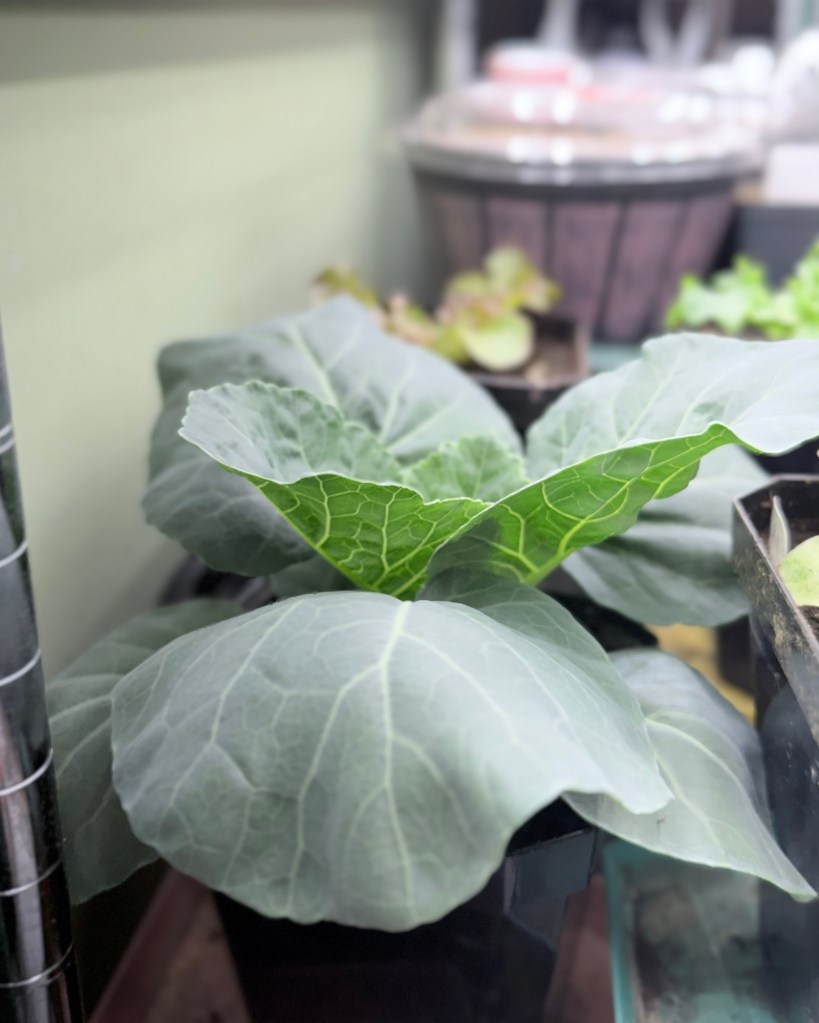
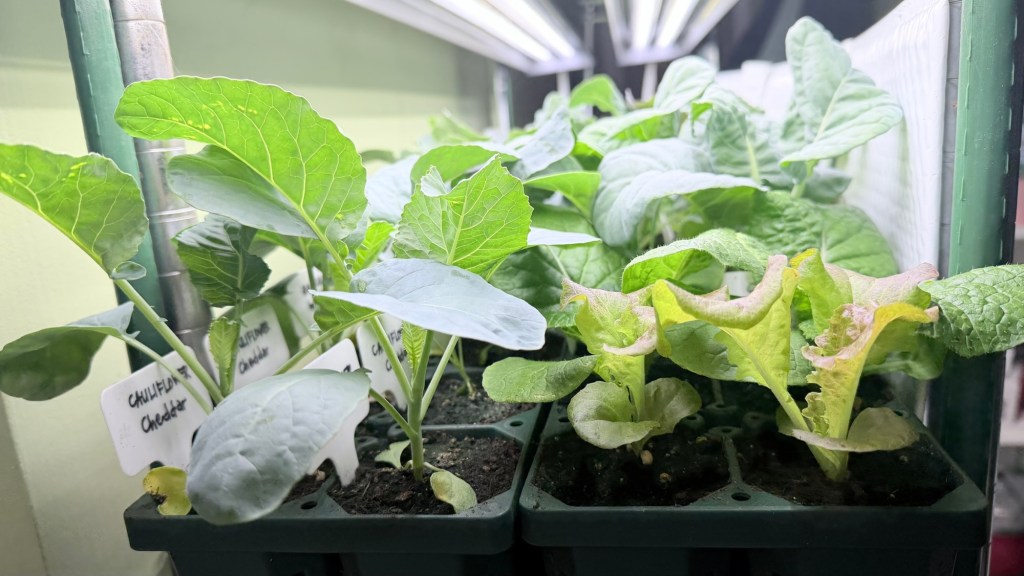
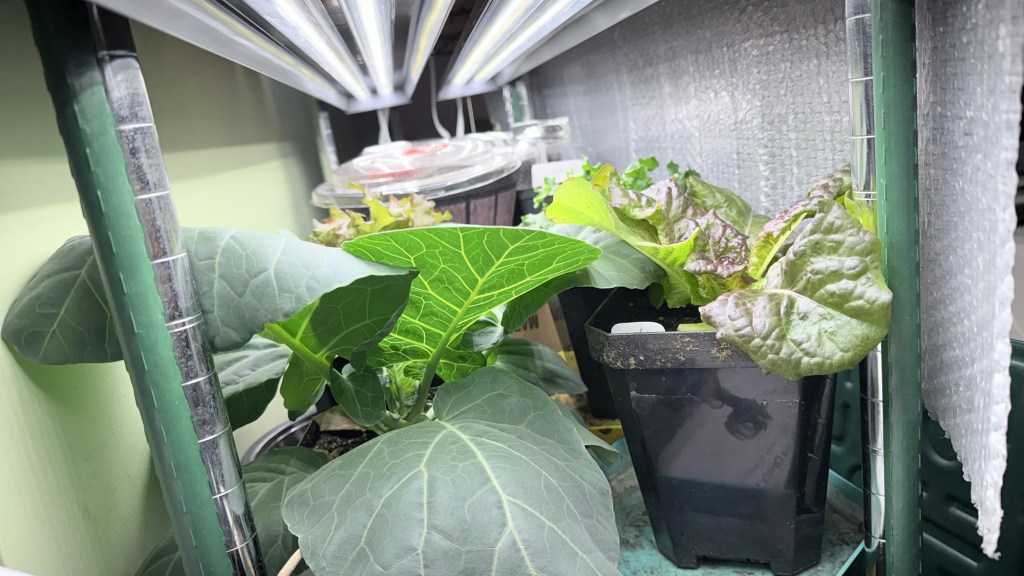
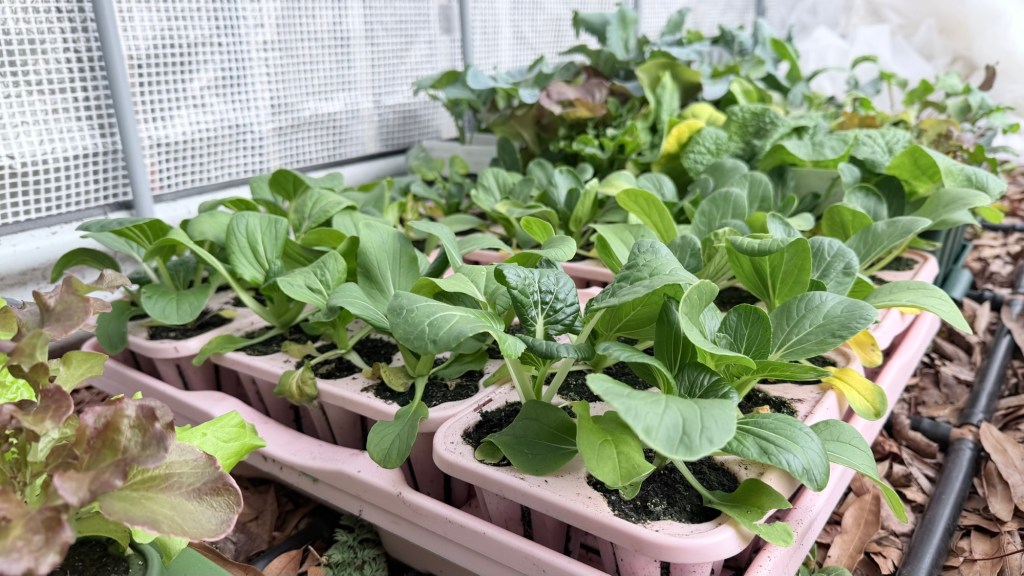
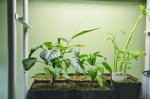
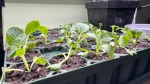
Since I had already started my cool-season seedlings back in mid-January, February became all about taking care of them. I had quite a mix growing—cauliflower, broccoli, cabbage, kohlrabi, celery, cilantro, onions, even a volunteer strawberry seedling—along with fast-growing crops like bok choy, spinach, collards, kale, and lettuce. Around the same time, I also started peppers, turmeric, and ginger.
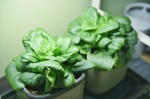
To get a head start on harvesting, I decided to pot up some of the faster-growing crops—like collards, bok choy, lettuce, and spinach—into larger containers earlier than the rest. My goal was simple: harvest sooner.
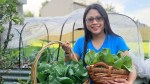
Honestly, I had grown tired of buying greens from the store. The quality just isn’t the same. Being able to grow and harvest my own again—even indoors—felt like such a win.
Hardening off Cool Season Seedlings
I always start with cool-season seedlings because it’s one of the best ways to maximize my harvest throughout the season. Timing really matters—especially when you’re trying to make the most of a shorter growing window.
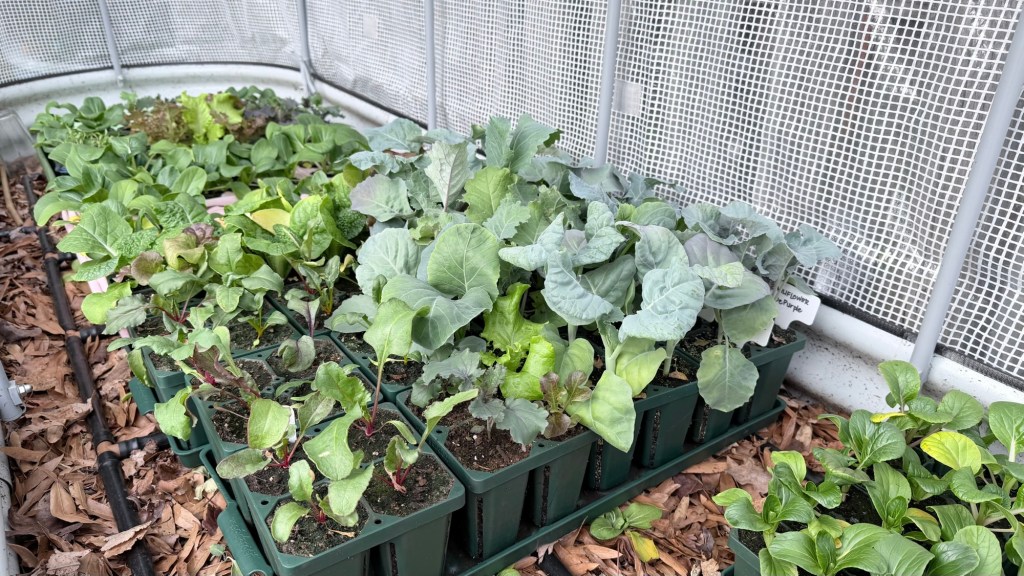
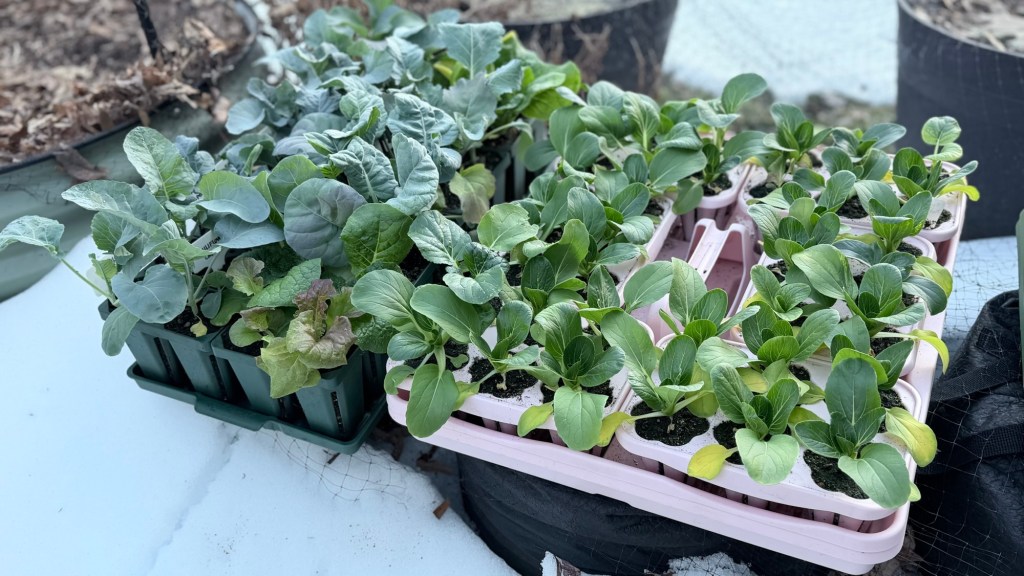
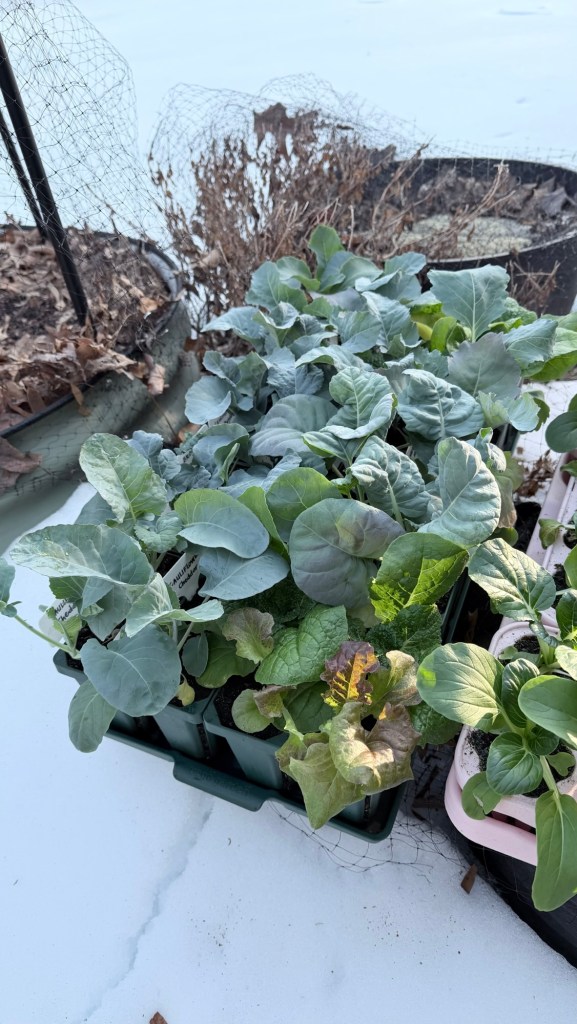
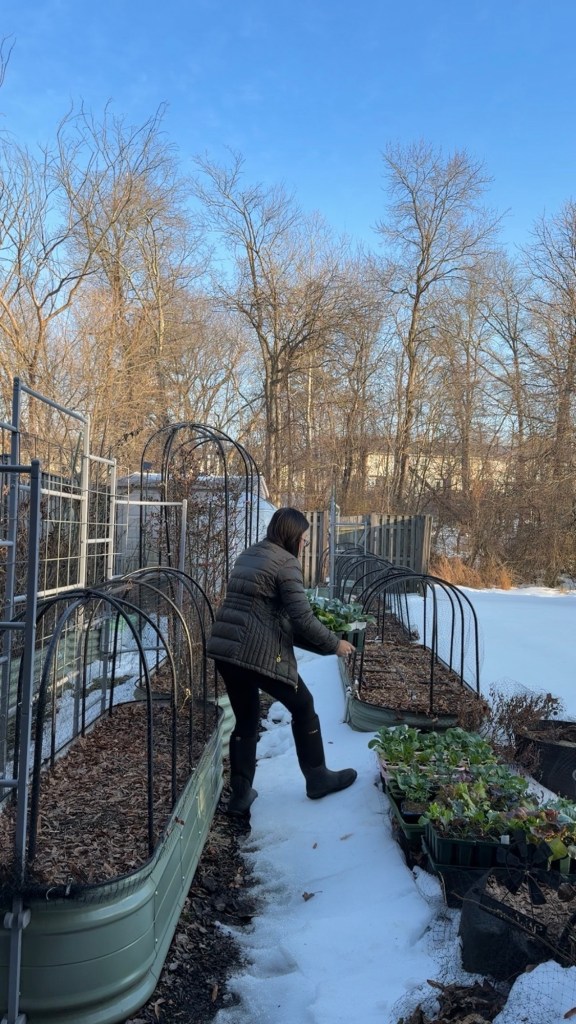
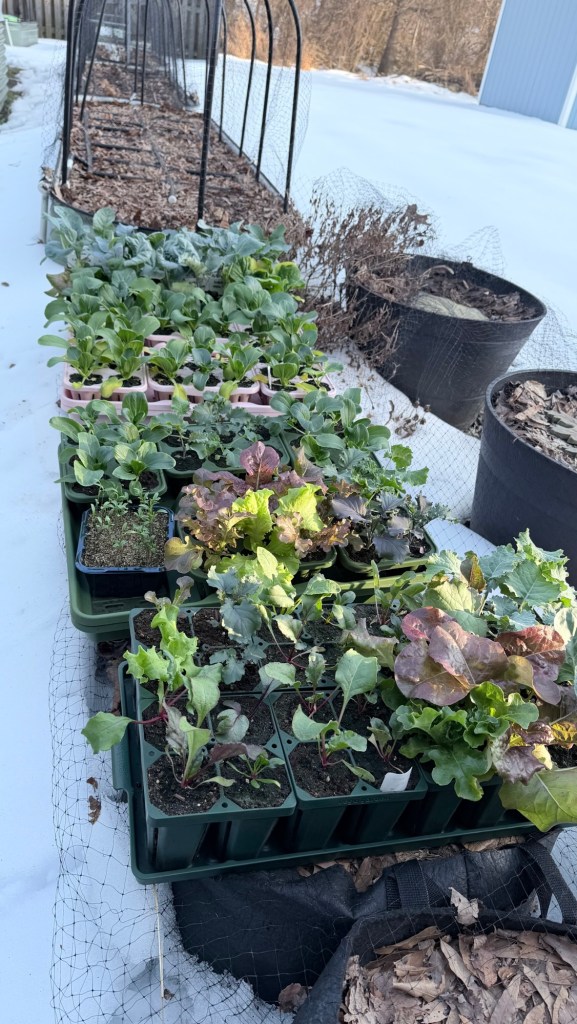
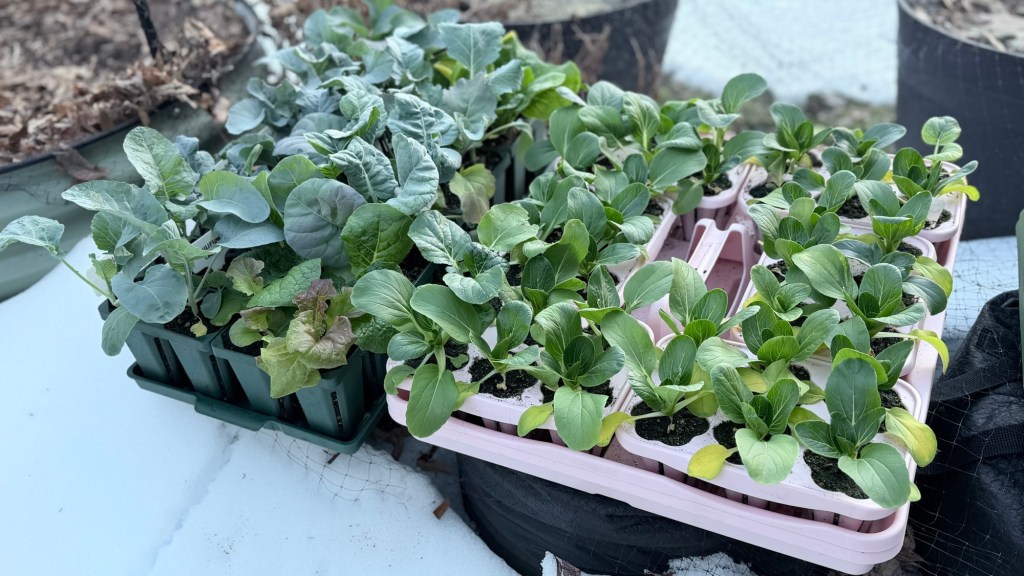
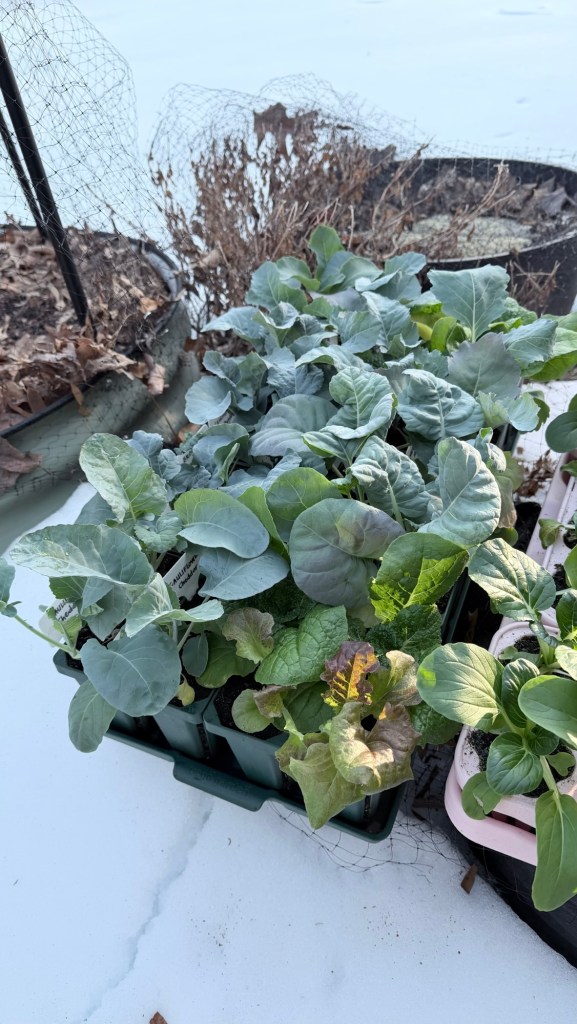
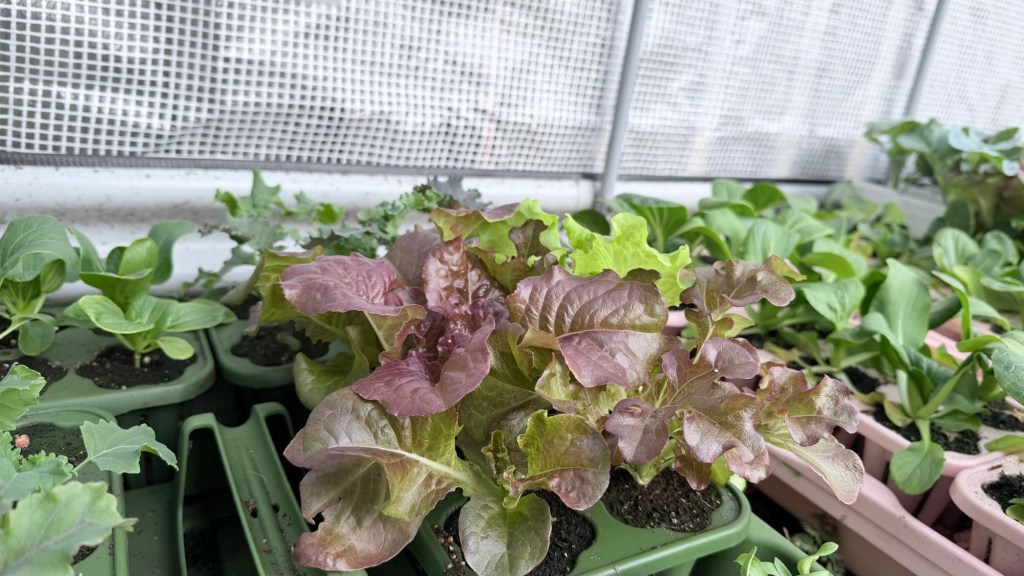
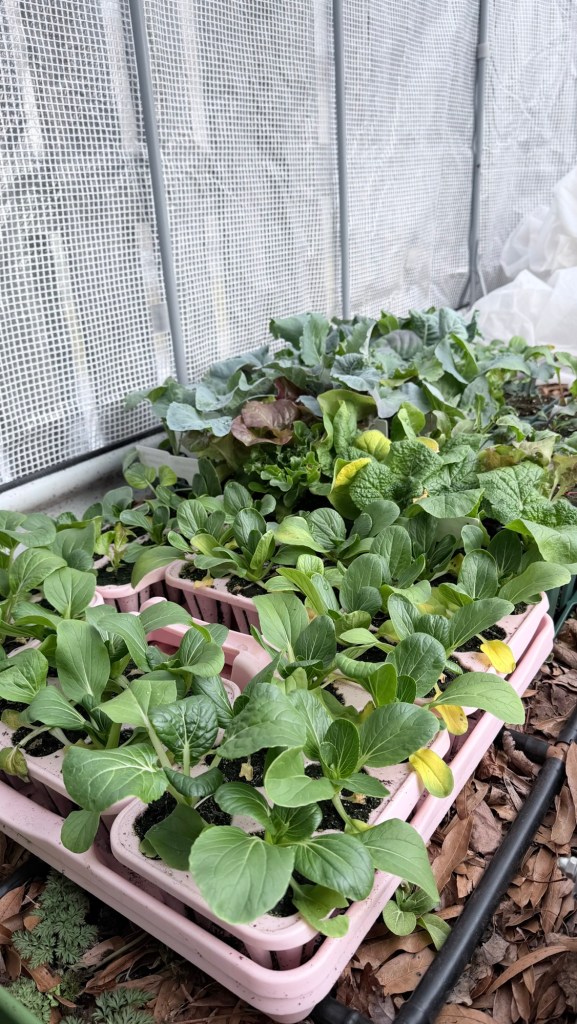
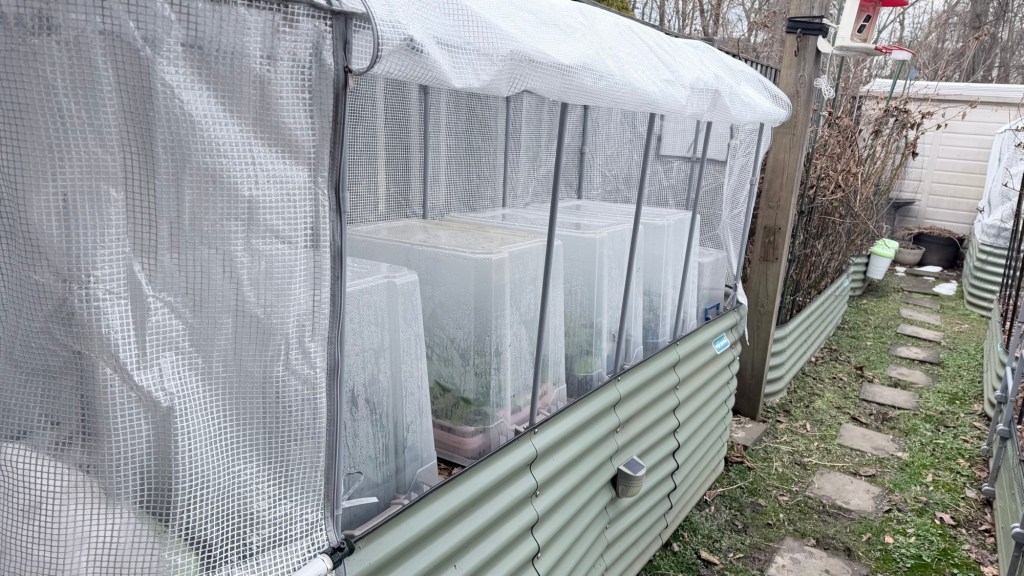
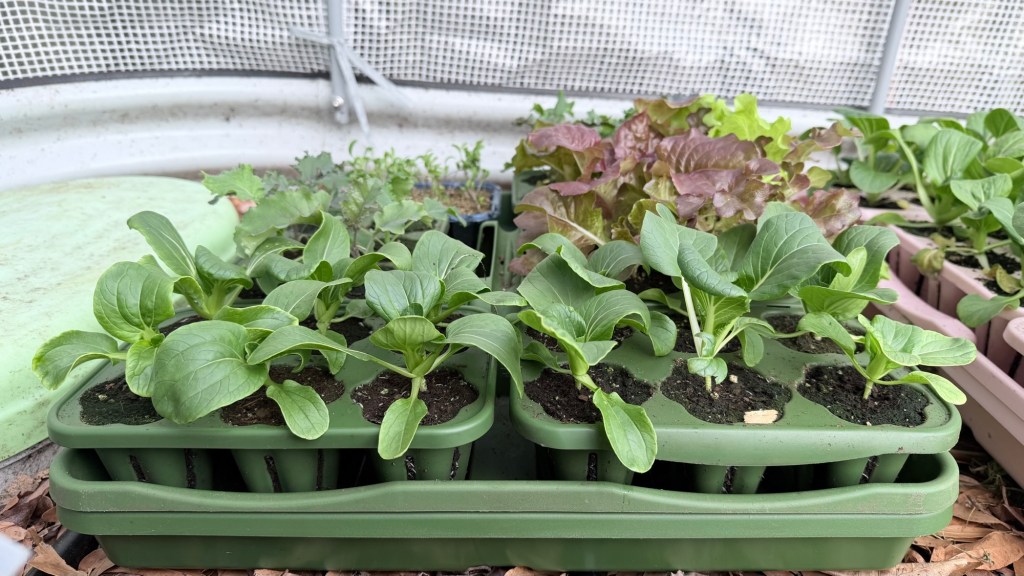
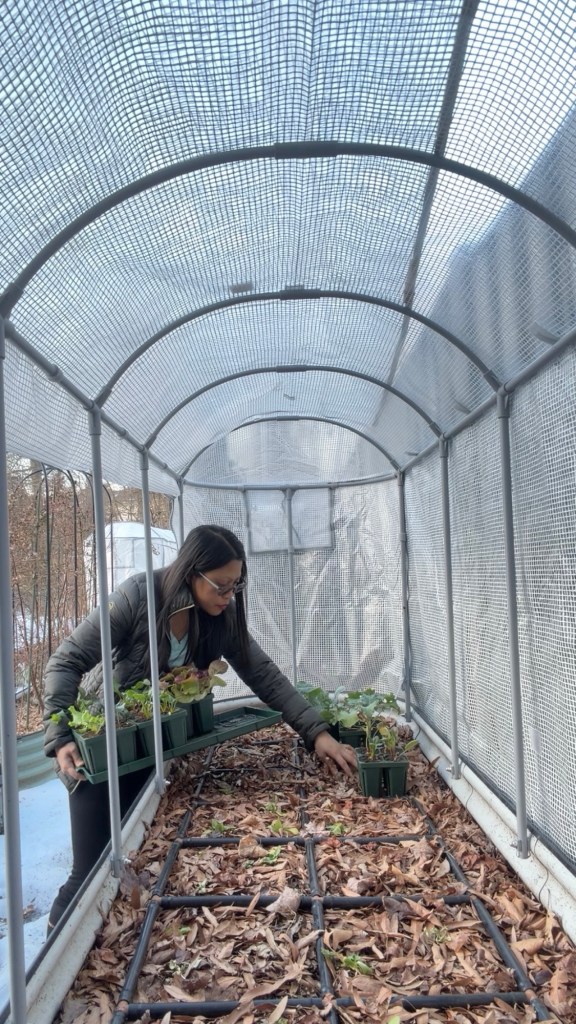
But before transplanting, hardening off is key.
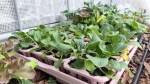
This year, we had a long stretch of frost and about 11 inches of snow, and it took a while for everything to melt. Still, whenever we had a few good days, I took the opportunity to bring my seedlings outside—even if there was still snow on the ground.
It was all part of my effort to stay on track for March planting.
Sometimes you have to work with what you’re given and take advantage of those small windows. It may not look perfect, but those little steps make a big difference in the long run.
⚠️ Challenges in February
Limited Sunlight
One of the biggest challenges this time of year is the lack of sunlight.
Even with protection, outdoor plants just don’t grow as actively. It’s something you can’t rush—you just have to work with it.
Indoor Space Constraints
Bringing plants indoors—especially citrus—means giving up space.
My calamansi trees are getting bigger, and they definitely take up room… but I’ve learned to see it as part of the process.
Adjusting Expectations
Because I planted late in the fall, I had to accept that my winter garden wouldn’t be very productive.
That shift in mindset made a big difference.
Instead of focusing on what wasn’t growing, I focused on what I could still do.
🌼 Lessons from the February Garden
February reminded me of a few things:
- Not every season is for harvesting
- Preparation matters just as much as production
- Indoor growing can fill the gaps
- It’s okay to adjust and try something different
Sometimes, the quiet seasons are the ones that teach you the most.
🌱 Looking Ahead to March
As February comes to a close, I’m starting to see small signs of change.
- Seedlings are growing
- Indoor greens are almost ready to harvest
- The garden is slowly waking up
And sure enough… March brings that shift.
Early harvests, new growth, and the beginning of a much busier season.
💛 Final Thoughts
February may feel slow—but it’s far from wasted.
It’s the month where:
- Plans are made
- Soil is prepared
- Seeds are started (if you haven’t yet)
- And patience is practiced
And when you look ahead to what comes next… you realize it was all worth it.






 Gingerfoot Garden
Leave a comment