
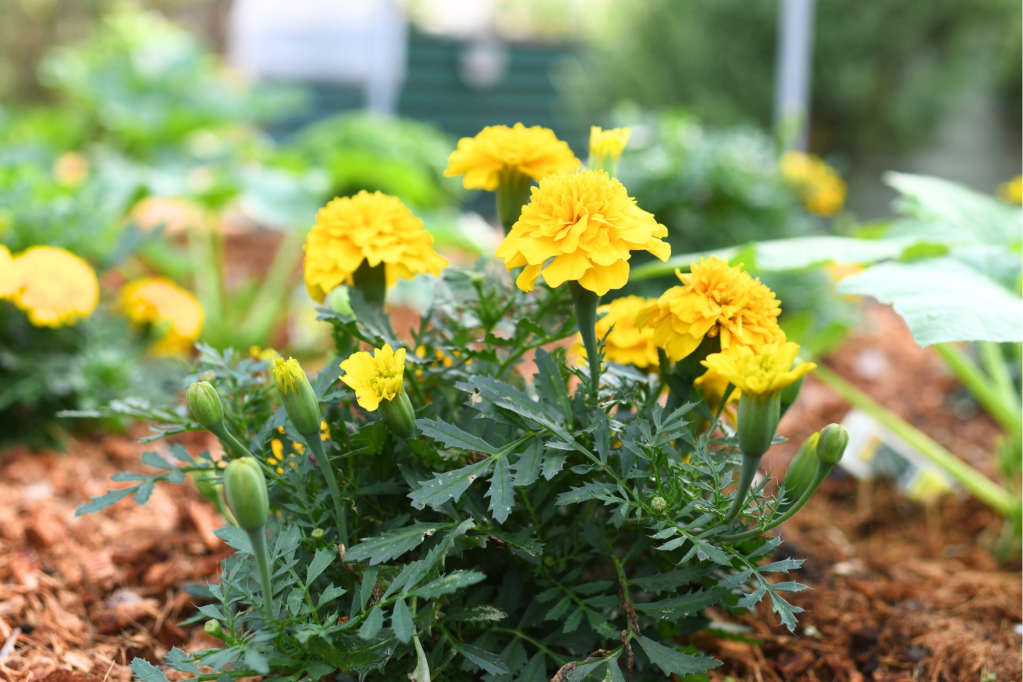
If you’ve ever walked out to your garden and noticed tiny holes in your leaves… or worse, entire plants getting devoured overnight—you already know:
Garden pests don’t wait.
By the time you see the damage, they’ve often already settled in.
But here’s the good news—spring is your window of opportunity.
With a few simple, proactive steps, you can prevent pests before they become a full-blown problem.
This guide will walk you through exactly how to protect your garden early—especially if you’re growing in a small space, raised beds, or containers.
🌱 Why Spring Pest Prevention Matters
In early spring, pests are just beginning to emerge. This is the best time to act because:
- Populations are still low
- Plants are young and vulnerable
- Prevention is easier than treatment
Waiting until summer often means playing catch-up. But starting now? That’s how you stay ahead.
🕵️♀️ 1. Inspect Your Plants Regularly
The simplest habit can make the biggest difference.
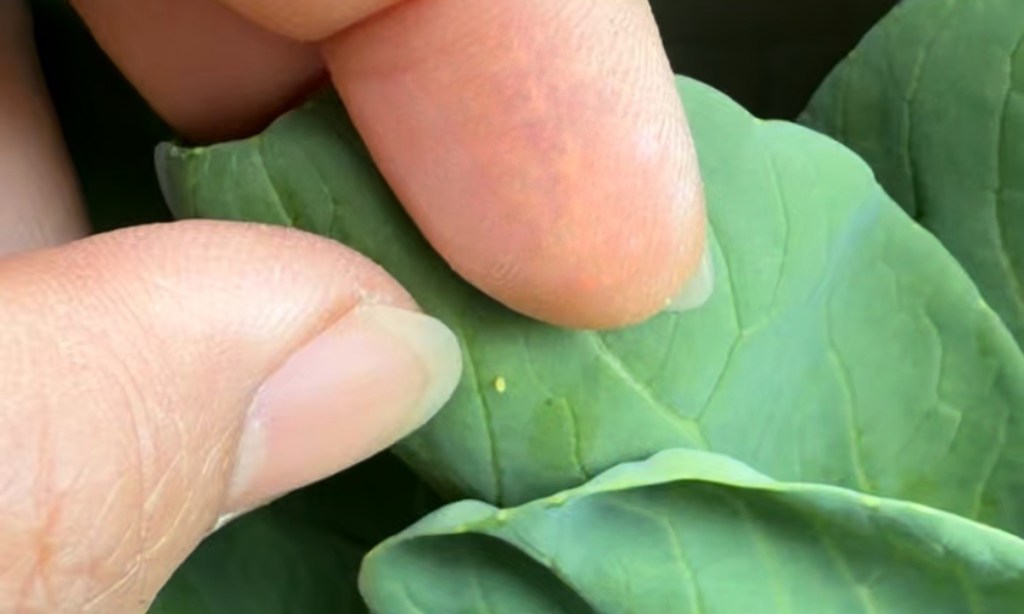
What to check:
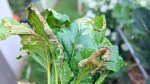
- Undersides of leaves (this is where eggs are often laid)
- New growth
- Signs of holes, discoloration, or sticky residue
Common early pests include:
- Aphids
- Cabbage worms
- Beetles
💡 Tip: Catching eggs early can prevent an entire infestation later.
🛡️ 2. Use Physical Barriers First
One of the most effective—and beginner-friendly—methods is simply blocking pests from reaching your plants.
Try this:
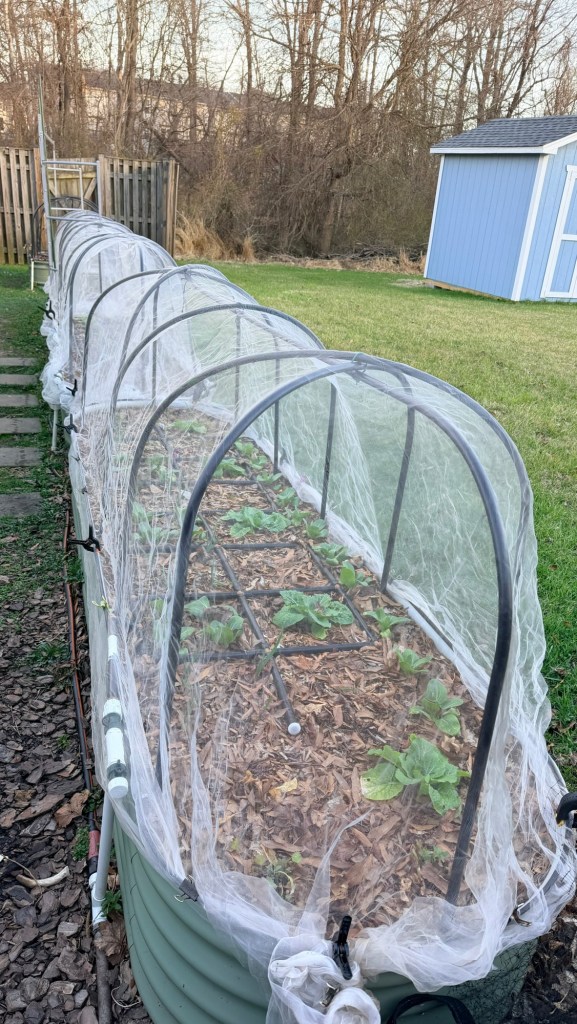
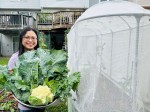
- Install a simple hoop system over your beds
- Cover with fine insect netting
This prevents pests like cabbage moths from laying eggs on your plants in the first place.
💡 This is especially helpful for brassicas like:
- Bok choy
- Kale
- Cabbage
- Broccoli
🌿 3. Grow Strong, Healthy Plants
Healthy plants are naturally more resistant to pests.
Support plant health by:
- Feeding with compost or organic fertilizer
- Watering consistently
- Providing proper spacing for airflow
- Using mulch to retain moisture
Weak, stressed plants are far more likely to be attacked.
🌼 4. Use Companion Planting
Some plants can help deter pests naturally.
Great companion options:
- Basil near tomatoes
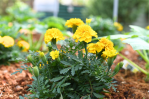
- Marigolds around vegetables
- Herbs like cilantro or dill
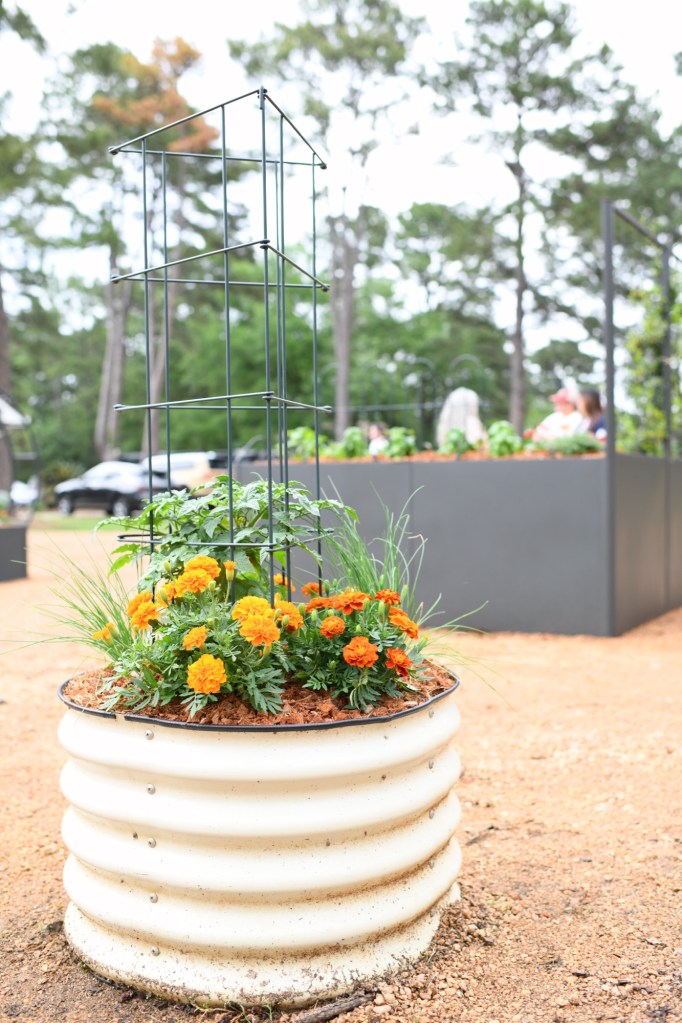
While companion planting isn’t a magic fix, it adds an extra layer of protection—and biodiversity to your garden.
🐞 5. Encourage Beneficial Insects
Not all bugs are bad—in fact, some are your best allies.
Helpful insects include:
- Ladybugs (eat aphids)
- Lacewings
- Parasitic wasps
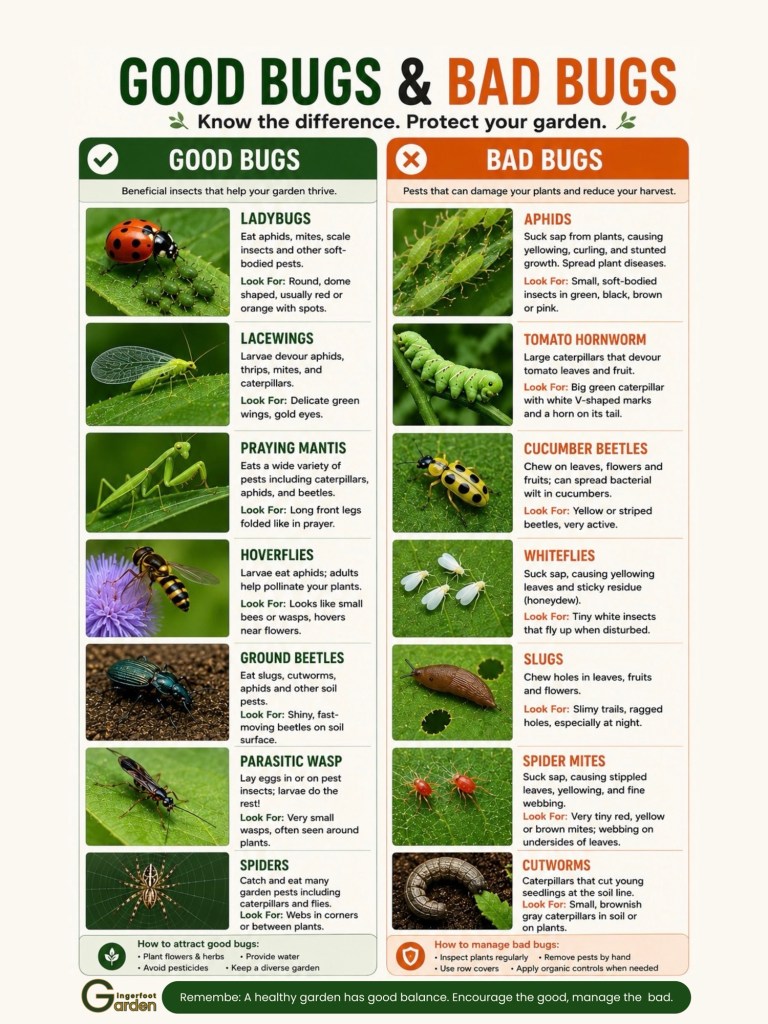
You can attract them by planting:
- Flowers like alyssum, calendula, marigolds and herbs.
💡 A balanced garden ecosystem helps keep pest populations under control naturally.
🌧️ 6. Be Ready with Organic Treatments
Even with prevention, you might still see pests—and that’s okay.
Keep these on hand:
- Neem oil
- Insecticidal soap
- BT (Bacillus thuringiensis) for caterpillars
Apply early, when infestations are small, for the best results.
🚿 7. Use Simple Daily Fixes
Sometimes the easiest solutions work best.
- Spray pests off with a strong stream of water
- Handpick visible insects
- Remove heavily infested leaves
These small actions can stop problems from spreading.
🪴 8. Protect Your Small-Space Garden
If you’re gardening in containers or raised beds:
- Keep plants off the ground when possible
- Space containers for airflow
- Check plants daily (it’s easier in small spaces!)
Small gardens can actually be easier to manage when it comes to pests—if you stay consistent.
⚠️ Common Mistakes to Avoid
- ❌ Waiting until damage is severe
- ❌ Ignoring early signs
- ❌ Overcrowding plants
- ❌ Overwatering (can attract pests and disease)
Remember: prevention is always easier than cure.
🌼 Final Thoughts
You don’t need to fight pests—you just need to stay one step ahead of them.
By starting early in the spring and building simple habits like checking your plants, using covers, and supporting healthy growth, you can avoid the overwhelm that comes later in the season.
A thriving garden isn’t pest-free—but it is well-managed.
And you’ve got this. 🌱
💬 Let’s Grow Together
What pests do you struggle with the most in your garden?
Drop a comment below—I’d love to hear and help you troubleshoot!









 Gingerfoot Garden
Leave a comment