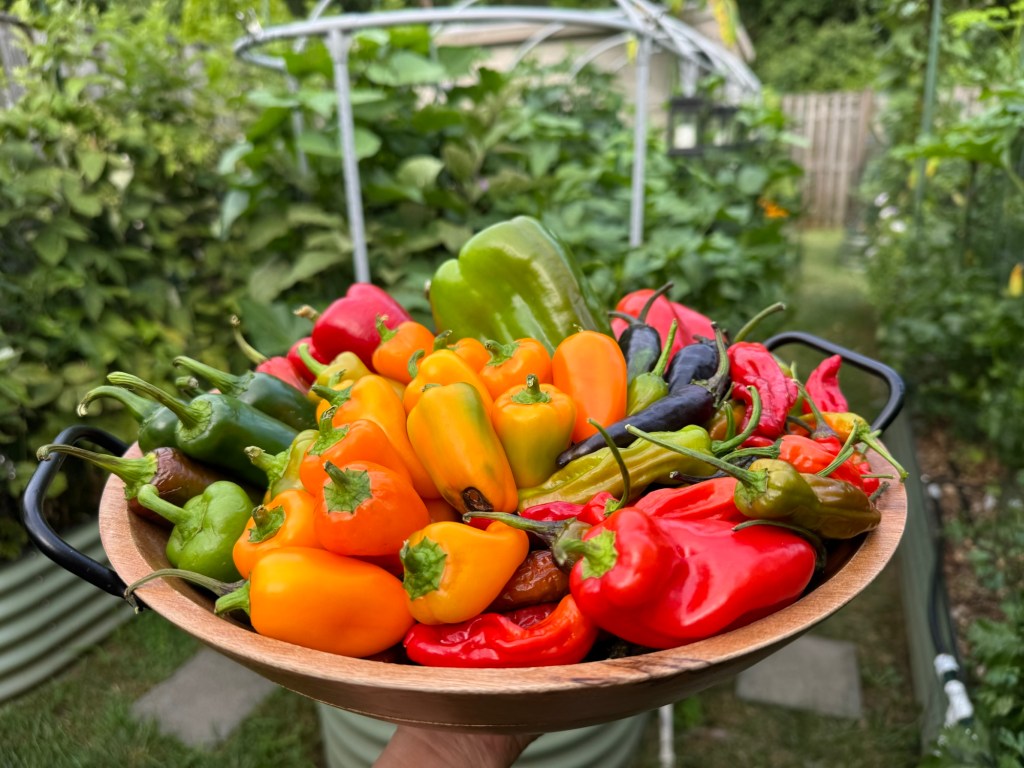
Peppers are one of my favorite vegetables to grow every year.
They’re productive, beautiful, and incredibly versatile in the kitchen. Whether you’re growing sweet bell peppers, jalapeños, banana peppers, poblanos, or other hot varieties, pepper plants can reward you with months of harvests if they’re given the right conditions.
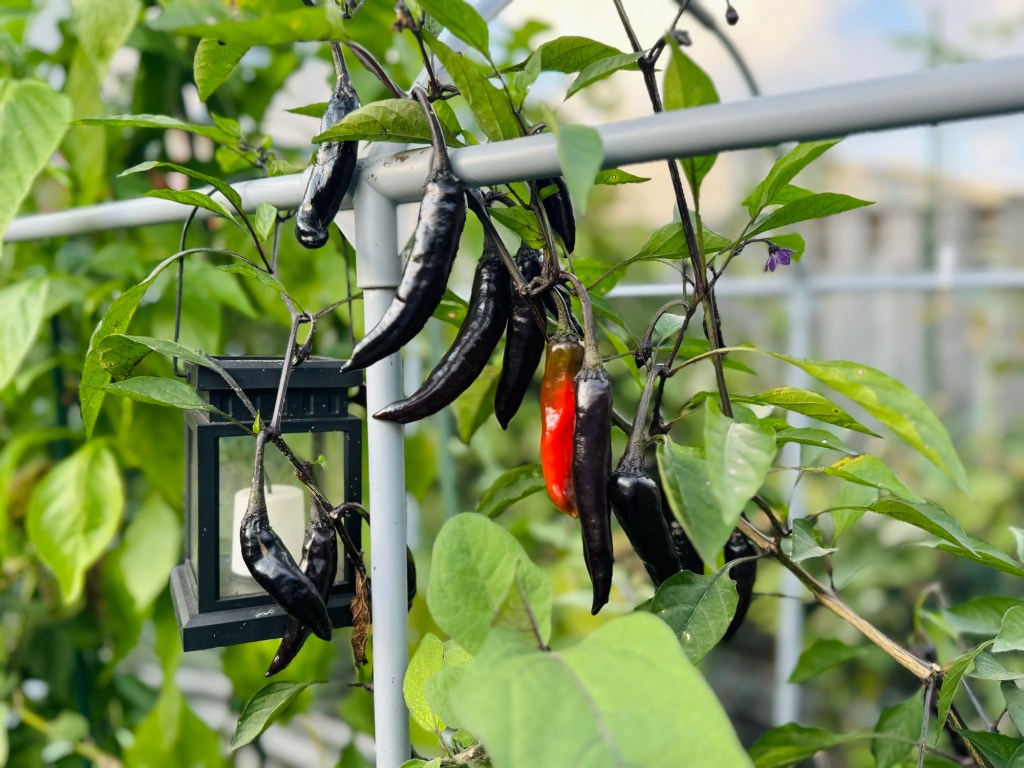
If you’re new to gardening, peppers are an excellent crop to grow. They don’t require a lot of space, thrive in raised beds and containers, and continue producing well into late summer and even fall.
Here’s everything I’ve learned about growing healthy pepper plants.
Choose the Right Variety
One of the best parts about growing peppers is the incredible variety available.
Some of my favorites include:
- Jalapeños
- Bell peppers
- Lunchbox peppers
- Poblano peppers
- Banana peppers
- Buena Mulata peppers
Think about how you cook before choosing varieties. Grow the peppers you’ll actually use in your kitchen.
Start Seeds Early
Peppers need a long growing season.
I usually start mine indoors about 8–10 weeks before my last expected frost date. Starting them too early can leave you caring for oversized plants indoors, while starting too late can delay your harvest.
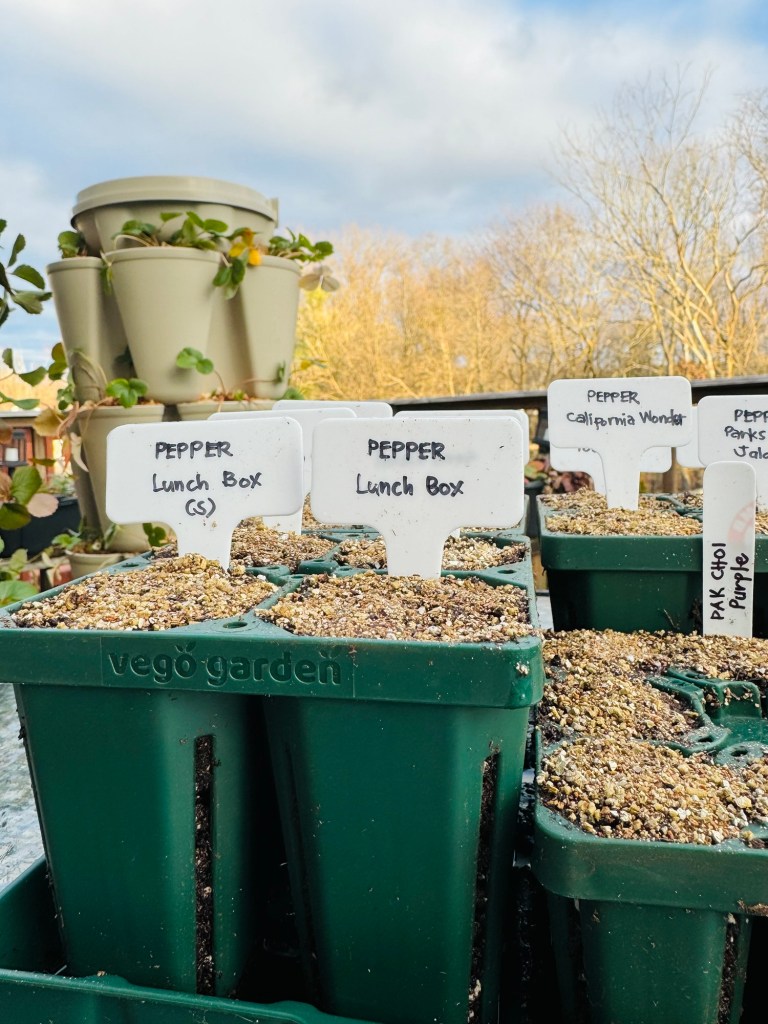
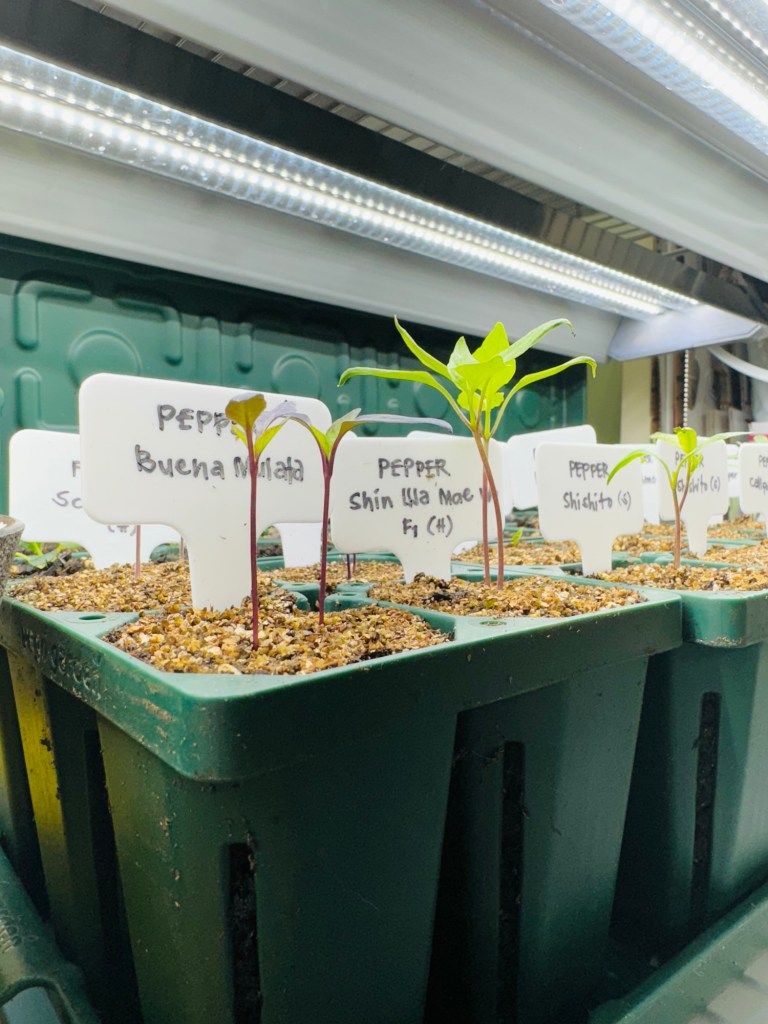
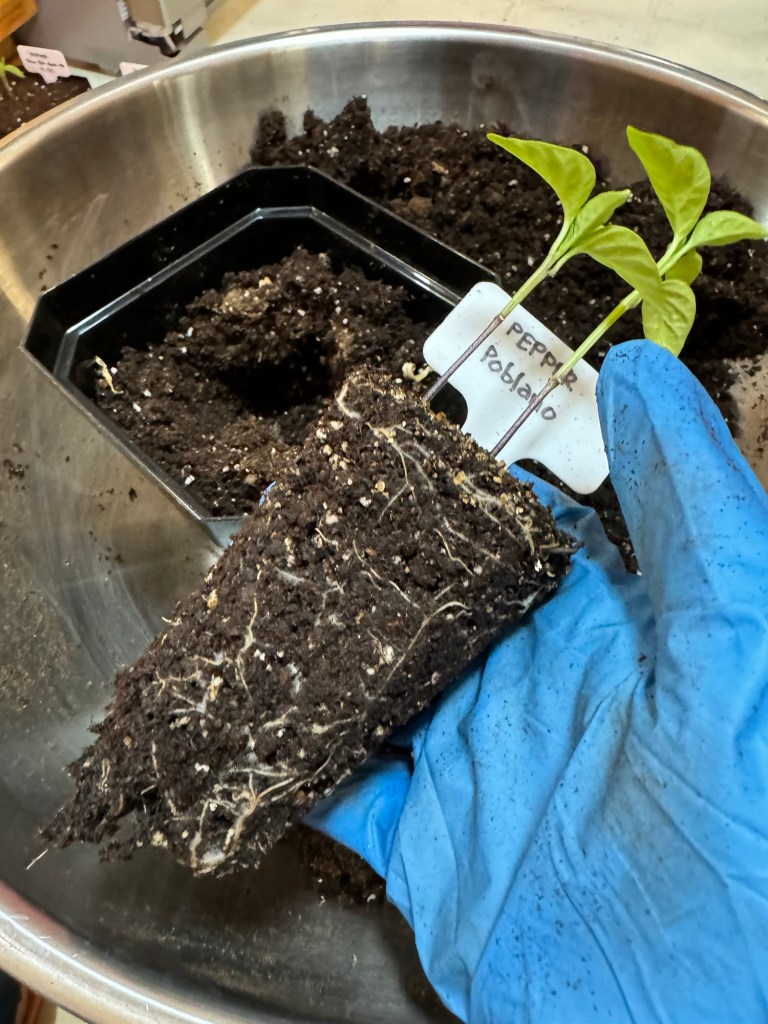
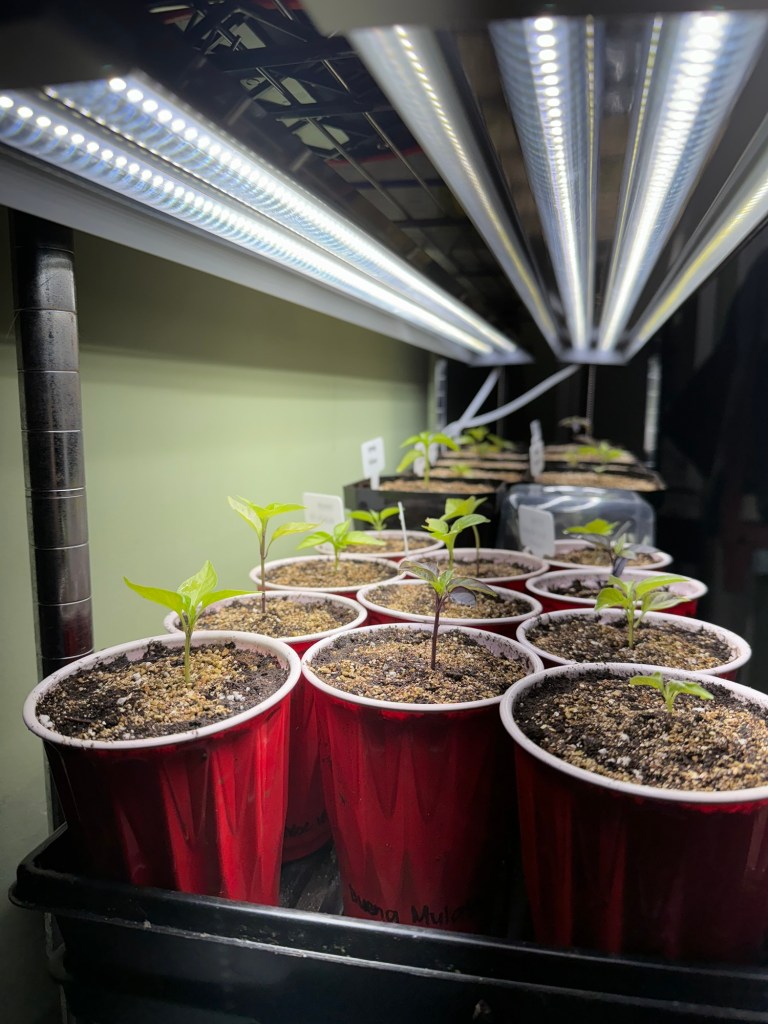
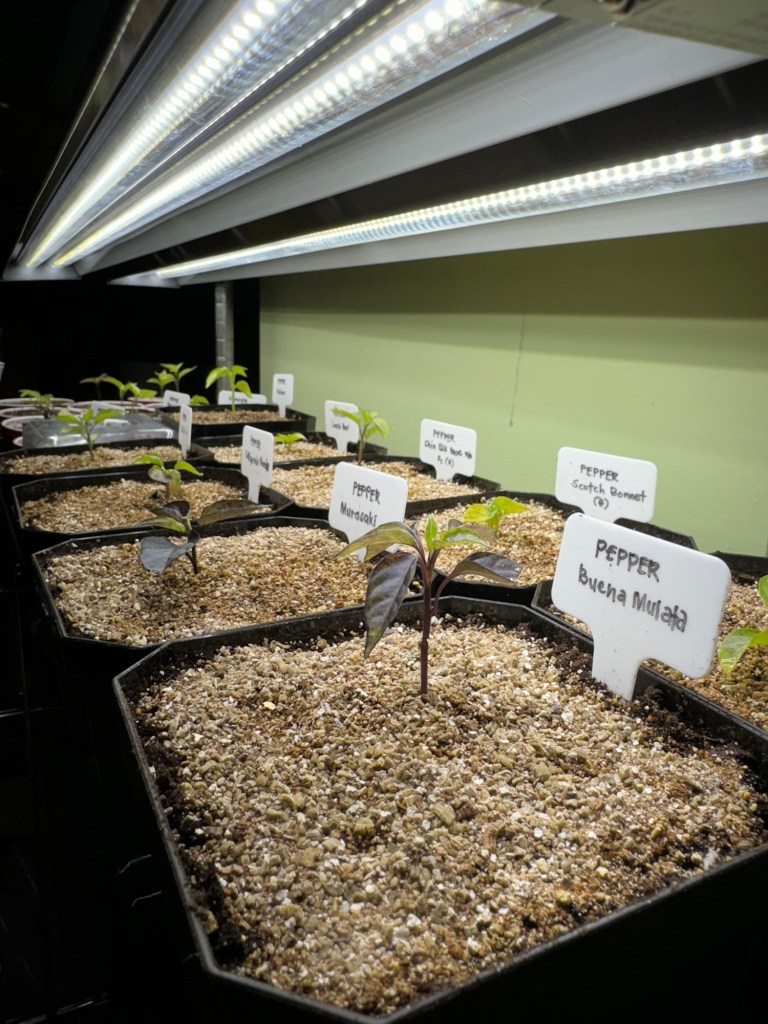

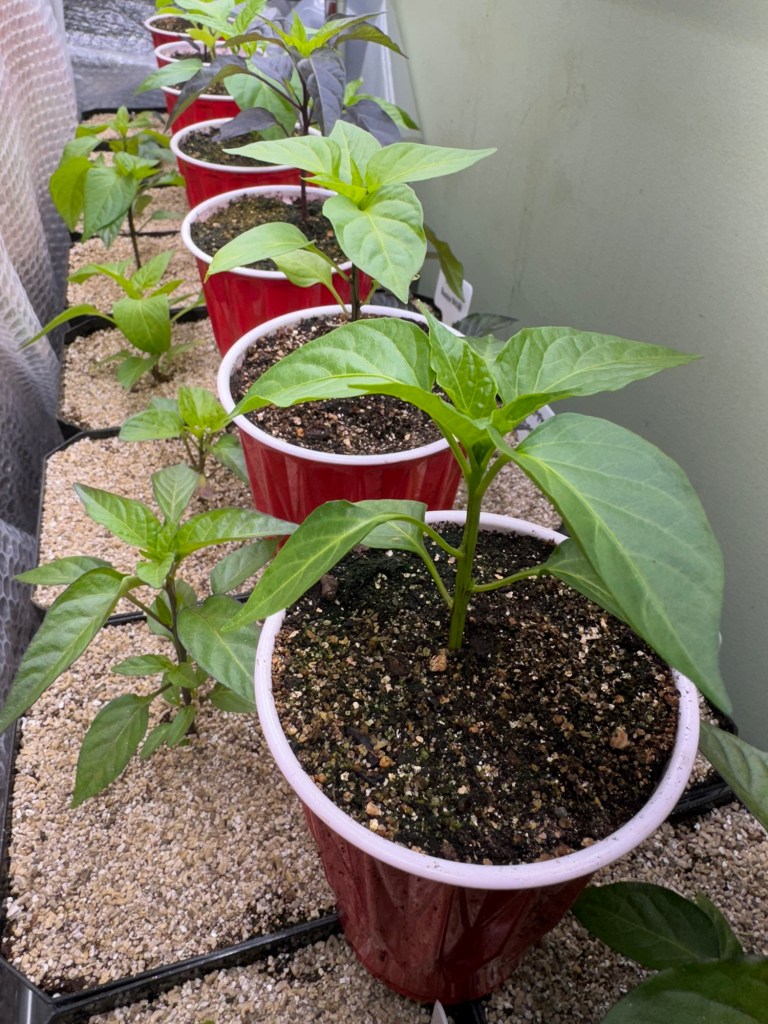
Pepper seeds appreciate warm soil for germination, ideally around 80–85°F 27–29°C. I personally don’t use heatmat if your growing station is a bit too cold, A seedling heat mat can greatly improve both germination speed and success.
Once seedlings emerge, provide plenty of light to keep them compact and sturdy.
Wait for Warm Weather
One of the biggest mistakes gardeners make is planting peppers outside too soon.
Peppers love heat.
Even if the last frost has passed, cool nights can slow their growth for weeks.
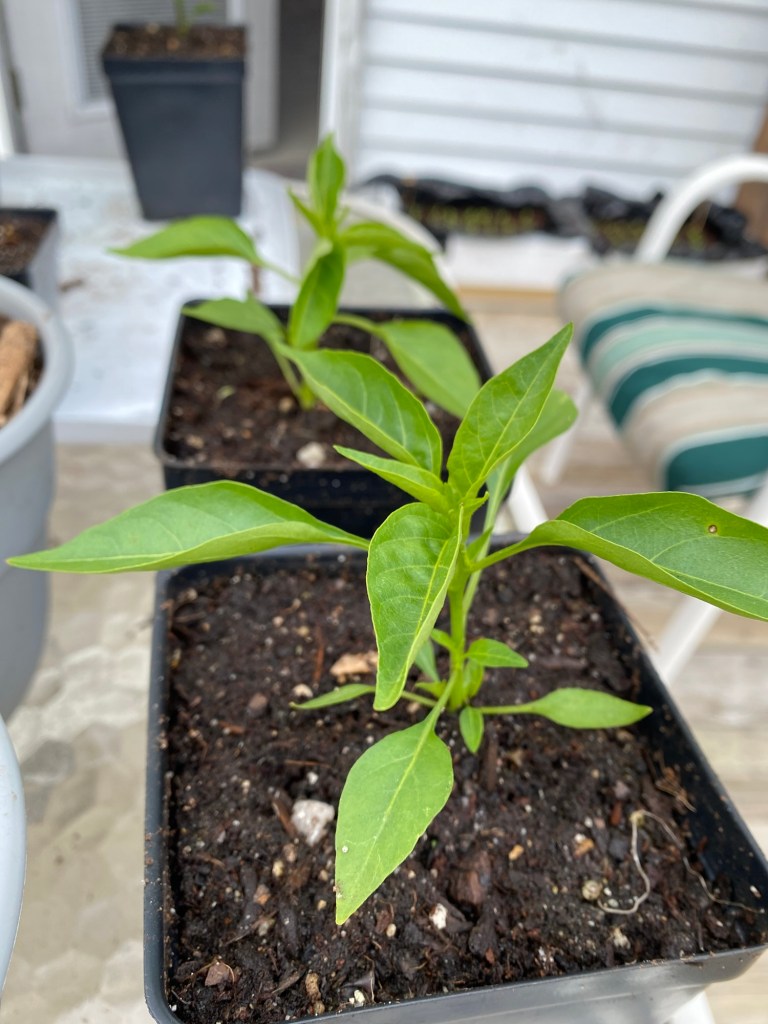
I wait until nighttime temperatures are consistently above 55°F 13°C, and I really notice them taking off once nights stay above 60°F 16°C.
Patience early in the season often leads to healthier plants later.
Give Them Plenty of Sun
Peppers perform best with at least 8 hours of direct sunlight each day.
The more sun they receive, the more flowers and fruits they’ll typically produce.
If you’re gardening in a small space, choose the sunniest location available.
Plant in Rich, Well-Draining Soil
Healthy soil leads to healthy pepper plants.
Before planting, I like to mix compost into the soil along with a balanced slow-release fertilizer.
Good drainage is important because peppers dislike sitting in soggy soil.
Whether you’re growing in raised beds or containers, nutrient-rich soil makes a noticeable difference.
Water Consistently
Peppers prefer consistent moisture.
Rather than watering lightly every day, water deeply when the soil begins to dry.
Inconsistent watering can lead to blossom end rot, curled leaves, or stressed plants.
Mulching around your peppers also helps retain moisture and keeps the soil cooler during hot summer days.
Fertilize Throughout the Season
Once pepper plants begin flowering and producing fruit, they benefit from regular feeding.
Avoid excessive nitrogen, which encourages leafy growth instead of peppers.
A balanced fertilizer or one formulated for flowering vegetables helps support steady production throughout the season.
Support Larger Plants
Many pepper varieties become surprisingly heavy as they mature.
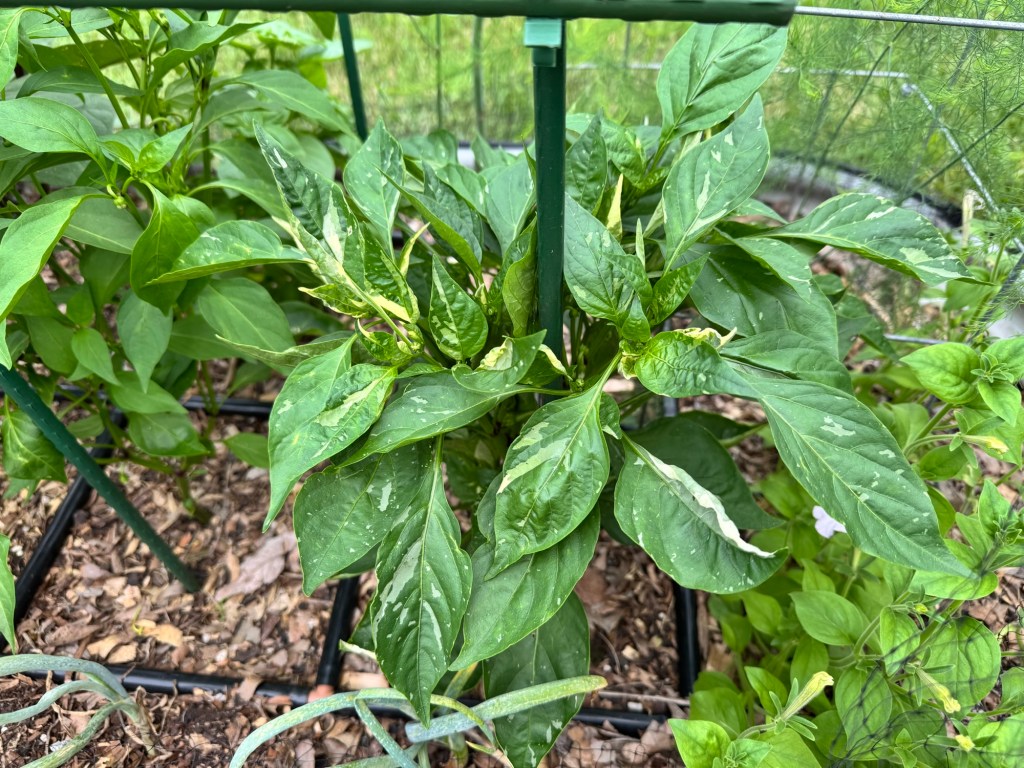
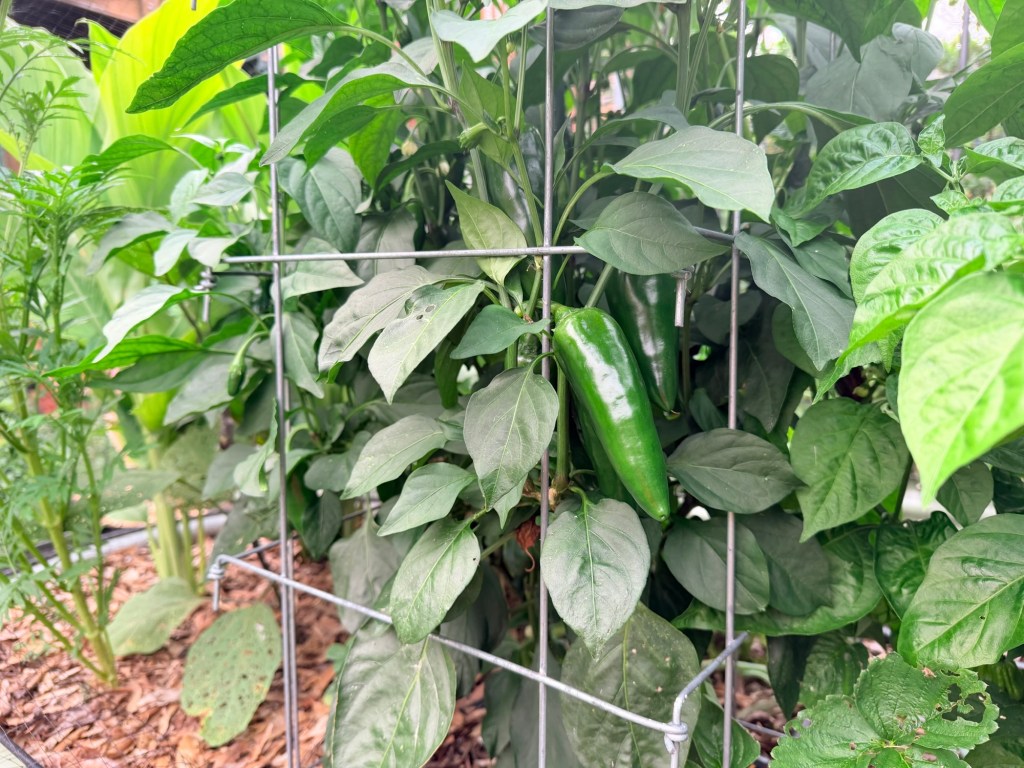
A simple stake or tomato cage helps prevent branches from breaking once the fruits begin to size up.
It’s much easier to support plants early than after they’re loaded with peppers.
Watch for Common Problems
Pepper plants are generally easy to grow, but they can occasionally run into problems.
Some common issues include:
Blossom End Rot
Usually caused by inconsistent watering rather than a lack of calcium.
Leaf Curl
Often the result of heat stress, inconsistent watering, or temporary environmental changes.
Edema
Small bumps or blisters on the underside of leaves are often caused by overwatering or high humidity. I experienced this with my pepper seedlings often during the winter, and improving airflow while watering less frequently solved the problem.
Aphids
Check new growth regularly. A strong spray of water or insecticidal soap usually keeps populations under control.
Harvest Often
The more peppers you harvest, the more your plants are encouraged to produce.
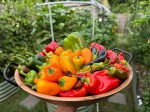
Many peppers can be harvested green, but allowing them to ripen fully often results in sweeter flavor, richer color, and higher vitamin content.
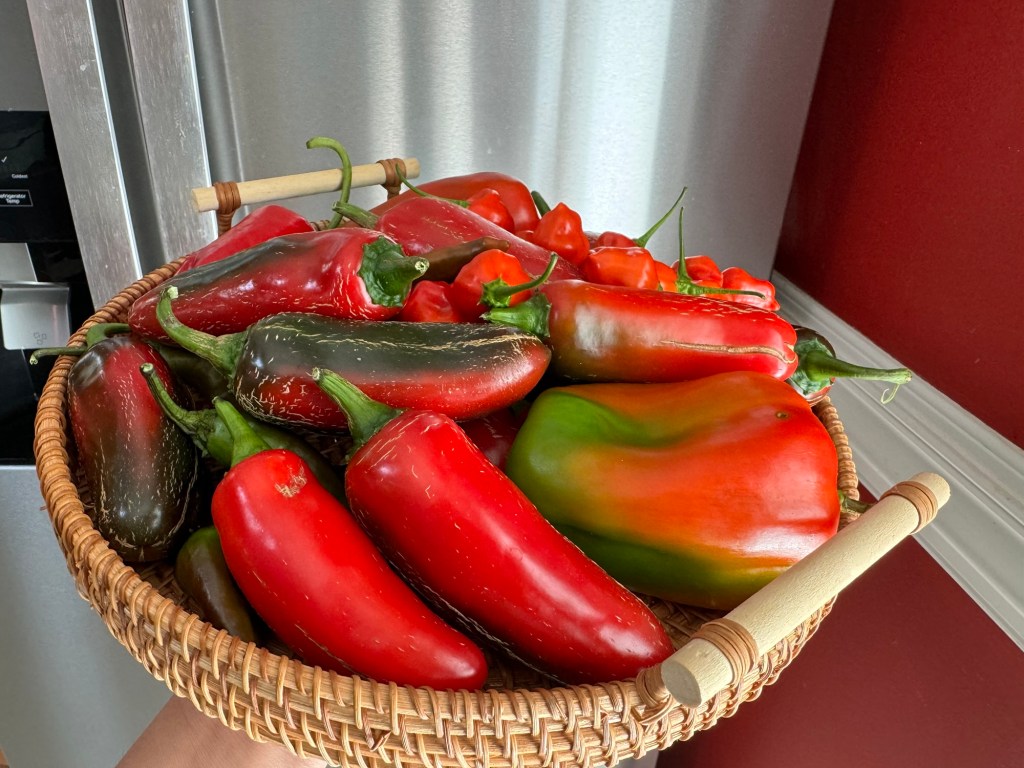
Personally, I love letting my jalapeños turn red before harvesting. They’re a little sweeter, slightly hotter, and perfect for roasting, hot sauce, or pickling.
Use clean pruners or scissors when harvesting to avoid damaging branches.
Growing Peppers in Containers
Don’t have a large garden?
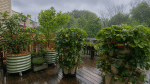
Peppers grow exceptionally well in containers.
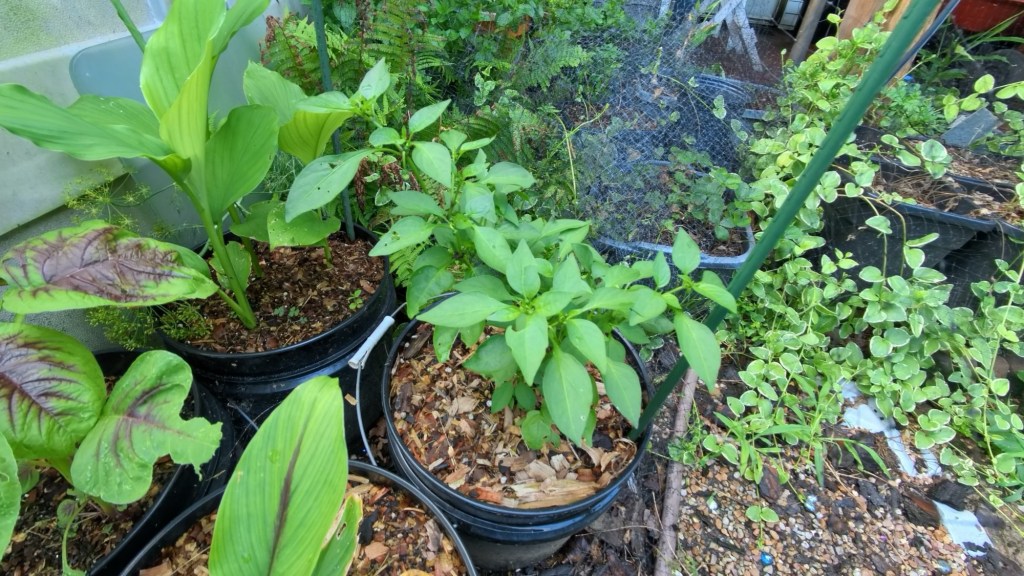
Choose a pot that’s at least 5 gallons with good drainage, use a high-quality potting mix, and water more frequently than you would plants growing in raised beds.
Container-grown peppers are perfect for patios, balconies, and small-space gardens.
Final Thoughts
Growing peppers doesn’t have to be complicated.
Give them warmth, sunshine, healthy soil, consistent watering, and a little fertilizer, and they’ll reward you with months of colorful harvests.
One of the things I enjoy most about growing peppers is how productive they are. Even a few plants can provide enough peppers for fresh eating, grilling, stuffing, pickling, freezing, and making homemade hot sauce.
If you’re just starting your garden, peppers are definitely a crop worth growing. With a little patience early in the season, you’ll be harvesting baskets of peppers before you know it.
 Gingerfoot Garden
Leave a comment