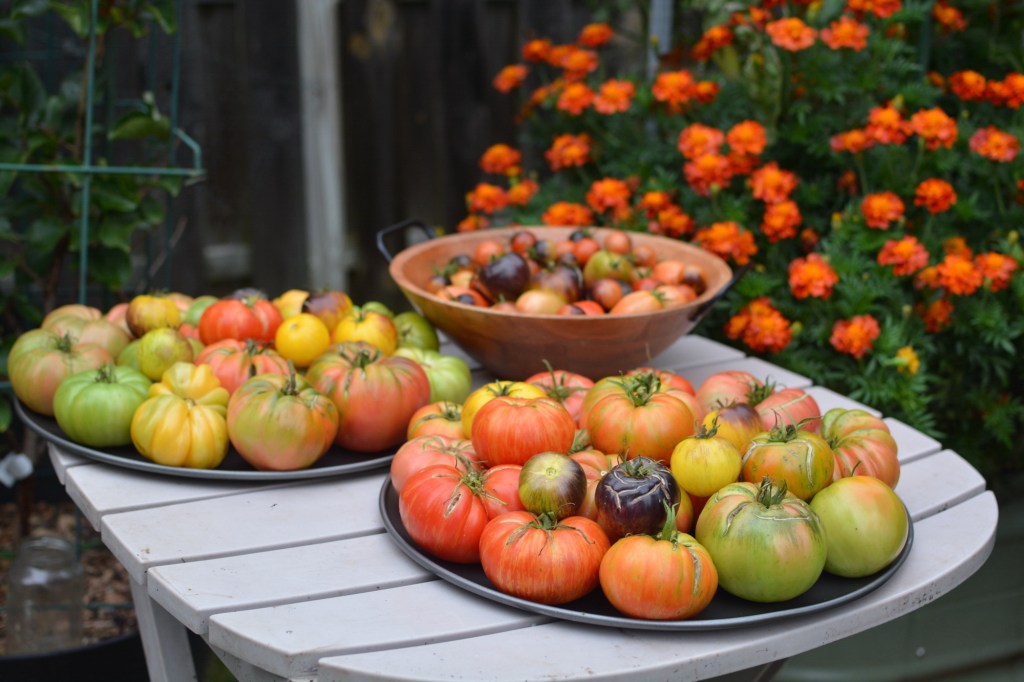
There’s nothing quite like picking your first ripe tomato of the season.
After weeks—or even months—of watering, fertilizing, supporting, and watching your plants grow, seeing that first tomato change color is incredibly exciting.
But one question often comes up:
How do you know when it’s the right time to harvest?
Harvest too early, and the fruit may not have developed its full flavor.
Wait too long, and you risk cracked fruit, insect damage, or tomatoes dropping from the vine.
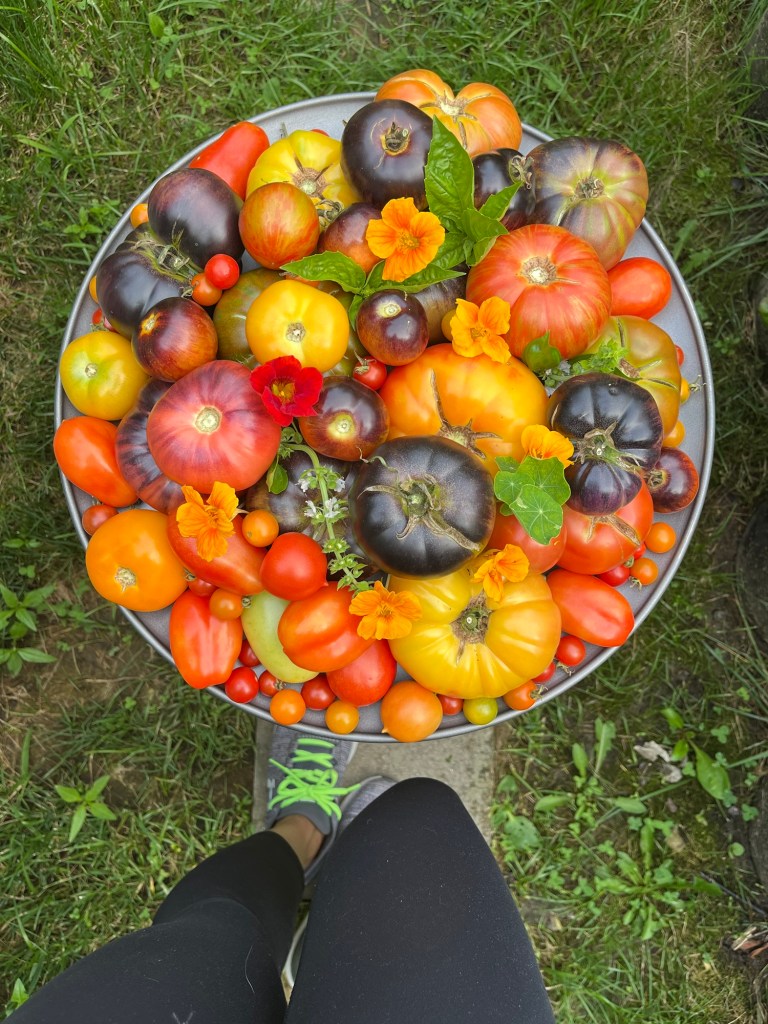
Thankfully, tomato plants usually give us plenty of clues when they’re ready.
Here’s how I know when it’s time to harvest my tomatoes.
Color Is the First Clue
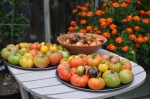
The easiest sign that a tomato is ripening is its color.
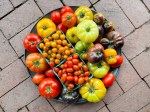
Each variety has its own mature color, so don’t assume every ripe tomato should be bright red.
Depending on what you’re growing, ripe tomatoes may be:
- Red
- Yellow
- Orange
- Pink
- Purple
- Green (for green-when-ripe varieties)
- Striped or bi-colored
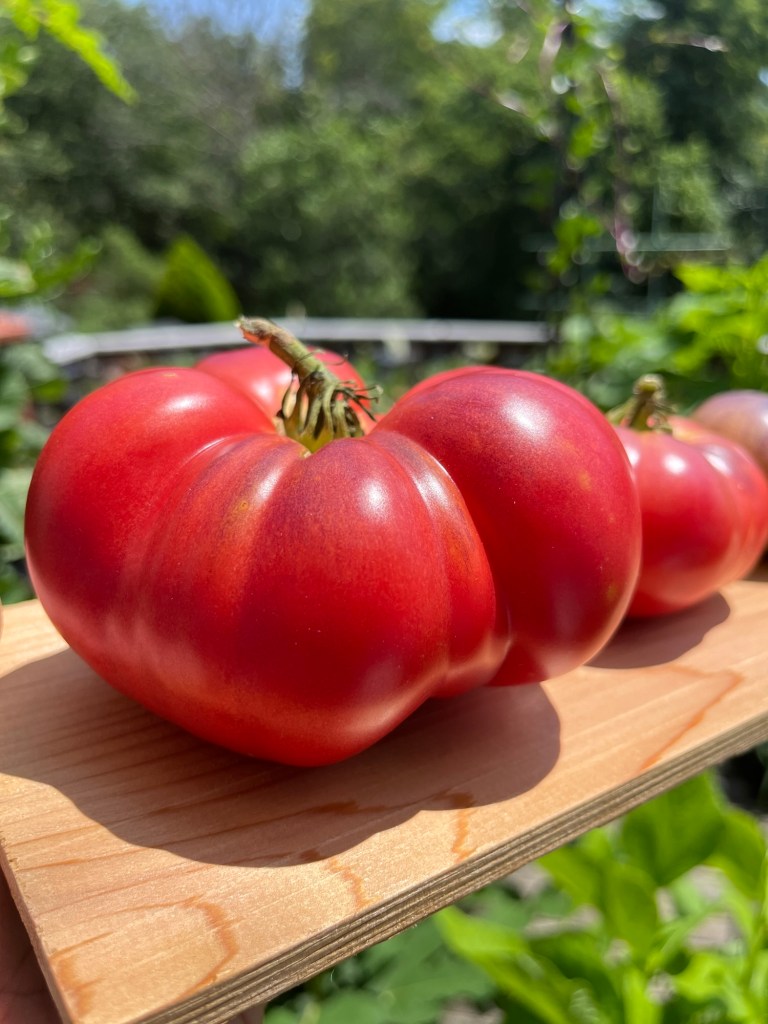
Get familiar with the expected color of your variety so you’ll know what to look for.
Gently Check the Firmness
A ripe tomato should feel slightly soft when gently squeezed.
It shouldn’t be hard like an unripe tomato, but it also shouldn’t feel mushy.
Think of the firmness of a ripe peach or avocado that’s ready to eat.
If the tomato still feels very firm, giving it another day or two on the vine can often improve its flavor.
It Should Separate Easily
One of my favorite ways to check ripeness is simply lifting the fruit gently.
A ripe tomato usually separates from the vine with very little effort.
If you find yourself pulling hard, it’s probably not ready yet.
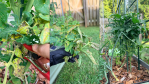
For larger varieties, I often use clean pruners or scissors to avoid accidentally snapping a branch.
Should You Harvest Tomatoes Before They’re Fully Ripe?
The answer depends on your situation.
If birds, squirrels, cracking, or heavy rain are common problems in your garden, harvesting tomatoes at the breaker stage can be a smart option.
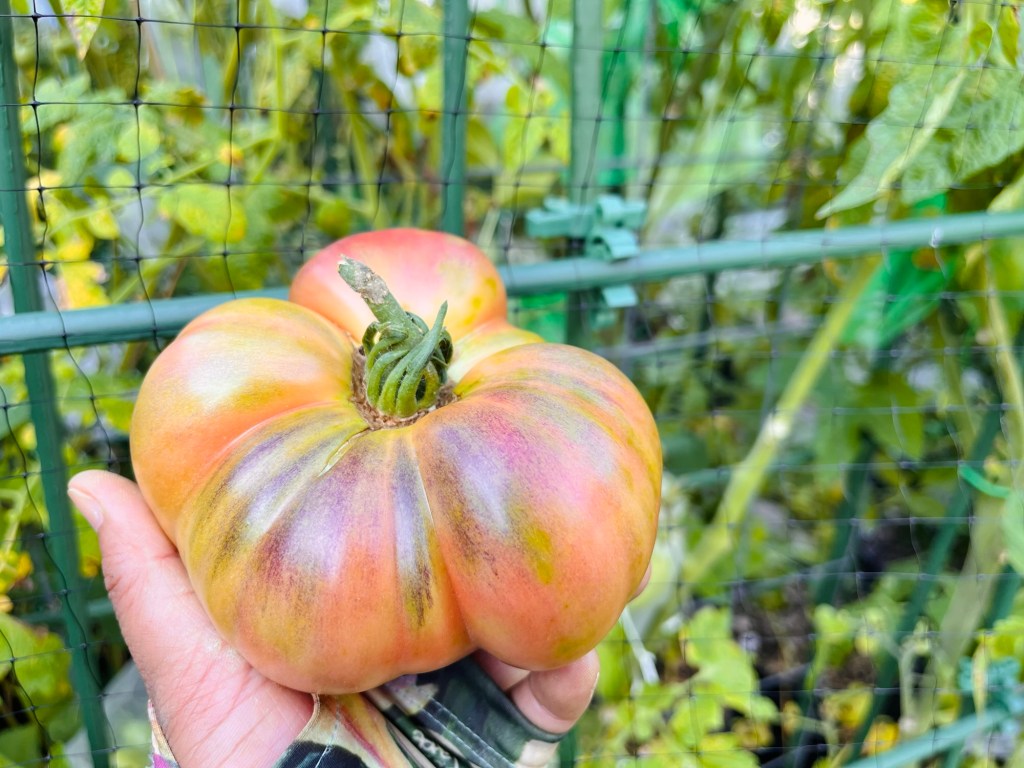
The breaker stage is when the fruit first begins changing from green to its mature color, usually showing about 30–50% color.
At this point, the tomato has already reached full size and will continue ripening indoors.
I occasionally do this when storms are in the forecast or when I notice wildlife showing too much interest in my tomatoes.
Avoid Waiting Too Long
It’s tempting to leave every tomato on the vine until it’s perfectly ripe.
Sometimes that’s the right choice.
But during periods of heavy rain, intense heat, or high pest pressure, fully ripe tomatoes can quickly develop problems such as:
- Cracking
- Splitting
- Bird damage
- Insect feeding
- Rot
Harvesting a little earlier is often better than losing the fruit altogether.
Harvest Frequently
Once tomatoes begin ripening, I make it a habit to check the plants every day or two.
Regular harvesting has several benefits:
- Reduces the chance of overripe fruit.
- Makes harvesting easier.
- Encourages you to spot pests or diseases early.
- Keeps the garden tidy.
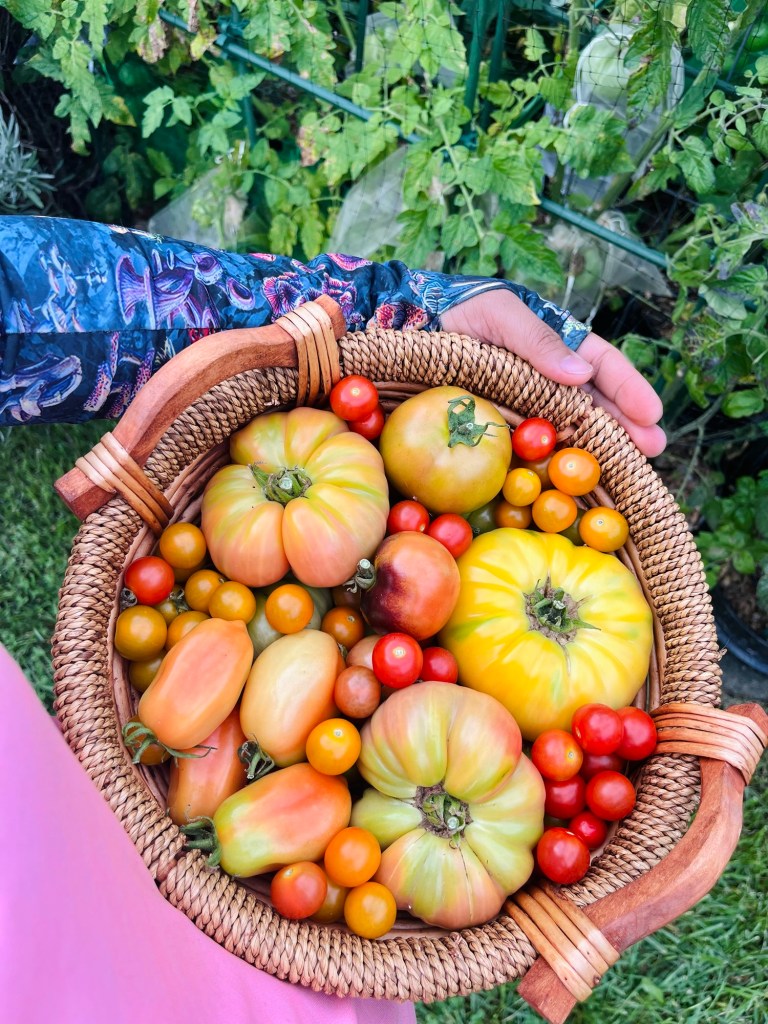
It also means there are always fresh tomatoes ready for the kitchen.
What If Frost Is Coming?
Toward the end of the season, it’s common to have green tomatoes still hanging on the vines.
If frost is expected, harvest them before temperatures drop too low.
Many green tomatoes will continue ripening indoors if they’ve reached mature size.
The rest can be used in recipes like fried green tomatoes, relishes, or pickles.
How to Store Fresh Tomatoes
One of the biggest mistakes people make is putting fresh tomatoes straight into the refrigerator.
Cold temperatures can affect both flavor and texture.
Instead, store ripe tomatoes at room temperature until you’re ready to use them.
Only refrigerate them if they’re becoming overripe and you need a little extra time before using them.
If you do refrigerate tomatoes, let them return to room temperature before eating to help restore some of their flavor.
What to Do with Extra Tomatoes
One of the best problems a gardener can have is more tomatoes than they can eat fresh.
Some of my favorite ways to preserve the harvest include:
- Freezing whole tomatoes
- Making pasta sauce
- Salsa
- Tomato soup
- Diced tomatoes for future recipes
- Oven-roasted tomatoes
- Dehydrated tomatoes
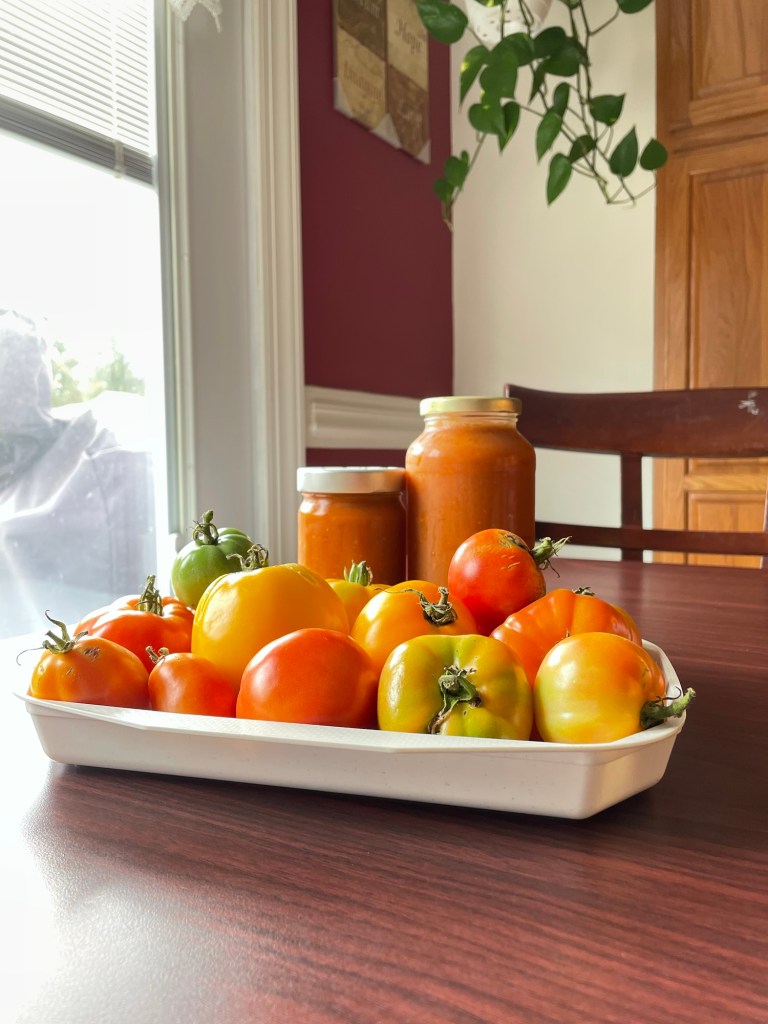
Preserving the harvest lets you enjoy the taste of summer long after the season ends.
Common Tomato Harvest Mistakes
Here are a few mistakes I’ve learned to avoid:
- Waiting too long to harvest ripe fruit.
- Pulling tomatoes roughly from the vine.
- Refrigerating fresh tomatoes too soon.
- Assuming every variety turns red when ripe.
- Ignoring tomatoes after storms or heatwaves.
A little observation goes a long way toward harvesting tomatoes at their peak.
Final Thoughts
Harvesting tomatoes is one of the most rewarding moments in the garden.
After months of caring for your plants, finally picking a sun-ripened tomato makes all the work worthwhile.
I’ve learned that there’s no perfect day to harvest every tomato. Instead, I watch the color, feel the fruit, and pay attention to the weather. Sometimes I leave tomatoes on the vine a little longer for maximum flavor. Other times, I harvest them at the breaker stage to protect them from storms or wildlife.
The more seasons you grow tomatoes, the easier it becomes to recognize when they’re ready.
Before long, you’ll be harvesting with confidence—and enjoying some of the freshest, most flavorful tomatoes you’ve ever tasted.
Let’s Grow Together
How do you decide when your tomatoes are ready to harvest?
Do you leave them to ripen fully on the vine, or do you pick them at the breaker stage?
I’d love to hear your tomato harvesting tips and favorite varieties in the comments below.
If you found this guide helpful, be sure to explore my other tomato-growing articles, seasonal garden updates, and practical gardening tips for growing more food at home.








 Gingerfoot Garden
Leave a comment