November often feels like the end of the gardening season, but experienced gardeners know it’s actually the beginning of next year’s success.
Although growth slows dramatically, the work you do this month pays dividends in spring. Garlic develops stronger roots, compost enriches your soil over winter, and protecting your remaining vegetables can extend your harvest by several weeks.
In my Maryland Zone 7 garden, November is usually a slower month. Most summer vegetables are finished, but cool-season crops are still producing, garlic planting is underway, and I’m already thinking about next year’s garden.
Here’s what I recommend doing in your Zone 7 garden this November.
1. Plant Garlic
November is one of the best months to plant garlic in Zone 7.
Planting after the first few frosts but before the ground freezes allows cloves to establish roots without producing much top growth.
For the best harvest:
- Choose your largest, healthiest cloves.
- Plant them 2–3 inches deep.
- Space cloves 6 inches apart.
- Mulch heavily after planting.
Saving your biggest bulbs from this year’s harvest is one of the easiest ways to grow larger garlic next season.
Related Reading:
- How to Grow Garlic
- When to Harvest Garlic
- How to Cure and Store Garlic
2. Continue Harvesting Cool-Season Vegetables
Many vegetables continue producing well into November.
Depending on your weather, you may still harvest:
- Kale
- Collards
- Spinach
- Bok choy
- Napa cabbage
- Swiss chard
- Carrots
- Beets
- Radishes
- Turnips
- Green onions
Many leafy greens actually become sweeter after experiencing light frosts.
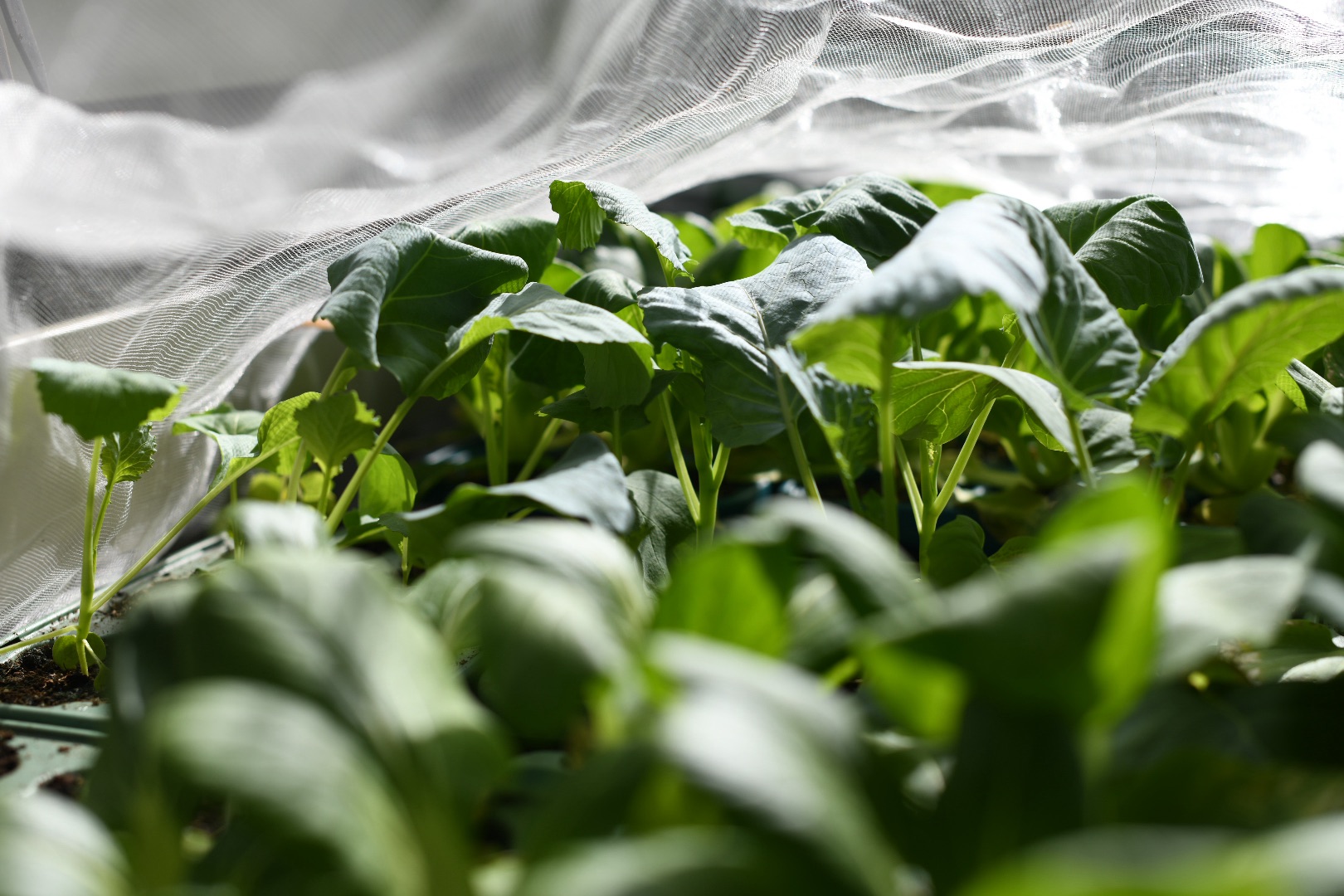
3. Protect Crops from Hard Freezes
While light frosts usually aren’t a problem for many cool-season vegetables, hard freezes can damage crops.
Protect plants with:
- Frost blankets
- Row covers
- Low tunnels
- Cold frames
- Mini greenhouses
- Clear plastic totes (with daytime ventilation)
Even simple protection can extend your harvest for several more weeks.
4. Plant Spring-Flowering Bulbs
If you enjoy early spring color, November is an excellent month to plant bulbs such as:
- Tulips
- Daffodils
- Crocuses
- Hyacinths
- Alliums
Plant them before the ground freezes for beautiful blooms next spring.
5. Add Compost to Empty Beds
As beds become empty, spread a layer of compost across the soil.
Winter weather helps break organic matter down while earthworms and beneficial microbes continue improving the soil beneath the surface.
Healthy soil is built year-round—not just during planting season.
6. Mulch Garden Beds
Applying mulch now offers several benefits:
- Protects soil from erosion
- Reduces winter weeds
- Moderates soil temperatures
- Improves moisture retention
- Feeds soil organisms as it decomposes
Great mulch choices include:
- Shredded leaves
- Straw
- Pine needles
- Compost
- Wood chips (around perennial areas)
7. Collect and Save Leaves
Don’t throw away your fall leaves.
Leaves are one of the best free resources for gardeners.
Use them to:
- Make leaf mold
- Add to compost piles
- Mulch garden beds
- Feed worms
- Store for next year’s compost
A pile of leaves today becomes rich compost in the future.
8. Continue Composting
Your compost pile slows down during cold weather but doesn’t stop working.
Continue adding:
Greens
- Vegetable scraps
- Coffee grounds
- Fresh garden trimmings
Browns
- Dry leaves
- Cardboard
- Paper
- Straw
Even if decomposition slows, everything will resume breaking down as temperatures warm.
9. Clean and Store Garden Equipment
Before winter fully arrives:
- Clean hand tools
- Sharpen pruners
- Drain hoses
- Empty sprayers
- Wash seed trays
- Store pots
- Organize garden supplies
Taking care of your tools now saves time next spring.
10. Protect Containers
Container plants experience colder root temperatures than plants growing in the ground.
Protect containers by:
- Moving them against a wall
- Wrapping pots with insulation
- Grouping containers together
- Watering occasionally during dry periods
- Covering sensitive plants during severe cold
Hardy perennial herbs and berries benefit from this extra protection.
11. Water When Needed
Even though temperatures are cooler, plants still need water.
If rainfall has been limited:
- Water newly planted garlic.
- Water trees and shrubs before the ground freezes.
- Check containers regularly.
- Avoid allowing soil to become completely dry.
Moist soil helps plants survive winter better than extremely dry soil.
12. Review This Year’s Garden
One of the most valuable gardening tasks doesn’t require a shovel.
Take time to reflect on:
- Which vegetables performed best?
- Which varieties struggled?
- Where did pests become a problem?
- Which planting dates worked well?
- What changes would you make next year?
Keeping simple garden notes can dramatically improve future harvests.
November Garden Checklist
✔ Plant garlic
✔ Harvest cool-season vegetables
✔ Protect crops from freezes
✔ Plant spring bulbs
✔ Add compost
✔ Mulch garden beds
✔ Save fallen leaves
✔ Continue composting
✔ Clean garden tools
✔ Protect containers
✔ Water during dry spells
✔ Review this year’s garden
Final Thoughts
November may seem quiet compared to the busy months of summer, but it’s one of the most important times to invest in next year’s garden. Planting garlic, enriching your soil, protecting your remaining crops, and preparing your garden for winter all help create a healthier, more productive growing season ahead.
Rather than thinking of November as the end of gardening, think of it as the first chapter of next year’s success.
Related Articles
Keep learning with these helpful guides:
- What to Plant in November (Zone 7 Guide)
- How to Grow Garlic at Home
- What Is Compost and Why Every Gardener Should Make It
- Sustainable Pest Management Without Harmful Chemicals
- How to Protect Vegetables from Frost
- How to Prepare Your Garden for Winter
- Garden Planning Tips for Next Year’s Vegetable Garden
- Winter Gardening in Zone 7
- How to Mulch Your Vegetable Garden
- Beginner’s Guide to Composting


Leave a Reply