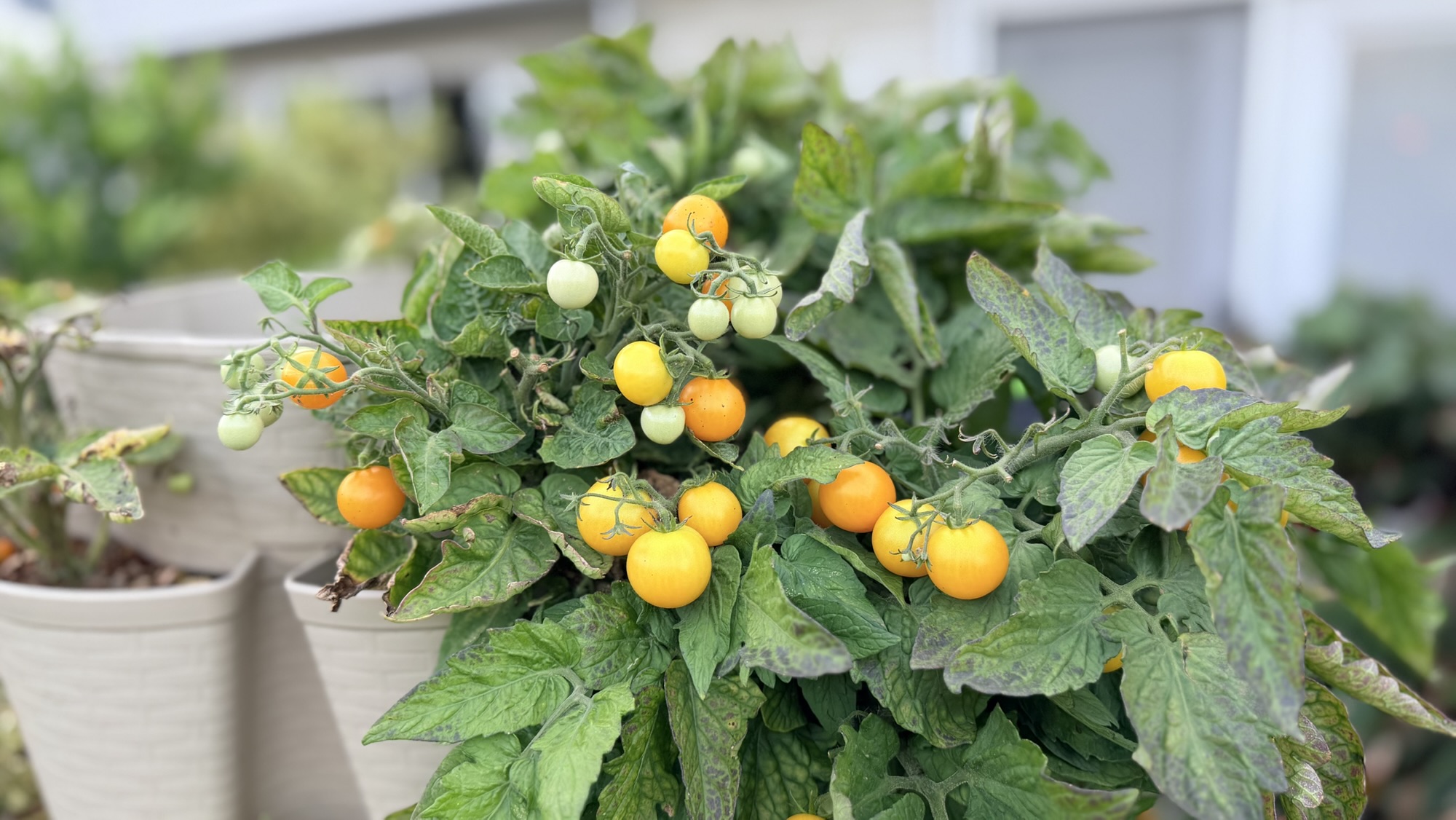
September is one of my favorite transition months in the garden. Here in Zone 7, the intense heat of summer is beginning to ease, but the garden is far from finished. Warm-season vegetables may still be producing while cool-season crops are just getting started.
For gardeners in Maryland and other Zone 7 areas, September is an important month for harvesting summer vegetables, planting fall crops, cleaning up struggling plants, preparing for cooler weather, and even getting a head start on next year’s garden.


If you’re wondering what to do in your garden in September in Zone 7, here are some of the most important gardening tasks to add to your list.
1. Keep Harvesting Your Summer Vegetables
Don’t give up on the summer garden just yet!
Tomatoes, peppers, eggplants, beans, cucumbers, squash, and other warm-season crops can continue producing well into September as long as the weather stays warm.

Harvest regularly to encourage plants to continue producing.
Keep an especially close eye on:
- Tomatoes
- Peppers
- Eggplants
- Bush and pole beans
- Cucumbers
- Summer squash
- Melons
- Herbs
September weather can also bring more moisture, temperature fluctuations, and shorter days, so fruits may take longer to ripen than they did during the peak of summer.
At this point in the season, I also start paying attention to which plants are still productive and which ones are simply taking up valuable garden space.
2. Remove Summer Plants That Are Finished Producing
September is a good time to start cleaning up the summer garden little by little.
You don’t have to clear everything at once.
Remove plants that are:
- Dead or severely declining
- No longer producing
- Heavily damaged by pests
- Severely affected by disease
- Taking up space needed for fall crops

Healthy plant material can usually go into the compost pile. However, I prefer to dispose of heavily diseased plants rather than adding them to my home compost.
Clearing finished plants also improves airflow and makes room for fall vegetables.
3. Plant Cool-Season Vegetables
One of the biggest September gardening tasks in Zone 7 is planting the fall garden.
September’s cooler temperatures are ideal for many leafy greens and other cool-season vegetables.
Depending on your local first frost date and the variety’s days to maturity, you may still be able to plant:
- Lettuce
- Spinach
- Bok choy
- Tatsoi
- Mizuna
- Arugula
- Kale
- Collard greens
- Mustard greens
- Green onions
- Turnips
- Beets
- Cilantro
- Parsley

Fast-growing leafy greens are especially useful for filling empty spaces left behind by summer crops.
Before planting, always check the seed packet for days to maturity and compare it with your area’s expected first frost date.
Don’t Rely on Your USDA Zone Alone
Remember that USDA Hardiness Zones are based primarily on average annual minimum winter temperatures. They don’t tell you exactly when your first frost will occur.
Two gardeners in Zone 7 can have different frost dates.
For fall planting, your average first frost date is often more useful than your hardiness zone.
4. Transplant Fall Brassicas
If you started fall seedlings earlier in the summer, September may be a good time to transplant them into the garden.
Depending on your timing and local climate, this can include:
- Broccoli
- Cabbage
- Cauliflower
- Kale
- Collards
- Kohlrabi
- Napa cabbage
Here in Maryland, one of the challenges with fall gardening is that we sometimes have to start cool-season vegetables while it still feels very much like summer.
Young transplants may appreciate some afternoon shade during unusually hot September days.
Keep them consistently watered while their roots become established.
5. Protect Fall Crops From Pests
Cooler weather doesn’t automatically mean pest season is over.
Cabbage worms, cabbage loopers, flea beetles, slugs, aphids, and other pests can still cause plenty of damage to young fall vegetables.

I especially like using insect netting or row covers over brassicas and leafy greens.
The important part is to cover the plants before pests become established.
Check underneath the covers regularly because slugs and other pests can sometimes find their way inside.
6. Keep Watering the Garden
September may feel cooler, but your plants still need water.
Recently planted seeds and young transplants are especially vulnerable to drying out because their root systems are still small.
Check the soil instead of watering strictly according to a schedule.
Containers and raised beds may dry faster than in-ground gardens, especially during warm or windy weather.
Water deeply when necessary and try to water near the base of the plants rather than frequently wetting the foliage.
7. Refresh Your Garden Soil
Summer vegetables are heavy feeders, and several months of growing can leave garden soil depleted.
When removing finished crops, I like to take the opportunity to prepare the space before planting something new.
You can:
- Add finished compost
- Top-dress with worm castings
- Remove weeds
- Loosen compacted surface soil
- Add an appropriate fertilizer if needed
- Top up raised beds where the soil level has dropped

You don’t need to replace your raised bed or container soil every season. Adding organic matter and replenishing nutrients will help prepare existing soil for another round of crops.
8. Add Mulch Around Fall Crops
Mulch isn’t just useful during summer.
A layer of mulch can help:
- Retain soil moisture
- Reduce weeds
- Moderate soil temperature
- Protect soil from heavy rain
- Insulate roots as temperatures begin dropping
Just avoid piling mulch directly against plant stems.
As we move deeper into fall, mulch becomes even more useful for protecting cold-hardy crops.
9. Continue Monitoring for Tomato Problems
By September, tomato plants often look very different from the lush plants we had earlier in summer.
Older leaves may yellow naturally, but tomatoes can also develop problems from:
- Nutrient deficiencies
- Early blight
- Septoria leaf spot
- Pest damage
- Heat stress
- Inconsistent watering
- Other fungal or bacterial diseases
Remove severely damaged foliage when appropriate and continue monitoring plants that are still producing.
At some point, keeping a struggling tomato plant alive may no longer be worth the space—especially when that space could be used for fall vegetables.
10. Start Paying Attention to the First Frost Date
September is when I start watching nighttime temperatures more closely.
Zone 7 doesn’t have one universal first frost date, so look up the average first frost for your specific location.
Remember that an average frost date is only a guideline. Frost can arrive earlier or later in any given year.
Knowing your approximate frost date helps you decide:
- Whether a crop still has enough time to mature
- When to harvest tender vegetables
- When to prepare frost covers
- When to move tropical plants indoors
- When to stop planting certain crops
This is especially important when squeezing in one last succession planting.
11. Get Your Frost Protection Ready
You may not need frost protection yet, but September is a great time to make sure you know where everything is.
I like having things such as frost blankets, hoops, clips, and covers ready before I actually need them.
When an unexpected cold night appears in the forecast, I don’t want to be searching for my frost cloth in the dark!
Cold-tolerant vegetables can often handle chilly temperatures, but frost protection can help extend the growing season considerably.
12. Bring Houseplants and Tropical Plants Inside Before Cold Weather
If you’ve moved tropical plants outdoors for summer, start thinking about when they will need to come back inside.
Plants such as citrus and calamansi should be moved or protected well before freezing temperatures arrive.
Before bringing plants indoors:
- Inspect the leaves and stems for pests.
- Check underneath the leaves.
- Look around the soil and drainage holes.
- Remove dead or damaged foliage.
- Treat pest problems before bringing the plants inside.
The last thing you want is to bring an outdoor pest population into your house.
Gradually transitioning plants can also help reduce stress from the sudden change in light and temperature.
13. Plant or Plan Your Fall Garlic
Garlic is one of those crops that makes you think months ahead.
In Zone 7, garlic is generally planted in fall so it can establish roots before winter and resume vigorous growth in spring.
September is a good time to:
- Decide which varieties you’re growing
- Order seed garlic if necessary
- Choose your planting location
- Prepare the soil
- Add compost
- Plan your spacing
You don’t necessarily need to rush to plant it at the beginning of September. Timing varies by location and weather, and many Zone 7 gardeners plant garlic later in fall.
14. Plan for Fall Onions and Shallots
Depending on the variety and your growing method, fall can also be a time to establish onions or shallots.
Variety selection matters because onion growth is strongly influenced by day length.
Choose varieties suited to your region and planting season rather than assuming every onion variety will perform the same way.
Fall-planted onions may also benefit from protection during unusually cold weather.
15. Keep Weeding
Weeds haven’t received the message that summer is ending.
Removing weeds before they flower and produce seeds can save you a lot of work next year.
September is also a convenient time to weed because cooler temperatures make working outside much more comfortable.
Pay special attention to weeds growing around young fall seedlings. Small vegetables shouldn’t have to compete with established weeds for water, nutrients, sunlight, and space.
16. Collect and Save Seeds
If you have open-pollinated varieties you loved this year, September can be a great time to save seeds.
Depending on what you’re growing, you may be able to collect seeds from:
- Beans
- Lettuce
- Herbs
- Flowers
- Tomatoes
- Peppers

Seed-saving methods vary by crop, so learn the proper method before storing them.
Make sure seeds are completely dry before storage, and label everything with the variety and year.
Trust me—you probably won’t remember which mystery envelope contained which variety six months from now!
17. Keep Adding to the Compost Pile
September garden cleanup can produce plenty of compostable material.
Healthy leaves, spent plants, weeds that haven’t gone to seed, and other garden debris can become valuable organic matter for future gardens.
Combine those nitrogen-rich “green” materials with carbon-rich “brown” materials such as dry leaves and shredded cardboard.
And with autumn approaching, we’re about to get one of the best free compost ingredients of the year: fallen leaves.
18. Take Notes About This Year’s Garden
Before you forget everything that happened this summer, write it down.
September is a great time to record:
- Which varieties performed well
- Which plants struggled
- Where pest problems occurred
- Which vegetables your family actually ate
- Which crops produced too much
- Which crops you wished you had grown more of
- What you want to plant differently next year
Photos can be incredibly helpful too.
Gardening teaches us something every season, and keeping notes makes it easier to turn those lessons into better decisions next year.
19. Start Planning Next Year’s Garden
Yes, I’m already talking about next year!
You don’t need to create a complete garden plan in September, but this is a great time to start thinking about it while this year’s successes and challenges are still fresh in your mind.
Ask yourself:
What was worth the space?
In a small garden, this question is especially important.
I would rather dedicate valuable garden space to vegetables we genuinely enjoy eating than grow something simply because gardeners are “supposed” to grow it.
A productive garden isn’t necessarily the garden that grows the most plants.
It’s the garden that grows what works for you.
20. Enjoy the September Garden
September can feel like a strange month in the garden.
Summer isn’t completely over, but fall is clearly on its way.
You’re harvesting tomatoes while planting lettuce. You’re removing exhausted summer plants while watching new fall seedlings emerge. You’re thinking about frost while peppers are still ripening.
That’s what makes September gardening in Zone 7 so interesting.
The growing season doesn’t suddenly stop when summer ends. It simply changes.
With a little planning, September can become one of the most productive months of your gardening year.
September Garden Checklist for Zone 7
Here’s a quick checklist to help you stay on track:
- Harvest remaining summer vegetables regularly
- Remove finished or diseased plants
- Plant fast-growing fall vegetables
- Transplant cool-season seedlings
- Protect brassicas and greens from pests
- Keep newly planted crops consistently watered
- Add compost and replenish tired garden soil
- Mulch fall crops
- Monitor tomatoes and other aging summer plants
- Check your local average first frost date
- Prepare frost covers and row covers
- Inspect tropical plants before bringing them indoors
- Prepare beds for garlic
- Plan fall onions and shallots
- Keep weeds under control
- Save seeds from favorite varieties
- Add healthy garden debris to the compost
- Take notes about this year’s successes and failures
- Start planning next year’s garden
- Enjoy the transition into fall
Final Thoughts
September isn’t the end of the gardening season in Zone 7. For many of us, it’s the beginning of an entirely different season of growing.
Here in Maryland, I use September as a transition month—continuing to harvest the warm-season garden while gradually making room for leafy greens, brassicas, and other cool-weather crops.
The biggest lesson is not to garden by the calendar alone. Pay attention to your local weather, first frost date, soil conditions, and what your plants are telling you.
Every year is a little different.
And that’s part of what keeps gardening interesting.
Related Articles
- What to Plant in September in Zone 7
- Understanding USDA Hardiness Zones
- Understanding Frost Dates
- Composting for Beginners
- Compost vs. Fertilizer: What’s the Difference?
- How to Grow Garlic
- How to Grow Napa Cabbage
- How to Grow Green Onions
- Vegetable Gardening in Maryland


Leave a Reply