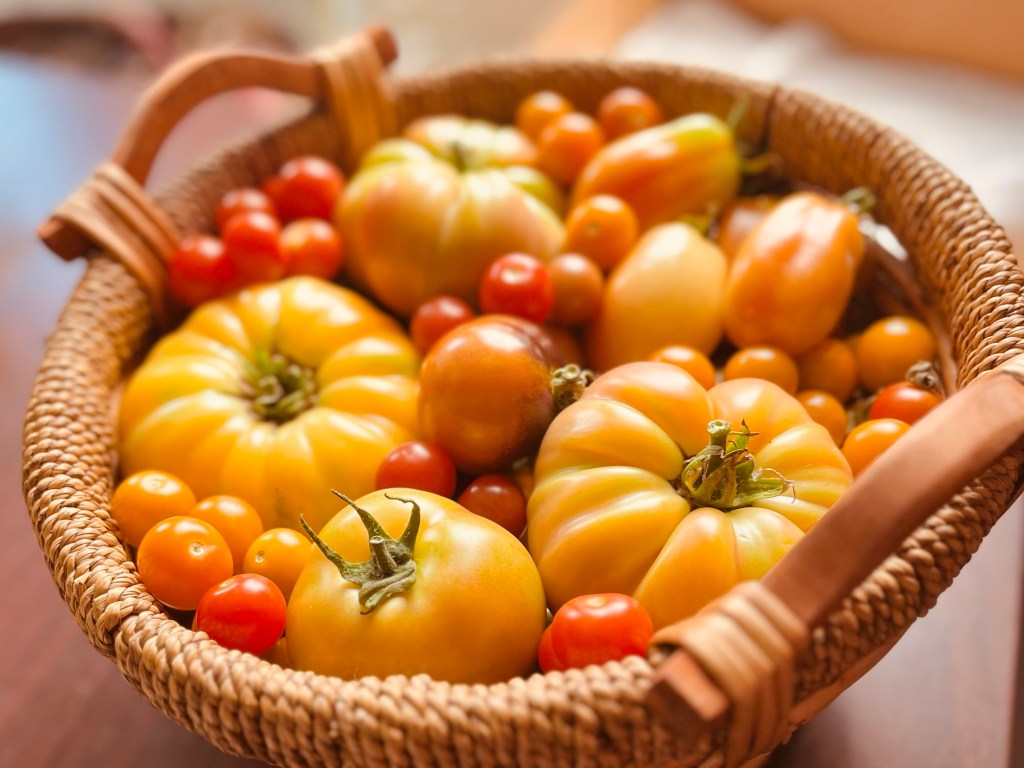
Have you ever dreamed of picking a tomato straight from the vine or harvesting fresh herbs just a few steps from your kitchen?
If you’re new to gardening, it can feel like there’s so much to learn. Soil, fertilizers, watering schedules, sunlight, pests—it can seem overwhelming before you’ve even planted your first seed.
The good news?
You don’t need to know everything to grow your first successful garden.
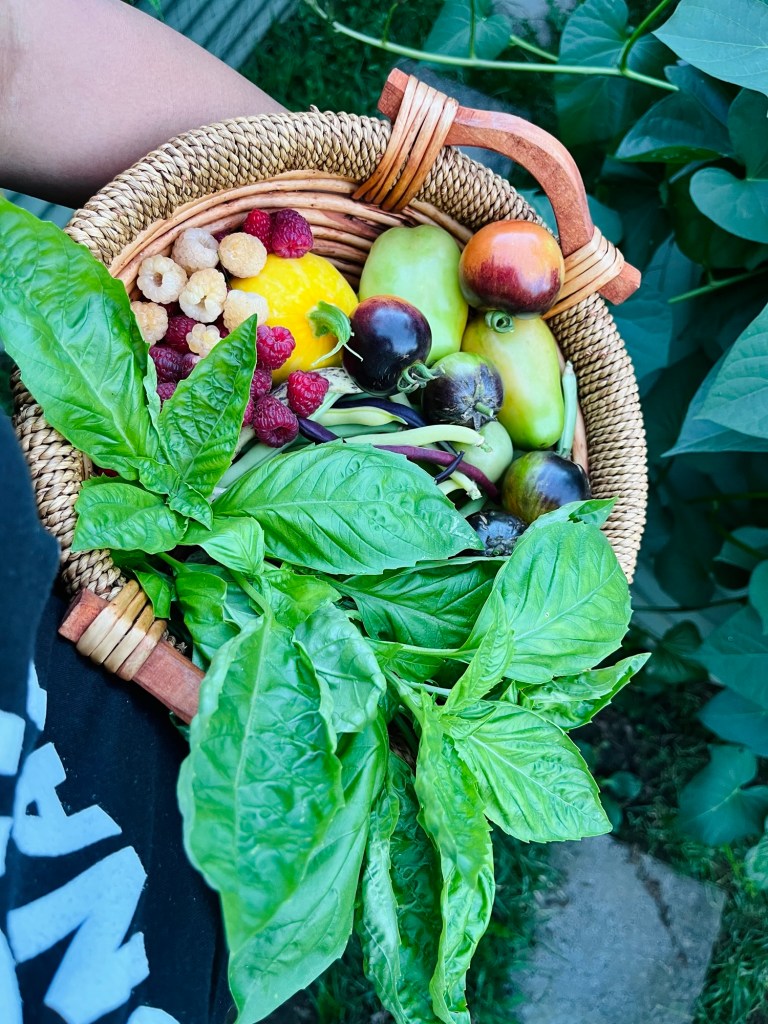
Every experienced gardener started exactly where you are now. Plants are incredibly forgiving, and you’ll learn something new every season.
Whether you have a backyard, a small patio, or just a sunny balcony, this guide will walk you through everything you need to know to confidently start growing food at home.
Why Start a Vegetable Garden?
Gardening offers so much more than fresh vegetables.
You’ll enjoy:
- Fresh, homegrown produce
- Better-tasting fruits and vegetables
- Lower grocery bills
- Daily outdoor exercise
- Less food waste
- A relaxing hobby that reduces stress
- The satisfaction of harvesting something you grew yourself

One of my favorite moments each season is harvesting vegetables for dinner just minutes before we eat. There is simply nothing quite like it.
Step 1: Start Small
One of the biggest mistakes beginners make is trying to grow everything at once.
It’s exciting walking through a garden center or seed catalog, but resist the temptation.
Instead, start with just:
- 3–5 vegetable varieties
- One raised bed or a few containers
- Vegetables your family actually enjoys eating
You’ll build confidence much faster by managing a small garden well than a large garden that becomes overwhelming.
Step 2: Choose the Right Location
Most vegetables love sunshine.
Look for an area that receives:
- At least 6–8 hours of direct sunlight
- Good drainage
- Easy access to water
- Convenient access so you’ll actually visit it daily
If your yard doesn’t receive enough sun, don’t worry.
Many herbs and leafy greens tolerate partial shade much better than tomatoes or peppers.
Related Reading: How Much Sun Does a Vegetable Garden Need?
Step 3: Decide Where You’ll Grow
There isn’t one perfect way to garden.
Choose what fits your space.
Raised Beds
Great for:
- Backyards
- Better soil control
- Improved drainage
- Easier maintenance
Containers
Perfect for:
- Apartments
- Patios
- Decks
- Small spaces
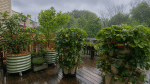
Container gardening can be surprisingly productive when plants receive enough sunlight and consistent watering.
Related Reading: Raised Beds vs. Containers: Which Is Better?
Step 4: Start with Easy Crops
Success builds confidence.
Choose vegetables that are forgiving and productive.
Some excellent beginner vegetables include:
- Lettuce
- Bush beans
- Radishes
- Green onions
- Spinach
- Kale
- Swiss chard
- Cucumbers
- Zucchini (if you have space)
Herbs are also fantastic beginner plants:
- Basil
- Chives
- Parsley
- Cilantro
- Thyme
These crops grow quickly and provide frequent harvests.
Step 5: Give Plants Healthy Soil
Healthy plants begin with healthy soil.
Think of soil as your plant’s pantry.
Good garden soil should be:
- Rich in organic matter
- Loose and crumbly
- Well-draining
- Able to hold moisture without staying soggy
Adding compost every season is one of the best things you can do for your garden.
Related Reading: How to Build Healthy Garden Soil from the Start
Step 6: Water Correctly
Many beginners accidentally kill plants by watering too much instead of too little.
A few simple guidelines:
- Water deeply rather than lightly.
- Water early in the morning.
- Water the soil—not the leaves.
- Check the soil before watering again.
Different plants have different water needs, but consistency is more important than perfection.
Step 7: Learn Before Fertilizing
Plants need nutrients to grow, but more fertilizer isn’t always better.
Most vegetables benefit from balanced feeding throughout the growing season.
Too much fertilizer can produce beautiful leaves with very little fruit.
Start with quality compost and add fertilizer only when your plants need it.
Step 8: Expect Some Problems
Every gardener deals with:
- Insects
- Diseases
- Bad weather
- Hungry wildlife
- Plants that simply don’t perform
That’s completely normal.
Gardening isn’t about having a perfect garden.
It’s about learning from each season.
Even experienced gardeners lose plants sometimes.
Step 9: Spend a Few Minutes in Your Garden Every Day
You don’t need hours.
Even 10–15 minutes each day makes a huge difference.
Daily visits help you:
- Catch pests early
- Notice weeds
- Water before plants wilt
- Harvest vegetables at their peak
- Enjoy watching your garden grow
Many problems are much easier to solve when caught early.
Step 10: Keep Learning
Gardening is a lifelong journey.
Each season teaches something new.
Instead of trying to master everything at once, focus on improving one skill every year.
Your first garden won’t be perfect—and it doesn’t need to be.
The goal isn’t perfection.
The goal is progress.
Beginner Gardening Checklist
✅ Choose a sunny location
✅ Start with a few easy vegetables
✅ Use healthy soil
✅ Water consistently
✅ Visit your garden daily
✅ Harvest often
✅ Learn from mistakes
✅ Have fun
Frequently Asked Questions
When is the best time to start a vegetable garden?
It depends on where you live. In most areas, spring is the ideal time to begin planting. Knowing your last average frost date helps determine when it’s safe to plant warm-season vegetables like tomatoes and peppers.
Can I grow vegetables without a backyard?
Absolutely.
Many vegetables grow beautifully in containers on patios, balconies, and even sunny decks.
How much time does gardening take?
A beginner garden usually requires only about 10–20 minutes a day for watering, harvesting, and checking on plants. Larger gardens naturally require more time. Don’t be surprised if you find yourself spending more than an hour in the garden. Time flies fast when you enjoy what you’re doing.
What vegetables should beginners avoid?
While you can grow anything you enjoy, crops like cauliflower, celery, and artichokes are generally more challenging for first-time gardeners. Starting with easier vegetables helps build confidence.
Do I need expensive gardening equipment?
Not at all.
A few basic hand tools, good soil, and a watering can or hose are enough to get started.
Final Thoughts
The best time to start gardening isn’t when you know everything.
It’s now.
Every tomato you harvest, every flower that blooms, and every lesson you learn will make you a better gardener next season.
Start small.
Be patient with yourself.
Celebrate every harvest, no matter how big or small.
Because every experienced gardener was once a beginner too.
Related Articles
As you continue learning, these beginner-friendly guides will help you build a strong foundation:
- 10 Gardening Mistakes Every Beginner Should Avoid
- The 4 Things Every Plant Needs to Thrive
- Choosing the Best Location for Your Vegetable Garden
- Raised Beds vs. Containers: Which Is Better?
- How Much Sun Does a Vegetable Garden Need?
- Understanding USDA Hardiness Zones
- How to Plan Your First Vegetable Garden
- How to Read a Seed Packet
- Direct Sowing vs. Transplanting: Which Should You Choose?
- How to Build Healthy Garden Soil from the Start
- Organic Gardening for Beginners
- Your First Year Vegetable Gardening Timeline


 Gingerfoot Garden
Leave a comment