When I planted my first vegetable garden, I thought growing plants would be simple.
Put a seed in the ground, water it, and wait for the harvest.
If only it were that easy.
Like every beginner gardener, I made plenty of mistakes. Some plants grew beautifully, while others struggled because I simply didn’t know any better. Looking back, most of those mistakes were completely avoidable.
The good news?
Gardening is very forgiving. Every season is a chance to learn, improve, and grow alongside your plants.
Here are ten of the most common beginner gardening mistakes—and how you can avoid them.
1. Starting Too Big
This is probably the biggest mistake new gardeners make.
It’s exciting to imagine growing tomatoes, peppers, cucumbers, pumpkins, herbs, strawberries, and flowers all in your first season.
Then reality sets in.
Everything needs watering, pruning, harvesting, and pest monitoring.
Suddenly your dream garden feels like another full-time job.
What to do instead
Start with:
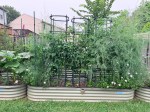
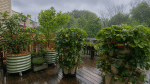
- One raised bed or a few containers
- 3–5 vegetables
- Crops your family actually enjoys eating
You’ll enjoy gardening much more if your garden feels manageable.
2. Planting in Too Much Shade
Most vegetables love sunshine.
Many beginners unknowingly choose a convenient location instead of the sunniest one.
Unfortunately, tomatoes growing in four hours of sun rarely produce like those growing in eight.
What to do instead
Choose a location that receives:
- At least 6–8 hours of direct sunlight
- Good air circulation
- Easy access to water
Leafy greens tolerate partial shade better than fruiting vegetables like peppers and tomatoes.
3. Watering Too Much
Many new gardeners believe more water equals healthier plants.
In reality, overwatering is one of the fastest ways to damage roots.
Wet soil contains less oxygen, and roots can eventually rot.
What to do instead
Instead of watering every day:
- Check the soil first.
- Water deeply.
- Allow the surface to begin drying before watering again.
Consistency is more important than frequency.
4. Ignoring Soil Quality
Plants can only grow as well as the soil they’re planted in.
Poor soil often leads to slow growth, nutrient deficiencies, and disappointing harvests.
What to do instead
Build healthy soil by adding:
- Compost
- Organic matter
- A balanced fertilizer when needed
Healthy soil improves every season.
5. Planting Everything Too Close Together
Tiny seedlings don’t stay tiny for long.
Crowded plants compete for:
- Sunlight
- Water
- Nutrients
- Airflow
Poor airflow also encourages fungal diseases.
What to do instead
Try to follow spacing recommendations on the seed packet or plant label. I know this is quite hard to do in small space gardens but giving plants enough space can really make a difference. Eventually you can experiment with dense planting.
Although it may look empty at first, your plants will quickly fill the space.
6. Growing Vegetables You Don’t Eat
It’s tempting to grow every exciting vegetable you see online.
But if no one in your family enjoys eating eggplant or kale, you’ll probably end up wasting your harvest.
What to do instead
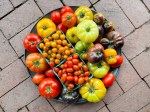
Grow foods you actually cook with.
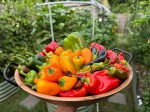
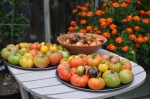
Your garden should support your kitchen—not just look beautiful.
7. Forgetting to Harvest
Many vegetables become less productive when mature fruits are left on the plant.
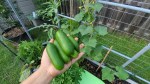
Beans, cucumbers, zucchini, peppers, and okra all produce more when harvested regularly.
What to do instead
Visit your garden every day if possible.
Frequent harvesting encourages many vegetables to continue producing.
8. Expecting a Perfect Garden
Social media often shows flawless gardens.
Real gardens have:
- Yellow leaves
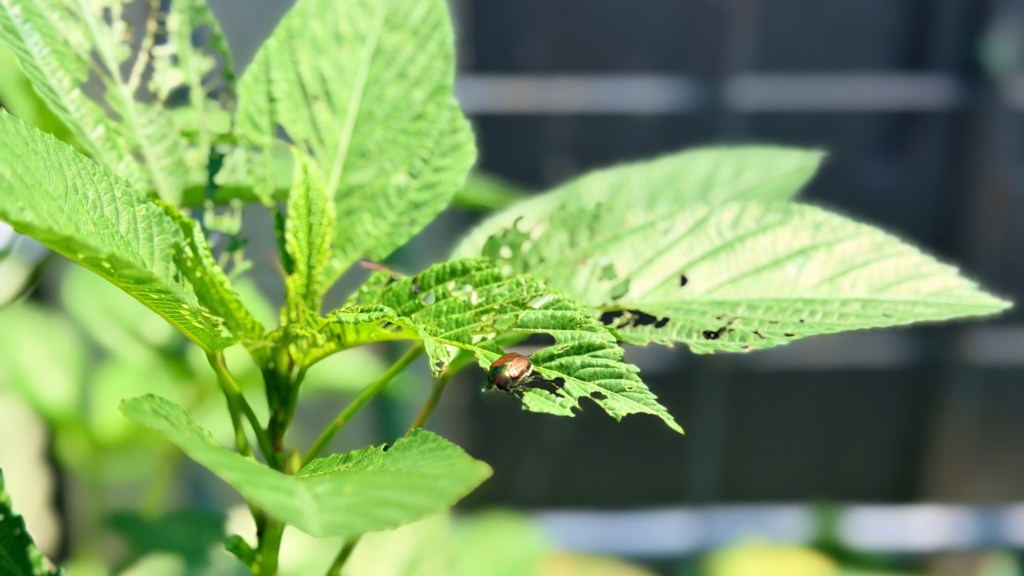
- Holes from insects
- Weeds
- Weather damage
- Plants that fail
Every gardener experiences these challenges.
What to do instead
View mistakes as part of the learning process.
Even experienced gardeners lose crops from time to time.
9. Ignoring Pests Until It’s Too Late
One day your plants look perfect.
A week later they’re covered in holes.
Small pest problems can become large ones surprisingly fast.
What to do instead
Spend just a few minutes checking your plants each day.
Look underneath leaves for:
- Caterpillars
- Aphids
- Beetles
- Eggs
- Disease spots
Early detection is your best defense.
10. Giving Up Too Soon
Perhaps the biggest mistake of all.
Every gardener has a disappointing season.
Weather changes.
Seeds fail to germinate.
Tomatoes crack.
Squash gets powdery mildew.
Plants die.
It happens to all of us.
What to do instead
Keep gardening.
Every season makes you a better gardener than the last.
The goal isn’t perfection—it’s learning.
Quick Tips for Beginner Success
✔ Start small.
✔ Grow vegetables you enjoy eating.
✔ Give plants enough sunlight.
✔ Improve your soil every season.
✔ Water consistently—not excessively.
✔ Visit your garden daily.
✔ Harvest often.
✔ Don’t compare your garden to anyone else’s.
✔ Learn from mistakes.
✔ Have fun.
Frequently Asked Questions
What is the biggest mistake beginner gardeners make?
Trying to do too much too soon. Starting with a small, manageable garden gives you time to learn and build confidence.
Is it better to overwater or underwater plants?
Neither is ideal, but overwatering is often more harmful because it can lead to root rot and other diseases. Always check the soil before watering.
Can vegetables recover from mistakes?
Many can! Plants are often more resilient than we think. Correcting issues early—such as improving watering habits or adding support—can help many vegetables bounce back.
How long does it take to become good at gardening?
Gardening is a lifelong learning experience, but you’ll gain confidence after just one growing season. Each year teaches new lessons.
Final Thoughts
If you’re new to gardening, don’t worry about getting everything right.
Every gardener has forgotten to water, planted something in the wrong spot, or lost a crop to pests. Those experiences are part of the journey.
The important thing is to keep learning, keep experimenting, and keep growing.
Your first garden doesn’t need to be perfect.
It just needs to be planted.
Related Articles
Continue building your gardening knowledge with these beginner-friendly guides:
- Gardening for Beginners: Everything You Need to Know to Get Started
- The 4 Things Every Plant Needs to Thrive
- Choosing the Best Location for Your Vegetable Garden
- Raised Beds vs. Containers: Which Is Better?
- How Much Sun Does a Vegetable Garden Need?
- How to Build Healthy Garden Soil from the Start
- How to Plan Your First Vegetable Garden
- How to Create a Simple Garden Maintenance Routine
- Organic Gardening for Beginners
- Your First Year Vegetable Gardening Timeline





 Gingerfoot Garden
Leave a comment