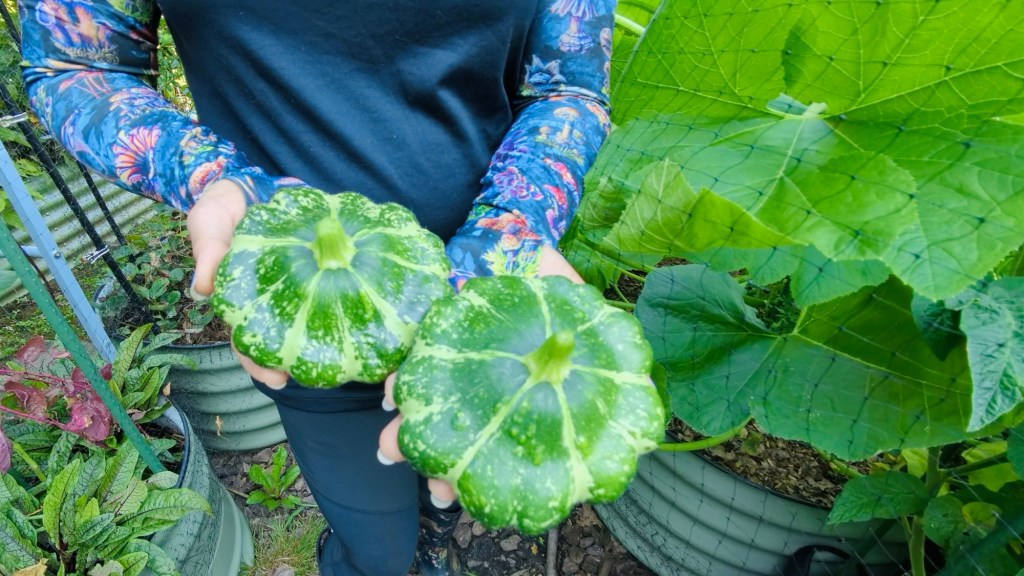
Summer squash is one of those vegetables that can make you feel like a successful gardener very quickly.
Once the plants get going, they seem to grow almost overnight. One day you have tiny blossoms, and just a few days later you’re harvesting squash for dinner. It’s one of the most productive crops I grow each year, and it’s surprisingly easy once you understand what the plants need.
For a long time, I assumed summer squash required a huge garden because of its sprawling vines and enormous leaves. As someone who gardens in a small space, I wasn’t sure I could justify giving up that much room.
That changed when I discovered that many varieties can be grown vertically.
Growing upward has completely transformed how I garden. It saves space, improves airflow, makes harvesting easier, and keeps the fruit cleaner.
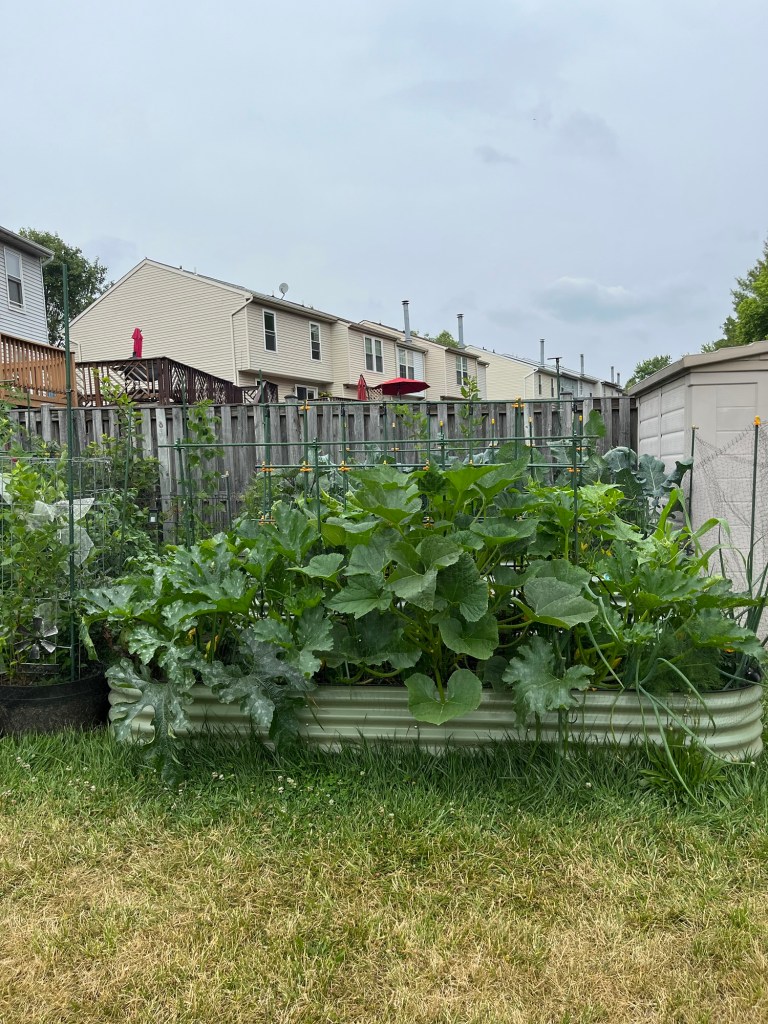
I’ve also found that growing summer squash in raised beds makes a big difference. Raised beds warm up faster in spring, provide better drainage, and allow me to control soil quality more easily—giving squash the rich, loose soil it thrives in.
Here’s everything I’ve learned about growing healthy, productive summer squash.
Choose the Right Variety
Summer squash comes in many shapes, sizes, and colors.
Some popular varieties include:
- Green zucchini
- Golden zucchini
- Yellow straightneck squash
- Yellow crookneck squash
- Pattypan squash
- Round zucchini
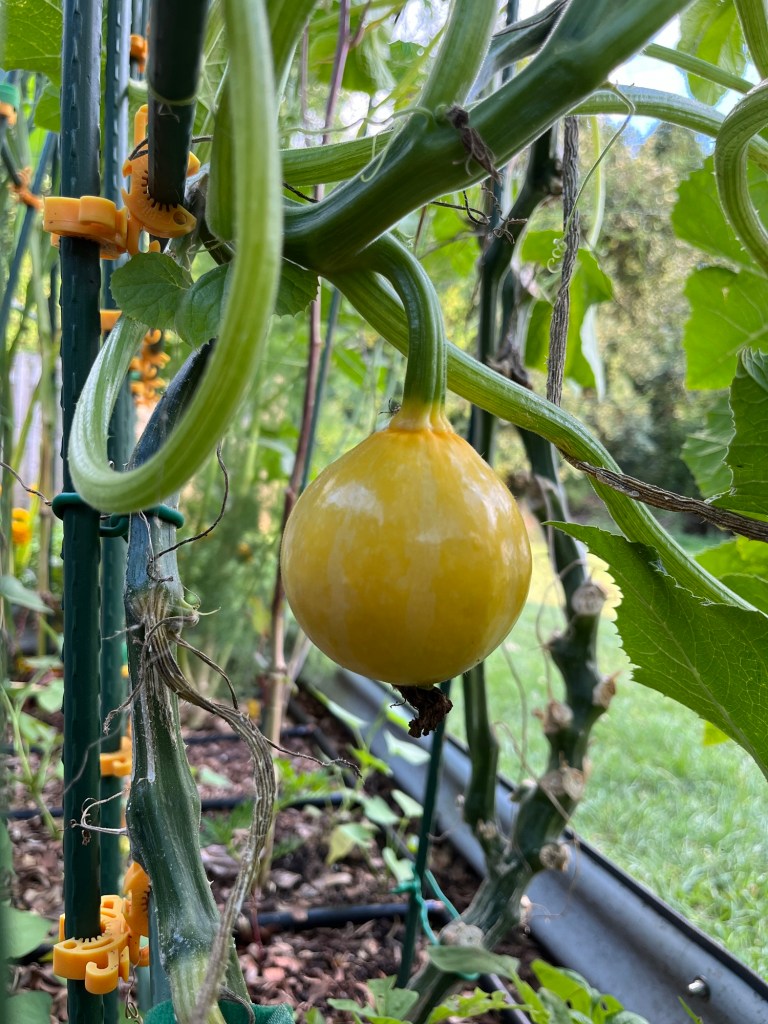
One of my favorites has been Golden squash. It’s incredibly vigorous, and growing it vertically makes harvesting much easier while helping me maximize my small garden.
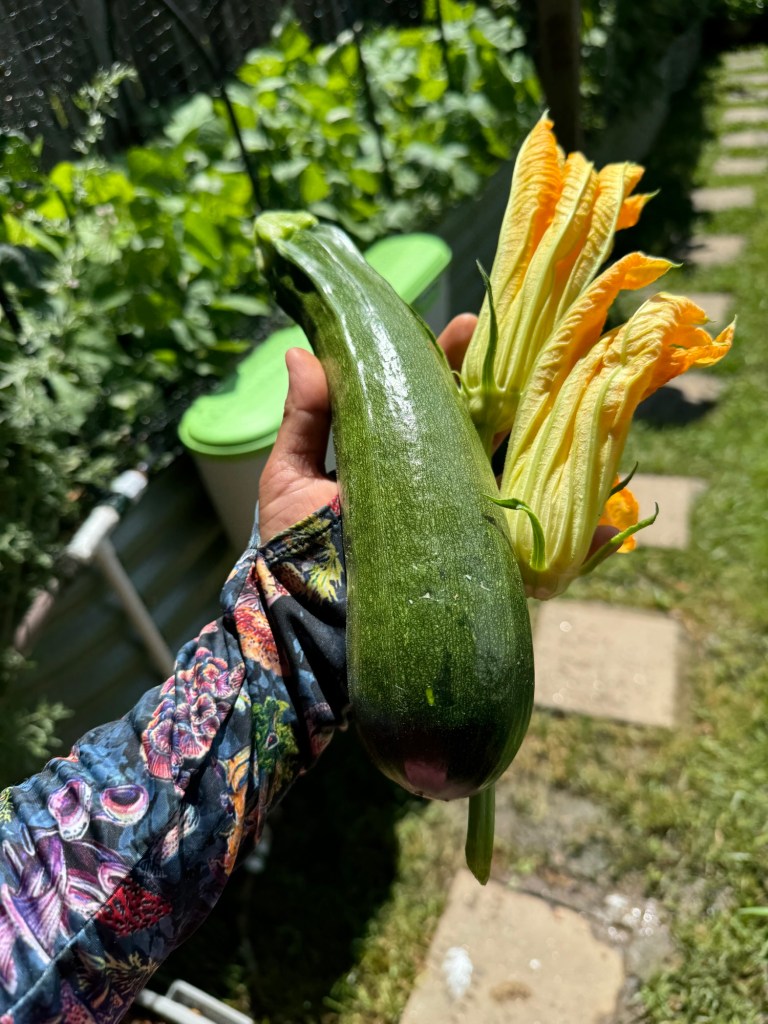
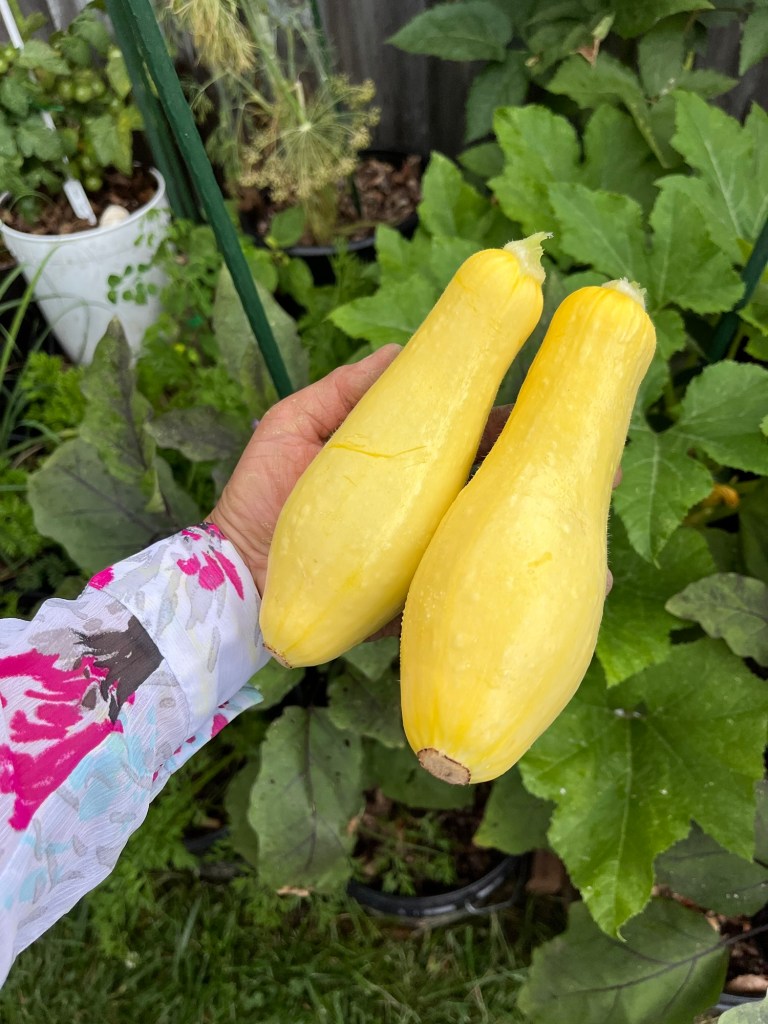
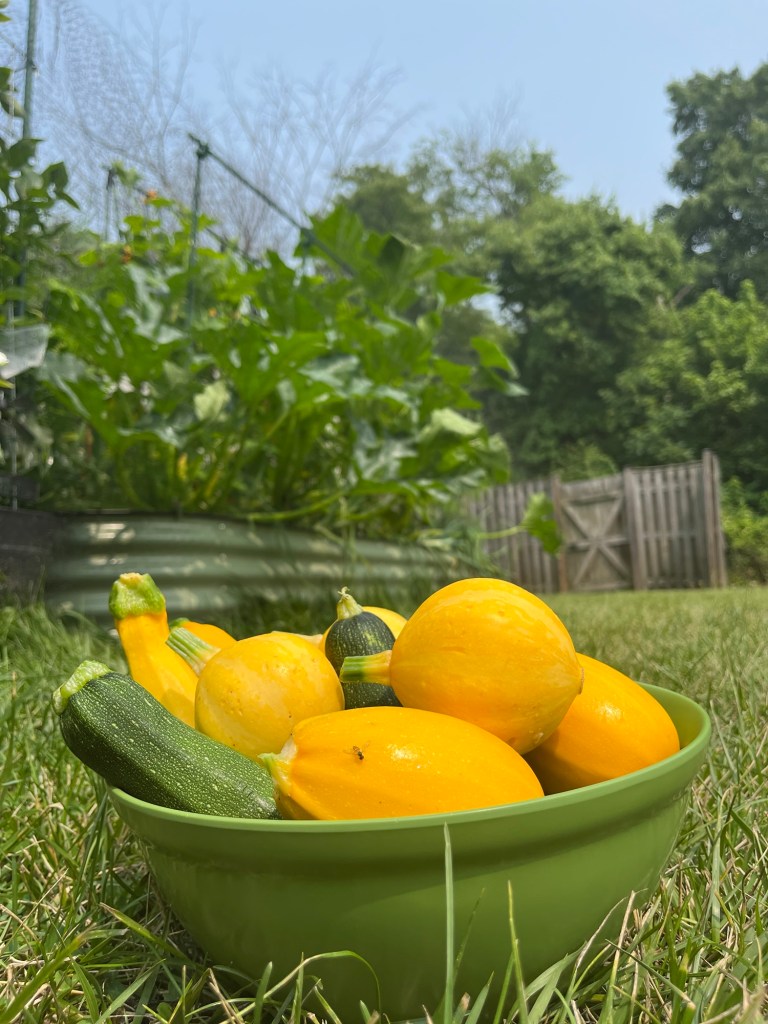
Choose varieties that match how you like to cook and the amount of space you have available.
Start from Seed
Summer squash grows quickly and usually doesn’t need to be started indoors.
I typically direct sow seeds after the threat of frost has passed and the soil has warmed.
Plant seeds about 1 inch deep and keep the soil evenly moist until they germinate.
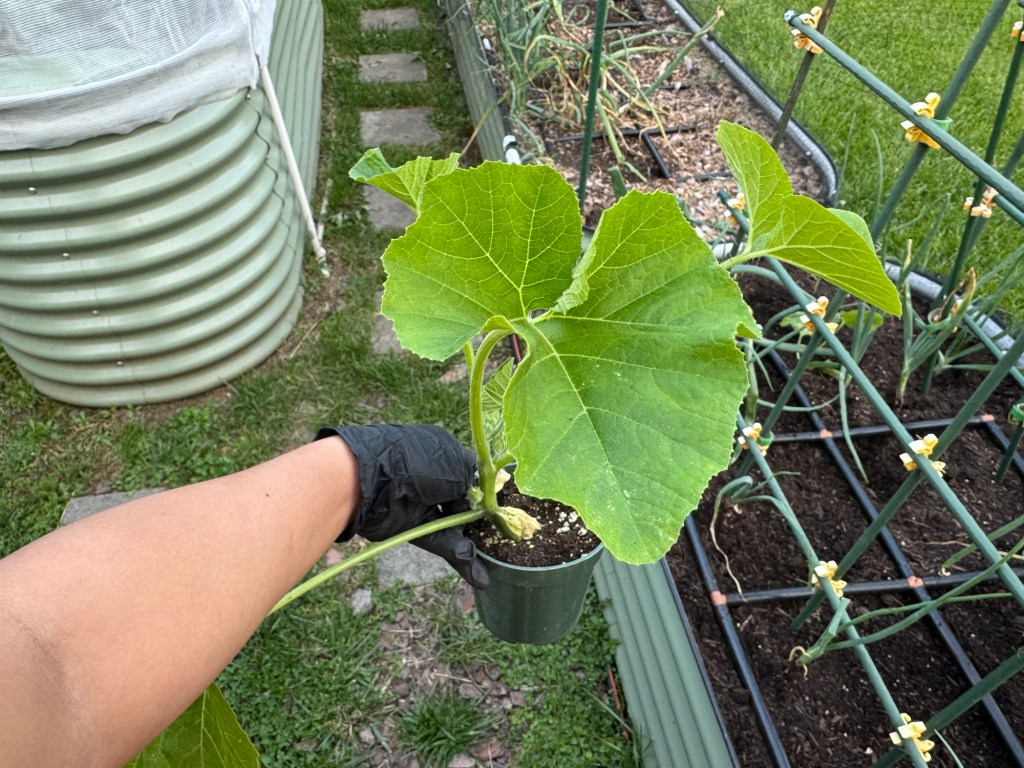
If you want an earlier harvest, you can start seeds indoors about 3–4 weeks before your last frost. Just be careful not to let them become root-bound before transplanting.
Wait for Warm Soil
Summer squash loves heat, so it’s important not to rush planting.
Wait until:
- All threat of frost has passed
- Soil temperatures are at least 60°F 16°C
- Nighttime temperatures remain consistently warm
Warm soil encourages faster germination and stronger early growth.
Give Plants Plenty of Sun
Summer squash needs full sun.
Choose a location that receives at least 6–8 hours of direct sunlight every day.
The more sunshine the plants receive, the more flowers and squash they’ll produce.
Plant in Rich, Fertile Soil
Summer squash grows rapidly and is a heavy feeder.
Before planting, I enrich my raised beds with compost and a balanced slow-release fertilizer.
Raised beds are ideal because they provide excellent drainage and make it easy to maintain loose, nutrient-rich soil that squash roots can spread through quickly.
Healthy, fertile soil supports vigorous growth and continuous harvests throughout the season.
Water Deeply
Large leaves mean summer squash uses a lot of water.
Rather than watering lightly every day, I water deeply whenever the soil begins to dry.
Water at the base of the plant whenever possible to keep the leaves dry and reduce the risk of fungal diseases.
Adding mulch around the plants also helps conserve moisture during hot Maryland summers.
Grow Vertically to Save Space
One of the biggest lessons I’ve learned is that summer squash doesn’t always have to sprawl across the garden.
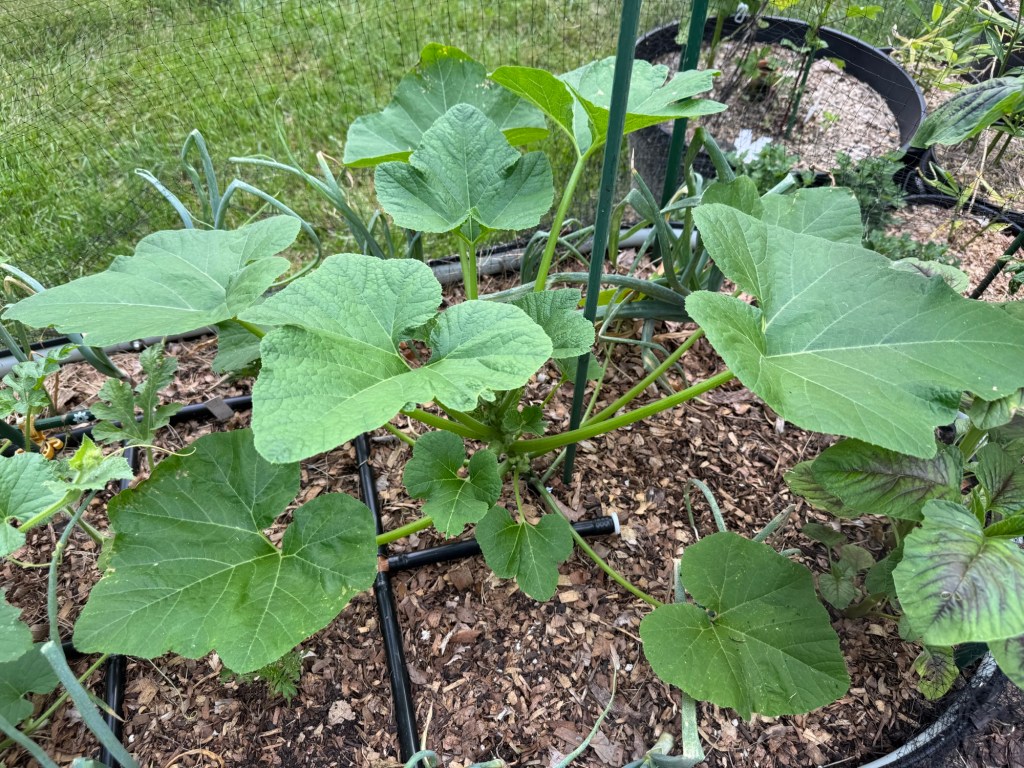
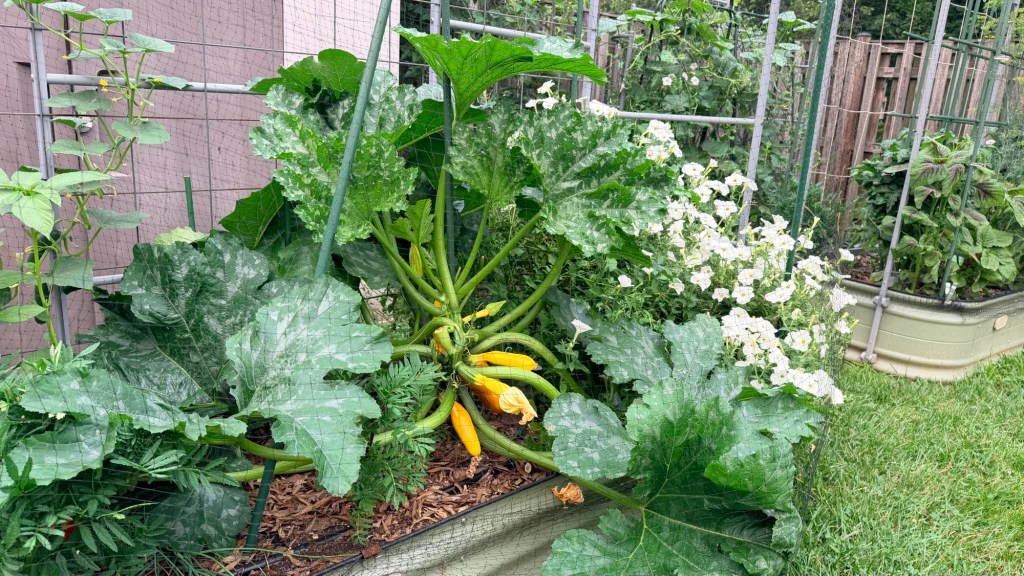
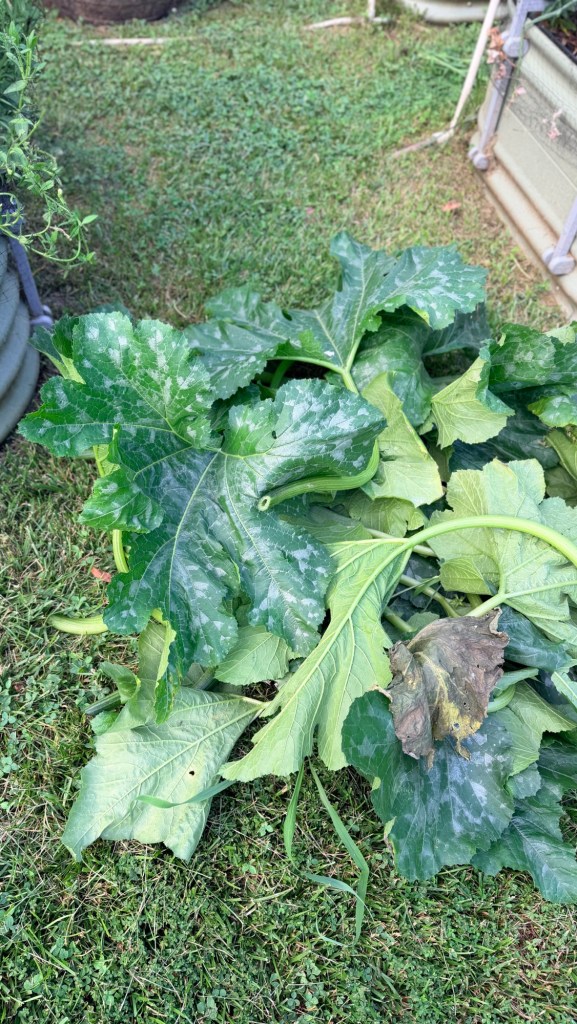
I grow many of mine vertically using sturdy stakes or trellises, especially in raised beds where space is limited.
Growing vertically offers several advantages:
- Saves valuable garden space
- Improves airflow
- Makes harvesting easier
- Keeps fruit cleaner
- Makes it easier to spot pests
As the plant grows, I simply tie the main stem to the support every few days.
It’s one of my favorite small-space gardening techniques.
Understand Male and Female Flowers
One thing that surprises many new gardeners is that not every flower becomes a squash.
Summer squash produces two types of flowers.
Male Flowers
Male flowers appear first and grow on long, thin stems.
Their job is to produce pollen.
Female Flowers
Female flowers have a tiny squash already forming behind the blossom.
These flowers need to be pollinated before the fruit continues growing.
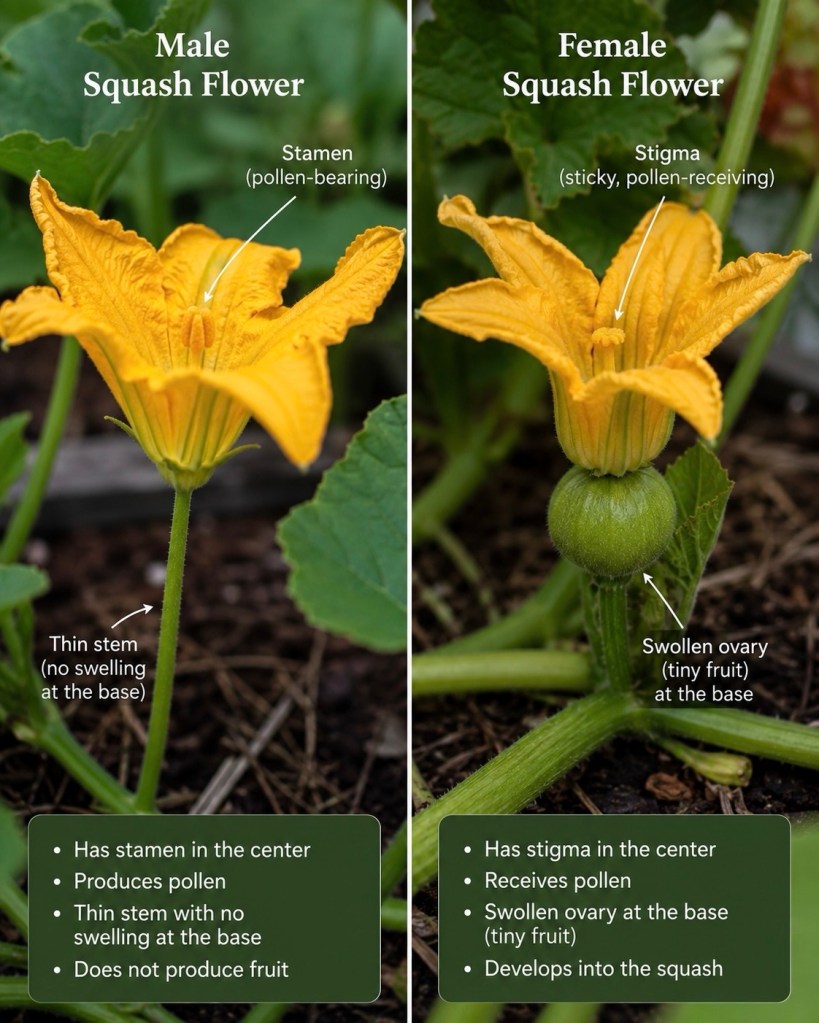
It’s perfectly normal to see the first few flowers drop before female flowers appear.
Hand Pollinate if Needed
Sometimes pollination doesn’t happen naturally.
Rain, extreme heat, or a lack of pollinators can all reduce fruit set.
If I notice tiny squash shrinking or falling off, I sometimes hand pollinate.
Simply remove a freshly opened male flower and gently brush its pollen onto the center of a female flower.
It’s quick, easy, and often improves production.
Harvest Young
Summer squash tastes best when harvested while still young and tender.
Waiting too long allows the fruit to become oversized with tougher skin and larger seeds.
Regular harvesting also encourages plants to continue producing throughout the season.
During peak summer, I often check my plants every day because squash grows incredibly fast.
Common Problems
Summer squash is generally easy to grow, but a few challenges are common.
Squash Vine Borers
These insects tunnel into stems and can quickly damage plants.
Row covers early in the season can help prevent squash vine borers from laying eggs. However, because squash plants grow large, covering them can be difficult and would require you to hand-pollinate.
Regular monitoring is my usual strategy. I inspect leaves and nearby plants frequently and remove any eggs I find.
Once the larvae are inside the stems, they can be difficult to control, but removing affected stems promptly can help reduce damage.
Squash Bugs
Squash bugs are notorious sap-sucking pests that target plants in the cucurbit family, including summer squash, pumpkins, and cucumbers.
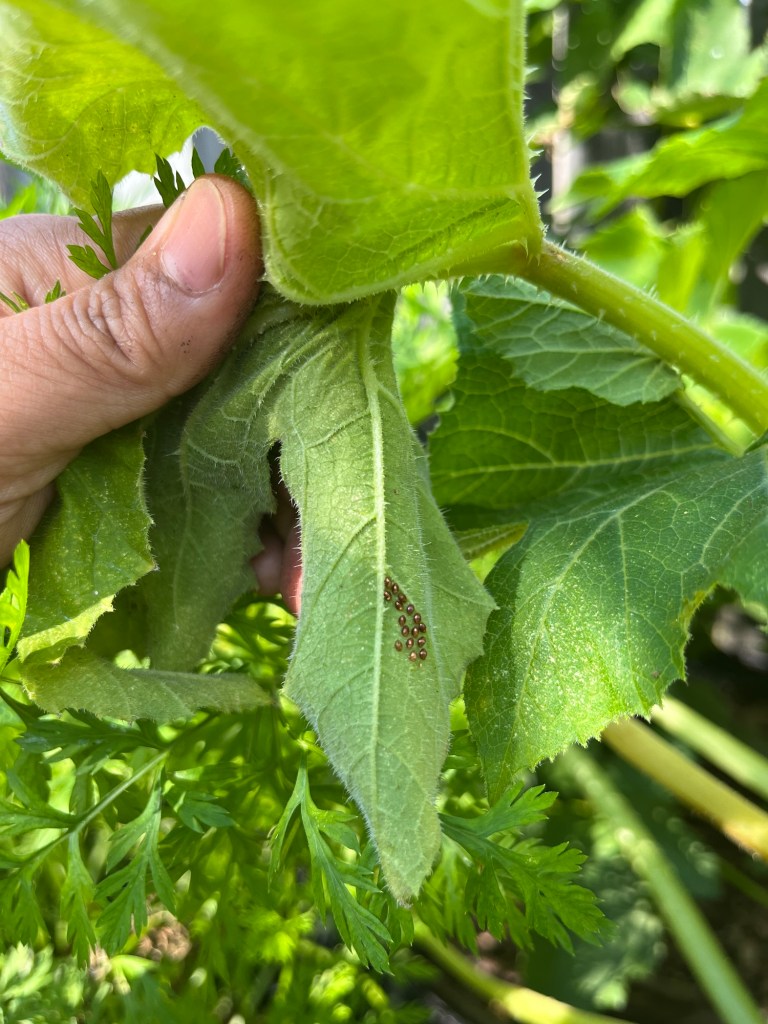
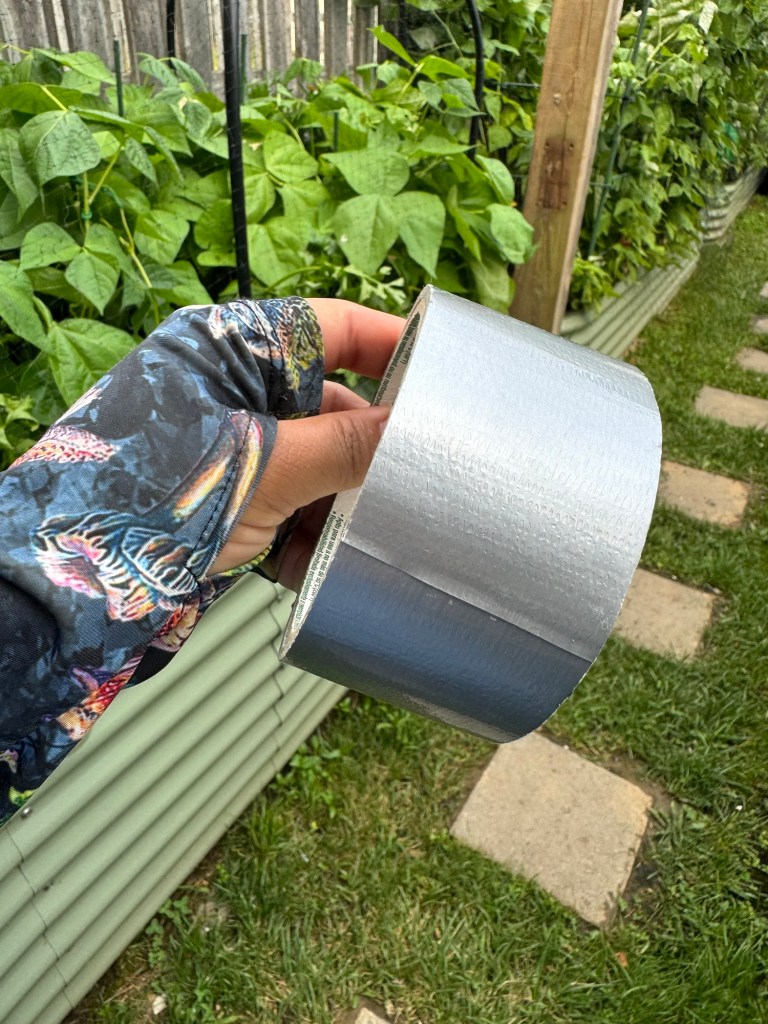
I usually hand-pick them when I see them and drop them into a jar of soapy water. Keeping a small container nearby makes this quick and convenient.
Another effective method is removing their eggs. They appear as small, metallic bronze or reddish-brown clusters on the undersides of leaves. I use duct tape to easily lift and dispose of them.
Powdery Mildew
Good spacing, vertical growing, and watering at the base of the plant all improve airflow and reduce disease pressure.
Blossom End Rot
This is usually caused by inconsistent watering rather than a calcium deficiency.
Poor Pollination
Tiny squash that yellow and fall off are often the result of incomplete pollination.
Encouraging pollinators and hand pollinating when necessary usually solves the problem. Planting flowers nearby can help attract beneficial insects.
Growing Summer Squash in Containers
Yes—you can absolutely grow summer squash in containers.
Choose:
- A container at least 20–25 gallons
- Rich potting mix
- A sturdy support for vertical growth
Larger containers help retain moisture, reducing the need for frequent watering during hot summer days. Compact and bush varieties are especially well suited for container gardening.
Growing Summer Squash in Raised Beds
If possible, dedicate a section of your raised bed to summer squash. While the plants can take up a lot of space, they are well worth it.
I typically allow about 2.5 to 3 feet of space per plant, even when growing vertically. Raised beds help retain moisture while providing excellent drainage and soil control.
What Works in My Maryland Garden
Growing summer squash vertically has made it much more space-efficient in my garden.
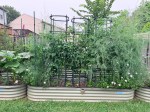
In my Maryland Zone 7 garden, I grow most of my squash in raised beds using sturdy supports. This setup saves space, improves airflow, and makes harvesting easier.
Raised beds also help me maintain consistently rich soil and good drainage, which keeps plants healthier and more productive throughout the season.
I’ve also learned that harvesting often is key to keeping plants productive. A squash that seems small today can become enormous just a day or two later, so I make it part of my daily garden routine to check for new harvests.
Between rich soil, consistent watering, plenty of sunshine, raised bed growing, and vertical support, summer squash has become one of the most rewarding vegetables in my garden. Even with limited space, it’s possible to enjoy an abundant harvest all summer long.
If you’re new to growing summer squash, don’t be intimidated by its size. With the right support and a little regular care, it can become one of the easiest and most productive vegetables you’ll grow.
If this guide helped you feel more confident about growing summer squash, save it for later and share it with another gardener. I’d love to know—which variety is your favorite to grow: zucchini, yellow squash, or pattypan?













 Gingerfoot Garden
Leave a comment