One of the first questions every new gardener asks is:
“How often should I water my garden?”
The honest answer is:
There isn’t one schedule that works for every garden.
Some gardens need water every day, while others may only need it once or twice a week. It depends on your weather, soil, plant type, and where you’re growing.
Instead of watering on a fixed schedule, successful gardeners learn to water when their plants actually need it.
Once you understand what affects watering, you’ll grow healthier plants, avoid common problems, and waste less water.
Why Proper Watering Matters
Water does much more than keep plants alive.
It helps plants:
- Transport nutrients
- Produce flowers and fruit
- Build strong roots
- Stay cool during hot weather
- Continue growing steadily
Too little water stresses plants.
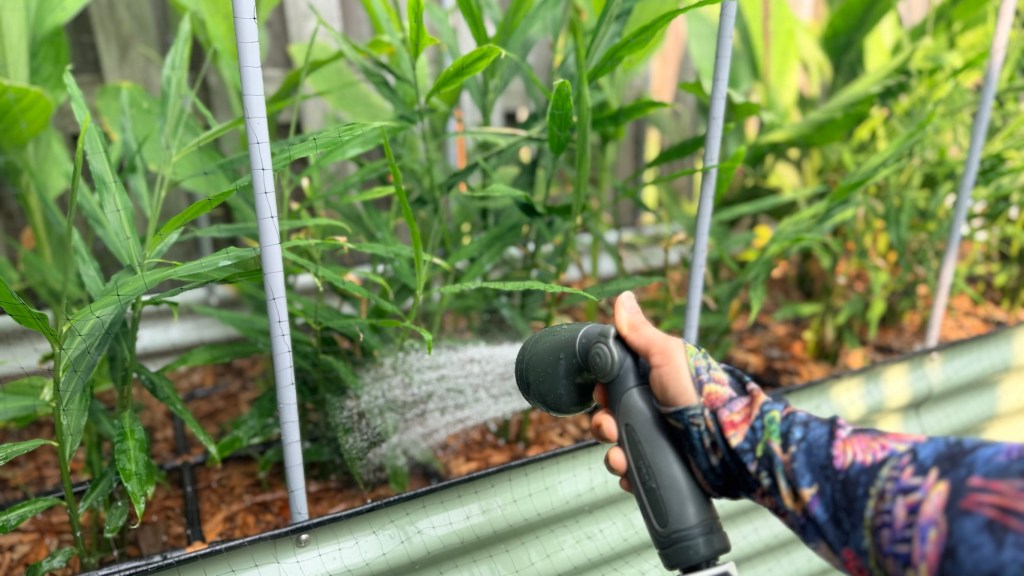
Too much water can actually kill them by suffocating their roots.
Finding the balance is one of the most valuable gardening skills you’ll learn.
There Is No Perfect Watering Schedule
Many gardening articles suggest watering every day or every other day.
Unfortunately, gardening doesn’t work that way.
The right watering schedule depends on several factors.
Weather
Hot, sunny, windy days dry soil much faster.
Cool or rainy weeks may require little to no watering.
After several days of heavy rain, you may not need to water at all.
Soil Type
Sandy Soil
- Drains quickly
- Dries out faster
- Needs more frequent watering
Clay Soil
- Holds water much longer
- Drains slowly
- Needs watering less often
Rich Garden Soil
Healthy soil with compost holds moisture while still draining well.
This is the ideal balance for most vegetables.
Raised Beds vs. In-Ground Gardens
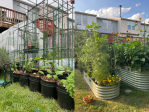
Raised beds dry out faster because they drain better and are exposed on all sides.
In-ground gardens usually stay moist longer.
If you grow in raised beds—as I do—you’ll likely find yourself checking the soil more often during summer.
Containers Dry Out Fastest
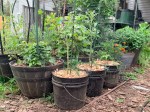
Containers usually need the most frequent watering.
Small pots can dry out in a single hot afternoon.
Larger containers hold moisture longer but should still be checked regularly.
This is especially true during July and August.
The Best Way to Know When to Water
Forget the calendar.
Instead, check the soil.
The easiest method is the finger test.
Push your finger about 2 inches into the soil.
If it feels:
- Dry → Water.
- Slightly moist → Wait another day.
- Wet → Don’t water yet.
This simple habit prevents both overwatering and underwatering.
Signs Your Plants Need Water
Plants often tell you when they’re thirsty.
Watch for:
- Wilting leaves
- Dry soil
- Slow growth
- Flowers dropping
- Smaller fruits
- Leaves curling
- Dull or faded foliage
However, don’t wait until plants are severely wilted every day.
Repeated drought stress reduces production.
Signs You’re Watering Too Much
Many beginners accidentally overwater instead of underwater.
Common signs include:
- Yellow leaves
- Mushy stems
- Slow growth
- Root rot
- Fungus gnats
- Mold on the soil
- Constantly soggy soil
Roots need oxygen just as much as water.
If soil stays saturated, roots can begin to rot.
Water Deeply, Not Frequently
One of the best watering habits is watering deeply.
Instead of giving plants a little water every day, give them a thorough soaking when they need it.
Deep watering encourages roots to grow farther into the soil where moisture lasts longer.
Plants with deeper roots handle summer heat much better.
Shallow watering creates shallow roots, making plants more vulnerable to drought.
The Best Time of Day to Water
Morning is the best time to water your garden.
Benefits include:
- Less evaporation
- Plants have water before afternoon heat
- Leaves dry quickly
- Less disease pressure
If morning isn’t possible, early evening is your next best option.
Avoid watering late at night whenever possible because wet leaves overnight can encourage fungal diseases.
Water the Soil, Not the Leaves
Always aim the water at the base of the plant.
Wet leaves can increase disease problems, especially for tomatoes, cucumbers, squash, and peppers.
Soaker hoses and drip irrigation are excellent options because they deliver water directly to the roots.
If using a watering wand or hose, simply keep the stream low to the ground.
Different Vegetables Have Different Water Needs
Not every crop drinks the same amount of water.
Heavy feeders like:
- Tomatoes
- Peppers
- Cucumbers
- Squash
- Melons
need consistent moisture to produce their best harvest.
Leafy greens also appreciate evenly moist soil to prevent bitterness.
Root crops like carrots and beets need consistent watering while roots are developing to prevent cracking or misshapen vegetables.
Herbs such as rosemary, thyme, oregano, and lavender prefer drier soil once established.
Don’t Forget About Mulch
Mulch is one of the easiest ways to reduce watering.
A layer of organic mulch helps:
- Slow evaporation
- Keep soil cooler
- Reduce weeds
- Protect soil structure
- Maintain even moisture
Many gardeners are surprised by how much less often they need to water after adding mulch.
Adjust Your Watering Throughout the Season
Your garden’s needs will change.
In spring:
- Cooler temperatures mean less watering.
During summer:
- Plants grow rapidly and lose more moisture.
- Check soil daily during heat waves.
In fall:
- Cooler weather usually means watering less often.
Learning to adjust with the seasons is more effective than following a strict schedule.
A Simple Watering Routine for Beginners
Rather than watering every day automatically, try this routine:
- Check the soil each morning.
- Water deeply only when the top 2 inches are dry.
- Water the base of each plant.
- Add mulch to help retain moisture.
- Adjust for rain and changing temperatures.
Over time, you’ll begin to recognize exactly what your garden needs.
Common Watering Mistakes
Avoid these beginner mistakes:
- Watering every day without checking the soil
- Giving only a quick sprinkle
- Watering during the hottest part of the day
- Wetting leaves instead of roots
- Ignoring rainfall
- Assuming every plant needs the same amount of water
Correcting just one or two of these habits can dramatically improve your garden.
Final Thoughts
Learning when to water is less about following a schedule and more about paying attention to your garden.
Healthy soil, regular observation, and deep watering when needed will produce stronger roots, healthier plants, and better harvests than watering by the calendar ever will.
As you spend more time in your garden, you’ll begin to recognize the subtle signs your plants give you. Before long, knowing when to water will become second nature.
Frequently Asked Questions
Is it better to water every day or once a week?
Most gardens benefit from deep, thorough watering only when needed rather than light watering every day. Always check the soil first.
How much water do vegetable gardens need?
Most vegetable gardens need about 1–2 inches of water per week, including rainfall. During hot summer weather, many gardens will need additional watering.
Can plants recover from underwatering?
Yes, if caught early. Water deeply and consistently, and most plants will recover. Severe drought stress, however, may reduce yields.
Is overwatering worse than underwatering?
Often, yes. Overwatering can lead to root rot and other diseases because roots need oxygen as well as moisture.
Should I water after it rains?
Not necessarily. Check the soil first. A light shower may not provide enough moisture, while a soaking rain may eliminate the need to water for several days.
Related Articles
- Signs Your Plants Need Water
- Signs Your Plants Need Fertilizer
- How to Mulch Your Garden Properly
- Why Mulch Is One of the Best Things You Can Do
- How to Protect Plants During Heat Waves
- How to Keep Your Garden Healthy All Season
- The 4 Things Every Plant Needs to Thrive
- How to Build Healthy Garden Soil from the Start
 Gingerfoot Garden
Leave a comment