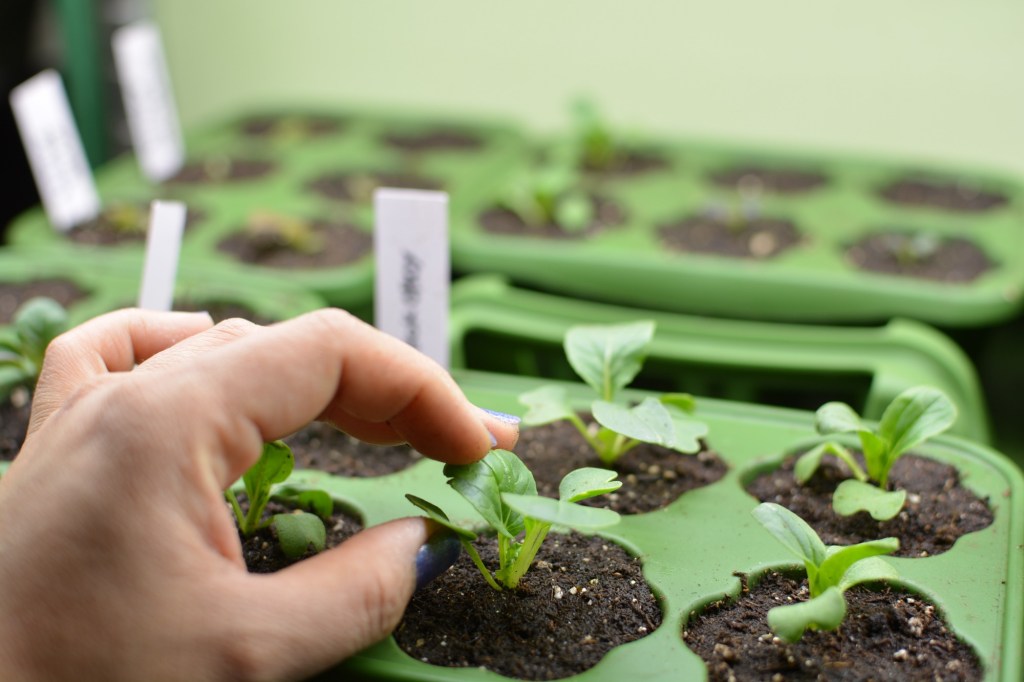
One of the biggest mistakes new gardeners make is starting seeds either too early or too late.
It might seem like getting a jump on the season is always better, but starting seeds too early often leads to tall, leggy, root-bound seedlings that struggle once they’re planted outside. On the other hand, waiting too long can delay your harvest and shorten your growing season.
So, when should you actually start seeds indoors?
The answer depends on three things:
- Your last spring frost date
- The type of plant you’re growing
- The number of weeks each plant needs indoors before transplanting
Once you understand these three factors, you’ll know exactly when to sow your seeds year after year.
Step 1: Know Your Last Frost Date
Your last average frost date is the foundation of every seed-starting schedule.
A simple way to estimate your growing season is to search Google for “Last Spring Frost Date + your ZIP code.”
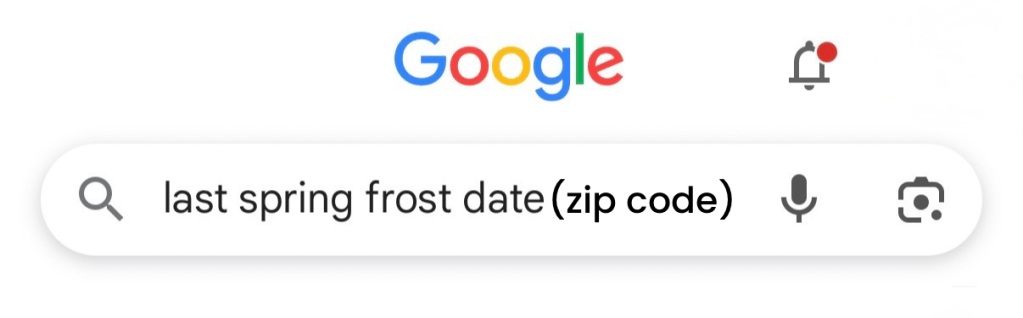
The results will usually give you the average last spring frost date for your area.
Learning your average last frost date is one of the simplest ways to improve your gardening success. It helps you know when to start seeds, when it’s safer to transplant seedlings and when to direct sow warm-season crops.
What growing zone are you gardening in?
This is the average date when freezing temperatures are no longer expected in spring.
For example:
- Zone 5: Early to mid-May
- Zone 6: Mid to late April
- Zone 7: Mid-April
- Zone 8: Late March to early April
- Zone 9: February to March
Keep in mind that these are averages. Weather can vary from year to year, so always keep an eye on your local forecast before transplanting tender crops outdoors.
My Garden (Zone 7B): In my Maryland garden, I usually plan around a mid-April last frost date. Some years spring arrives early, while other years we still get surprise frosts, so I avoid rushing warm-season crops into the garden. I usually wait until around Mother’s Day before planting warm-season crops like tomatoes, peppers, eggplant, okra, squash, and cucumbers. It gives me a little extra peace of mind that the risk of frost has passed.
Step 2: Read the Seed Packet
Seed packets are one of the best gardening resources you’ll ever have.
Most packets include instructions like:
“Start indoors 6–8 weeks before your last frost date.”
This tells you exactly when to sow your seeds.
For example:
- Last frost: April 15
- Start indoors: 8 weeks earlier
- Plant seeds around mid-February
There’s no need to guess—the seed packet does the math for you.
General Indoor Seed Starting Timeline
Every plant grows at a different pace.
Here’s a general guideline for when to start common vegetables indoors before your last frost date.
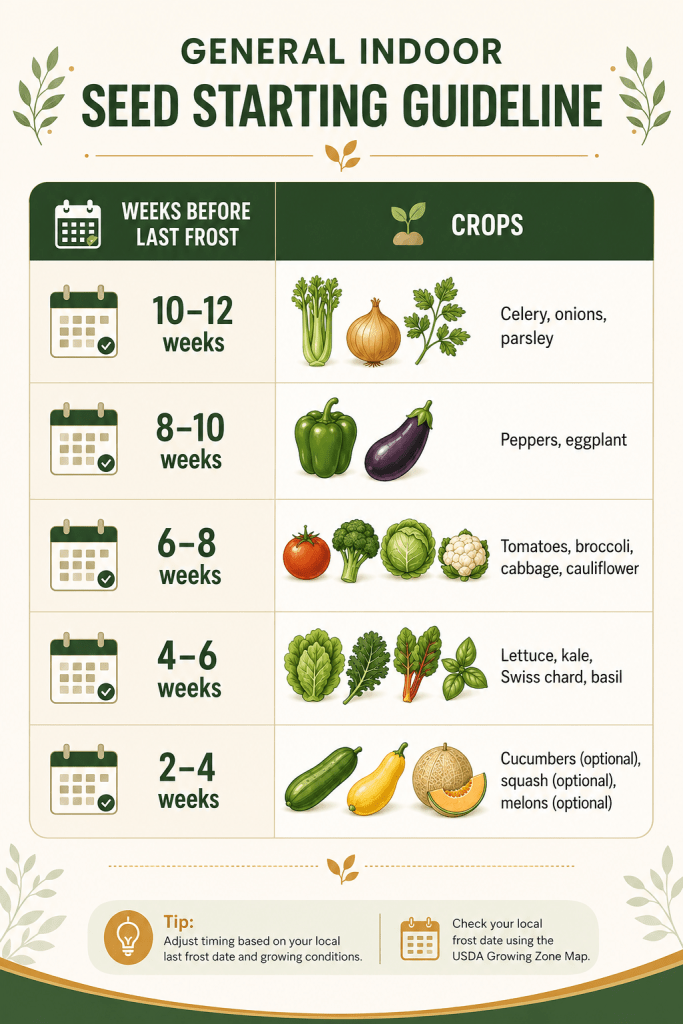
These are general recommendations. Always compare them with the instructions on your seed packet.
Vegetables That Usually Don’t Need Indoor Starting
Some vegetables grow best when planted directly into the garden.
These include:
- Carrots
- Radishes
- Beets
- Turnips
- Beans
- Corn
- Peas
- Spinach
- Dill
Because they germinate quickly or dislike root disturbance, direct sowing often produces better results.
What Happens If You Start Too Early?
Many beginners think bigger seedlings are better.
Unfortunately, that’s often not the case.
Starting seeds too early can lead to:
- Root-bound plants
- Leggy seedlings
- Nutrient deficiencies
- Increased disease problems
- Plants that outgrow your indoor setup
Older seedlings also experience more transplant shock than younger, actively growing ones.
What Happens If You Start Too Late?
Starting too late isn’t ideal either.
Late seedlings may:
- Produce smaller harvests
- Flower later
- Miss part of the growing season
- Struggle to mature before fall frost
While slightly late is usually better than far too early, proper timing gives plants the best chance to thrive.
Should You Start Everything at Once?
No.
Different vegetables should be started on different dates.
Instead of planting every seed on the same weekend, create a simple planting calendar based on your last frost date.
This spreads out your workload and ensures every crop reaches transplant size at the right time.
Create Your Own Seed Starting Calendar
A seed-starting calendar doesn’t have to be complicated.
Start by listing:
- Your average last frost date
- The vegetables you want to grow
- The recommended indoor sowing time for each crop
- Your expected transplant date
Keeping these dates in a notebook, spreadsheet, or gardening journal makes planning much easier each season.
My Seed Starting Schedule (Zone 7)
After several years of growing vegetables in my Maryland Zone 7 garden, I’ve adjusted my schedule based on what works best in my climate.
Here’s a simplified version of when I typically start some of my crops:
January
- Onions
- Celery
- Slow-growing herbs like parsley
Mid-February
- Peppers
- Eggplant
Early March
- Broccoli
- Cauliflower
- Cabbage
- Kale
- Lettuce
Early April
- Tomatoes
Late April
- Cucumbers (if starting indoors)
- Melons (optional)
- Summer squash (optional)
I’ve found that waiting until early April to start tomatoes produces healthier seedlings than starting them too early. They grow quickly and are usually the perfect size for transplanting by the time warm weather arrives.
Remember, this schedule works well for my Zone 7 garden but should be adjusted based on your own last frost date.
Signs You’re Ready to Transplant
Seedlings are generally ready to move outdoors when they:
- Have several sets of true leaves
- Have strong stems
- Fill their container with healthy roots without becoming root-bound
- Have been properly hardened off
- Can safely be planted after the risk of frost has passed (for warm-season crops)
Avoid transplanting based on size alone. The weather and soil conditions matter just as much.
Frequently Asked Questions
Can I start seeds earlier than recommended?
You can, but you’ll likely need larger containers, more indoor space, and stronger grow lights to keep plants healthy until transplanting time.
Is it better to start seeds late or early?
In most cases, it’s better to be slightly late than much too early. Younger seedlings often transplant better than older, overgrown ones.
Can I use the same schedule every year?
Your general schedule will stay similar, but it’s always a good idea to adjust based on your local weather and the specific needs of the varieties you’re growing.
How do I know my last frost date?
You can find it using your local extension office, trusted gardening resources, or weather services. Use it as a planning guide, but always pay attention to the actual forecast before planting outdoors.
Final Thoughts
Knowing when to start seeds indoors is one of the simplest ways to improve your gardening success. By working backward from your last frost date and following the recommendations on your seed packets, you’ll raise healthier seedlings that are ready to thrive once they move into the garden.
Remember, gardening isn’t a race. Strong, well-timed seedlings almost always outperform plants that were started too early. A little patience in spring often leads to a bigger, healthier harvest later in the season.
Related Articles
Continue your Seed Starting Series with these beginner-friendly guides:
- How to Start Seeds Indoors Successfully
- Choosing the Right Seed Starting Mix
- Do You Need Grow Lights?
- Common Seed Starting Mistakes
- Why Aren’t My Seeds Germinating?
- How Often Should You Water Seedlings?
- Preventing Leggy Seedlings
- Potting Up Seedlings Explained
- Hardening Off Seedlings Without Losing Them
- My Seed Starting Setup
 Gingerfoot Garden
Leave a comment