Lemongrass is one of those plants that instantly brings me back home.
Growing up with Filipino cooking, I’ve always loved how lemongrass adds a bright, citrusy aroma to soups, curries, marinades, and tea. Being able to step outside and harvest it fresh instead of buying it at the store makes cooking even more rewarding.
Although lemongrass is a tropical plant, it’s surprisingly easy to grow—even here in my Maryland Zone 7 garden. The key is simply treating it like the warm-season plant that it is.
Here’s everything I’ve learned about growing healthy, productive lemongrass.
Start with Healthy Stalks or Nursery Plants
One of the best things about growing lemongrass is that you don’t need seeds to get started.
You can grow it from:
- Fresh stalks from the grocery store
- Nursery plants
- Divisions from an existing clump
If you’re using grocery store stalks, choose firm ones with healthy white bases.
Place the bottom few inches in a jar of water, changing the water every few days. Within a couple of weeks, roots will begin to form, followed by new green growth. Once the roots are well developed, the stalk is ready to plant.
Starting Lemongrass from Seeds
While many gardeners prefer starting lemongrass from stalks, I also enjoy growing it from seed every couple of years.
I usually start seeds indoors to give them a strong head start before the growing season begins. Since one good harvest can last me a couple of years, I don’t need to grow it from seed every season.
To start seeds indoors:
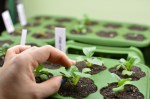
- Sow seeds on the surface of a moist seed-starting mix
- Lightly press them in without burying them deeply, as they need light to germinate
- Keep the soil consistently moist but not soggy
- Place them in a warm location around 70–75°F or 21–24°C
- Use a humidity dome or plastic cover to retain moisture
Germination typically takes 10 to 21 days.
Once the seedlings are a few inches tall and have developed several leaves, transplant them into larger pots. Keep them indoors until the weather warms and all danger of frost has passed.
Starting from seed requires a bit more patience, but it’s a great way to grow multiple plants and build up a steady supply.
Wait for Warm Weather
Lemongrass thrives in heat.
I don’t move mine outdoors until all chances of frost have passed and nighttime temperatures stay consistently above 55°F 13°C. The warmer the weather, the faster it grows.
Like ginger and turmeric, lemongrass really takes off during the hottest months of summer.
Give It Plenty of Sun
Lemongrass grows best in full sun.
Aim for at least 6–8 hours of direct sunlight each day. The more sun it receives, the larger and healthier the clumps will become.
In my garden, I make sure to place it in a spot that gets consistent sunlight throughout the growing season.
Plant in Rich, Well-Draining Soil
Lemongrass grows quickly and benefits from fertile soil.
Before planting, I mix compost into the soil to improve both fertility and moisture retention. While it enjoys consistent moisture, it doesn’t tolerate soggy conditions.
Whether you’re growing in containers or raised beds, good drainage is essential.
Water Consistently
Unlike Mediterranean herbs, lemongrass prefers evenly moist soil.
Water deeply whenever the top inch of soil begins to dry out. During hot Maryland summers, container-grown plants usually need more frequent watering than those planted in the ground.
Adding mulch around the base helps conserve moisture and regulate soil temperature.
Fertilize During the Growing Season
Because of its rapid growth, lemongrass is a fairly heavy feeder.
I like to add compost at planting time and occasionally feed with a nitrogen-rich or balanced fertilizer throughout the growing season. Proper nutrition encourages thick, sturdy stalks and lush green foliage.
Growing Lemongrass in Containers
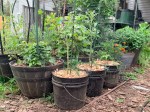
Lemongrass is an excellent choice for container gardening.
Growing it in a pot allows you to:
- Move it indoors before frost
- Control soil quality
- Harvest easily
- Grow it on patios or decks
- Save space in smaller gardens
Choose a large container with drainage holes, as mature plants can become surprisingly big. The larger the container, the larger your harvest is likely to be.
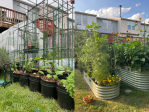
In recent years, I’ve also started planting lemongrass in raised beds, where I’ve had fewer issues with drying out compared to growing it in smaller containers.
Harvesting Lemongrass
One of the most rewarding parts of growing lemongrass is how easy it is to harvest.
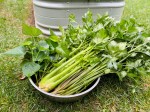
Wait until the stalks are about ½ inch thick near the base. Using a sharp knife or pruners, cut individual stalks as close to the soil as possible.
The white lower portion is most commonly used in cooking, while the leafy tops can be used for tea, broth, or infused water.
Regular harvesting encourages continued growth throughout the season.
Because lemongrass is sensitive to frost, I usually do a full harvest toward the end of the growing season—around November in my zone. At that point, I harvest the entire plant, preserve what I need, and replant when my supply runs low. One good harvest often lasts me a couple of years.
Divide Mature Plants
If you live in a warmer climate, consider dividing mature plants.
Over time, lemongrass forms large clumps. Every few years, you can divide these into smaller sections.
Simply dig up the clump, separate healthy sections with roots attached, and replant them. It’s one of the easiest ways to expand your lemongrass without buying new plants.
Overwintering Lemongrass
Since lemongrass isn’t winter hardy in Maryland, it should be treated as a tender perennial.
Before the first frost, you have several options:
- Bring the entire container indoors
- Dig up and divide plants from raised beds, then pot smaller sections
- Harvest most of the plant and save a healthy clump for next year
Place indoor plants near a bright window or under grow lights, and reduce watering as growth slows during winter.
Once warm weather returns, gradually reintroduce them to outdoor conditions.
Common Problems
Lemongrass is generally very easy to grow, but you may occasionally encounter a few issues:
Brown Leaf Tips
Usually caused by drought stress, inconsistent watering, or natural aging.
Yellow Leaves
Often the result of overwatering, nutrient deficiencies, or cooler temperatures.
Slow Growth
Typically caused by insufficient warmth or sunlight. Growth usually speeds up once summer heat arrives.
Ways to Use Fresh Lemongrass
Fresh lemongrass is incredibly versatile in the kitchen.
Some of my favorite ways to use it include:
- Filipino soups
- Thai curries
- Stir-fries
- Marinades
- Herbal tea
- Infused water
- Rice dishes
- Broths
- Grilled meats
- Seafood
Even the tougher outer leaves can be simmered in soups and stocks to add rich flavor.
What Works in My Maryland Garden
Growing lemongrass has been a wonderful way to bring a taste of my Filipino childhood into my Maryland garden.
I’ve found that it thrives when treated like other tropical plants. With plenty of sunshine, rich soil, regular watering, and warm temperatures, it grows into large, productive clumps by the end of summer.
If you’re looking for a beautiful ornamental grass that’s also incredibly useful in the kitchen, lemongrass is a fantastic choice. It’s productive, fragrant, and surprisingly easy to grow once the weather warms up.
If this guide helped you feel more confident about growing lemongrass, save it for later and share it with another gardener. I’d love to hear—what’s your favorite way to cook with fresh lemongrass?


 Gingerfoot Garden
Leave a comment