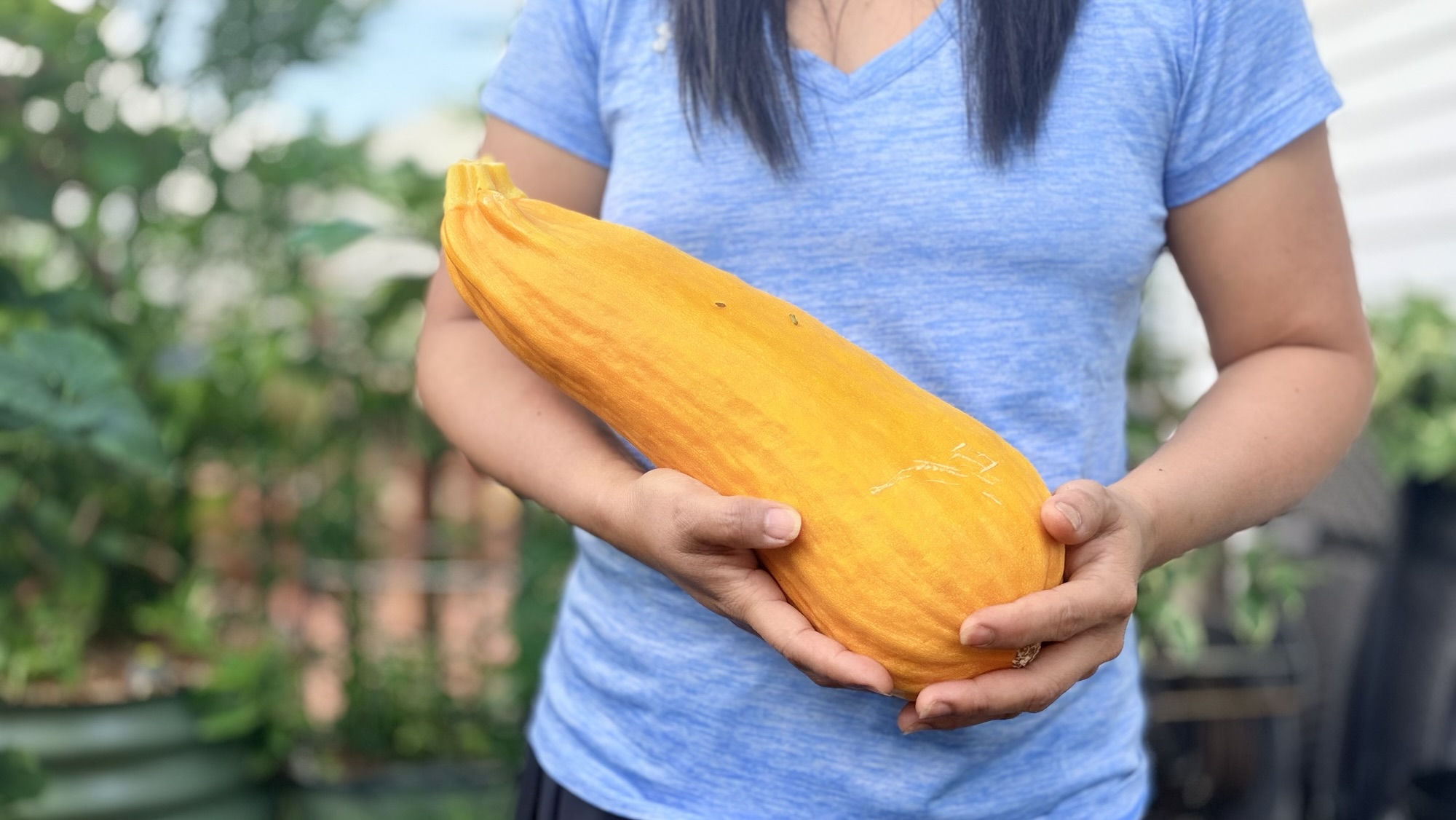
One of the most exciting moments in gardening is harvesting something you’ve grown yourself.
Whether it’s your very first tomato or a basket full of fresh vegetables, there’s nothing quite like eating food straight from your own garden.
But harvesting isn’t just about picking vegetables whenever they look ready. Learning when and how to harvest makes a big difference in flavor, texture, storage life, and even how much your plants continue producing.

When I first started gardening, I often waited too long because I wanted my vegetables to get as big as possible. I quickly learned that bigger isn’t always better. Many vegetables actually taste their best when harvested young and regularly.
If you’re new to gardening, these simple harvest tips will help you get the most from your garden.
Why Proper Harvesting Matters
Harvesting at the right time helps you enjoy:
- Better flavor
- Better texture
- More nutritious vegetables
- Longer storage life
- Healthier plants
- Larger overall harvests
Many vegetables become more productive the more often you harvest them.
1. Learn What Ripe Looks Like
Every vegetable has its own signs of maturity.
For example:
- Tomatoes develop their full color.
- Cucumbers should feel firm and glossy.
- Lettuce reaches a usable size before it begins to bolt.
- Green beans should snap easily.
- Peppers develop their mature color—or can be harvested green, depending on the variety.

Reading your seed packet and learning the expected appearance of each crop helps prevent harvesting too early or too late.
2. Harvest Often
Many vegetables continue producing when picked regularly.
Frequent harvesting encourages crops such as:
- Green beans
- Cucumbers
- Zucchini
- Peppers
- Okra
- Herbs
- Green onions

Waiting too long often signals the plant that it’s finished producing seeds, which can slow future harvests.
3. Harvest During the Coolest Part of the Day
Morning is usually the best time to harvest.
Vegetables are often:
- Crisper
- Better hydrated
- Cooler
- Less likely to wilt

If morning isn’t possible, late evening is generally better than harvesting during the hottest part of the afternoon.
4. Use Clean, Sharp Tools
Some vegetables should be cut rather than pulled.
Keep:
- Garden snips
- Pruning shears
- Harvest scissors
clean and sharp to reduce damage to plants.
Tender crops like lettuce and herbs are especially easy to harvest with scissors.
I find that having a dedicated garden tool box makes it easy to access the tools I need for harvesting and doing other garden chores. I keep mine by my patio where I walk on my way to the main garden.
5. Handle Vegetables Gently
Fresh vegetables bruise more easily than many people realize.
Avoid:
- Tossing them into buckets
- Overfilling harvest baskets
- Stacking delicate produce too deeply

Gentle handling helps vegetables stay fresh longer.
6. Know Which Vegetables Improve With Frequent Picking
Some vegetables actually produce more when harvested regularly.
These include:
- Beans
- Cucumbers
- Zucchini
- Summer squash
- Okra
- Peppers
- Herbs

Regular harvesting encourages the plants to continue flowering and producing.
7. Don’t Wait for Everything to Get Huge
Bigger isn’t always better.
Some vegetables become:
- Tough
- Fibrous
- Bitter
- Seedy
if left on the plant too long.

Examples include:
- Cucumbers
- Zucchini
- Green beans
- Okra
- Radishes
- Lettuce
Harvesting at the proper size usually results in the best flavor.
8. Harvest Leafy Greens the Smart Way
Instead of pulling the entire plant, many leafy vegetables can be harvested using the cut-and-come-again method.
Simply harvest:
- Outer lettuce leaves
- Spinach leaves
- Kale leaves
- Swiss chard leaves
- Collard greens
while leaving the growing center intact.

This allows many plants to continue producing for weeks.
It’s one of my favorite ways to extend the harvest in my garden.
9. Harvest Root Crops Carefully
Root vegetables should be loosened before pulling.
Use a garden fork to gently loosen the soil around:
- Carrots
- Beets
- Radishes
- Turnips

This reduces the chance of breaking the roots.
10. Harvest Fruits Fully Ripe
Some vegetables, like tomatoes and peppers, can continue ripening after harvest.
Others, such as:
- Watermelon
- Honeydew
- Most berries
develop their best flavor while still on the plant.

Knowing which crops continue ripening after harvest helps you decide when to pick.
11. Check Your Garden Every Day
Vegetables grow surprisingly quickly.
During peak season, checking your garden daily helps prevent:
- Overgrown zucchini
- Oversized cucumbers
- Split tomatoes
- Overripe berries

Daily walks through the garden also help you spot pests and diseases early.
12. Harvest Before Bad Weather
If severe weather is expected:
- Heavy rain
- Hail
- Strong winds
- Frost
consider harvesting mature vegetables beforehand.
Sometimes saving the harvest is better than risking damage.
13. Store Vegetables Properly
Harvesting is only part of the process.
Some vegetables store best:
- In the refrigerator
- In a cool pantry
- After curing
- Frozen
- Dehydrated

Learning the proper storage method helps reduce waste.
Common Beginner Mistakes
Avoid these common harvesting mistakes:
- Waiting too long to harvest.
- Pulling vegetables instead of cutting them.
- Harvesting during the hottest part of the day.
- Damaging plants while picking.
- Forgetting to check the garden regularly.
- Storing vegetables incorrectly.
My Experience Harvesting Vegetables
One of the biggest lessons my garden has taught me is that regular harvesting leads to bigger harvests.
The more often I harvest crops like cucumbers, peppers, beans, and herbs, the more they seem to produce.
I’ve also learned not to wait for perfection. A slightly smaller cucumber or bean usually tastes much better than one that’s been left on the vine too long.
Harvesting has become one of my favorite daily routines because it’s a chance to see how much the garden changes from one day to the next.
Harvest Checklist
Before harvesting, ask yourself:
- Is the vegetable the right size?
- Has it developed its mature color?
- Is today cooler than the afternoon heat?
- Do I have clean harvesting tools?
- Do I know how to store it afterward?
A few moments of preparation can make a big difference.
Final Thoughts
Harvesting is one of the most rewarding parts of gardening, and it’s also a skill that improves with experience.
The more time you spend observing your plants, the easier it becomes to recognize when vegetables are at their peak.
Don’t worry if you occasionally harvest something too early or too late—we’ve all done it.
Every harvest teaches you a little more about your garden, and before long you’ll be harvesting with confidence.
Frequently Asked Questions
What time of day is best to harvest vegetables?
Morning is usually the best time because vegetables are cooler, well-hydrated, and often at their freshest.
Should I harvest vegetables every day?
During peak growing season, it’s a good idea to check your garden daily. Fast-growing crops like cucumbers, beans, zucchini, and tomatoes can mature quickly.
Why should I harvest vegetables regularly?
Frequent harvesting encourages many vegetables to continue flowering and producing, resulting in larger overall harvests.
Can I harvest leafy greens more than once?
Yes. Many leafy greens can be harvested using the cut-and-come-again method, allowing the plants to continue producing new leaves.
What’s the biggest harvesting mistake beginners make?
One of the most common mistakes is waiting too long. Many vegetables taste best when harvested young and tender rather than oversized.
Should I wash vegetables immediately after harvesting?
It depends on the crop. Most vegetables are best stored unwashed and washed just before eating, while leafy greens are often rinsed soon after harvest if they’ll be used right away.
Related Articles
- When to Harvest Tomatoes
- When to Harvest Peppers
- When to Harvest Cucumbers
- When to Harvest Potatoes
- When to Harvest Onions
- When to Harvest Garlic
- When to Harvest Watermelon
- How to Freeze Fresh Vegetables
- How to Store Potatoes After Harvest
- How to Build a Pantry From Your Garden
This page contains affiliate links to my brand partners like Vego Garden, GreenStalk, Walmart & Amazon at no extra cost to you.
Your support helps me create free gardening content. Thank you!


Leave a Reply