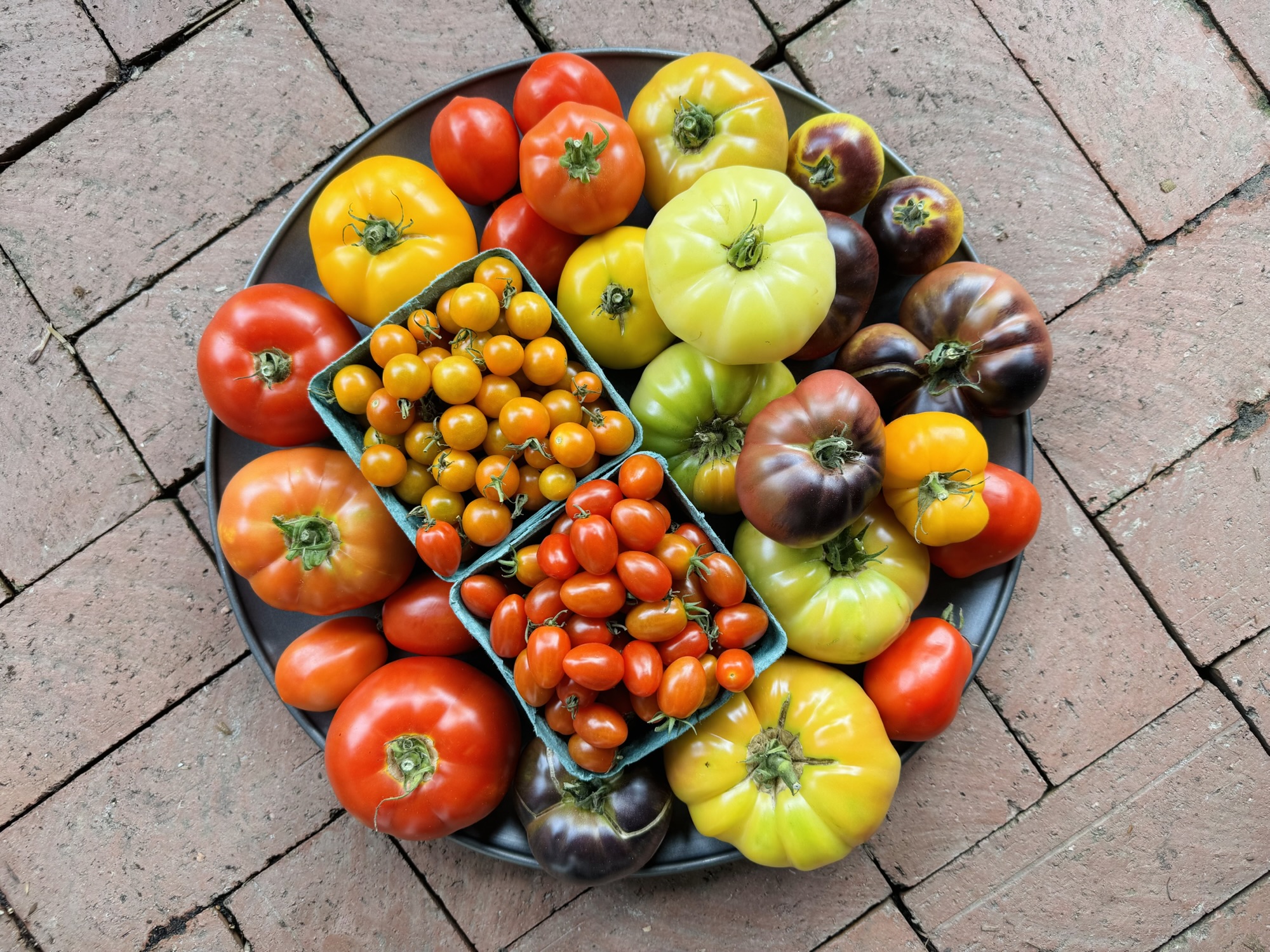
Tomatoes are one of the most popular crops grown by home gardeners in America. Coming from a Filipino background, I didn’t quite understand the appeal at first, since tomatoes aren’t used as heavily in our cuisine. I also hesitated to grow them because of how large and unruly they can become—especially in a small garden space.
That perspective changed after I tried growing a few varieties myself.
Now I understand why so many gardeners love them. Nothing compares to walking into the garden, picking a sun-ripened tomato, and enjoying a flavor you simply can’t find at the grocery store. Whether sliced onto a sandwich, tossed into a salad, or eaten fresh off the vine, homegrown tomatoes are incredibly rewarding.

Over time, I’ve learned that growing tomatoes isn’t about luck. Healthy plants and abundant harvests come from understanding what tomatoes need and making small adjustments throughout the season.
Here’s everything I’ve learned about growing healthy, productive tomato plants.
Choose the Right Variety
One of the most exciting parts of growing tomatoes is choosing from the thousands of varieties available.
Tomatoes generally fall into a few main categories:
Determinate Tomatoes
These plants stay more compact and produce most of their fruit over a shorter period.
They’re a great choice for gardeners who want a large harvest for canning or preserving.
Indeterminate Tomatoes
These continue growing and producing fruit until frost.
They provide fresh tomatoes over a much longer season.

Dwarf Tomatoes
Dwarf varieties are bred to stay shorter and more compact while still producing full-sized fruit. Many are indeterminate in growth habit but are easier to manage in smaller spaces or containers.
Micro Tomatoes
Micro varieties are even smaller, often growing just 6–12 inches tall. They’re perfect for windowsills, patios, or very limited spaces, and still produce surprisingly flavorful fruit.

For small-space gardening, I’ve become especially fond of dwarf indeterminate varieties. They stay manageable while still producing impressive harvests.
Ultimately, the best tomato is the one you’ll enjoy eating, so choose varieties that fit both your cooking style and available space.
Start Seeds Indoors
One important lesson I’ve learned is not to start seeds too early. Overgrown seedlings can become difficult to manage before it’s time to transplant them outdoors.
I usually start tomato seeds indoors about 4–6 weeks before my last expected frost. For me, that’s typically between mid-March and early April, since I’m often waiting for my garlic to mature before planting tomatoes. Some gardeners prefer starting 6–8 weeks before the last frost date, which works well if you have enough space and strong lighting. Tomatoes grow quickly, so even slightly later starts can catch up once they’re potted up or transplanted outdoors.

To grow strong, healthy seedlings, focus on a few key factors:
Soil Mix
Use a light, well-draining seed-starting mix rather than garden soil. A good mix typically contains peat moss or coco coir, perlite or vermiculite, and a small amount of compost. This type of mix holds moisture without becoming compacted, allowing roots to develop easily.
Planting Depth
Sow tomato seeds about 1/4 inch deep. Lightly cover them with soil and gently press down to ensure good contact. Keep the soil evenly moist but not soggy while seeds germinate.
Light
Once seedlings emerge, provide bright, consistent light. I use grow lights positioned just a few inches above the plants and keep them on for about 14–16 hours per day. Without enough light, seedlings can become leggy and weak.
Temperature
Tomato seeds germinate best in warm soil, ideally between 70–80°F. Using a heat mat can help speed up germination, especially in cooler indoor environments.
Watering
Water gently and consistently. Bottom watering works especially well—placing trays in a shallow container of water allows the soil to absorb moisture from below, reducing the risk of disturbing seedlings. Avoid letting the soil dry out completely, but also avoid overwatering, which can lead to damping-off disease.
Airflow
Good airflow helps prevent disease and strengthens seedlings. A small fan set on low nearby can mimic natural breezes and encourage sturdier stems.

As seedlings grow, transplant them into larger containers often called “potting up” to give roots more space. Strong seedlings lead to strong garden plants.
Wait for Warm Weather
Tomatoes thrive in warm temperatures.
Even after your last frost, cool nights can slow growth considerably.
I wait until nighttime temperatures are consistently above 50–55°F 10–13°C, although tomatoes really begin growing vigorously once nights stay closer to 60°F 16°C.

Being patient early in the season often leads to healthier plants later on.
Plant Deeply
Tomatoes are unique because they can grow roots along their buried stems.
When transplanting, remove the lower leaves and plant the stem deeply.
This encourages a larger root system, resulting in stronger, more resilient plants that can better handle summer heat.
Give Tomatoes Plenty of Sun
Tomatoes need plenty of sunshine.
Aim for at least 8 hours of direct sunlight each day.

The more sunlight they receive, the better your chances of producing abundant harvests.
If you’re gardening in a small space, reserve your sunniest location for tomatoes.
Feed the Soil
Healthy tomatoes begin with healthy soil.
Before planting, I work compost into my raised beds and add a tomato fertilizer or a balanced slow-release granular fertilizer.


As the season progresses, I continue feeding my plants according to their stage of growth.
Avoid applying too much nitrogen after flowering begins, as it encourages leafy growth instead of fruit production.
Water Consistently
One of the biggest keys to healthy tomatoes is consistent watering.
Rather than watering lightly every day, I water deeply when the soil begins to dry.
Inconsistent watering can contribute to problems like:
- Blossom end rot
- Cracked fruit
- Split tomatoes
- Plant stress
Adding mulch around the base of the plants helps keep the soil cooler and reduces moisture loss during Maryland’s hot summers.
Support Plants Early
Tomatoes grow quickly.
Whether you use cages, stakes, or trellises, it’s much easier to support plants while they’re young than after they’ve become large and heavy.

I enjoy growing tomatoes vertically because it saves valuable garden space, improves airflow, and makes harvesting much easier.
Strong supports also help keep fruit off the ground and reduce disease problems.
Give Plants Enough Space
One of the biggest lessons I’ve learned over the years is not to crowd my tomatoes.
I used to plant them much closer together, thinking I’d harvest more.
Instead, I ended up with reduced airflow and plants competing for sunlight.
Now I space them farther apart, and the difference has been noticeable—healthier plants, better airflow, and larger harvests.
Sometimes growing fewer plants actually results in harvesting more tomatoes.
Prune Wisely
Pruning isn’t absolutely necessary, but it can help improve airflow and direct the plant’s energy.
For indeterminate tomatoes, I remove lower leaves that touch the soil and selectively prune side shoots also known as suckers, especially near the bottom of the plant or when growth becomes crowded.
I avoid over-pruning because healthy leaves are still needed to produce energy for developing fruit. Since side shoots are where new fruit forms, removing too many can reduce overall production. However, if your goal is fewer but larger tomatoes, removing some side shoots can be beneficial.
Those side shoots can also be propagated to create new plants. Simply remove the lower leaves and place the cuttings in water, or plant them directly in soil away from direct sunlight. Once roots form, they can be transplanted anywhere in your garden.
Companion Plant with Basil
One of my favorite combinations in the garden is tomatoes and basil.
They enjoy similar growing conditions, making them excellent companions in raised beds and containers.
While you’ll often hear claims that basil improves tomato flavor or repels pests, the main reason I grow them together is practical—they thrive under the same conditions and are frequently used together in the kitchen.
Common Problems
Even healthy tomato plants can encounter a few challenges.
Blossom End Rot
Usually caused by inconsistent watering rather than a lack of calcium.
Leaf Curl
Often a response to heat, wind, or temporary environmental stress.
Cracked Tomatoes
Usually occur after heavy rain or inconsistent watering.
Early Blight and Other Diseases
Good spacing, proper airflow, watering at the base of the plant, and removing lower leaves help reduce disease pressure.
Flower Drop
High temperatures, especially warm nights, can cause blossoms to drop before fruit develops.
Fortunately, production usually resumes when temperatures become more favorable.
Harvest Often
Tomatoes taste best when allowed to ripen on the vine.
Harvest fruits as they fully color up and become slightly soft to the touch.
Regular harvesting encourages plants to continue producing throughout the season.
Don’t worry if frost threatens while you still have green tomatoes—many will continue ripening indoors.
What Works in My Maryland Garden
Growing tomatoes has taught me that every season is different.
Maryland weather keeps gardeners humble. Some years bring late cold snaps, while others bring intense summer heat. Instead of chasing perfection, I focus on giving my plants the best possible start.
I grow most of my tomatoes in raised beds, where I can control the soil, support them vertically, and maximize space. I also prefer dwarf indeterminate varieties because they fit well in my small garden while producing over a long season. Occasionally, I grow micro varieties in containers for convenience and fun.
Over time, I’ve developed a routine that works well for me: giving plants more space, watering deeply in the morning, mulching the soil, and planting basil nearby.
Tomatoes may be one of the most popular vegetables to grow, but they’re also one of the most rewarding. Every vine-ripened tomato reminds me why I look forward to gardening each spring.
If you’re growing tomatoes for the first time, don’t be afraid to experiment. Every season teaches something new, and even experienced gardeners continue learning. Start with a few plants, observe how they respond, and enjoy the process.
If this guide helped you feel more confident about growing tomatoes, save it for later and share it with another gardener. I’d love to know—which tomato variety are you most excited to grow this season?
You May Also Like
This page contains affiliate links to my brand partners like Vego Garden, GreenStalk, Walmart & Amazon at no extra cost to you.
Your support helps me create free gardening content. Thank you!


Leave a Reply