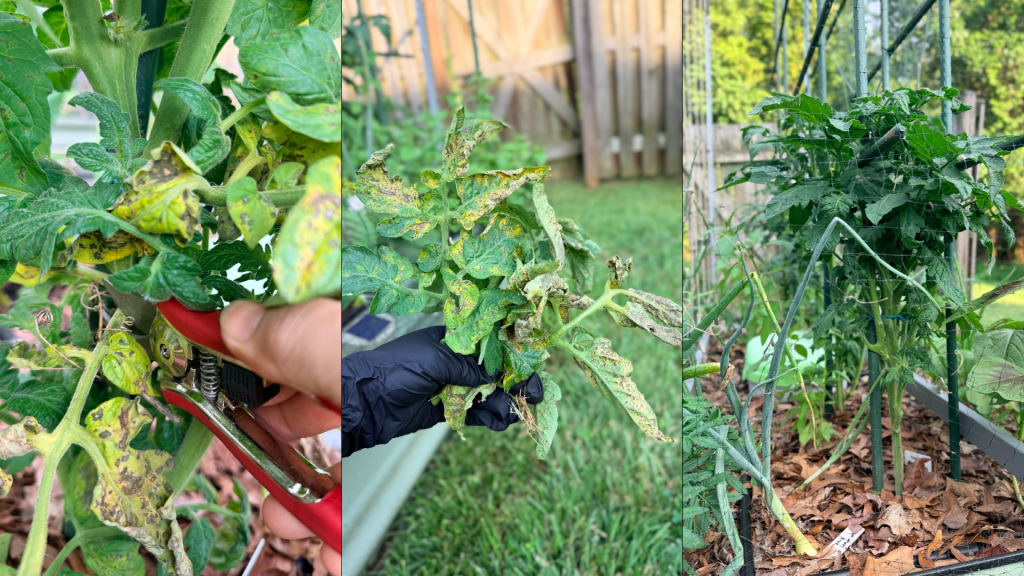
Pruning tomatoes can be confusing.
Some gardeners remove every sucker they see, while others never prune at all. If you’ve spent any time watching gardening videos, you’ve probably seen completely different advice depending on who’s teaching.
The truth is, there isn’t one single right way to prune tomatoes.
The best approach depends on what type of tomato you’re growing, how much space you have, and your gardening goals.
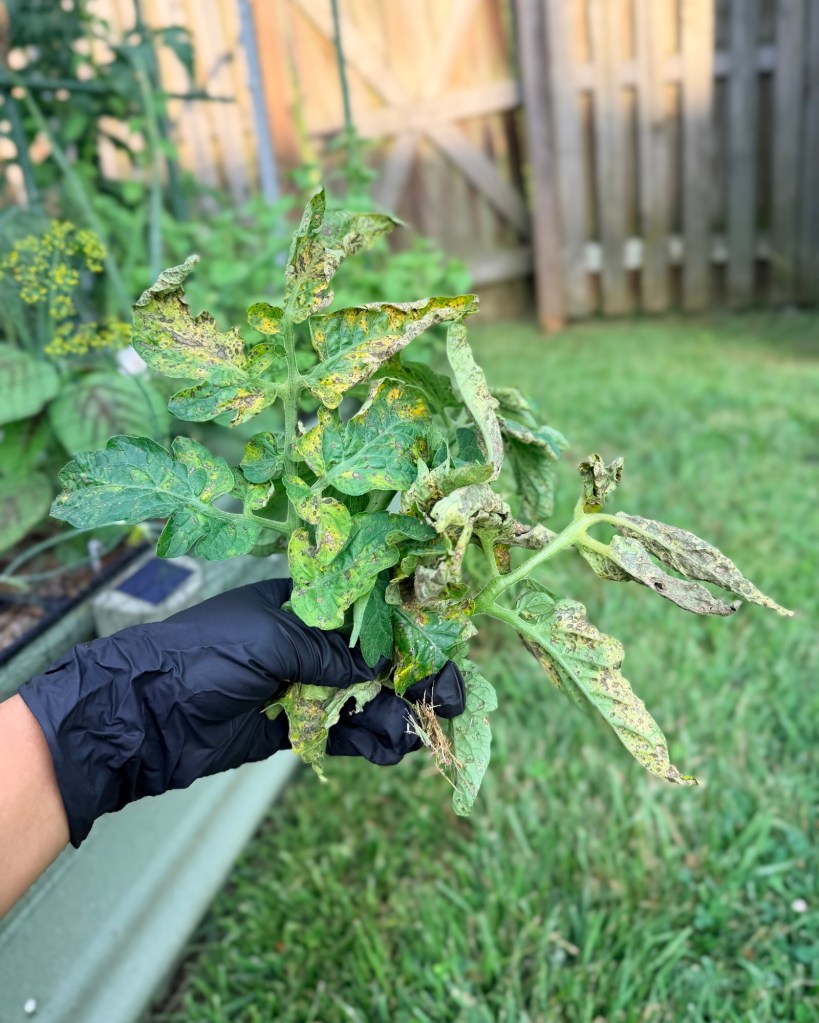
Over the years, I’ve learned that thoughtful pruning—not excessive pruning—helps create healthier plants, improves airflow, and makes harvesting much easier.
Here’s how I decide when and how to prune my tomato plants.
Do All Tomatoes Need Pruning?
The short answer is no.
The first step is knowing whether you’re growing determinate or indeterminate tomatoes.
Indeterminate Tomatoes
Indeterminate tomatoes continue growing, flowering, and producing fruit until frost ends the season.
These are the tomatoes that benefit most from regular pruning because they can become very large and dense.
Pruning helps:
- Improve airflow
- Reduce disease pressure
- Make harvesting easier
- Direct more energy into fruit production
Determinate Tomatoes
Determinate tomatoes grow to a set size before producing most of their fruit over a shorter period.
Because their growth is naturally limited, heavy pruning can actually reduce your harvest.
For determinate varieties, I usually remove only damaged, diseased, or lower leaves that touch the soil.
What About Dwarf Tomatoes?
Most of the tomatoes I grow are dwarf varieties.
Although many dwarf tomatoes continue producing throughout the season like indeterminate tomatoes, they naturally stay much more compact.
Because of that, I prune them much more lightly.
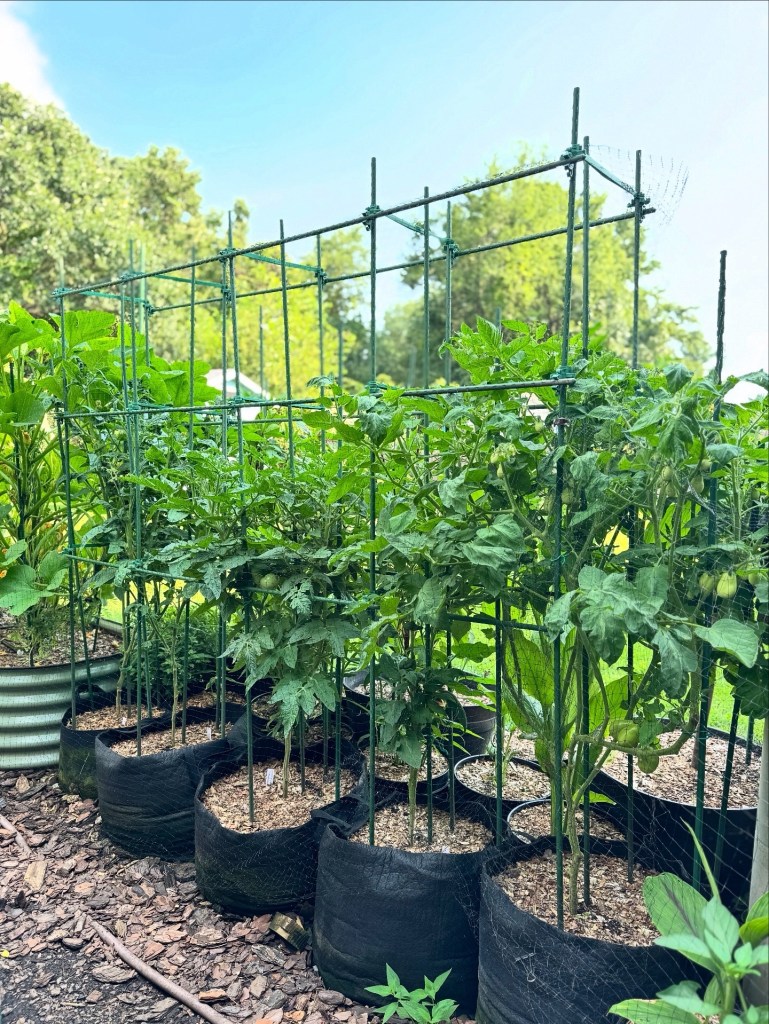
Instead of trying to create a single stem, I focus on:
- Removing damaged leaves
- Improving airflow
- Removing leaves touching the soil
- Occasionally thinning crowded growth
This keeps the plants healthy without sacrificing too much production.
When Should You Start Pruning?
I begin pruning once the plants are well established and actively growing.
There’s no need to rush.
Young tomato plants need their leaves to build strong roots and healthy stems.
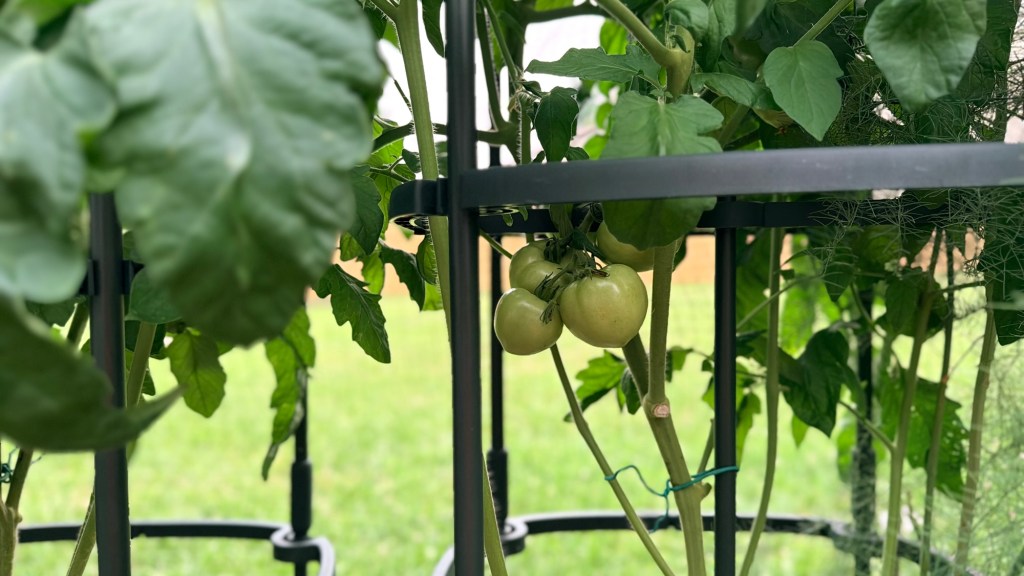
Waiting until the plants have developed several sets of true leaves allows them to become established before removing any growth.
Remove the Lower Leaves First
The first pruning I do each season is removing leaves that touch—or are close to—the soil.
This simple step helps reduce the chance of soil-borne diseases splashing onto the foliage during rain or watering.
As the plants grow taller, I continue removing lower leaves to maintain good airflow around the base.
What Are Tomato Suckers?
A tomato sucker is a small shoot that grows where a branch meets the main stem.
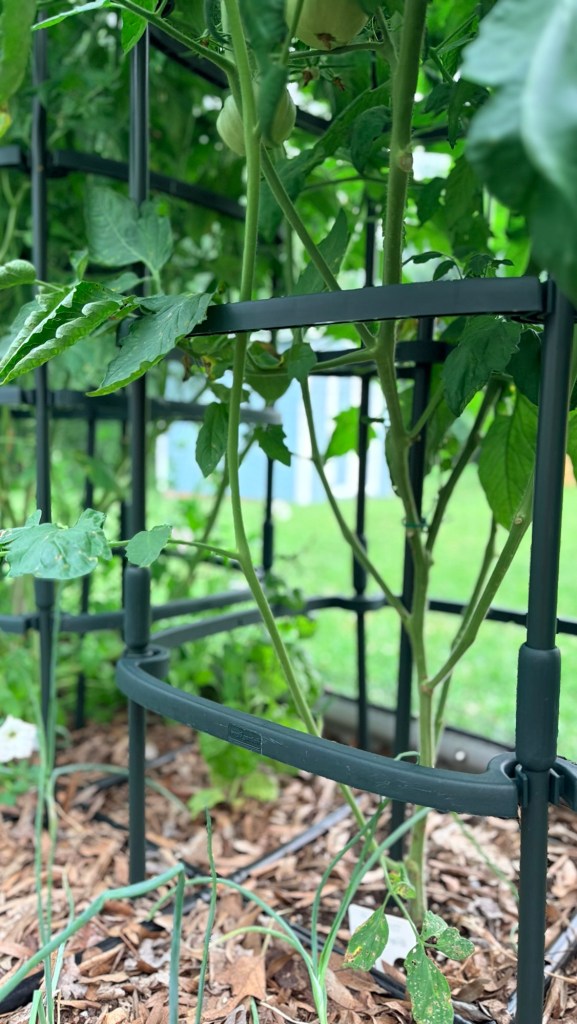
If left alone, many suckers eventually become full branches capable of producing flowers and fruit.
Whether you remove them depends on the type of tomato you’re growing and how much space you have.
For indeterminate tomatoes growing in smaller spaces, removing some suckers helps keep the plants more manageable.
For dwarf tomatoes, I usually leave most of them unless the plant becomes overcrowded.
How to Prune Tomato Plants
Pruning tomatoes doesn’t have to be complicated.
Here’s the routine I follow:
- Remove damaged or diseased leaves.
- Remove leaves touching the soil.
- Thin crowded interior growth to improve airflow.
- Remove selected suckers on indeterminate varieties if they become too crowded.
- Use clean, sharp pruners for larger stems.
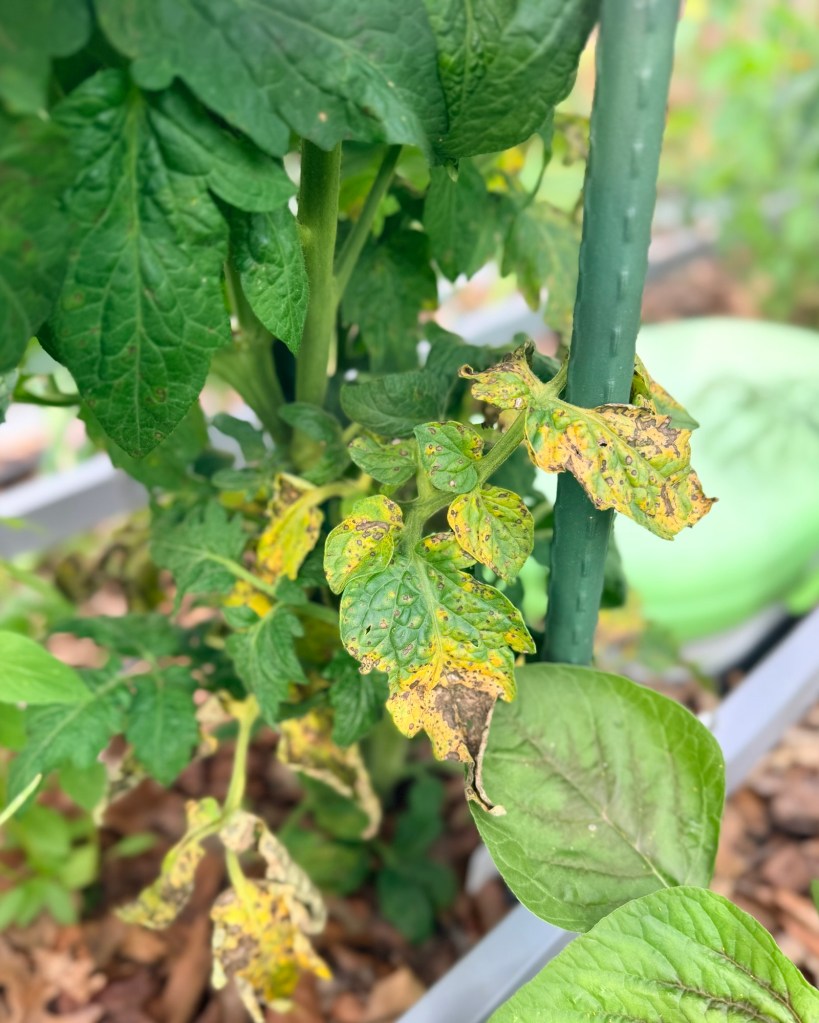
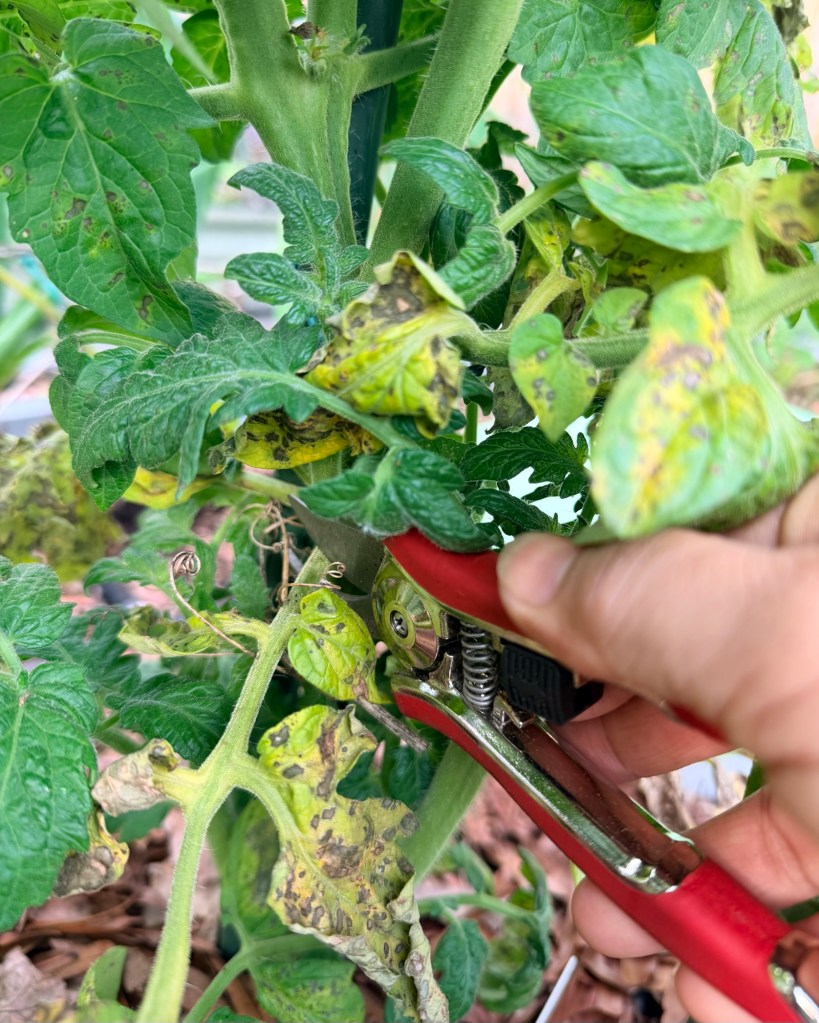
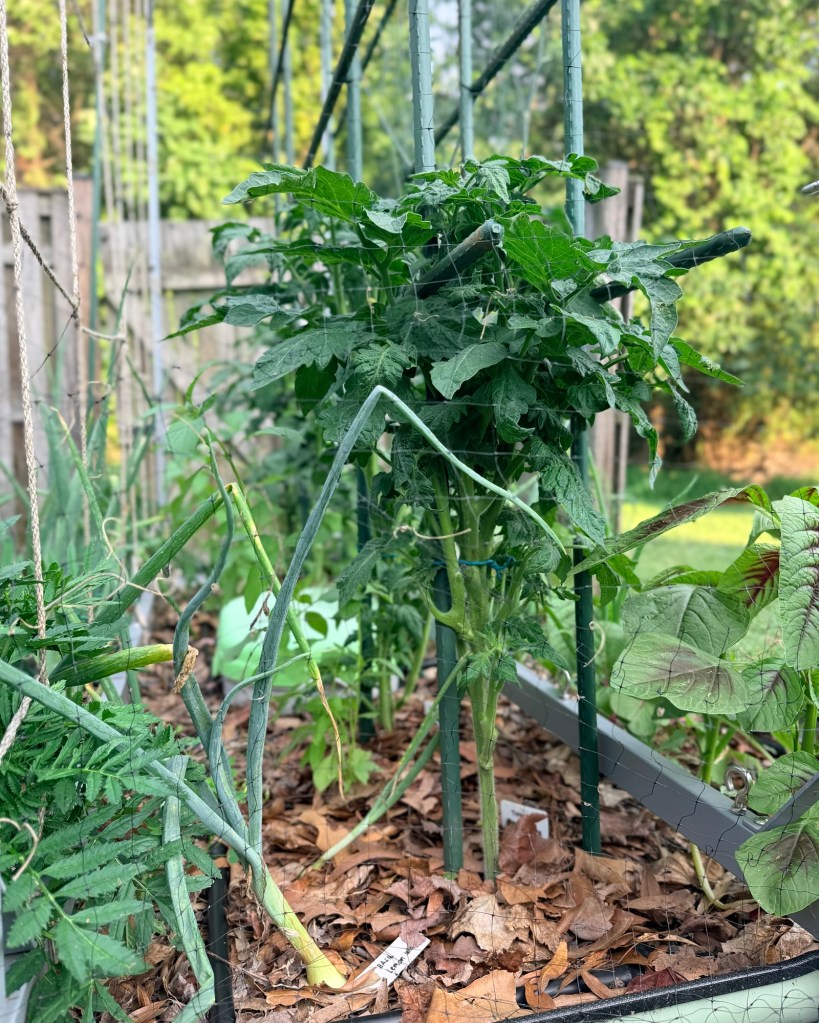
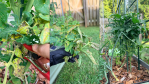
For tiny suckers, you can often pinch them off with your fingers.
Don’t Overprune
One of the biggest mistakes beginners make is removing too many leaves.
Those leaves are the plant’s food factories.
They capture sunlight and provide energy for producing fruit.
If you remove too much foliage, tomatoes become more exposed to intense summer sun, increasing the risk of sunscald on developing fruit.
I prefer making small adjustments throughout the season instead of giving the plant one major haircut.
Stop Pruning Near the End of the Season
Toward the end of summer, I shift my focus from encouraging new growth to helping existing fruit mature.
At that point, I remove only damaged or diseased foliage and avoid encouraging lots of new leafy growth that may not have enough time to produce ripe tomatoes before frost.
Should You Prune Tomatoes in Containers?
Yes—but lightly.
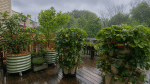
Container tomatoes often have less room for airflow, so removing damaged leaves and thinning crowded growth can be beneficial.
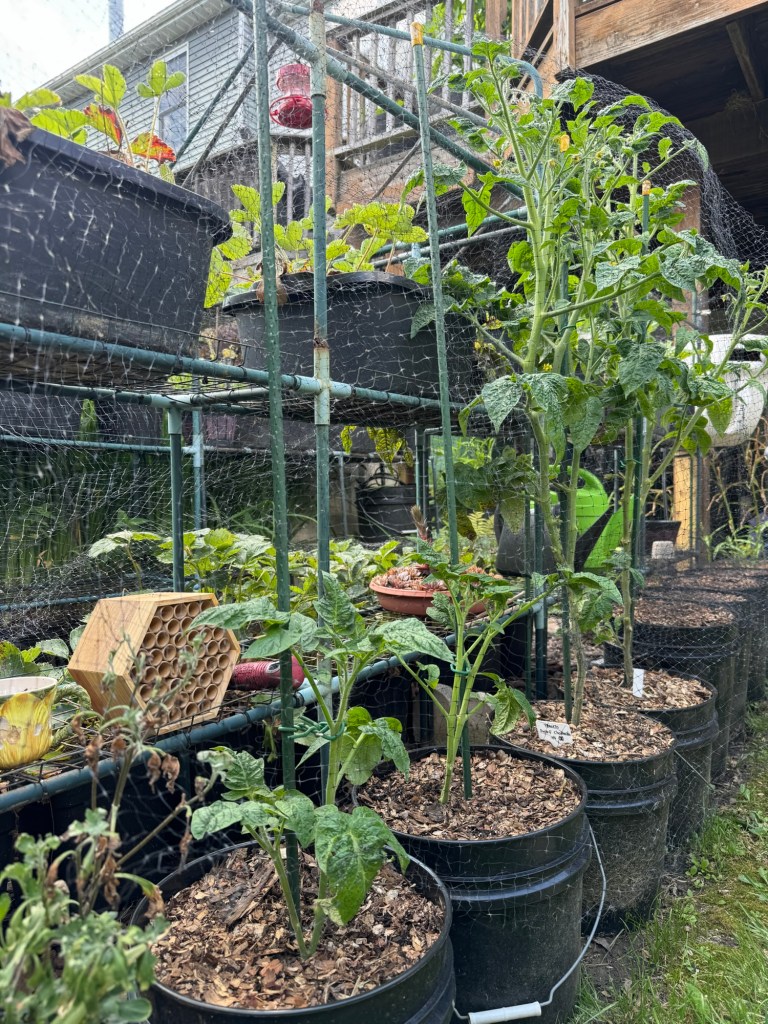
However, because container plants already have fewer resources than plants growing in the ground, I avoid aggressive pruning.
Healthy leaves are especially valuable in containers.
Common Tomato Pruning Mistakes
Here are a few mistakes I’ve learned to avoid:
- Pruning very young plants.
- Removing too many healthy leaves.
- Treating determinate tomatoes like indeterminate varieties.
- Pruning with dirty tools that can spread disease.
- Ignoring airflow in dense plants.
- Removing leaves during the hottest part of the day, which can temporarily stress plants.
A little pruning goes a long way.
Final Thoughts
Tomato pruning doesn’t have to be intimidating.
Instead of trying to follow a one-size-fits-all approach, learn what type of tomato you’re growing and prune with a purpose.
For me, pruning is less about creating perfect-looking plants and more about keeping them healthy. I focus on improving airflow, removing damaged growth, and giving the plants the support they need to thrive without stripping away too much foliage.
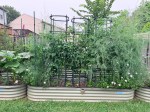
Whether you’re growing tomatoes in raised beds, containers, or a small backyard garden, thoughtful pruning can make harvesting easier and help your plants stay productive throughout the season.
Remember, healthy plants—not perfectly pruned plants—are the goal.
Let’s Grow Together
Do you prune your tomato plants every year, or do you prefer to let them grow naturally?
I’d love to hear what works in your garden! Share your tomato-growing tips, favorite varieties, or pruning questions in the comments below.
If you found this guide helpful, be sure to explore my other tomato-growing articles, seasonal garden updates, and practical gardening tips for growing food at home.





 Gingerfoot Garden
Leave a comment