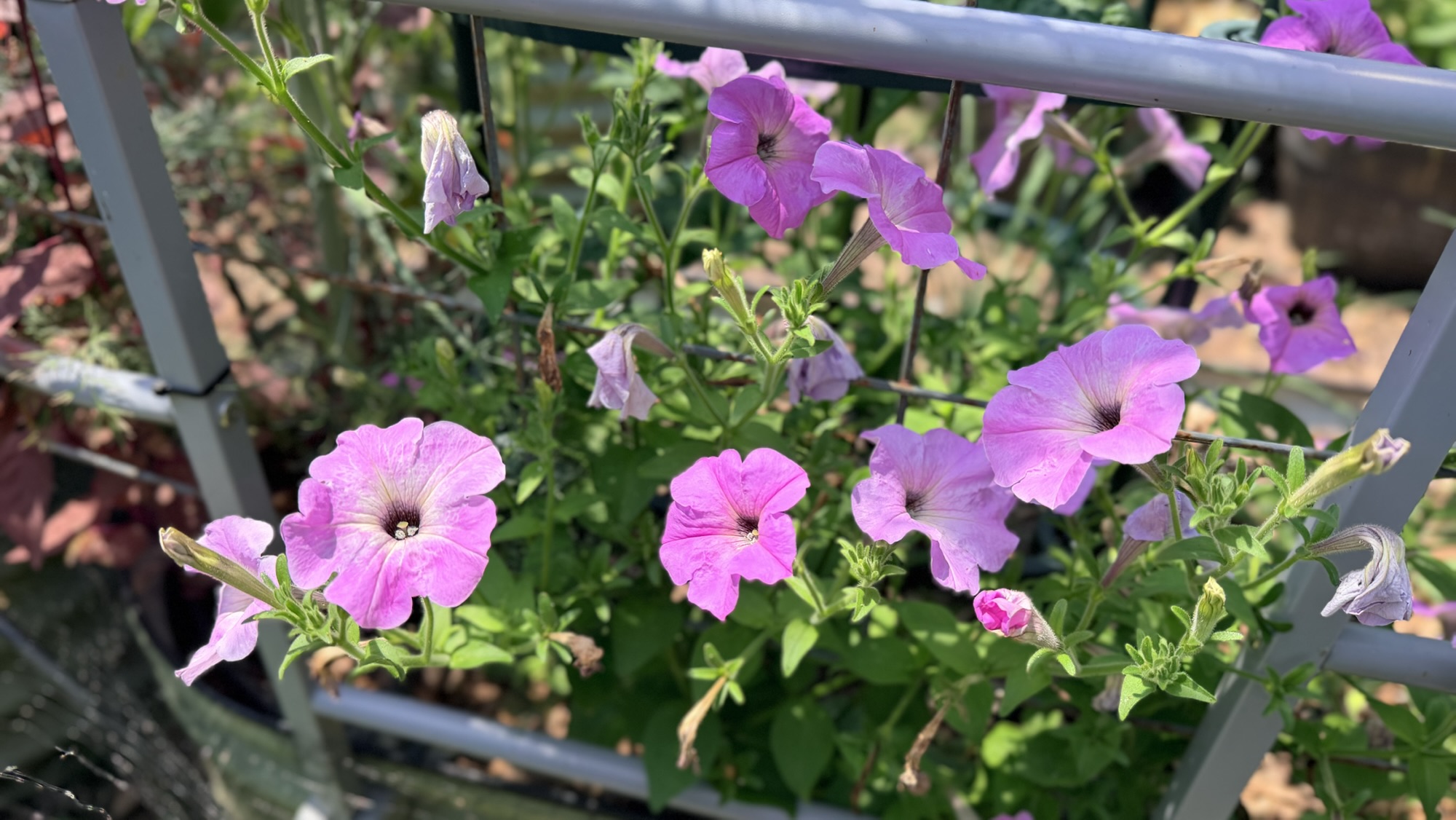
Petunias are one of those flowers that instantly make a garden feel cheerful.
Whether they’re spilling out of a container, filling a hanging basket, or tucked into a raised bed among vegetables, petunias provide months of colorful blooms with relatively little effort. I enjoy planting them throughout my garden because they add beauty while also attracting bees and other pollinators that visit my vegetables and herbs.
If you’re looking for a flower that’s beginner-friendly, versatile, and blooms for months, petunias are an excellent choice.
Here’s everything I’ve learned about growing healthy, vibrant petunias.
Choose the Right Type of Petunia
Petunias come in many shapes, sizes, and colors.
Some of the most common types include:
Grandiflora Petunias
Known for their large, showy blooms, these petunias make a beautiful display in containers and garden beds.
Multiflora Petunias
These produce smaller flowers but bloom in abundance and tend to perform better during rainy weather.
Wave Petunias
Wave petunias spread quickly, making them ideal for hanging baskets, containers, and as a colorful ground cover.
Supertunias®
These vigorous petunias are known for continuous blooming and generally require little to no deadheading, making them a popular choice for busy gardeners.


Choose the variety that best suits your garden style and available space.
Start from Seeds or Nursery Plants
Petunias can be grown from seed, but many gardeners choose nursery plants because they’re faster and easier.
Growing from Seed
Start seeds indoors about 10–12 weeks before your last expected frost.
The seeds are tiny and need light to germinate, so gently press them onto the surface of moist seed-starting mix without covering them.
Keep the soil lightly moist and provide bright light once seedlings emerge.
Planting Nursery Starts
Young petunia plants establish quickly after the last frost and often begin blooming soon after planting.
They’re a great option if you’d like instant color in your garden.
Give Petunias Plenty of Sun
Petunias love sunshine.
For the best flowering, provide at least 6–8 hours of direct sunlight each day.
The more sun they receive, the more blooms they’ll produce.

During exceptionally hot Maryland summers, a little afternoon shade can help reduce stress, but full sun is still ideal.
Plant in Well-Draining Soil
Petunias perform best in loose, well-draining soil.
Before planting, I like to mix compost into the soil to improve fertility and structure.
Whether you’re planting in raised beds or containers, avoid heavy soil that stays wet after rain.
Healthy roots are the foundation of healthy blooms.
Water Consistently
Petunias prefer evenly moist soil, especially while becoming established.
Once mature, they’re fairly drought tolerant, but they’ll bloom better with regular watering.
Water deeply whenever the top inch of soil begins to dry.
Container-grown petunias dry out much faster than those planted in the ground, so they usually need more frequent watering during the summer.
Morning watering gives plants time to dry before evening.
Fertilize Regularly
Because petunias bloom continuously, they appreciate regular feeding.
I usually mix compost into the soil when planting and I aim to apply a balanced liquid fertilizer every couple of weeks during the growing season, especially for container-grown plants.
Regular feeding helps support healthy foliage and continuous flowering.
Deadhead and Prune
Many newer petunia varieties are self-cleaning, but older varieties benefit from regular deadheading.
Removing faded flowers encourages the plant to produce more blooms instead of seeds.
If plants begin looking leggy by midsummer, don’t be afraid to trim them back by about one-third.
A little pruning often encourages fresh growth and another flush of flowers.
Growing Petunias in Containers
Petunias are among my favorite flowers for containers.
They’re perfect for:
- Hanging baskets
- Window boxes
- Patio planters
- Deck containers
- Raised beds
Choose a container with drainage holes and use a quality potting mix.
Since containers dry out more quickly, check the soil regularly during hot weather.
Pair Petunias with Vegetables
One of the things I enjoy most is mixing flowers into my vegetable garden.
Petunias look beautiful planted alongside crops like:
- Tomatoes
- Peppers
- Cucumbers
- Basil
- Eggplant
- Squash
Besides adding color, they attract pollinators that help create a more active and diverse garden.

I simply enjoy the balance they bring between beauty and productivity.
Common Problems
Petunias are generally easy to grow, but you may occasionally run into a few issues.
Leggy Plants
Usually caused by insufficient pruning, aging growth, or too little sunlight.
Yellow Leaves
Can result from overwatering, poor drainage, or nutrient deficiencies.
Fewer Flowers
Often caused by inadequate sunlight or a lack of fertilizer.
Wilting
Usually a sign that containers have dried out during hot weather.
Regular maintenance keeps plants looking their best.
What Works in My Maryland Garden
Petunias have become one of my favorite annual flowers because they fit almost anywhere.
I like planting them in the edges of my raised beds, where they add cheerful color and help attract bees and other pollinators to the garden.

Another thing I’ve noticed over the years is that petunias often return as volunteers in my garden. Even though they’re technically annuals, I always find new seedlings popping up in my raised garden beds where I planted them the previous season. It’s always a pleasant surprise to see them come back on their own, adding unexpected color without any extra effort.
I’ve found that consistent watering, regular feeding, and trimming plants back when they begin looking tired keeps them blooming well into fall. Even a simple container of petunias can brighten an entire patio and make the garden feel more welcoming.
If you’re looking for an easy flower that delivers months of color with relatively little maintenance, petunias are hard to beat. They’re perfect for beginner gardeners, small-space gardens, and anyone who wants to enjoy vibrant blooms all season long.
If this guide helped you feel more confident about growing petunias, save it for later and share it with another gardener. I’d love to hear—which petunia color or variety is your favorite?
This page contains affiliate links to my brand partners like Vego Garden, GreenStalk, Walmart & Amazon at no extra cost to you.
Your support helps me create free gardening content. Thank you!


Leave a Reply