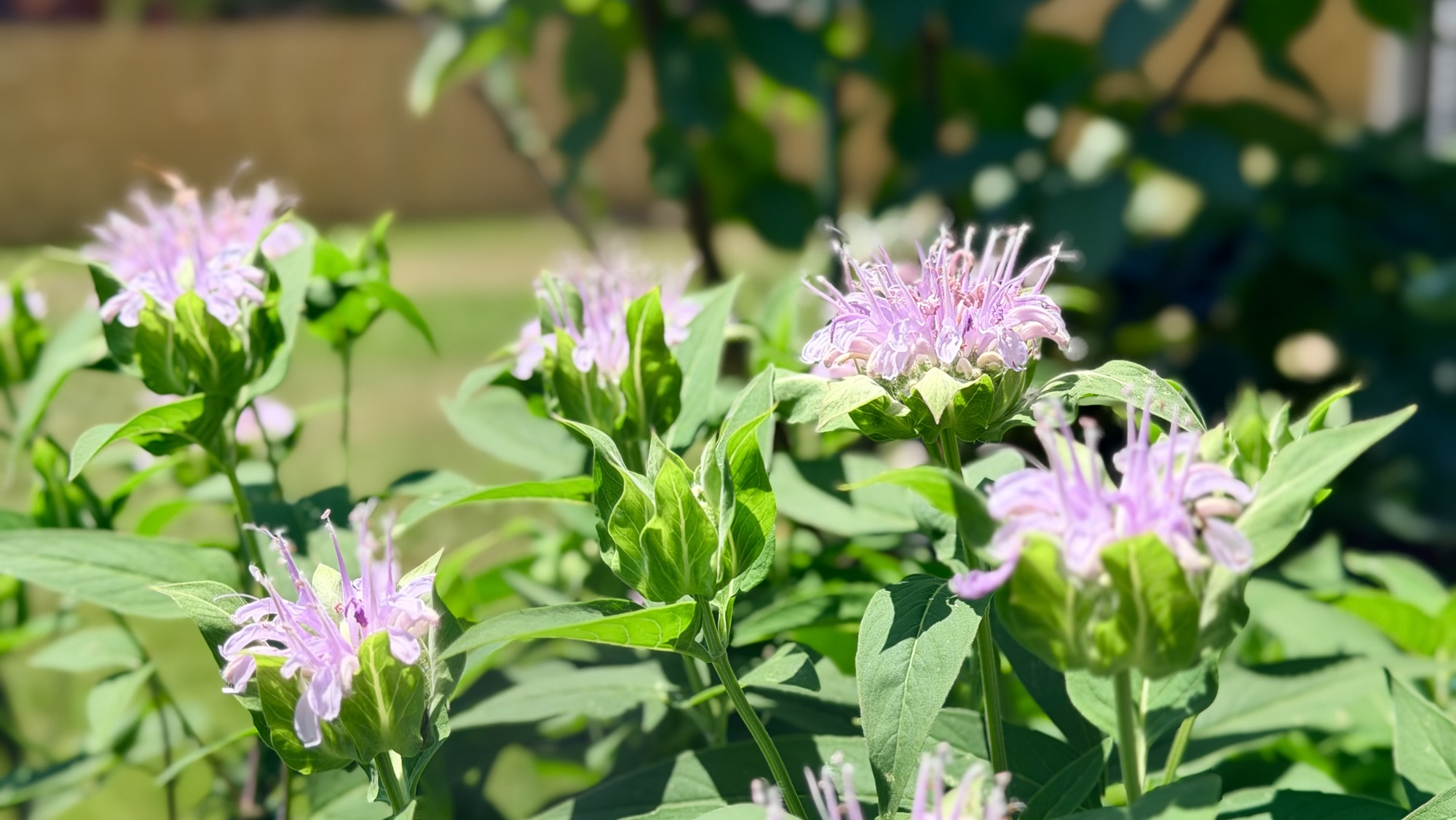
If you want to turn your garden into a pollinator paradise, bee balm (Wild Bergamot) is one of the best plants you can grow.
Every summer, I look forward to seeing its colorful blooms covered with bees, butterflies, and hummingbirds. It brings so much life to the garden and serves as a reminder that a productive garden isn’t just about growing food—it’s also about supporting a healthy ecosystem.

One of the things I appreciate most about bee balm is its resilience. After rearranging parts of my garden, I thought I had lost mine completely. To my surprise, volunteer seedlings appeared the following season, and I happily let them grow in a new corner.

If you’re looking for an easy perennial that supports pollinators while adding vibrant color, bee balm is an excellent choice.
Here’s everything you need to know about growing it.
Choose the Right Variety
Bee balm comes in a range of beautiful colors and sizes.
Some common varieties include:
- Red bee balm
- Pink bee balm
- Purple bee balm
- White bee balm
- Dwarf varieties for smaller gardens
Native varieties are especially valuable because they’re well adapted to local conditions and provide excellent food sources for pollinators.


Choose a variety that fits your garden space and complements your existing flower beds.
Give Bee Balm Plenty of Sun
Bee balm performs best in full sun.
Aim for at least 6 hours of direct sunlight each day.

In hotter climates, including Maryland summers, plants benefit from a bit of afternoon shade, especially during extended heat waves.
Good sunlight encourages stronger stems, healthier foliage, and more abundant blooms.
Plant in Rich, Well-Draining Soil
Bee balm thrives in fertile soil that retains moisture while still draining well.
Before planting, I like to mix compost and a balanced slow release fertilizer into the soil to improve both fertility and structure.
Unlike drought-tolerant herbs, bee balm prefers soil that stays evenly moist.

Adding a layer of mulch helps regulate soil temperature and conserve moisture during the summer.
Water Consistently
Consistent watering keeps bee balm healthy and blooming.
Water deeply whenever the top inch or two of soil begins to dry out.
During hot summer weather, newly planted bee balm may need more frequent watering until it becomes established.
Container-grown plants typically require more frequent watering than those planted in the ground.
Fertilize in Moderation
Bee balm isn’t a heavy feeder.
Adding compost each spring is often enough to support healthy growth.

If your soil is poor, a balanced slow-release fertilizer can provide an extra boost.
Avoid excessive nitrogen, which encourages leafy growth at the expense of flowers.
Deadhead for More Blooms
Removing spent flowers encourages continued blooming.
Simply snip off faded blooms above a healthy set of leaves.


At the end of the season, you can leave some seed heads in place to provide winter interest or food for birds.
Divide Every Few Years
Like many perennials, bee balm benefits from dividing every 2–3 years.
Dividing helps:
- Prevent overcrowding
- Improve airflow
- Reduce disease problems
- Rejuvenate older plants
- Create free new plants
Spring or early fall is usually the best time to divide mature clumps.
Watch for Powdery Mildew
One of the most common issues with bee balm is powdery mildew.
Fortunately, it’s often more cosmetic than harmful.
To reduce the chances of mildew:
- Give plants adequate spacing
- Improve air circulation
- Water at the base rather than overhead
- Remove heavily affected leaves if needed
Choosing mildew-resistant varieties can also help.
Bee Balm Is a Pollinator Magnet
One of the main reasons I grow bee balm is for the pollinators.
Its nectar-rich flowers attract:
- Bees
- Bumblebees
- Butterflies
- Hummingbirds
- Beneficial insects
The more pollinators visiting your garden, the better the pollination of many fruits and vegetables.
Growing flowers like bee balm alongside your vegetable garden helps create a healthier, more diverse ecosystem.
Growing Bee Balm in Containers
Bee balm Monarda (Wild Bergamot) is a member of the mint family Lamiaceae. Like traditional mint, it has square stems, opposite leaves, and a tendency to spread quickly in the garden. This is one of the reasons I prefer growing it in containers.
Growing bee balm in a container is a great way to control its spreading habit and reduce the risk of powdery mildew by improving airflow and allowing you to adjust its sunlight exposure more easily.
Choose a pot with good drainage, use a quality potting mix, and keep the soil evenly moist.
I’ve grown bee balm in 5-gallon pots, but it performs better in 20-gallon containers. I’m currently growing the pink variety.
Although bee balm is often grown in flower beds, dwarf varieties also do well in large containers.
Containers are a great option for patios and small-space gardens where every square foot counts.
What Works in My Maryland Garden
Bee balm has become one of my favorite perennial flowers in my Maryland Zone 7 garden.
One year, after rearranging part of the garden, I thought I had lost all of my plants. The following season, volunteer seedlings surprised me by popping up on their own. Instead of pulling them, I transplanted a few into another corner where they could continue attracting pollinators.
I’ve found that giving bee balm enough space, watering consistently during dry spells, and maintaining good airflow helps keep it healthy. I kept my container grown bee balm close to the water source to make it easier for me to water.
Every summer, the blooms become a favorite stop for bees and other beneficial insects, and seeing the garden buzzing with life is one of the most rewarding parts of the season.
If you’re hoping to grow more food, don’t overlook the flowers. Plants like bee balm don’t just make your garden more beautiful—they help support the pollinators that many of your vegetables rely on.
If this guide helped you feel more confident about growing bee balm, save it for later and share it with another gardener. I’d love to hear—what pollinators visit your garden most often?
This page contains affiliate links to my brand partners like Vego Garden, GreenStalk, Walmart & Amazon at no extra cost to you.
Your support helps me create free gardening content. Thank you!


Leave a Reply