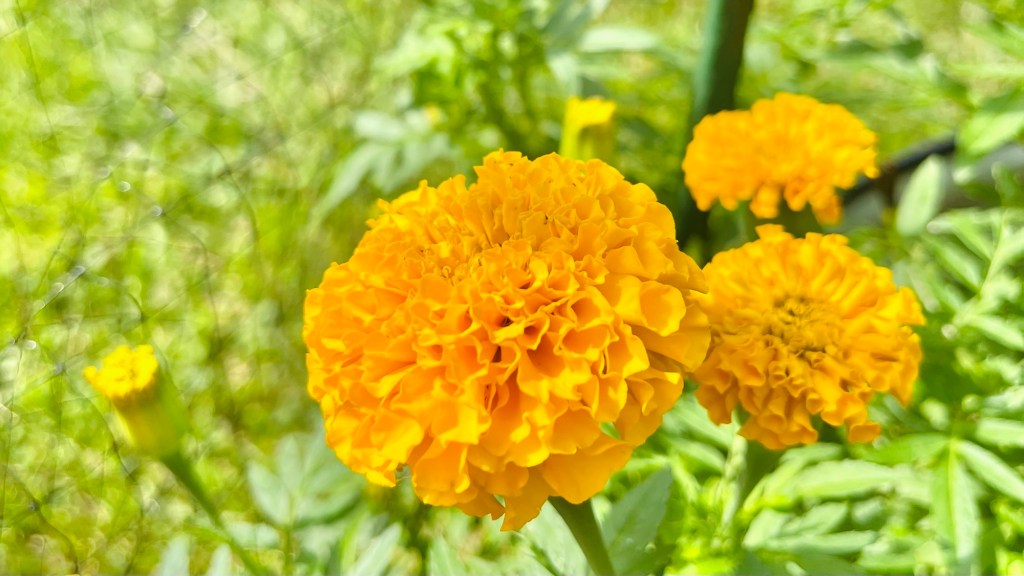
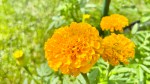
If there’s one flower that earns a place in my vegetable garden every year, it’s marigolds.
Their cheerful blooms bring beautiful color to the garden, but they also attract pollinators and beneficial insects that help create a healthier growing environment. I love tucking marigolds between my vegetables because they add beauty while making the garden feel alive with bees and butterflies.
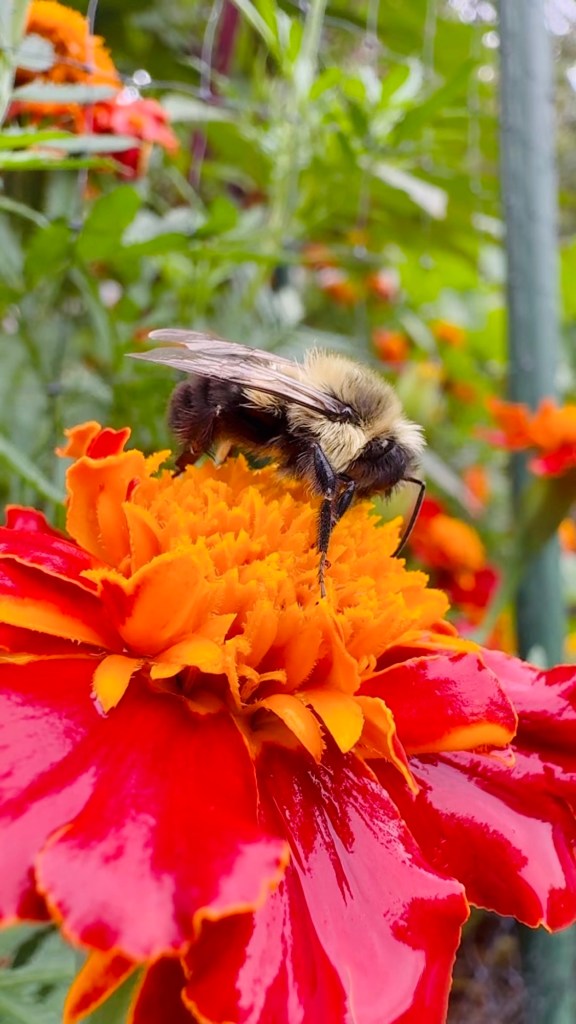
They’re also one of the easiest flowers to grow, making them perfect for beginner gardeners.
Here’s everything I’ve learned about growing healthy, vibrant marigolds.
Choose the Right Type of Marigold
Not all marigolds are the same.
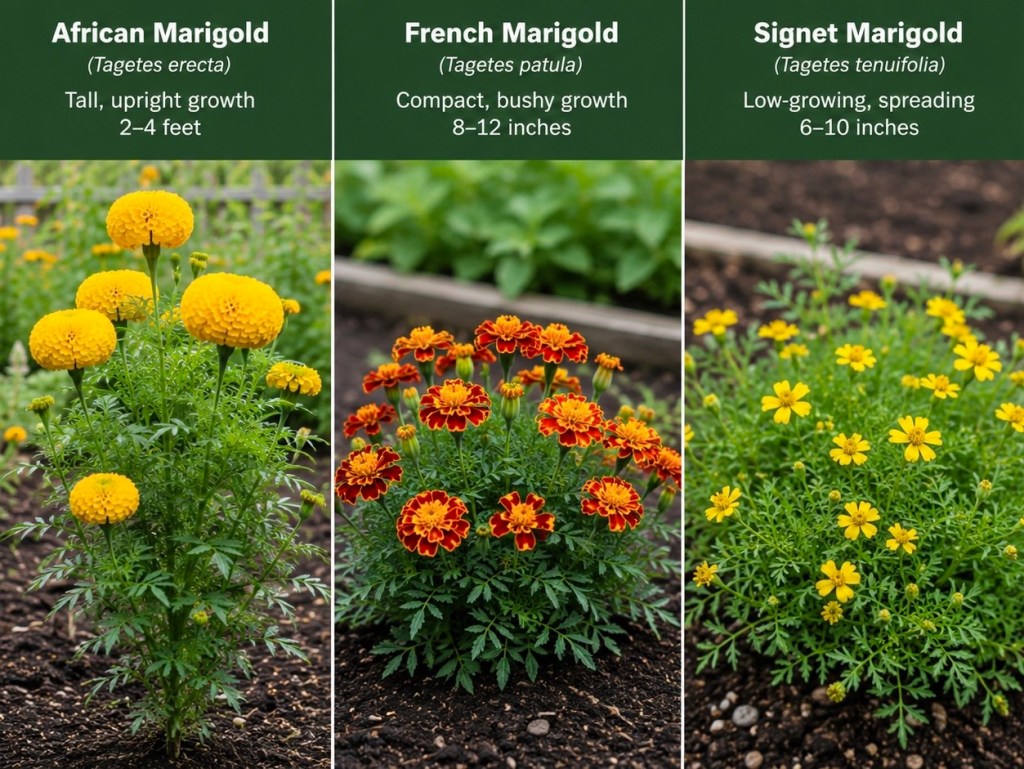
The three most common types include:
French Marigolds
Compact plants with lots of small flowers.
They’re perfect for containers, raised beds, and edging vegetable gardens.
African Marigolds
These grow taller and produce large, showy blooms.
They’re excellent for creating bold splashes of color.
Signet Marigolds
These have delicate foliage and smaller edible flowers with a light citrus flavor.
They’re wonderful in borders and pollinator gardens.
Choose the type that best fits your available space and gardening goals.
Start from Seed or Nursery Plants
Marigolds are one of the easiest flowers to grow from seed.
Starting from Seed
Sow seeds indoors about 4–6 weeks before your last frost, or direct sow them outdoors after the danger of frost has passed.
Plant seeds about ¼ inch deep and keep the soil lightly moist until they germinate.
Most varieties sprout within a week.
Planting Nursery Starts
If you’d rather enjoy flowers sooner, young nursery plants establish quickly and begin blooming not long after planting.
Give Marigolds Plenty of Sun
Marigolds thrive in full sun.
Choose a location that receives at least 6–8 hours of direct sunlight each day.
The more sunshine they receive, the more flowers they’ll produce.
In especially hot climates, a little afternoon shade won’t hurt, but full sun generally provides the best blooms.
Plant in Well-Draining Soil
Marigolds aren’t particularly fussy about soil.
They grow well in average garden soil as long as it drains well.
Before planting, I like to mix in a little compost to improve soil structure and support healthy growth.
Avoid heavy, waterlogged soil, which can lead to root problems.
Water Deeply but Don’t Overwater
Young marigolds need regular watering while becoming established.
Once mature, they’re fairly drought tolerant.
Water deeply whenever the top inch or two of soil begins to dry.
Avoid keeping the soil constantly wet, especially in containers.
Morning watering helps the foliage dry quickly and reduces the chance of disease.
Fertilize Sparingly
Marigolds don’t require much fertilizer.
Too much nitrogen encourages leafy growth with fewer flowers.
A small amount of compost at planting time is usually enough.
If you’re growing marigolds in containers, a light feeding with a balanced fertilizer every few weeks can help support continuous blooming.
Deadhead for More Flowers
One of the easiest ways to keep marigolds blooming is to remove spent flowers.
Deadheading encourages the plants to produce more buds instead of putting energy into seed production.
Simply pinch or snip faded blooms just above the next set of leaves.
Regular deadheading keeps plants looking tidy throughout the season.
Let Marigolds Reseed Naturally
Another easy way to enjoy marigolds year after year is to let them reseed themselves.
At the end of the season, I simply sprinkle some of the spent flowers directly into the soil. By spring, they often sprout on their own like little volunteers.
All I have to do is gently move the seedlings to the spots where I want them to grow. It’s a simple, low-effort way to fill the garden with marigolds without having to start from scratch each year.
Companion Planting with Marigolds
One of the reasons I enjoy growing marigolds is how easily they fit into a vegetable garden.
I often plant them alongside:
- Tomatoes
- Peppers
- Cucumbers
- Beans
- Squash
- Herbs
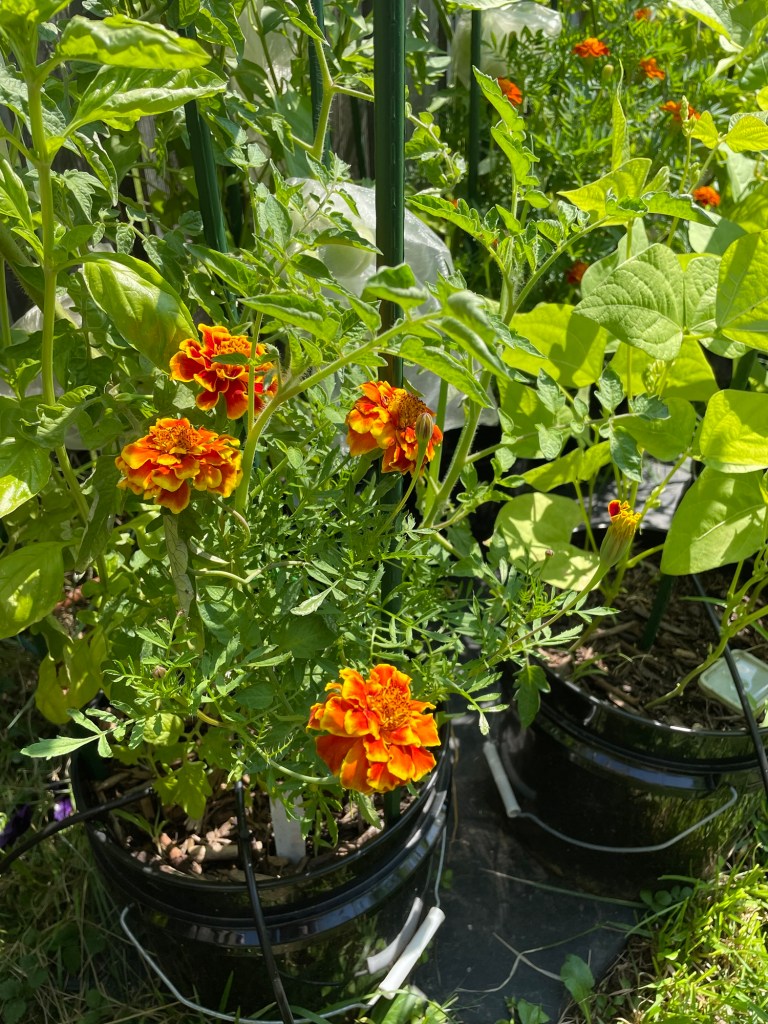
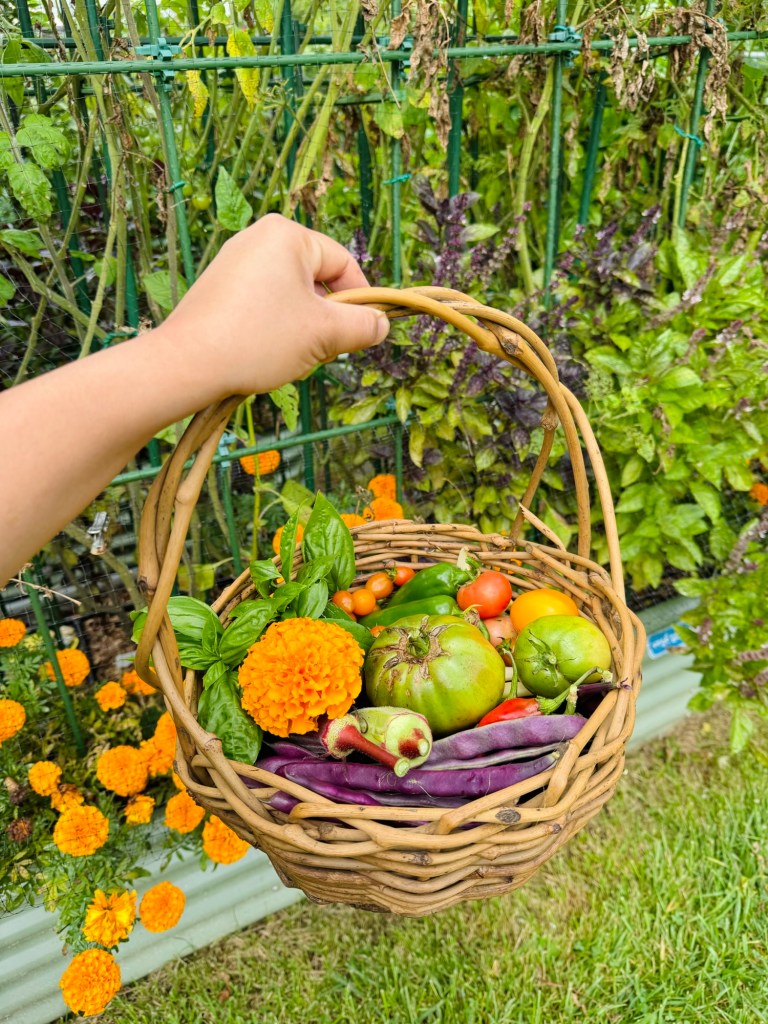
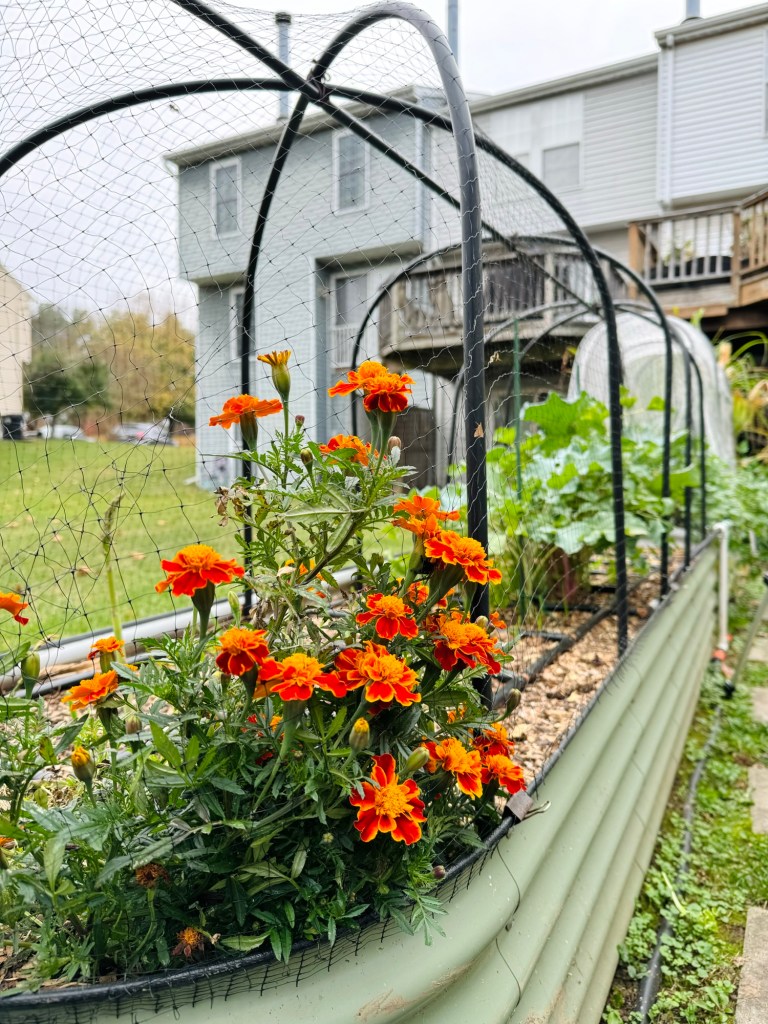
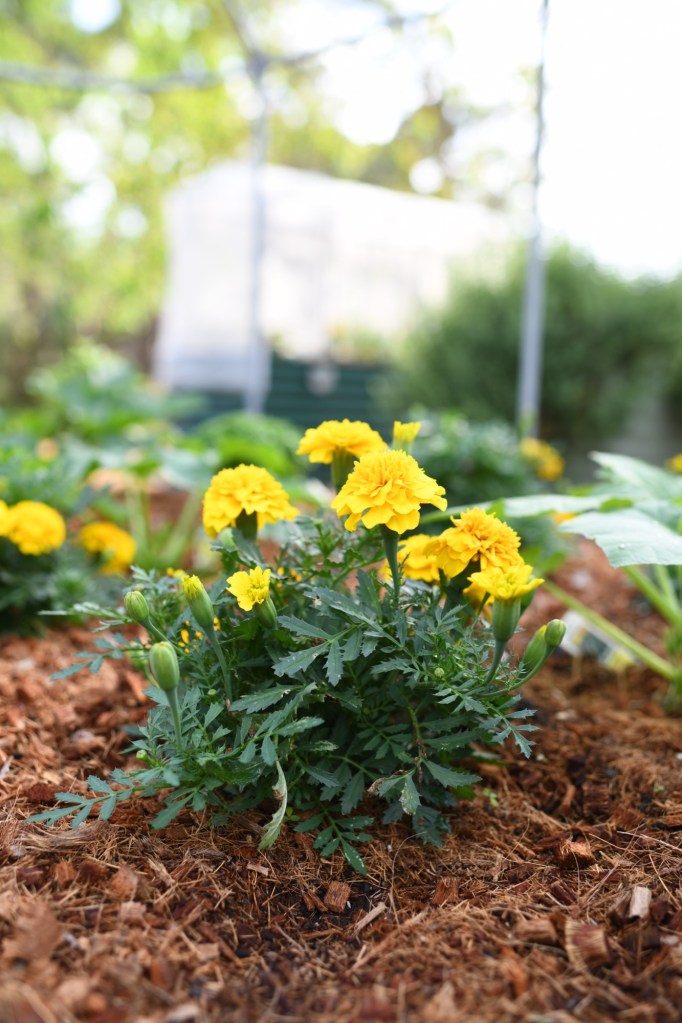
While marigolds are commonly recommended as companion plants, research on their ability to repel pests is mixed and often depends on the specific pest and marigold variety. Even so, I enjoy including them because they attract pollinators and beneficial insects, increase biodiversity, and add beautiful color throughout the garden.
Growing Marigolds in Containers
Marigolds are excellent container plants.
Their compact size makes them perfect for:
- Patio containers
- Deck planters
- Window boxes
- Raised beds
- Hanging baskets (smaller varieties)
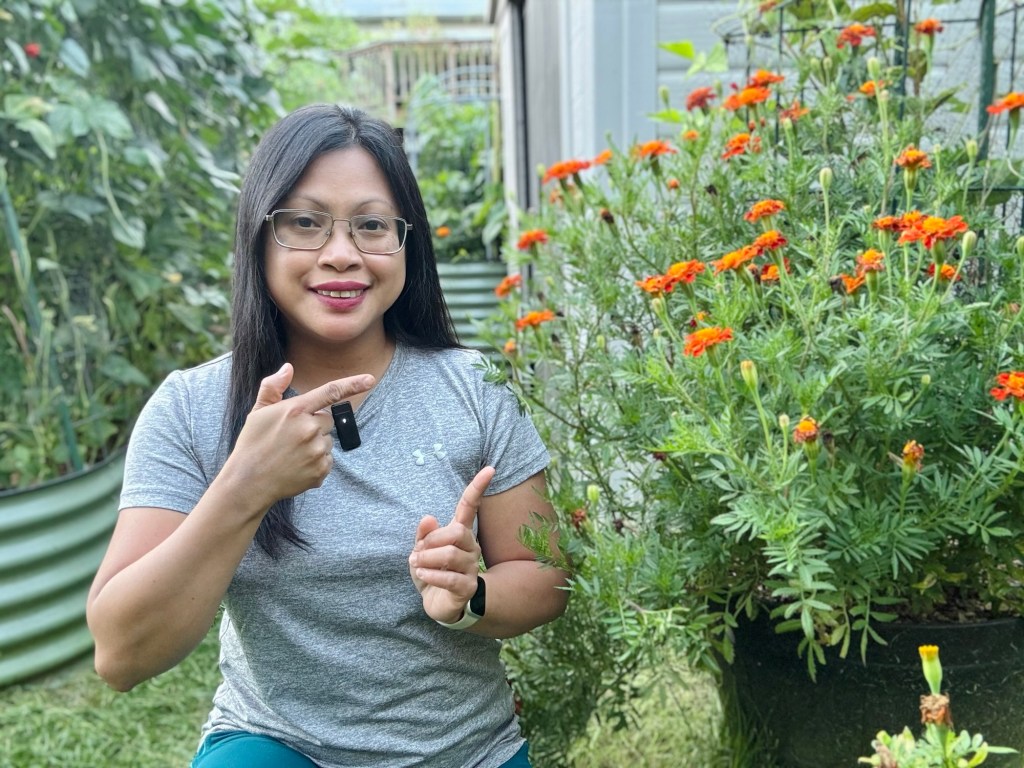
Choose containers with drainage holes and use a quality potting mix.
Regular watering and occasional feeding will keep container-grown marigolds blooming all season.
Common Problems
Marigolds are generally low maintenance.
However, a few issues can occasionally appear.
Yellow Leaves
Often caused by overwatering or poor drainage.
Powdery Mildew
Can develop during humid weather if plants are overcrowded.
Good spacing improves airflow.
Fewer Flowers
Usually caused by too much fertilizer or insufficient sunlight.
Most problems are easily avoided with proper care.
Saving Marigold Seeds
One of the easiest ways to grow marigolds year after year is by saving seeds.
Allow a few flowers to dry completely on the plant.
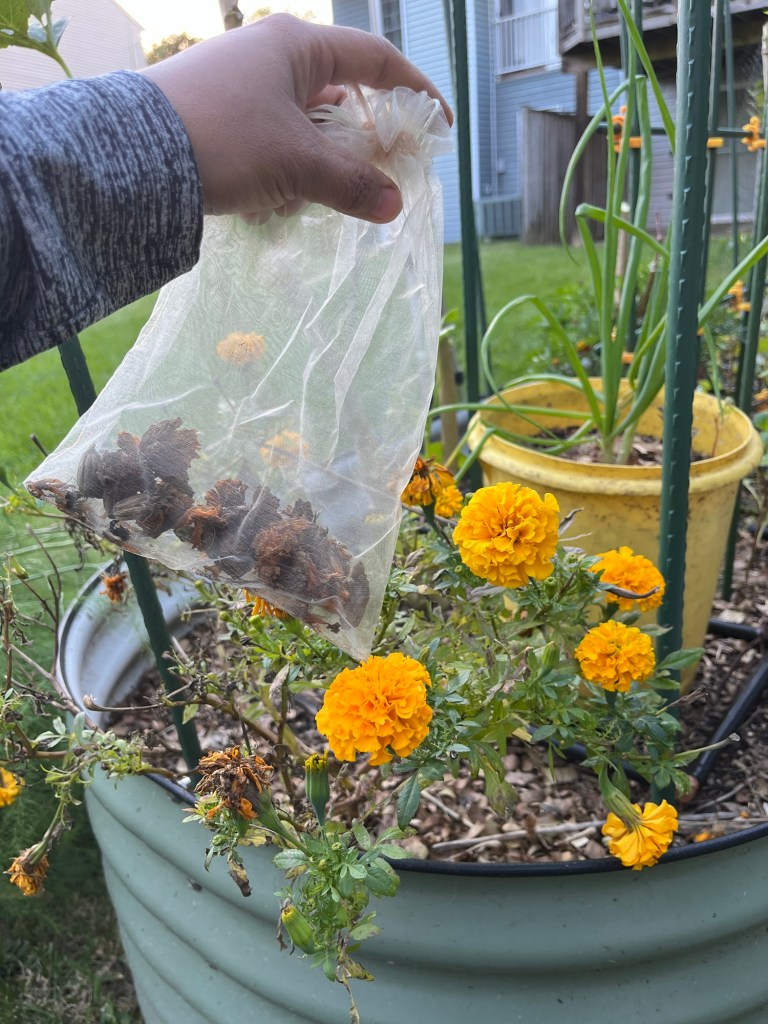
Once they’re brown and dry, collect the seeds and store them in a cool, dry place until next spring.
It’s an easy way to expand your garden without buying new plants every year.
What Works in My Maryland Garden
Marigolds have become a staple in my Maryland Zone 7 garden.
Every year, I tuck them between vegetables, around raised beds, and anywhere I want a little extra color. They bloom for months, attract pollinators, and help make the garden feel vibrant and full of life.
I’ve found they perform best with plenty of sunshine, moderate watering, and regular deadheading. They’re also one of the easiest flowers to grow from seed, making them a great choice if you’re just getting started with gardening.
Whether you’re growing vegetables, herbs, or flowers, marigolds are a simple addition that brings beauty, supports beneficial insects, and brightens the garden all season long.
If this guide helped you feel more confident about growing marigolds, save it for later and share it with another gardener. I’d love to know—which type of marigold is your favorite to grow?






 Gingerfoot Garden
Leave a comment