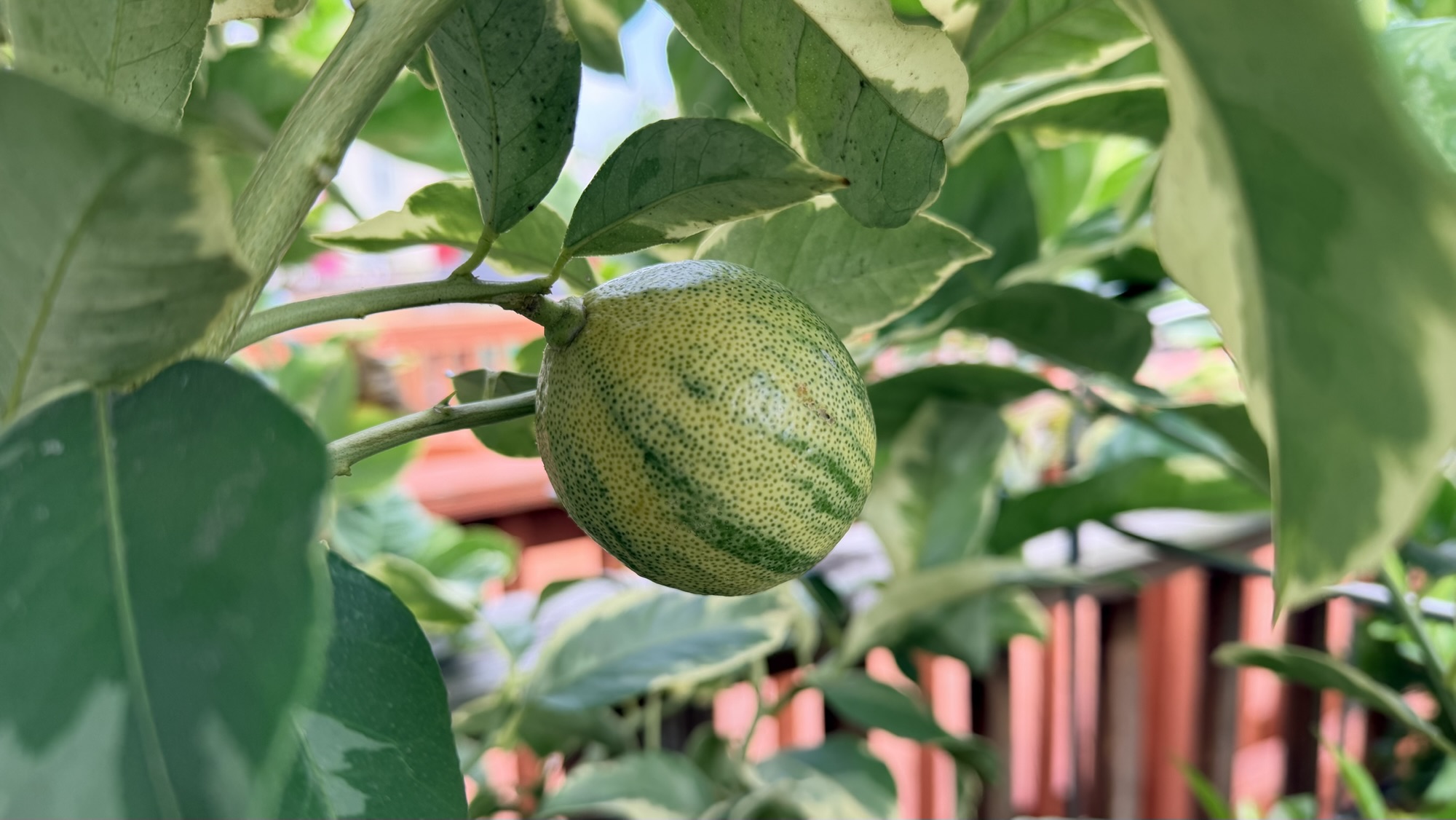
There’s something special about harvesting citrus from your own backyard—especially when you live in a climate where citrus trees aren’t supposed to grow.
When I first started growing citrus, I wasn’t sure if it would work in my Maryland Zone 7 garden. Winters here are simply too cold for most citrus trees to survive outdoors year-round. But by growing them in containers and bringing them indoors during the coldest months, I’ve been able to enjoy fresh lemons and calamansi despite our freezing winters.

Today, I grow several citrus trees, including Pink Lemonade Lemon, Meyer Lemon, Calamansi, and Variegated Calamondin.
Growing citrus in a cold climate requires a different approach than gardening in Florida or California, but it’s absolutely possible with a little planning.
Here’s everything I’ve learned about growing citrus where winters get cold.
Can Citrus Trees Grow in Cold Climates?
Yes—but most citrus trees cannot survive freezing temperatures for extended periods.
If you live in USDA Zones 7 or colder, citrus is usually grown in containers so it can be moved indoors or into a protected space before hard freezes arrive.
Container growing gives you the flexibility to enjoy tropical fruit while still living in a four-season climate.
Choose the Right Citrus Variety
Some citrus trees are naturally more tolerant of cool weather than others.
Good choices for container gardeners include:
- Meyer lemon
- Calamansi (Calamondin)
- Variegated calamondin
- Kumquat
- Mandarin
- Dwarf orange varieties
- Dwarf lime varieties
These varieties remain more manageable in containers and generally adapt well to life on a patio during summer and indoors during winter.
The Citrus Trees I Grow
Over the years, I’ve added several citrus trees to my collection.
My favorites include:
- Pink Lemonade Lemon
- Meyer Lemon
- Calamansi
- Variegated Calamondin


Each has slightly different growth habits, but they all share similar care requirements.
One thing I’ve learned is that citrus quickly becomes addictive—it’s hard to stop at just one tree! 😁
Why Containers Are the Best Choice
Unless you live in a frost-free climate, containers offer the easiest way to grow citrus successfully.
Container growing allows you to:
- Move plants before freezing weather
- Control soil quality
- Protect roots during winter
- Grow citrus on patios and decks
- Adjust sunlight throughout the year
It’s the method that has worked best for me.
Choosing the Right Container
Citrus trees don’t like cramped roots forever, but they also don’t need enormous pots immediately.
Choose a container with:
- Excellent drainage holes
- Heavy enough material to prevent tipping
- High-quality potting mix
- Enough room for future growth
Instead of placing young trees directly into oversized pots, gradually move them into larger containers as they grow.
I started my citrus trees in small 1-gallon pots and gradually moved them into larger containers as they grew.
One of the biggest signs that it was time to pot them up was when the roots had filled the container and the soil started drying out much faster than before.
At one point, I moved some of mine from a 1-gallon pot to a 10-gallon pot. That sounds like a pretty big jump—and you certainly don’t have to make the same jump—but in my experience, my citrus trees handled it just fine.
The important thing with a larger container is being careful with watering. All that extra soil can stay wet much longer while the roots are still growing into the new space.
I like watching the plant rather than following a strict pot-size schedule. When the roots are filling the container, watering becomes much more frequent, and the plant clearly needs additional space, that’s usually my sign that it’s time for a bigger home.


Recently, I moved several of my citrus trees into the large 30-gallon self-watering planters from Vego Garden.
My citrus trees had clearly outgrown their previous containers. The soil was drying out much faster than it used to, and whenever we had strong winds, the lightweight planters would tip over. It was definitely time to pot them up.
Thirty gallons is pretty big for my indoor space 😅, but I chose this size because the self-watering system makes so much sense for how I grow citrus. I keep my trees outdoors during the warmer months and bring them inside for winter, so having a reservoir helps provide more consistent moisture without constantly babysitting them.


One of my favorite features is the built-in water gauge. I can quickly see when the reservoir is getting low instead of guessing whether the planter needs more water.
And then there are the wheels! A 30-gallon planter filled with soil and a citrus tree is HEAVY. 😂 The durable locking wheels make it much easier to relocate the trees, especially when I need to move them indoors or protect them from frost. Once they’re where I want them, I can lock the wheels in place.
The larger container also gives the roots more room to grow while providing the stability my old planters were missing.
Self-watering planters have become one of my favorite ways to grow thirsty container plants because, especially during summer, they basically help babysit the watering for me. 💚
And when you have several citrus trees to keep alive through a Maryland summer and winter, I’ll take all the help I can get.
The Best Soil for Citrus
Citrus prefer soil that is:
- Well-draining
- Slightly acidic (5.5-6.5)
- Rich in organic matter
- Light and airy
Avoid using garden soil in containers because it becomes compacted and drains poorly.
Instead, use a quality potting mix designed for container plants.
For my self-watering citrus planters, I used a peat-based potting mix and added extra perlite to improve drainage and aeration. 🍋🌿
Good aeration is especially important with self-watering planters because the soil has access to a constant supply of moisture. If the mix stays too wet and doesn’t have enough air space, the roots can become stressed and the risk of root rot increases.
Perlite helps create those little air pockets throughout the potting mix while allowing excess moisture to drain more freely.
Self-watering doesn’t mean the soil should stay soggy. The goal is consistent moisture while still giving the roots plenty of oxygen—and a well-aerated potting mix helps create that balance.
How Much Sun Do Citrus Trees Need?
Citrus love sunlight.
Aim for:
- At least 8 hours of direct sun each day
The more sunlight your trees receive during the growing season, the stronger their growth and fruit production will usually be.
Choose the sunniest location available outdoors.
Watering Citrus Trees
One of the biggest lessons I’ve learned is that citrus like consistent moisture—but they hate sitting in soggy soil.
Water deeply, then allow the top inch or two of potting mix to begin drying before watering again.
During summer, container trees often need more frequent watering than during winter.
Signs of underwatering include:
- Wilting
- Curling leaves
- Dropping fruit
- Dry potting mix
Signs of overwatering include:
- Yellow leaves
- Root problems
- Slow growth
- Fungus gnats
Finding the right balance takes observation.
It’s tempting to refill the reservoir as soon as the water gauge says empty, but I’ve learned not to rely on the gauge alone.
Before adding more water, I check the soil first by sticking my finger a few inches into the potting mix. If it still feels very wet, I wait and allow the soil to dry a little before filling the reservoir again.
The gauge tells me how much water is in the reservoir, not necessarily how wet the soil around the roots still is.
This is especially important with self-watering planters because constantly wet soil can reduce oxygen around the roots and increase the risk of root rot.
So even with a self-watering system, I still let the soil tell me when it’s time to water.
Fertilizing Citrus
Citrus are fairly heavy feeders, especially when growing in containers.
Use a fertilizer formulated specifically for citrus or fruit trees.
Feed according to the label throughout the active growing season.
Because container watering gradually washes nutrients from the soil, regular feeding is especially important.
One of the benefits I like about using a self-watering planter is that water and dissolved nutrients aren’t necessarily lost as quickly through drainage as they can be with traditional containers.
Some of that moisture and nutrients can collect in the reservoir, where they remain available as water is wicked back into the potting mix and taken up by the roots.
That doesn’t mean the plant won’t need additional nutrients, though. Container-grown citrus still depends on us to replenish what it needs over time.
I like adding compost and an appropriate citrus fertilizer to help support healthy foliage, flowering, and fruit production.
The goal is still balance. A self-watering planter can make moisture and nutrient management easier, but good soil, proper fertilizing, and paying attention to what the plant is telling you are still important for keeping citrus healthy and productive.
Should You Prune Citrus Trees?
Most citrus trees require only light pruning.
Remove:
- Dead branches
- Broken growth
- Crossing limbs
- Water sprouts
- Damaged branches
You can also lightly shape the tree to maintain a manageable size for moving indoors.
Avoid heavy pruning unless necessary.
Pollination
Most common citrus varieties are self-fertile.
That means a single healthy tree can usually produce fruit.
When trees spend the summer outdoors, bees and other pollinators often help improve fruit set.
If your tree flowers indoors, you can gently transfer pollen between blossoms with a small paintbrush or cotton swab if needed. But you can also shake the tree from time to time when they plants begin to open the blooms.
When to Bring Citrus Indoors
Timing is one of the most important parts of growing citrus in cold climates.
Don’t wait until a hard freeze is in the forecast.
Instead:
- Monitor nighttime temperatures.
- Begin preparing when nights regularly fall into the 40s°F (4–9°C).
- Move trees indoors before temperatures drop below the tolerance of your variety.
Bringing them inside early is much easier than trying to rescue a frost-damaged tree.
Preparing Citrus for Indoors
Before bringing trees inside:
- Inspect for insects.
- Remove dead leaves.
- Wash the container if necessary.
- Check for ants.
- Prune lightly if needed.
- Water thoroughly.
- Clean the foliage.
A quick inspection now helps prevent unwanted pests from entering your home.
The Best Indoor Location
Once indoors, place citrus in the brightest location available.
Ideal conditions include:
- A sunny south-facing window
- Bright indirect light for much of the day
- Supplemental grow lights if natural light is limited
- Good air circulation
The more light they receive, the happier they’ll be.
Winter Care
During winter:
- Water less frequently.
- Don’t overfertilize.
- Monitor humidity.
- Watch for pests.
- Rotate the pot occasionally.
Growth naturally slows during the cooler months.
That’s perfectly normal.
Common Winter Problems
Indoor citrus may experience:
- Leaf drop
- Spider mites
- Scale insects
- Dry air
- Reduced flowering
Most problems improve once the trees return outdoors in spring.
Regular inspection helps catch issues early.
Watch for Scale Insects
One of the biggest challenges I’ve experienced has been scale insects.

They’re easy to overlook because they often resemble small bumps on stems and leaves.
If left untreated, they can weaken the tree over time.
I now inspect my citrus regularly so I can deal with any scale before it becomes a larger problem.
Moving Citrus Back Outdoors
In spring, don’t move citrus directly into full sun.
Instead:
- Wait until frost danger has passed.
- Harden the trees off gradually.
- Start with partial shade.
- Increase sunlight over one to two weeks.
This prevents leaf burn and helps the trees adjust.
Encouraging Fruit Production
Healthy citrus trees produce more flowers and fruit when they receive:
- Plenty of sunlight
- Consistent watering
- Regular fertilizer
- Proper pruning
- Adequate container space
Patience also helps.
Young trees may need a few years before producing heavy crops.
Harvesting Citrus
Unlike many fruits, citrus generally does not continue ripening significantly after it’s picked.

Allow fruit to remain on the tree until:
- It reaches full color.
- It tastes sweet enough for the variety.
- It separates easily from the branch.
Taste is often the best indicator of ripeness.
Common Problems
Yellow Leaves
Possible causes include:
- Overwatering
- Underwatering
- Nutrient deficiency
- Poor drainage
- Root stress
Flowers But No Fruit
Possible reasons include:
- Young tree
- Stress
- Poor light
- Temperature fluctuations
- Flower drop
Dropping Leaves
Often caused by:
- Sudden environmental changes
- Moving indoors
- Dry indoor air
- Watering inconsistencies
Some leaf drop after moving indoors is common.
My Experience Growing Citrus in Zone 7
Growing citrus has become one of my favorite parts of gardening.
Every fall, I prepare to move the trees indoors before freezing temperatures arrive.
Every spring, I look forward to wheeling them back outside into the sunshine.
Watching them flower, set fruit, and eventually produce lemons and calamansi reminds me that even gardeners in colder climates can grow tropical plants with a little creativity.
It does take more work than growing hardy fruit trees, but the reward of harvesting fresh citrus from my own patio makes every trip moving containers worthwhile.
Citrus Growing Checklist
- Choose a container-friendly variety.
- Use a pot with excellent drainage.
- Plant in well-draining potting mix.
- Provide 8 or more hours of sunlight.
- Water deeply but avoid soggy soil.
- Fertilize during active growth.
- Inspect regularly for pests.
- Move indoors before hard freezes.
- Provide bright indoor light.
- Harden off gradually in spring.
Final Thoughts
Living in a cold climate doesn’t mean you have to give up the idea of growing citrus.
With the right variety, a good container, plenty of sunlight, and a plan for winter protection, you can enjoy lemons, calamansi, kumquats, and other citrus fruits right at home.
Growing citrus has taught me that gardening isn’t always about following the rules of your climate—sometimes it’s about finding creative ways to make your favorite plants feel at home.
If you’re willing to move a few containers with the seasons, you’ll discover that fresh homegrown citrus is possible almost anywhere.
Frequently Asked Questions
Can citrus trees survive winter in Zone 7?
Most citrus trees cannot remain outdoors through a Zone 7 winter. Growing them in containers and moving them indoors or into a protected space before hard freezes is the most reliable approach.
What is the easiest citrus tree to grow indoors?
Meyer lemon, calamansi, and kumquat are among the easiest citrus trees for container growing because they stay relatively compact and adapt well to indoor winter conditions.
How often should I water container citrus?
Water when the top inch or two of the potting mix feels dry. The exact schedule depends on the season, temperature, pot size, and the amount of sunlight the tree receives.
Do citrus trees need full sun?
Yes. Citrus trees grow best with at least 8 hours of direct sunlight each day.
Why are my citrus leaves turning yellow?
Yellow leaves can be caused by overwatering, underwatering, poor drainage, nutrient deficiencies, or root stress. Check the soil moisture and growing conditions before making changes.
When should I bring my citrus tree indoors?
Move citrus indoors before the first hard freeze. Begin watching nighttime temperatures in autumn and prepare to bring plants inside when nights regularly fall into the 40s°F (4–9°C).
Can citrus trees produce fruit indoors?
Yes. Many citrus varieties are self-fertile and can produce fruit indoors if they receive enough light. If necessary, you can hand-pollinate blossoms with a small paintbrush.
Related Articles
- How to Grow Calamansi
- How to Grow Meyer Lemon Trees
- How to Grow Fruit in Containers
- Best Fruits for Small-Space Gardens
- How to Water Container Plants
- How to Fertilize Container Gardens
- How to Protect Plants From Frost
- How to Transition Your Garden from Summer to Fall
- Container Gardening for Beginners
- How to Build Healthy Garden Soil from the Start
This page contains affiliate links to my brand partners like Vego Garden, GreenStalk, Walmart & Amazon at no extra cost to you.
Your support helps me create free gardening content. Thank you!



Leave a Reply