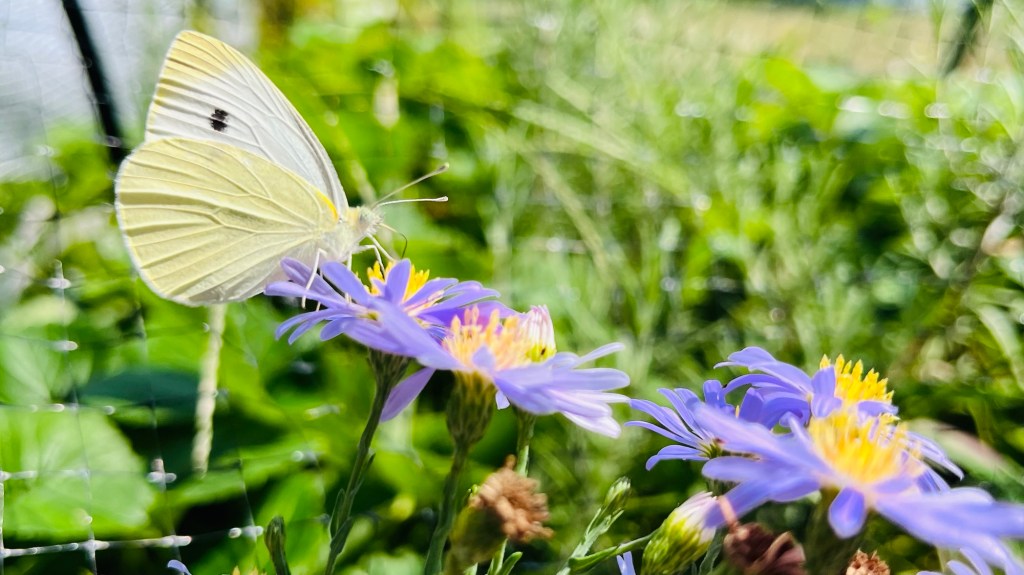
If you’ve been gardening for any length of time, you’ve probably discovered one simple truth: You’re not the only one who wants to eat your vegetables.
From cabbage worms and squash bugs to aphids and slugs, pests are simply part of gardening. Over the years, I’ve learned that trying to eliminate every insect isn’t realistic—and honestly, it isn’t healthy for the garden either.
Instead, my goal is to create a balanced garden where pests are managed without relying on harsh chemicals that can also harm pollinators, beneficial insects, pets, wildlife and human.
I don’t strive for a perfect, insect-free garden. I strive for a healthy garden.
Here are the sustainable pest management practices that have worked well in my Maryland Zone 7 garden.
Start with Healthy Plants
Healthy plants are naturally more resilient.
Weak, stressed plants are much more attractive to pests and are less able to recover from damage.
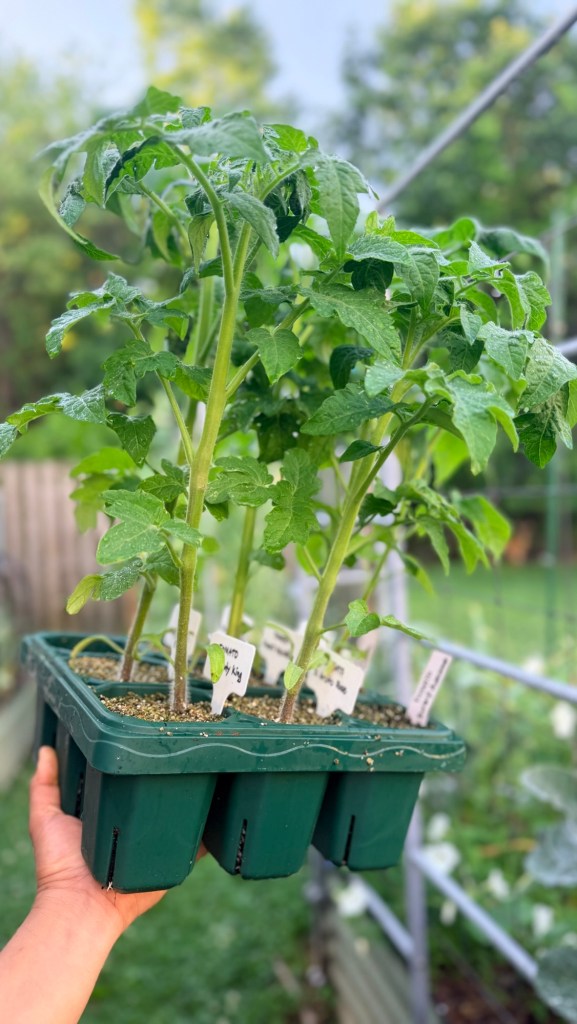
Every season I focus on building healthy plants by providing:
- Rich soil
- Compost
- Proper spacing
- Consistent watering
- Adequate sunlight
- Healthy root development
Strong plants can often tolerate minor pest damage without affecting the harvest.
Build Healthy Soil
One of the best forms of pest management starts underground.
Healthy soil supports:
- Strong root systems
- Beneficial soil organisms
- Better nutrient availability
- Improved water retention
- Healthier plants overall
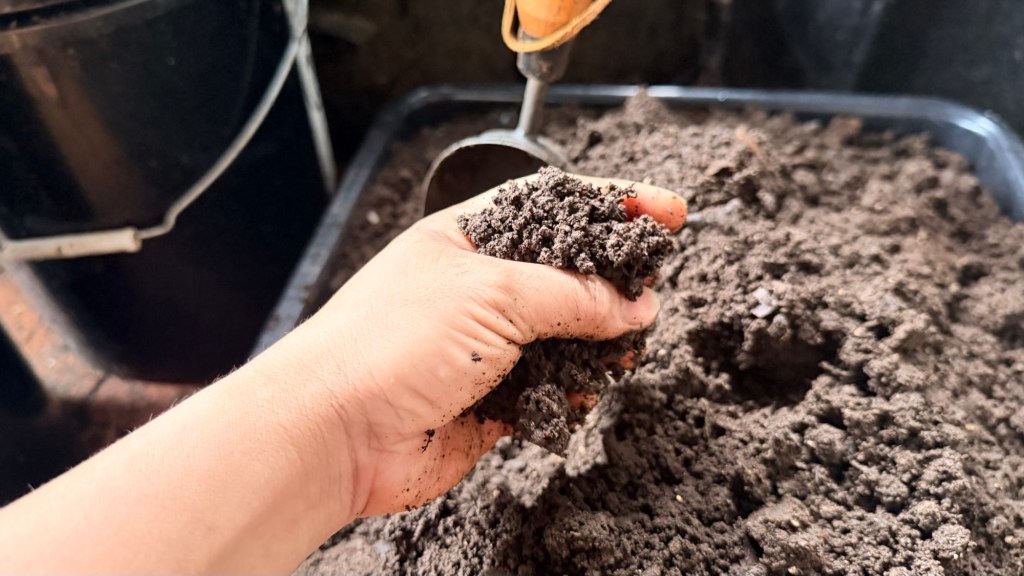
Each year I add compost to my raised beds, mulch generously, and avoid disturbing the soil more than necessary.
Healthy soil doesn’t eliminate pests, but it helps plants recover much faster.
Grow a Diverse Garden
I’ve noticed that gardens with a wide variety of flowers, herbs, and vegetables seem to attract far more beneficial insects than gardens with only one crop.
I like planting flowers throughout my vegetable garden, including:
- Marigolds
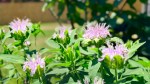
- Bee balm
- Petunias
- Herbs that flower
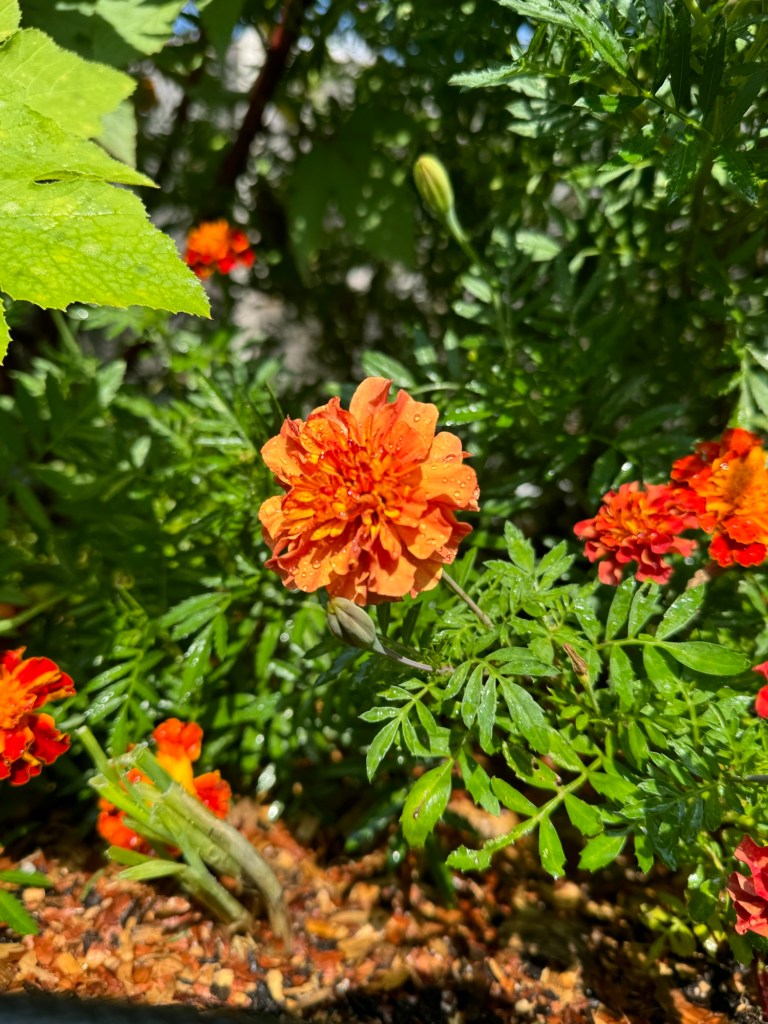
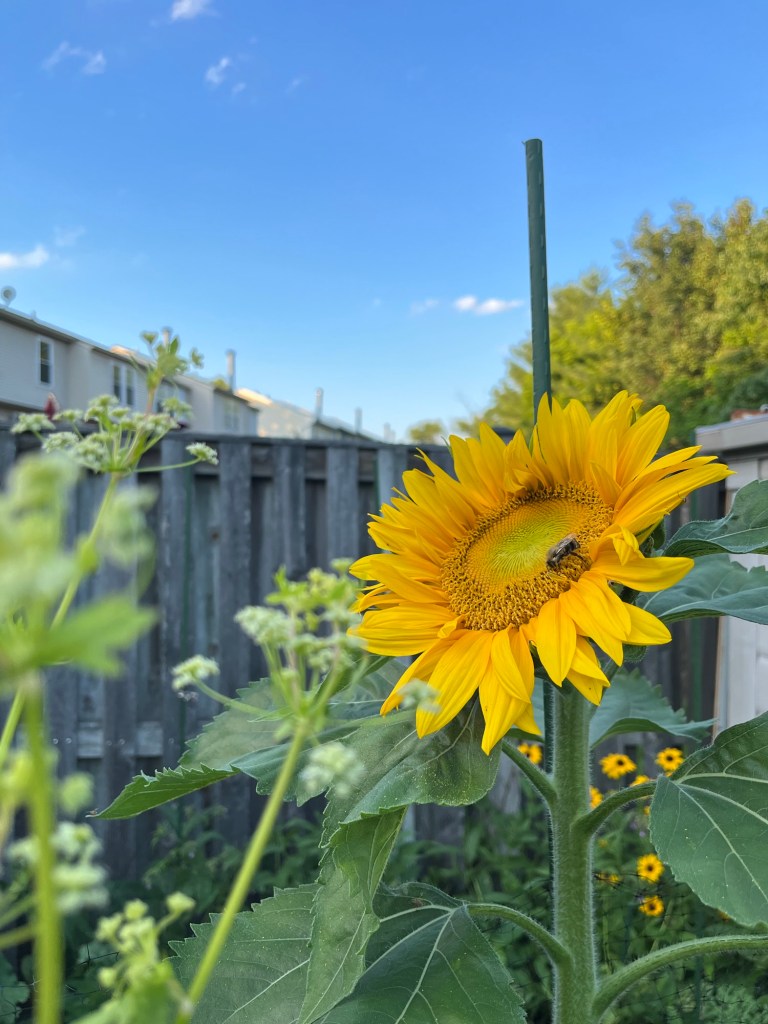
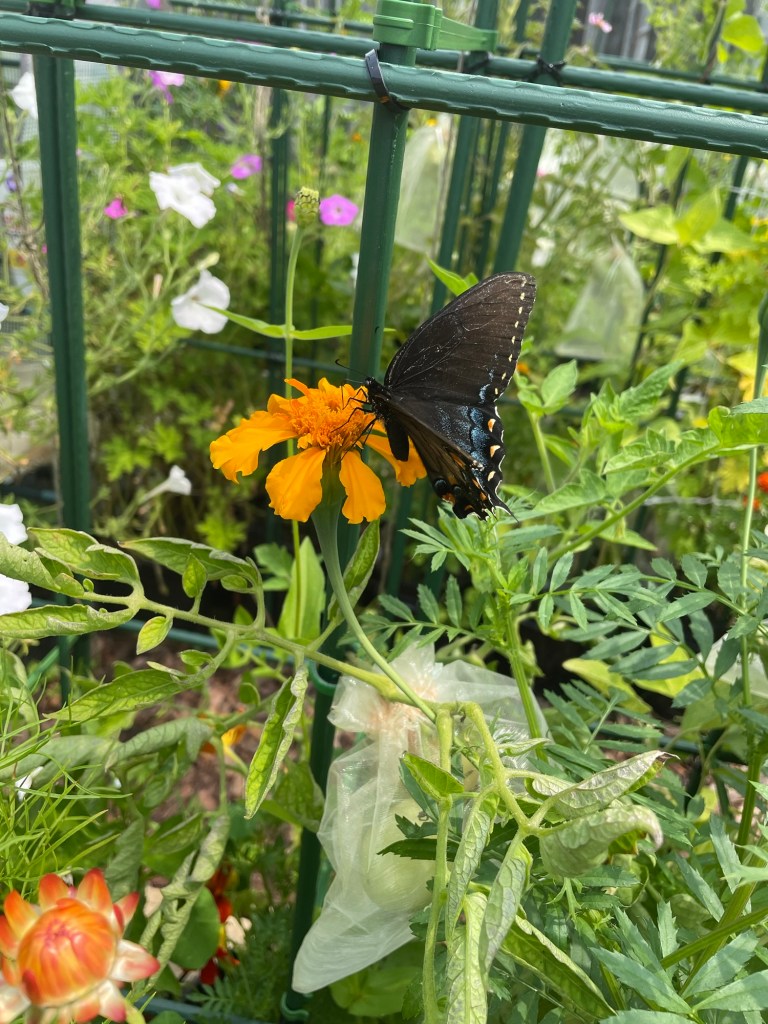
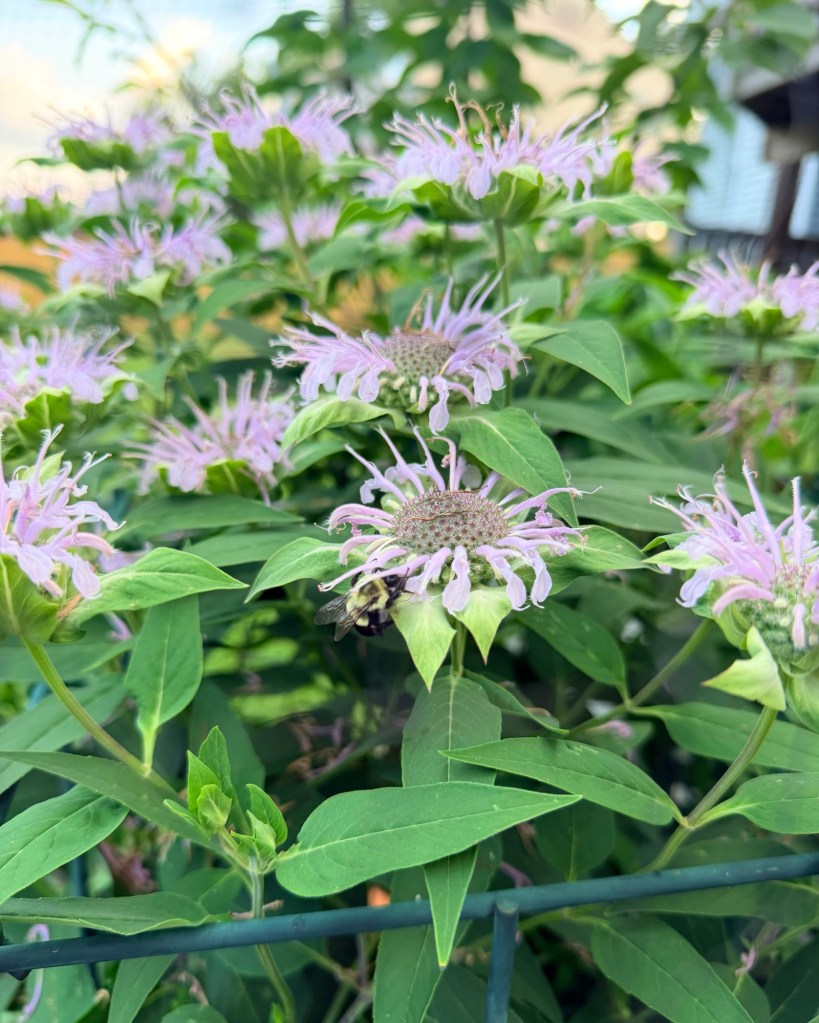
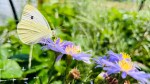
These plants attract bees, butterflies, hoverflies, parasitic wasps, lacewings, praying mantis and many other beneficial insects that naturally help keep pest populations in balance.
Use Physical Barriers
One of my favorite pest control methods is simply preventing pests from reaching the plants in the first place.
I regularly use:
- Insect netting over Garden hoops
- Mesh covers from Vego Garden
- Fine mesh covers
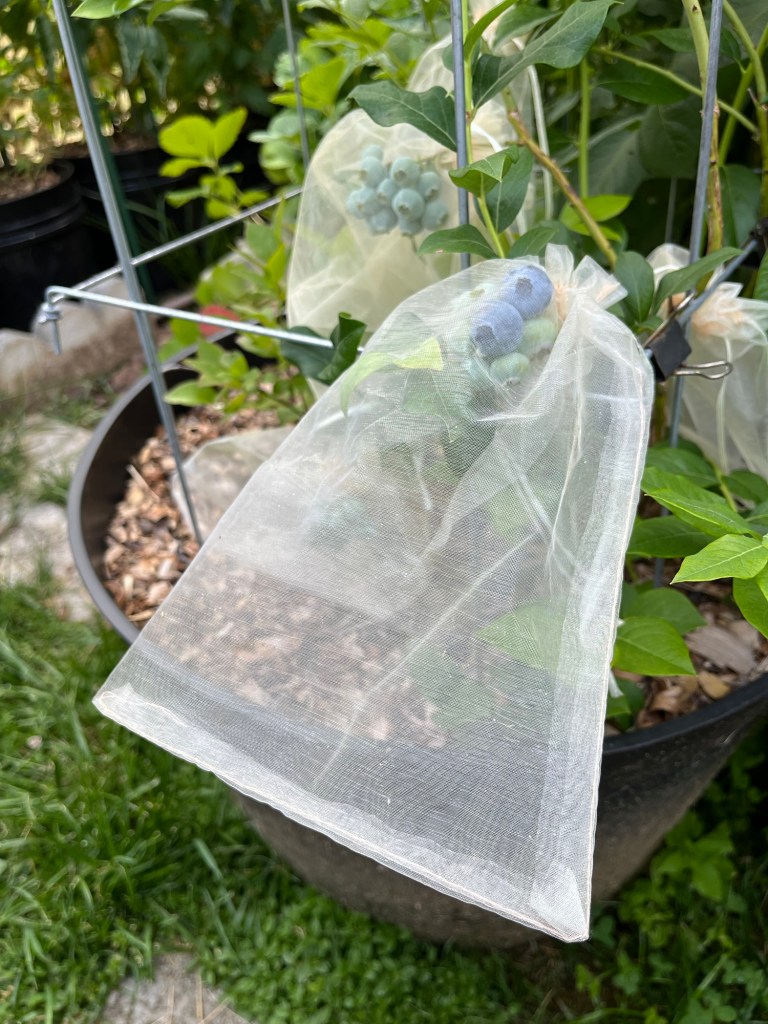
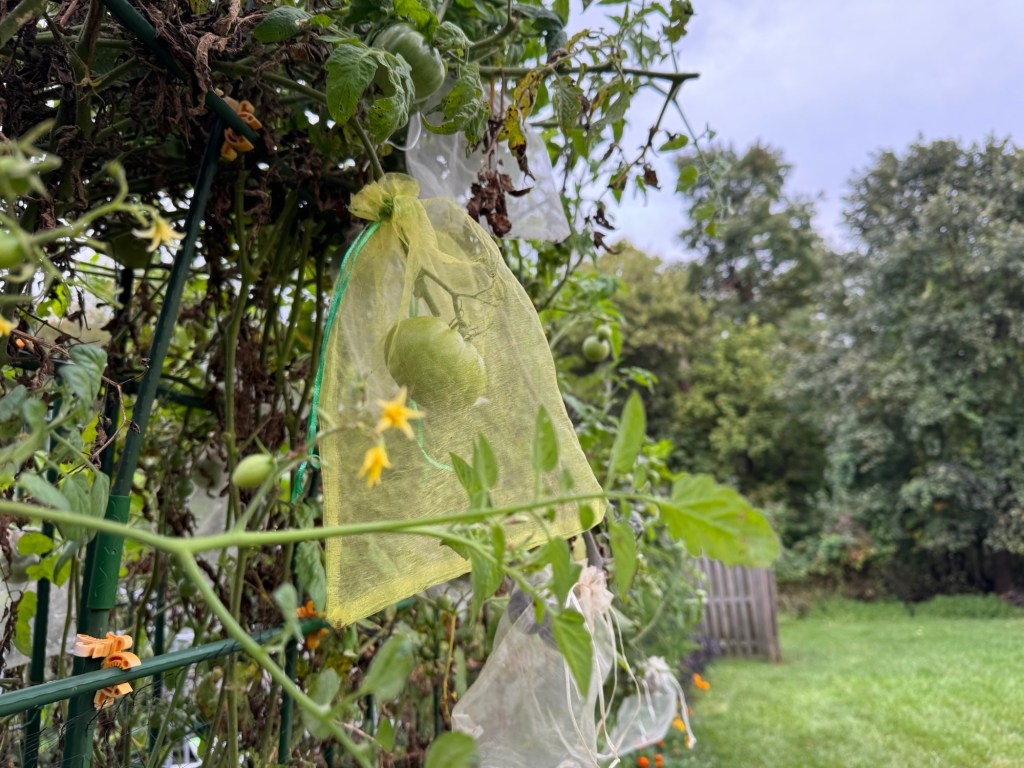
- Organza bags
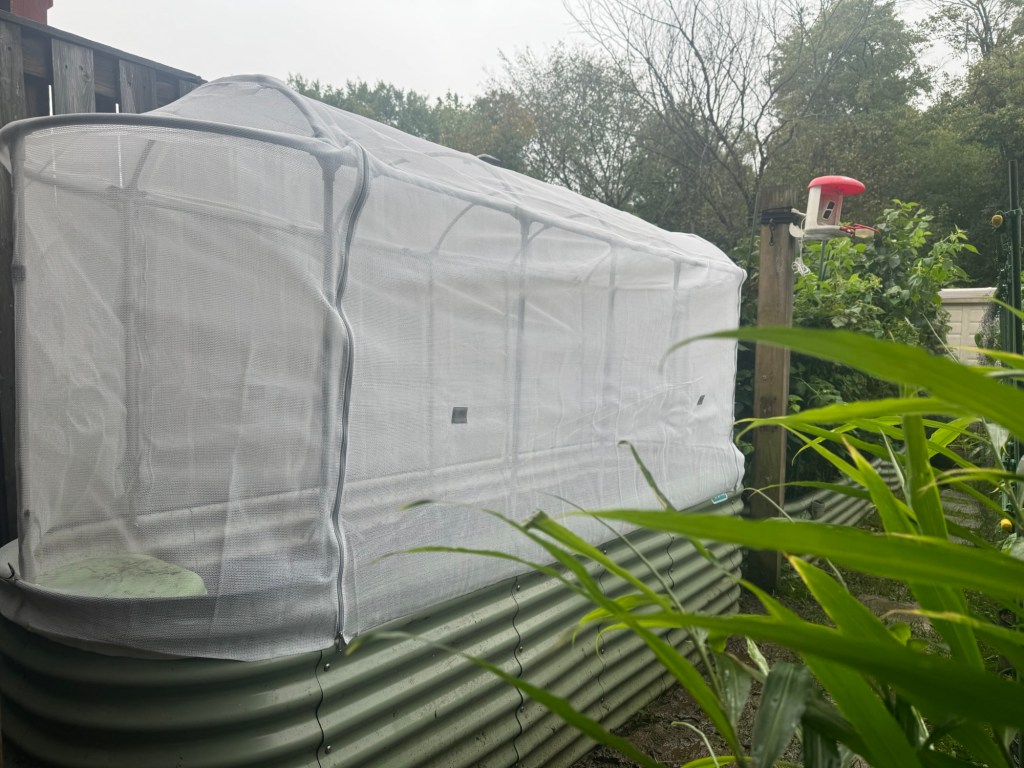

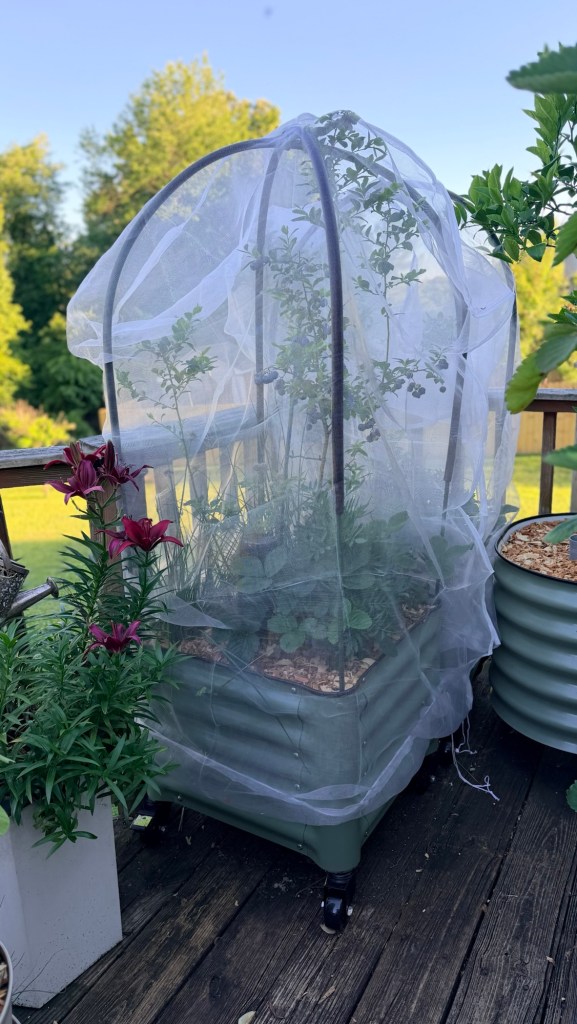
These barriers have been especially helpful for protecting:
- Cabbage
- Broccoli
- Cauliflower
- Kale
- Bok choy
- Other brassicas
- Blueberries
- Tomatoes
Keeping cabbage moth away means I spend far less time dealing with cabbage worms later.
I love birds, but they won’t share if I don’t cover my blueberries with fine mesh.
Organza bags are especially helpful for protecting plants that are harder to cover due to their size. They’ve saved my blueberries from birds and helped protect my tomatoes from both birds and stink bugs.
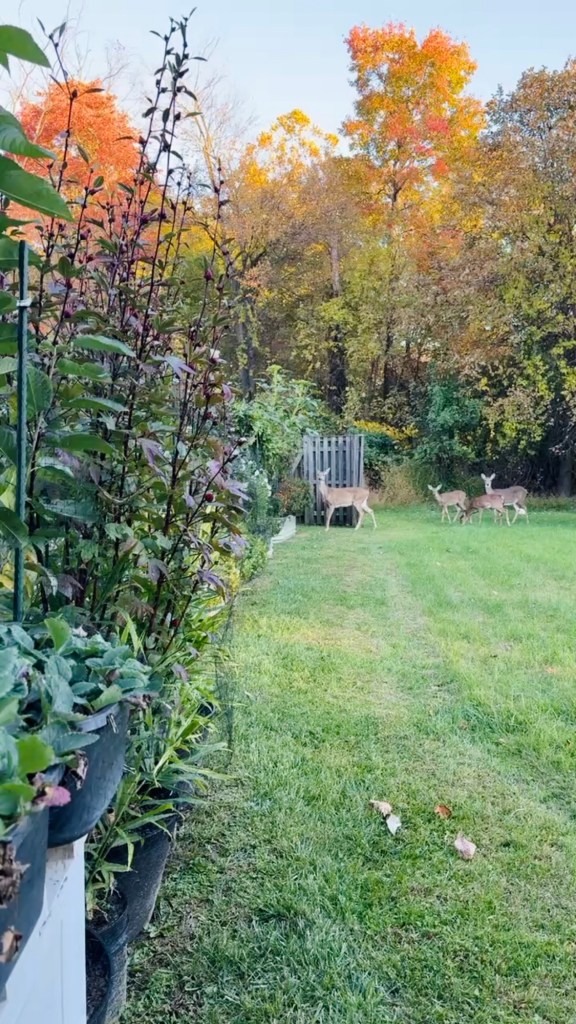
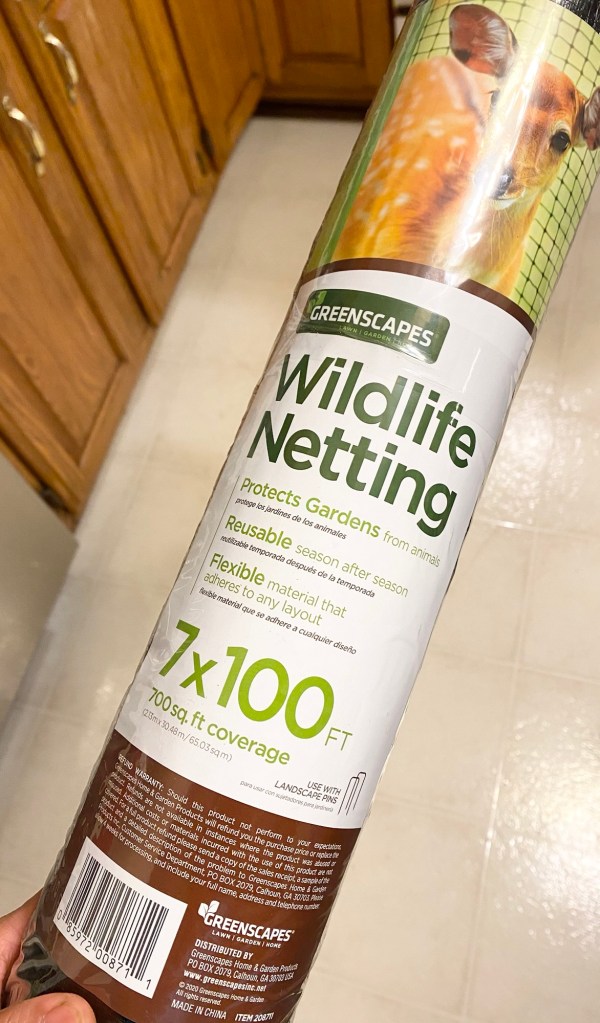
I also use deer netting around parts of my garden to protect crops from larger visitors like deer and raccoons.
Inspect Plants Frequently
One of the biggest lessons gardening has taught me is that small problems are much easier to solve than large ones.
During the growing season, I walk through the garden almost every day.
I’m looking for:
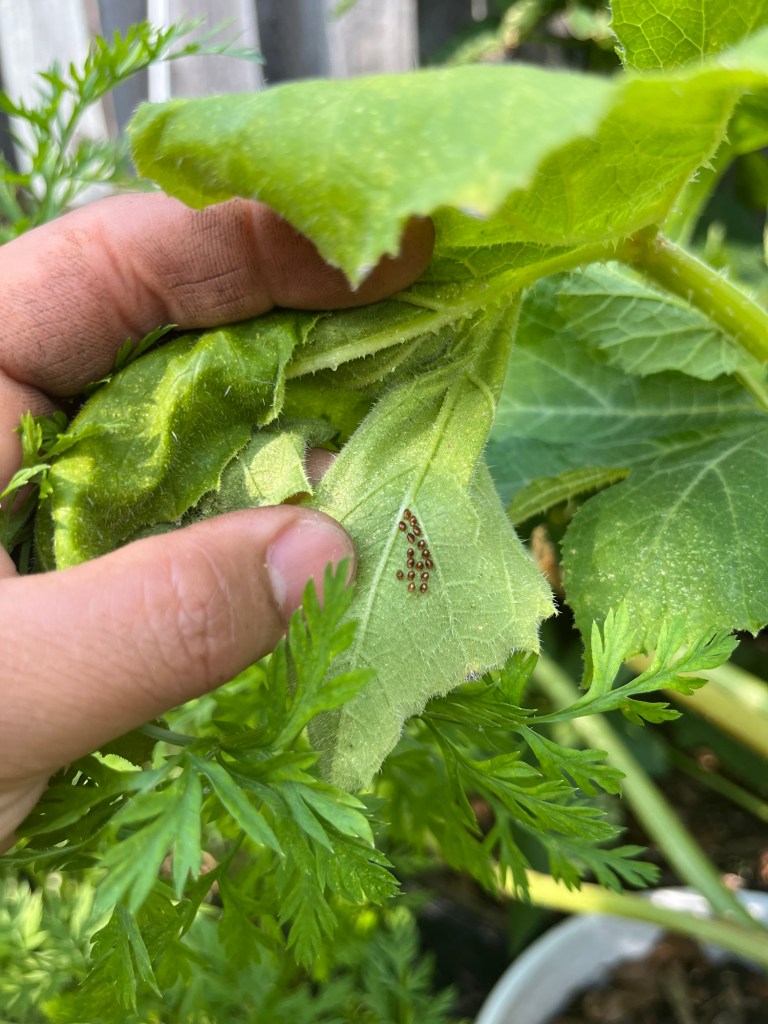
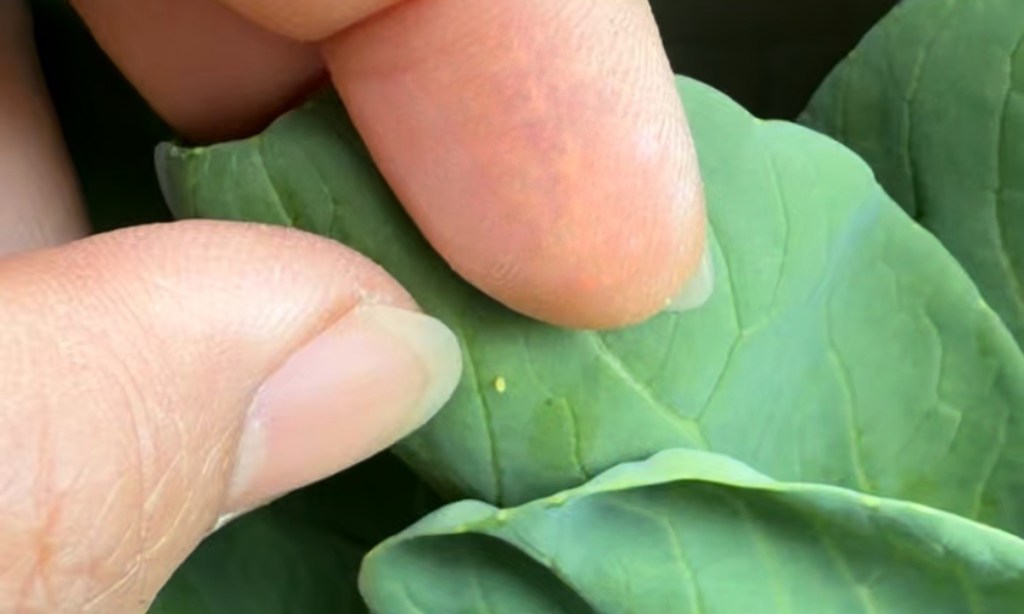
- Eggs under leaves
- Chewed foliage
- Wilting plants
- New insect activity
- Disease symptoms
Catching pests early often means I can solve the problem without needing any sprays at all.
Hand-Pick Larger Pests
It may not be glamorous, but hand-picking is incredibly effective.
I regularly remove:
- Squash bugs
- Tomato hornworms (if they don’t have the parasitic wasp eggs yet)
- Japanese beetles
- Stink bugs
I usually drop them into a container of soapy water.
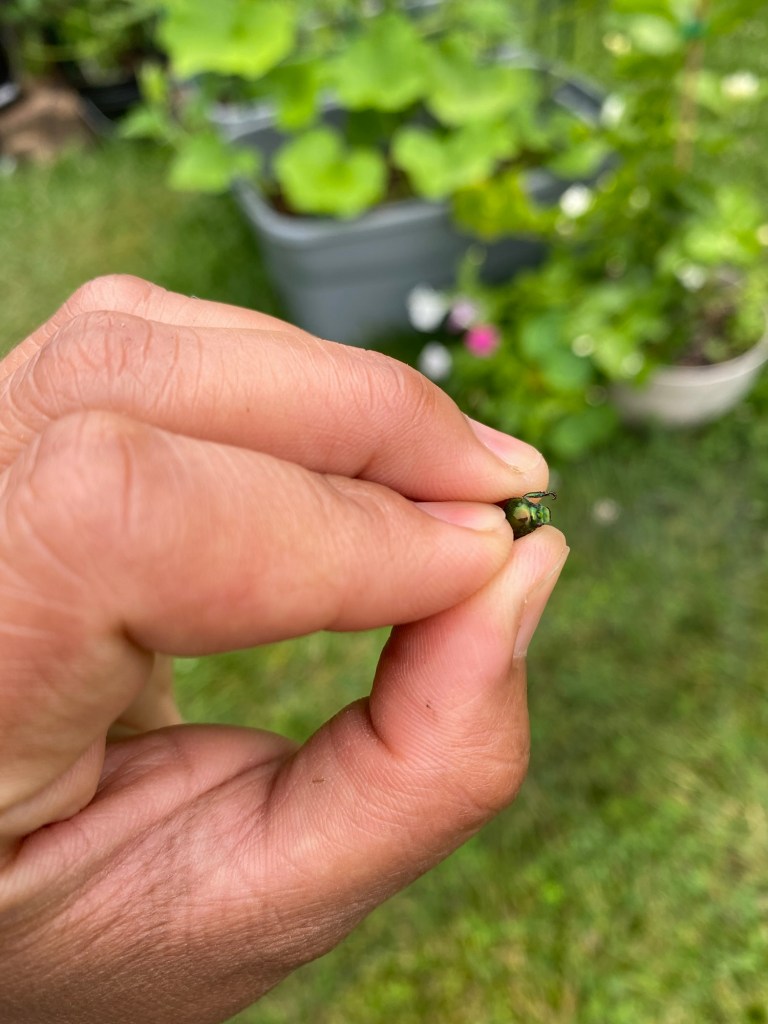
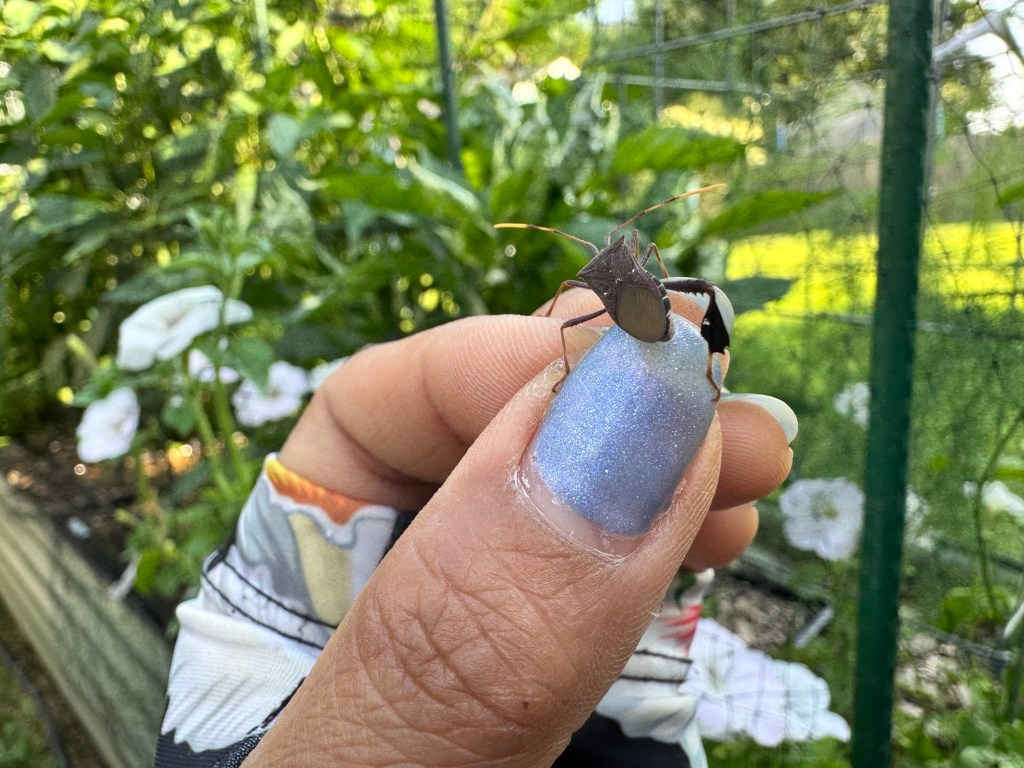
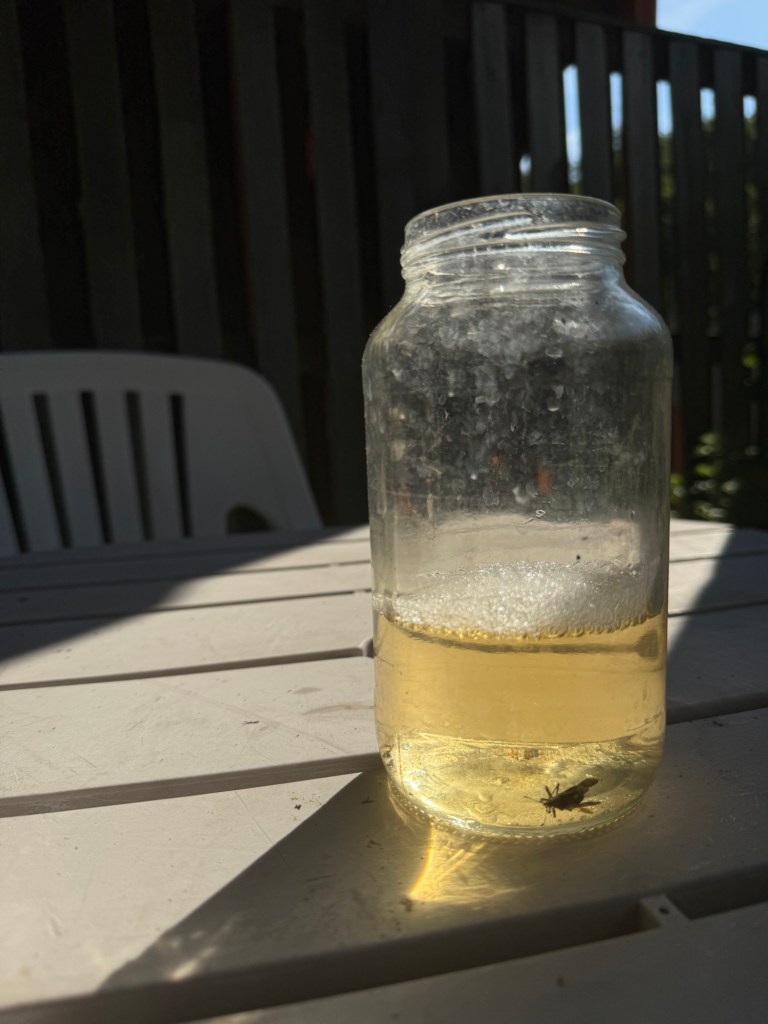
It’s quick, inexpensive, and avoids unnecessary treatments.
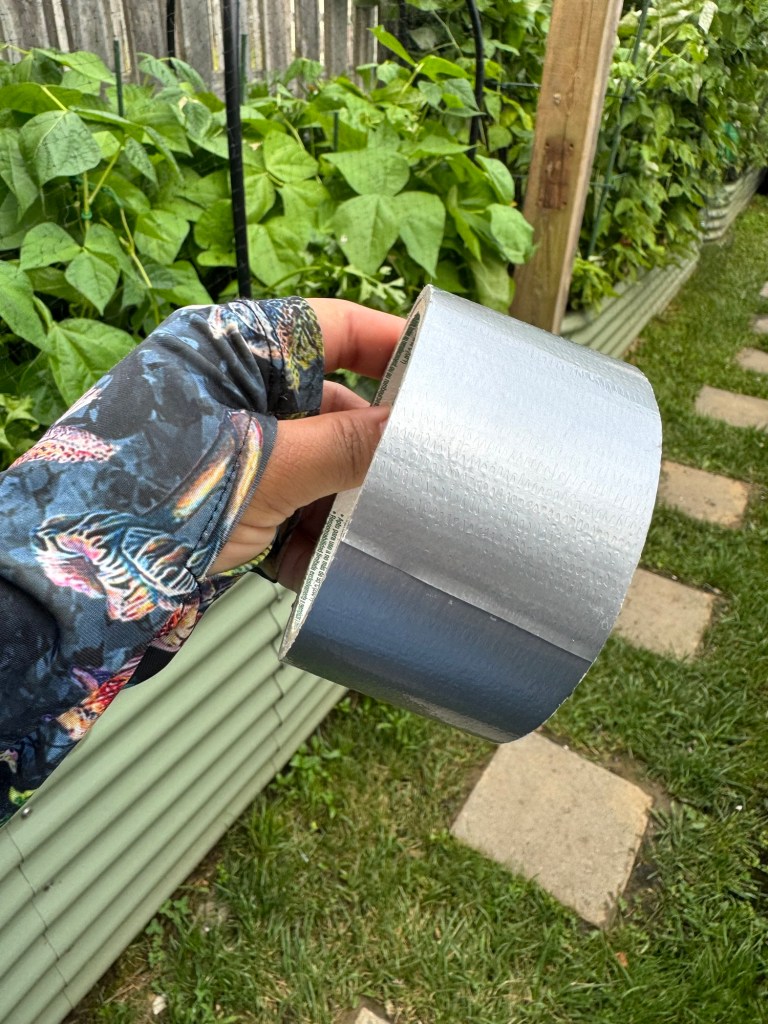
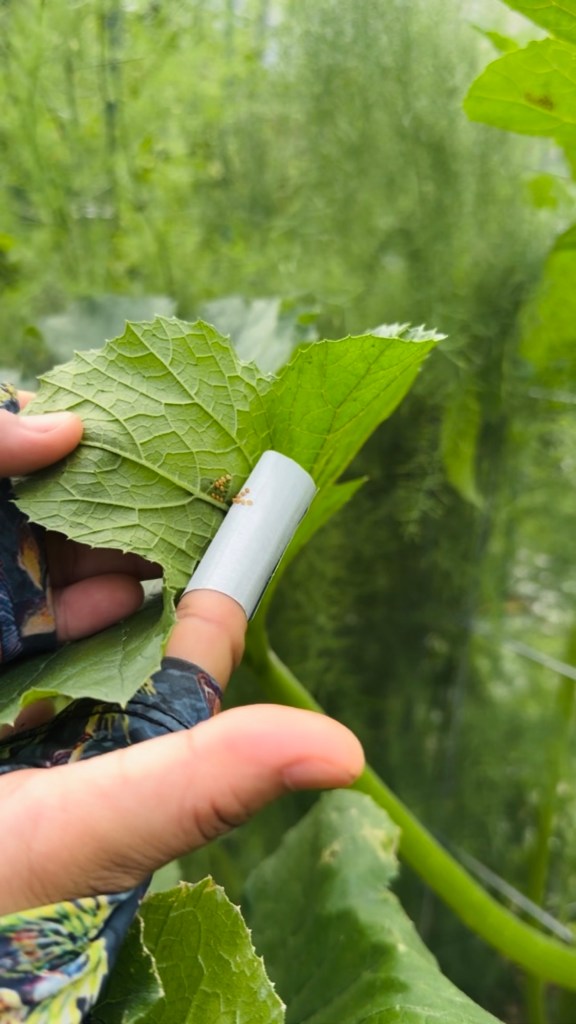
For squash bug eggs, I use a piece of duct tape to lift the egg clusters from the underside of the leaves.
Encourage Beneficial Insects
Not every insect in the garden is a pest.
Some of my favorite garden helpers include:
- Lady beetles
- Lacewings
- Hoverflies
- Praying mantises
- Ground beetles
- Spiders
- Parasitic wasps
These beneficial insects feed on aphids, caterpillars, whiteflies, and other common pests.
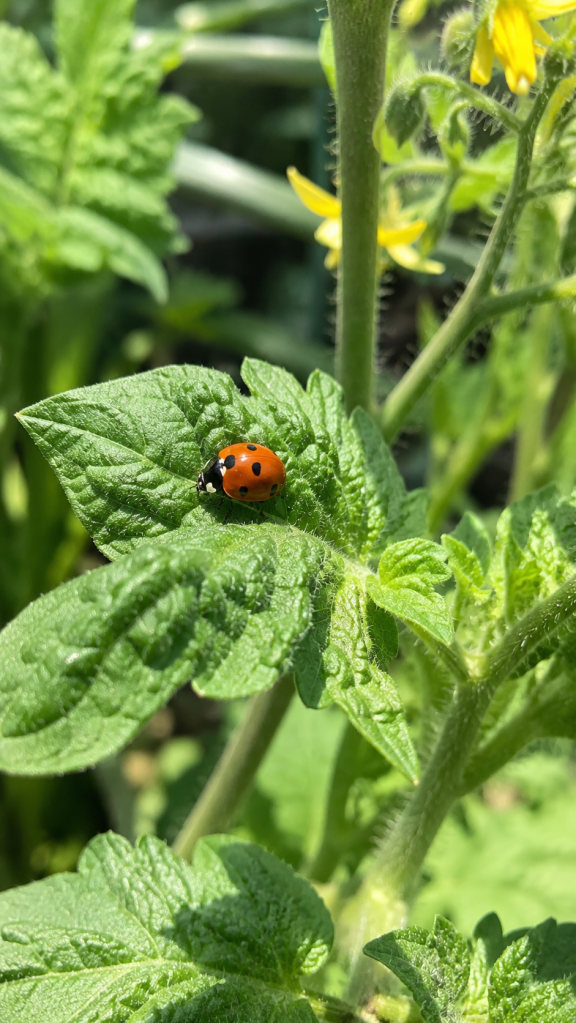
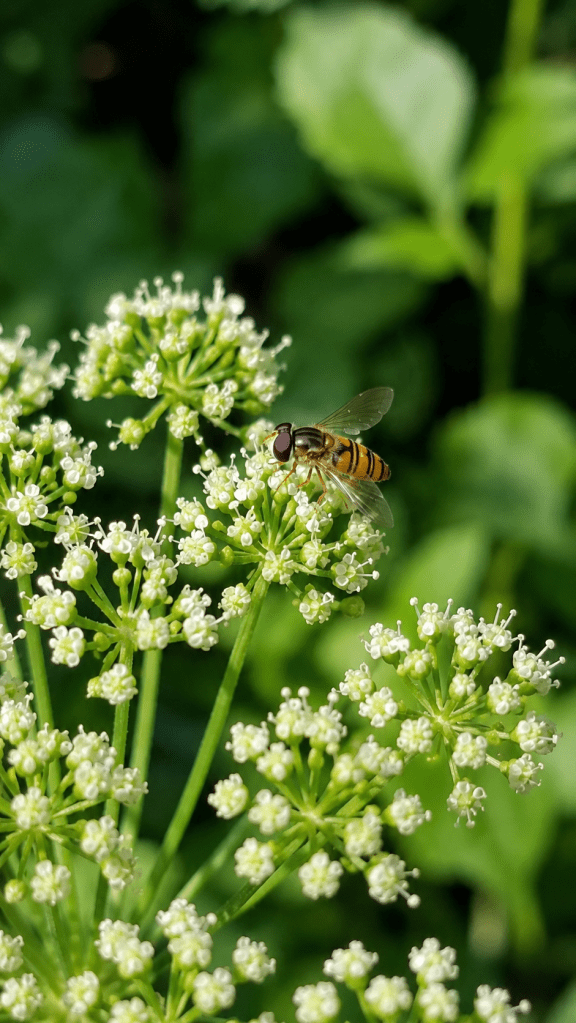
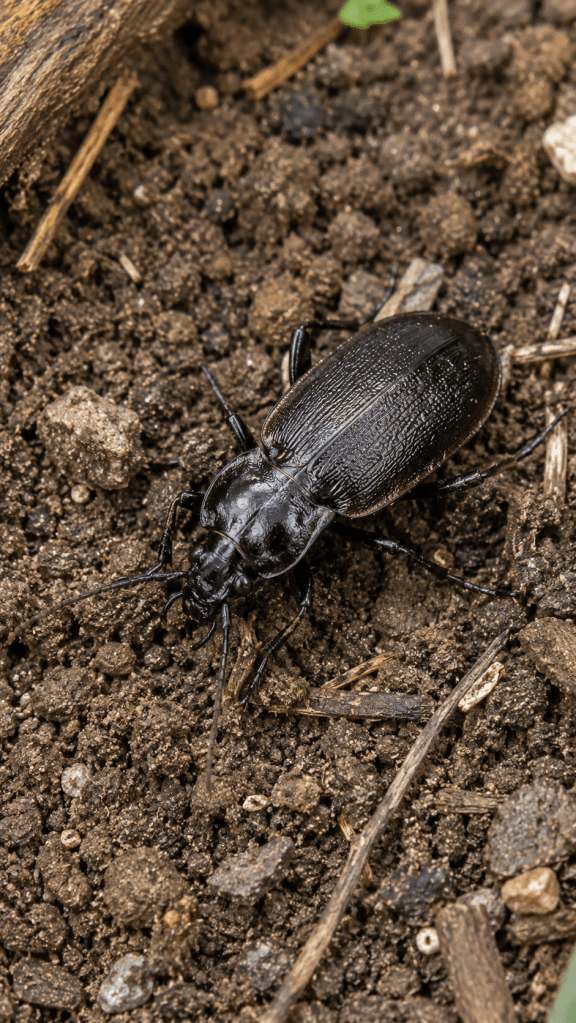
feed on pests like aphids, caterpillars, slugs, snails, and fly maggots.
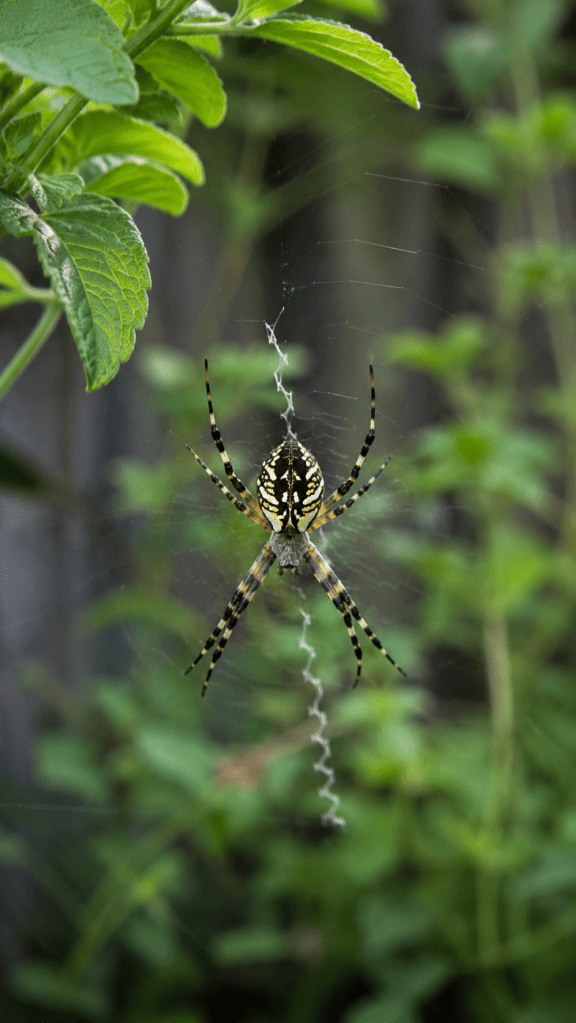
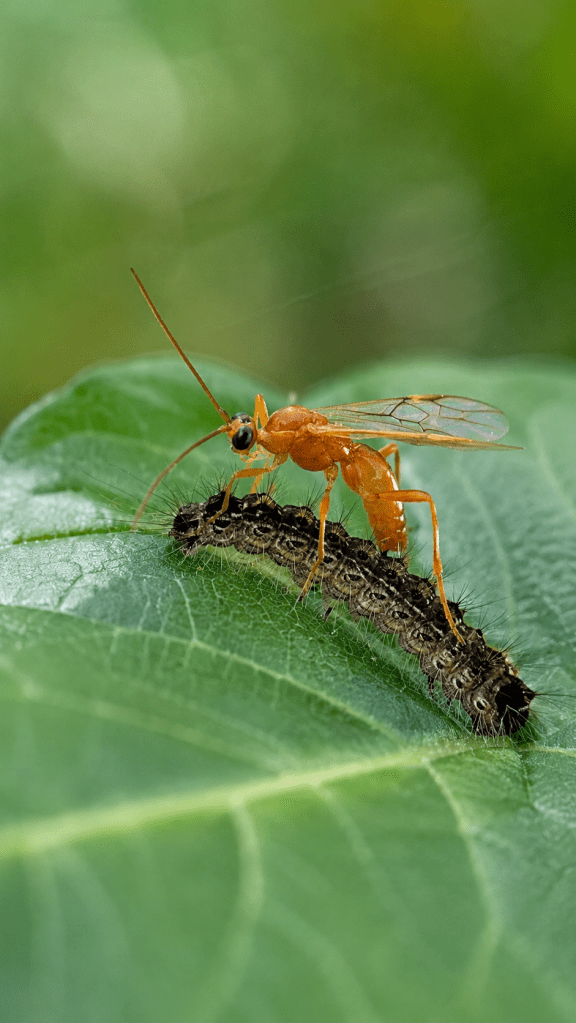
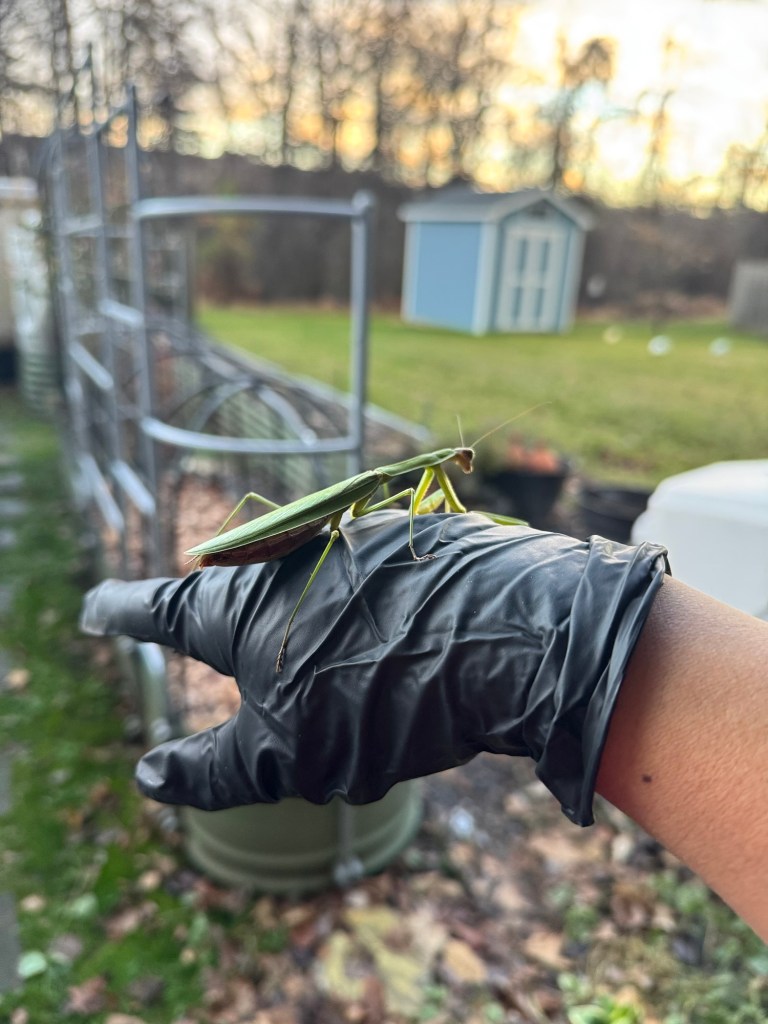
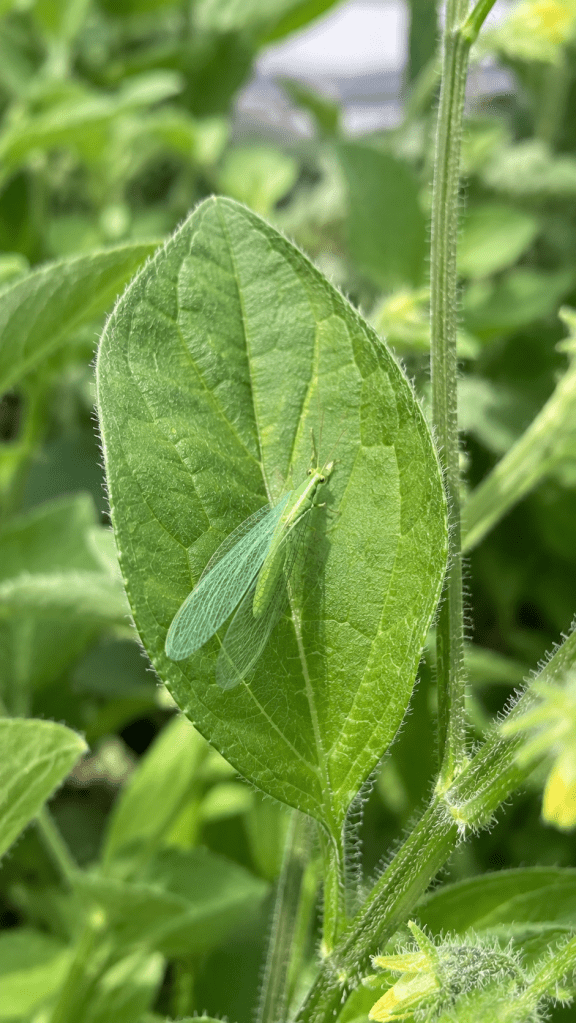
whiteflies, small caterpillars and insect eggs.
The more habitat you provide for them, the more they help you.
Water the Right Way
Overhead watering can create ideal conditions for many plant diseases.
Whenever possible, I water:
- Early in the morning
- At the base of the plants
- Deeply rather than frequently
This allows leaves to dry quickly while encouraging deeper root systems.
Healthy plants are less susceptible to both pests and disease.
Rotate Crops
Growing the same crop in the same location year after year allows pests to build up in the soil.
Whenever possible, I rotate plant families from one raised bed to another.
This simple practice helps interrupt the life cycles of many insects and diseases.
Remove Diseased Plant Material
At the end of the season—or whenever I notice heavily diseased foliage—I remove it from the garden.
Leaving diseased leaves around healthy plants increases the chance of problems spreading.
Good garden sanitation is one of the easiest forms of prevention.
Use Organic Controls Only When Necessary
Sometimes pests become too numerous to ignore.
When that happens, I prefer using targeted organic products instead of broad-spectrum chemicals.
Some of the products I use include:
- Bacillus thuringiensis (Bt) for cabbage worms and other caterpillars
- Iron phosphate slug bait for slugs and snails
These products are more targeted than many conventional pesticides and should always be used according to the label instructions. Even organic products should only be used when needed and with care to minimize impacts on beneficial insects.
My goal is always to use the least disruptive method that will effectively manage the problem.
Accept That Some Damage Is Normal
Every leaf doesn’t have to be perfect.
A few holes in the leaves don’t necessarily mean you’ve failed.
The garden is part of a living ecosystem.
When I see a few caterpillars or insect bites, I remind myself that I’m sharing my garden with wildlife—and that’s part of gardening.
As long as the harvest remains healthy, I try not to worry about cosmetic damage.
What Works in My Maryland Garden
Over the years, my approach to pest management has become much simpler.
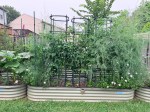
Instead of reacting after pests appear, I try to prevent problems before they start. Healthy soil, raised beds, crop rotation, insect netting, regular garden walks, and encouraging beneficial insects have become the foundation of my garden.
Some years are definitely more challenging than others. I’ve battled cabbage worms, squash bugs, flea beetles, slugs, leaf miners and more. But I’ve found that staying observant and acting early usually keeps those problems from becoming overwhelming.
One thing I appreciate most about this approach is that my garden remains full of life. Bees visit the flowers, butterflies flutter through the beds, birds stop by for a drink, and beneficial insects help keep many pest populations under control.
For me, sustainable pest management isn’t about winning a war against insects. It’s about creating a healthy garden where vegetables, pollinators, beneficial insects, and people can all thrive together.
If this guide helped you feel more confident about managing garden pests naturally, save it for later and share it with another gardener. I’d love to hear—which garden pest has taught you the biggest lesson, and what has worked best for you?








 Gingerfoot Garden
Leave a comment