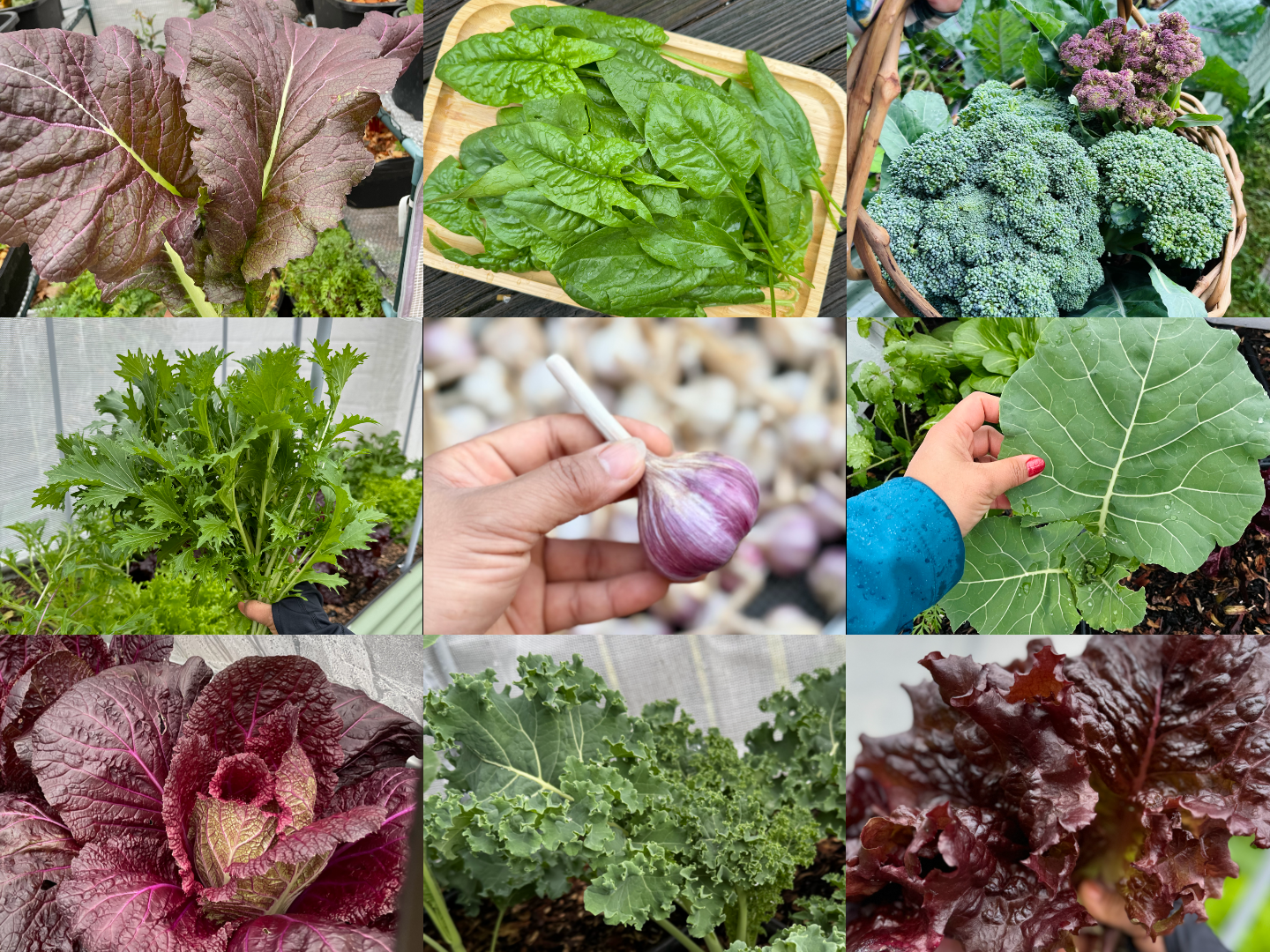
Many gardeners begin putting away their tools once tomatoes, peppers, and cucumbers start slowing down. However, the end of summer does not have to mean the end of the growing season.
Fall is one of the best times to grow vegetables.
Cooler temperatures create ideal conditions for leafy greens, root vegetables, brassicas, and herbs that often struggle during the heat of summer. Many fall crops also become sweeter after exposure to cold weather, while fewer weeds and reduced watering needs can make the garden easier to maintain.
In my Maryland Zone 7 garden, fall feels like a second beginning. I can clear tired summer plants, refresh the soil, and fill those spaces with bok choy, lettuce, spinach, kale, carrots, and other cool-season favorites.
Whether you garden in raised beds, containers, or a small backyard, here are some of the best vegetables to plant for a productive fall harvest.
When Should You Plant a Fall Vegetable Garden?
Fall planting begins much earlier than many gardeners realize.
In most climates, fall crops must be planted while summer weather is still present so they have enough time to mature before daylight decreases and hard freezes arrive.
In Zone 7, many fall vegetables are planted between:
- Late July and August for long-season crops
- August and September for fast-growing vegetables
- September and October for cold-hardy greens, radishes, and garlic
Your exact schedule will depend on your average first frost date, local temperatures, and the number of days each crop needs to mature.
To estimate a planting date:
- Find your average first fall frost date.
- Check the crop’s days to maturity.
- Count backward from your frost date.
- Add approximately one or two weeks because plants grow more slowly as fall days become shorter.
Some frost-tolerant vegetables can continue growing after a light frost, so they do not necessarily need to be harvested before the first cold night.
1. Lettuce
Lettuce is one of the easiest and fastest vegetables to grow in fall.
Summer heat can make lettuce bolt quickly or develop a bitter flavor, but cooler temperatures encourage tender, flavorful leaves.
You can grow:
- Loose-leaf lettuce
- Romaine
- Butterhead lettuce
- Miniature heading varieties
- Baby lettuce mixes

Loose-leaf varieties are especially useful in small gardens because you can harvest the outer leaves while allowing the center to continue growing.
Most lettuce varieties are ready to begin harvesting within 30 to 60 days.
Fall lettuce tips
- Sow seeds directly or start them indoors during extreme heat.
- Keep the seedbed consistently moist during germination.
- Use shade cloth if temperatures remain high.
- Plant small amounts every two weeks for continuous harvests.
Read More: How to Grow Lettuce
2. Spinach
Spinach thrives in cool weather and can become sweeter after exposure to light frost.
It may germinate poorly in hot soil, so late-summer planting can sometimes be challenging. Starting seeds indoors or waiting until soil temperatures cool slightly may improve germination.

Spinach can be harvested as baby leaves or allowed to grow to full size. Established plants may also survive winter with protection and resume growing in early spring.
Fall spinach tips
- Sow in well-drained, fertile soil.
- Keep seeds evenly moist.
- Choose cold-tolerant varieties.
- Protect plants with row cover when temperatures drop.
Read more: How to Grow Spinach
3. Kale
Kale is one of the most reliable vegetables for a fall garden.
It tolerates cold temperatures, survives light frost, and often becomes noticeably sweeter as the weather cools.
You can harvest small leaves for salads or allow the plants to mature for soups, sautés, smoothies, and side dishes.

Kale can remain productive for months when the outer leaves are harvested regularly.
Fall kale tips
- Start seeds indoors in midsummer or direct sow in late summer.
- Protect young seedlings from cabbage worms.
- Harvest the lowest mature leaves first.
- Leave the growing point intact for continued production.
Read more: How to Grow Kale
4. Bok Choy
Bok choy is one of my favorite vegetables to grow during the cooler months.
It grows quickly, works well in raised beds and containers, and can be harvested at several stages. Baby bok choy varieties are especially useful for small-space gardens.

Bok choy often struggles with heat because high temperatures can cause it to bolt. Fall’s cooler weather gives the plants time to develop crisp stems and tender leaves.
Many varieties are ready to harvest in approximately 30 to 50 days.
Fall bok choy tips
- Direct sow or transplant seedlings.
- Space closely for baby bok choy.
- Use insect netting to protect plants from cabbage worms and flea beetles.
- Harvest before a severe freeze.
Read more: How to Grow Bok Choy
5. Arugula
Arugula is a fast-growing leafy green with a peppery flavor.
It can be harvested in as little as three to five weeks and usually grows better in fall than in summer. Cooler weather gives the leaves a milder taste and delays flowering.
Arugula works especially well for succession planting because it matures quickly and requires very little space.
Sow a small row every two or three weeks for repeated harvests.
6. Mustard Greens
Mustard greens are fast-growing, productive, and well suited to fall weather.
Their flavor ranges from mildly peppery to spicy, depending on the variety. Cooler temperatures can help soften their sharpness.

Mustard greens can be harvested as baby leaves or allowed to mature for cooking. They are also excellent candidates for container gardens.
7. Swiss Chard
Swiss chard is not as cold-hardy as spinach or kale, but it still performs beautifully during fall.
Its colorful stems and large leaves make it both productive and ornamental. Plants established before cold weather may continue producing through several light frosts.

Harvest the outer leaves regularly and allow the center of the plant to keep growing.
8. Collard Greens
Collard greens thrive during cool weather and become sweeter after frost.
Although they require more space than many other leafy greens, one healthy plant can provide repeated harvests over an extended period.

Start collards early enough to develop substantial growth before temperatures become very cold. In Zone 7, established plants may survive well into winter with protection.
Read more: How to Grow Collard
9. Cabbage
Cabbage is a classic cool-season vegetable that grows well during fall.
It requires more time to mature than quick crops like lettuce or radishes, so it should usually be started in midsummer and transplanted into the garden later.

Choose varieties based on your available growing window. Smaller, early-maturing cabbages are often easier for beginner and small-space gardeners.
Fall cabbage tips
- Give plants consistent moisture.
- Space according to the variety’s mature size.
- Protect seedlings with insect netting.
- Harvest when the heads feel firm.
Read More: How to Grow Cabbage
10. Napa Cabbage
Napa cabbage grows best during cool, mild weather.
Warm temperatures can trigger bolting, while fall conditions encourage the formation of tender, elongated heads. Compact varieties, including Little Jade, are particularly useful in smaller gardens.

Napa cabbage needs consistent moisture and protection from cabbage worms, slugs, and flea beetles.
It can be used in stir-fries, soups, dumplings, kimchi, and many other dishes.
Read more: How to Grow Napa Cabbage
11. Broccoli
Broccoli often grows better as a fall crop than as a spring crop.
Spring weather can warm quickly and cause broccoli heads to mature unevenly or bolt. During fall, temperatures generally become cooler as the plants approach maturity.

Broccoli takes time to grow, so seeds are usually started indoors during summer and transplanted outside after the seedlings are established.
After harvesting the main head, many varieties continue producing smaller side shoots.
Read more: How to Grow Broccoli
12. Cauliflower
Cauliflower can be more challenging than broccoli because it prefers consistent conditions.
Sudden heat, cold, or moisture stress may interfere with head development. However, fall’s gradually cooling temperatures can provide a good growing window.

Start cauliflower early, transplant strong seedlings, and keep the soil consistently moist.
Choose a fast-maturing variety if your fall season is short.
Read more: How to Grow Cauliflower
13. Carrots
Carrots are an excellent fall root crop.
Cool weather encourages sweet flavor, and mature roots can often remain in the soil after light frosts. In areas with mild winters, mulch can help protect them for an extended harvest.

Carrot seeds must be kept consistently moist during germination, which can be difficult during late-summer heat.
Fall carrot tips
- Sow directly because carrots do not transplant well.
- Loosen the soil and remove rocks.
- Keep the top layer of soil moist until seedlings emerge.
- Thin seedlings to give the roots room to develop.
Read more: How to Grow Carrots
14. Beets
Beets provide two harvests from one crop: edible roots and nutritious leaves.
They grow relatively quickly and tolerate cool temperatures. Baby beet greens can be harvested early, while the remaining plants continue developing roots.

Beets grow best in loose soil that allows the roots to expand.
They are also suitable for containers, provided the pots are deep enough.
Read more: How to Grow Beets
15. Radishes
Radishes are among the fastest vegetables you can plant in fall.
Some varieties mature in fewer than 30 days, making them an excellent choice for filling small gaps between larger crops.
Fall-grown radishes are often milder and less likely to become woody than those grown during hot weather.
Plant a small batch every one or two weeks for a steady supply.
16. Turnips
Turnips grow quickly and produce edible roots and greens.
They tolerate cool weather and can develop a sweeter flavor after light frost. Small salad turnips are particularly good for quick fall harvests.
Turnips can be direct sown in raised beds, containers, and traditional garden rows.
17. Rutabagas
Rutabagas require a longer growing season than turnips, but they are very cold tolerant.
They are typically planted in summer for a late-fall harvest. Cool temperatures help improve their flavor and texture.
Because the roots become larger, give rutabagas adequate spacing and deep, loose soil.
18. Peas
Peas enjoy cool weather and may be grown as a fall crop in climates with a long, mild autumn.
However, timing can be tricky. They need enough time to flower and produce pods before hard freezes arrive, yet they may struggle to germinate during extreme summer heat.

Choose fast-maturing varieties and plant them as soon as conditions allow.
Provide a trellis for climbing peas, or grow compact bush varieties in containers.
Read more: How to Grow Peas
19. Green Onions
Green onions are easy to grow and require very little space.
They can be planted from seeds, sets, transplants, or even regrown and harvested while the stems are still young. Because they do not need time to form large bulbs, they are ideal for fall gardens.

Tuck them along bed edges or between slower-growing crops.
Read more: How to Grow Green Onions
20. Garlic
Garlic is planted in fall but harvested the following summer.
Planting cloves before the ground freezes gives them time to develop roots. After winter dormancy, growth resumes in spring.

Hardneck garlic generally performs well in colder climates and produces edible garlic scapes. Softneck varieties may store longer and are often better suited to warmer regions.
Garlic needs:
- Full sun
- Loose, well-drained soil
- Adequate spacing
- A layer of mulch for winter protection
Although you will not harvest it during fall, planting garlic is one of the most rewarding autumn garden tasks.
Read more: How to Grow Garlic
Herbs to Plant in Fall
Several herbs also prefer cool weather.
Good options include:

Cilantro is especially well suited to fall because it bolts quickly in summer heat. Cooler conditions allow it to produce leaves for a longer period.
Parsley grows more slowly but tolerates cold weather once established. In some gardens, it may survive winter and produce again in spring.
Which Fall Vegetables Grow Fastest?
For quick results, try:
- Radishes
- Arugula
- Baby lettuce
- Baby bok choy
- Mustard greens
- Turnip greens
- Spinach
- Green onions
Many of these vegetables can provide a harvest in approximately 25 to 50 days, depending on the variety and weather.
They are excellent choices when you start planting later than planned or only have a small amount of garden space available.
Which Fall Vegetables Can Survive Frost?
Cold tolerance varies by variety and plant maturity, but some of the hardier fall vegetables include:
- Kale
- Spinach
- Collard greens
- Carrots
- Turnips
- Brussels sprouts
- Cabbage
- Parsley
- Garlic
Young seedlings are usually more vulnerable than established plants. Row covers, frost blankets, cold frames, and low tunnels can provide additional protection when cold nights arrive.
How to Prepare Your Garden for Fall Planting
Before planting fall vegetables, clear out crops that are no longer healthy or productive.
Remove diseased plants from the garden rather than adding them to a home compost pile.
Then:
- Pull weeds and remove old roots.
- Loosen compacted soil.
- Add compost or another source of organic matter.
- Mix in fertilizer if your soil needs additional nutrients.
- Water the bed before planting.
- Add mulch after seedlings become established.
You do not have to remove every summer plant. Fall crops can be planted wherever space becomes available.
Leafy greens may even benefit from the temporary afternoon shade provided by established tomatoes or trellised vines during late-summer heat.
How to Protect Fall Seedlings from Summer Heat
One of the biggest challenges of fall gardening is that crops are often planted while temperatures are still hot.
To protect young seedlings:
- Plant in the evening or on a cloudy day.
- Use shade cloth during the hottest part of the day.
- Keep the soil consistently moist.
- Mulch around established plants.
- Start heat-sensitive seeds indoors.
- Gradually harden off indoor-grown seedlings.
- Avoid transplanting immediately before a heat wave.
Once cooler weather arrives, the plants usually become easier to maintain.
Can You Grow a Fall Garden in Containers?
Many fall vegetables grow beautifully in containers.
Good container crops include:
- Lettuce
- Spinach
- Arugula
- Radishes
- Baby carrots
- Beets
- Bok choy
- Kale
- Green onions
- Cilantro
- Parsley
Containers can also be moved into more sunlight as the sun’s angle changes or placed near the house for additional protection during cold weather.
Use pots with drainage holes and choose a high-quality potting mix rather than garden soil.
Tips for a Successful Fall Vegetable Garden
For the best results:
- Know your average first frost date.
- Choose fast-maturing varieties.
- Start long-season crops early.
- Keep newly planted seeds consistently moist.
- Protect seedlings from late-summer heat.
- Use insect netting over brassicas.
- Plant small batches for succession harvests.
- Add frost protection as temperatures drop.
- Harvest regularly to encourage continued growth.
Fall plants may grow more slowly as the days shorten, so getting them established early is one of the keys to success.
Final Thoughts
A fall garden gives you another opportunity to grow fresh food after summer crops begin to fade.
Leafy greens, brassicas, root vegetables, herbs, and garlic all thrive during the cooler months. Many require less watering than summer vegetables, experience less heat stress, and become even more flavorful after chilly weather arrives.
In my Maryland Zone 7 garden, some of my favorite fall crops are bok choy, Napa cabbage, lettuce, spinach, kale, carrots, beets, and cilantro. They allow me to keep harvesting long after the tomatoes and cucumbers begin winding down.
You do not need to plant everything on this list. Choose a few vegetables your household already enjoys eating, check the days to maturity, and begin with the space you have available.
Fall is not the end of the garden. It is another chance to plant, grow, and enjoy a fresh harvest.
Frequently Asked Questions
What is the best vegetable to plant in fall?
Some of the easiest and most productive fall vegetables include lettuce, kale, spinach, radishes, bok choy, carrots, and green onions. The best choice depends on your local frost date and how much growing time remains.
When should I start planting fall vegetables?
Many fall vegetables are planted six to twelve weeks before the average first frost. Long-season crops such as broccoli and cabbage should be started earlier than quick crops such as radishes and arugula.
Can I plant fall vegetables in August?
Yes. August is an important fall planting month in many regions, including Zone 7. It is often the right time to start carrots, beets, kale, brassicas, bok choy, and other cool-season vegetables.
What vegetables can be planted in September?
Depending on your climate, September planting options may include lettuce, spinach, arugula, radishes, bok choy, turnips, green onions, cilantro, and other fast-growing greens.
Do fall vegetables need full sun?
Most vegetables grow best with at least six hours of sunlight. However, many leafy greens can tolerate partial shade, especially while temperatures remain warm.
Does frost make vegetables sweeter?
Cold weather can cause some plants to convert stored starches into sugars. This may improve the flavor of vegetables such as kale, carrots, spinach, turnips, cabbage, and Brussels sprouts.
What can I grow in a small fall garden?
Lettuce, radishes, arugula, spinach, green onions, baby bok choy, compact kale, cilantro, and small carrot varieties are excellent choices for raised beds, containers, and other small spaces.
Related Articles
- Why Fall Is One of the Best Gardening Seasons
- What to Do in Your Garden in August
- How to Transition Your Garden from Summer to Fall
- How to Keep Fall Seedlings Alive During Summer Heat
- Succession Planting for Continuous Harvests
- How to Grow Bok Choy
- How to Grow Spinach
- How to Grow Kale
- How to Prepare Garden Beds for Fall Planting
This page contains affiliate links to my brand partners like Vego Garden, GreenStalk, Walmart & Amazon at no extra cost to you.
Your support helps me create free gardening content. Thank you!


Leave a Reply