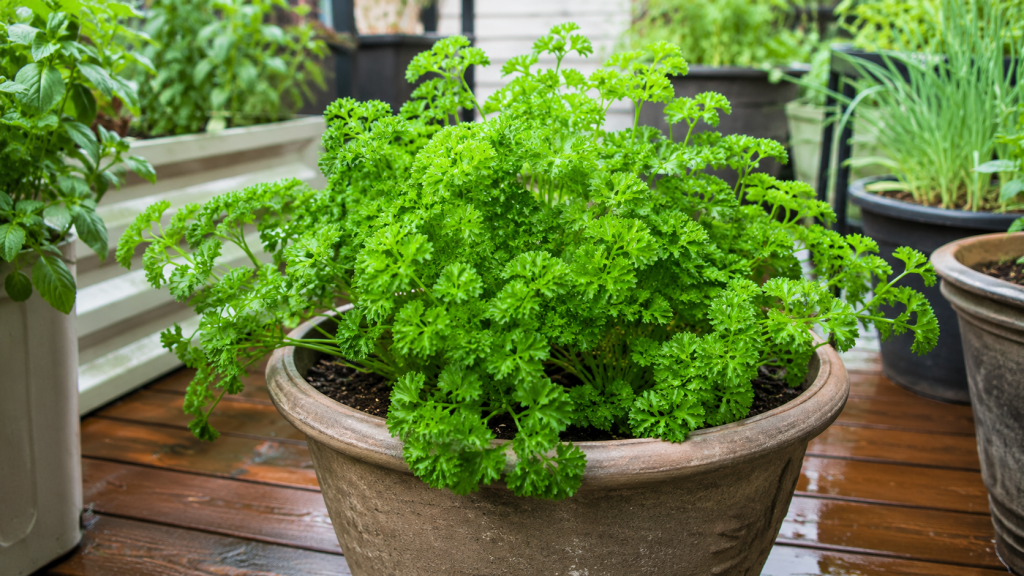
Parsley is one of those herbs I enjoyed growing.
While it may not get as much attention as basil or rosemary, it’s incredibly useful in the kitchen. From soups and salads to pasta, marinades, and simple garnishes, having fresh parsley just outside the door is both convenient and rewarding.
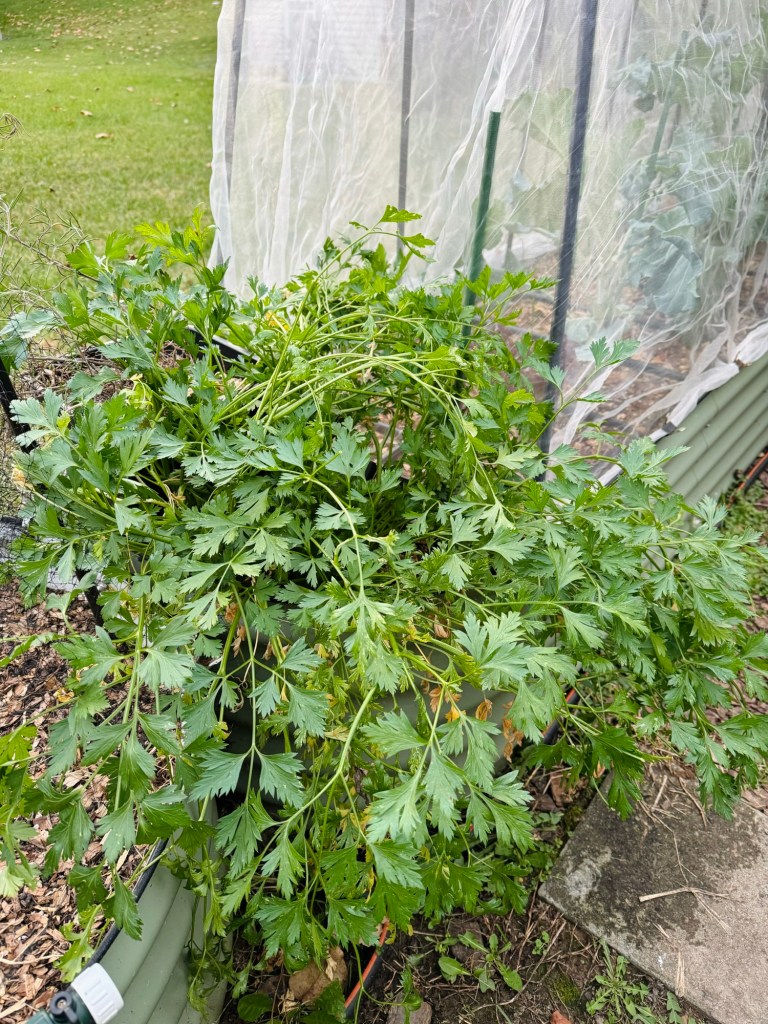
It’s also one of the easiest herbs to grow, making it a perfect choice for beginner gardeners.
Here’s everything I’ve learned about growing healthy, productive parsley.
Choose the Right Variety
There are two main types of parsley you’ll commonly find.
Curly Parsley
Curly parsley has tightly ruffled leaves and is often used as a garnish.
Its flavor is mild and fresh, making it a versatile addition to many dishes.
Flat-Leaf Italian Parsley
Flat-leaf parsley has smoother leaves and a stronger, more robust flavor.
Many cooks prefer it because it’s easier to chop and holds up well in cooked dishes.
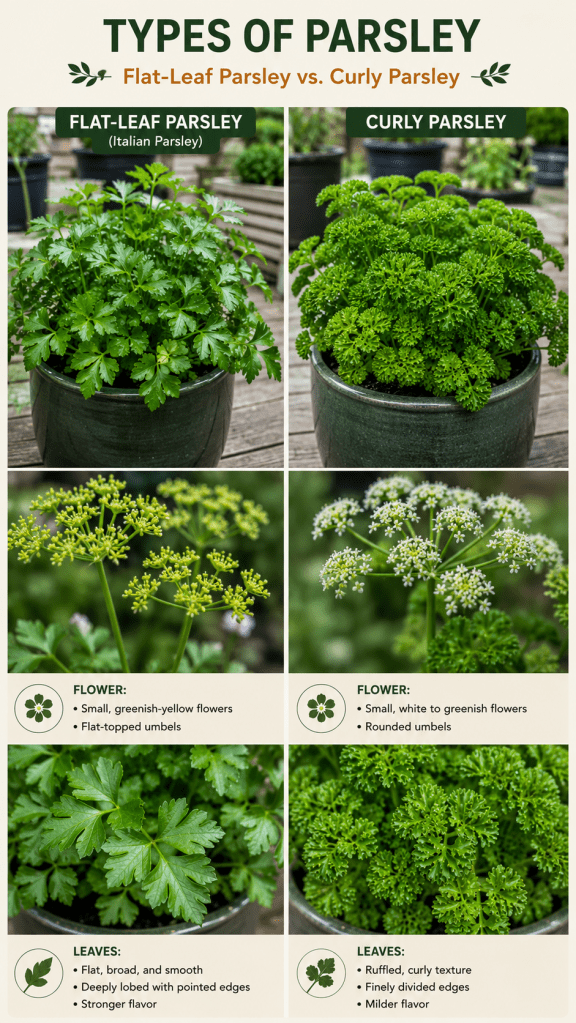
I enjoy growing both, but I tend to reach for curly parsley most often because it’s milder and it looks very pretty as a garnish.
Start from Seeds or Nursery Plants
Parsley can be grown from seed or purchased as young plants, depending on how quickly you want to get started.
Growing from Seed
Parsley seeds are known for their slow germination. They can take anywhere from two to four weeks to sprout, so patience is key.
To help speed things up, some gardeners soak the seeds in warm water overnight before planting.
Sow seeds about ¼ inch deep in moist seed-starting mix and keep the soil consistently moist until they emerge.
Planting Nursery Starts
If you’d prefer a quicker harvest, nursery plants are a great option.
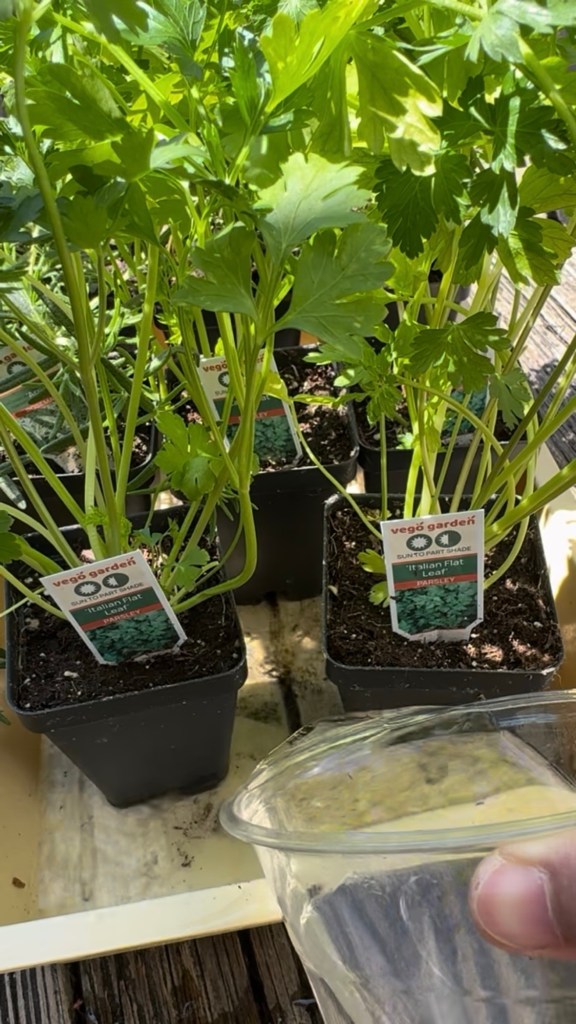
Plant them after the threat of severe frost has passed, and water well until they’re established.
Give Parsley the Right Amount of Sun
Parsley grows well in full sun but also tolerates partial shade.
If you’re gardening in a small space like I do, you can maximize your layout by placing taller plants in prime sunny spots and tucking parsley underneath.
I like giving mine morning sun with some afternoon shade, especially during Maryland’s hot summers. This bit of protection helps keep the leaves tender and extends the plant’s productivity.
Plant in Rich, Well-Draining Soil
Parsley thrives in fertile soil rich in organic matter.
Before planting, I mix compost into the soil to improve fertility and help retain moisture.
Whether you’re growing parsley in containers or raised beds, make sure the soil drains well while still holding enough moisture for steady growth.
Water Consistently
Parsley prefers evenly moist soil.
Unlike herbs like rosemary or thyme, it doesn’t tolerate drying out completely.
Water whenever the top inch of soil begins to dry. Container-grown parsley typically needs more frequent watering since pots dry out faster in warm weather.
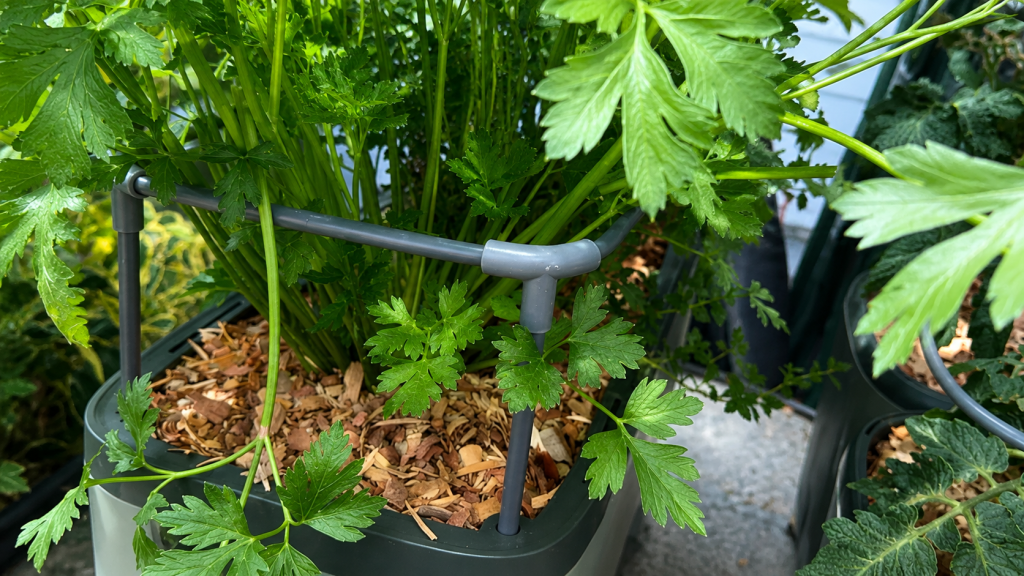
Adding a layer of mulch can also help conserve moisture and reduce weeds.
Fertilize Lightly
Parsley isn’t a heavy feeder.
In garden beds, adding compost before planting is usually enough.
For container-grown parsley, applying a balanced liquid fertilizer every few weeks helps replenish nutrients lost through frequent watering.
Be careful not to overfertilize, as this can lead to excessive leafy growth with reduced flavor.
Harvest Often
Regular harvesting encourages parsley to produce more.
Instead of picking leaves from the center, harvest the older outer stems first. Cut them near the base using clean scissors or pruners.
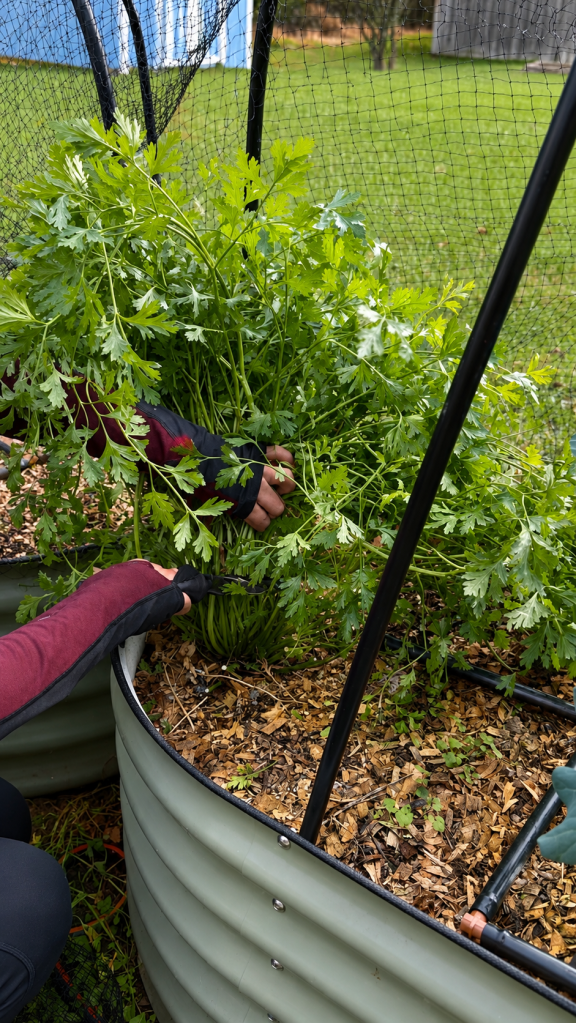
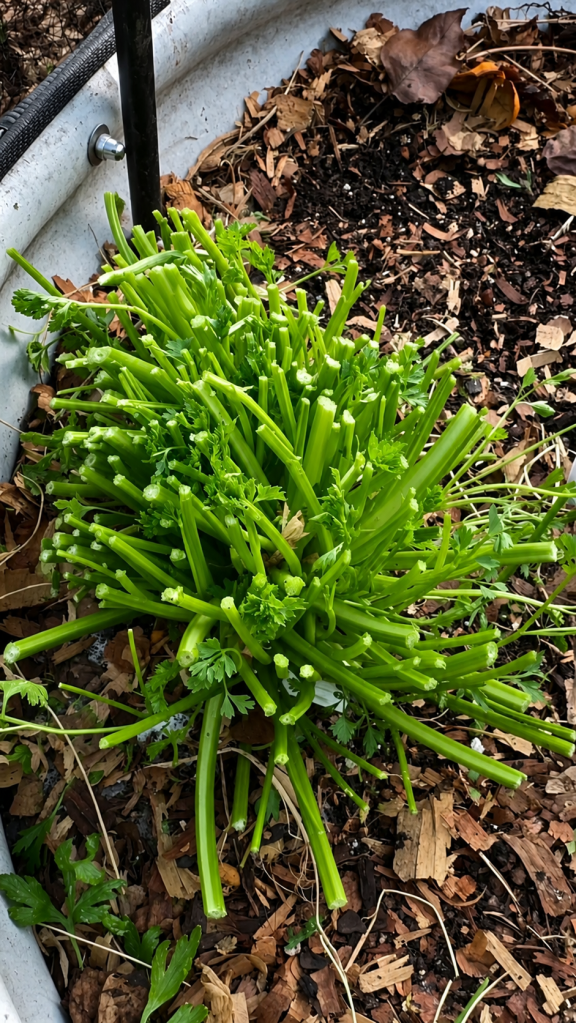
Leaving the center intact allows new growth to continue throughout the season, keeping your plants productive.
Let Some Plants Flower
Parsley is a biennial plant.
In its second growing season, it naturally produces flowers before going to seed.
While the leaves become less flavorful at this stage, the flowers attract beneficial insects and pollinators.
If you enjoy supporting biodiversity in your garden, consider letting one plant flower before replacing it.
Growing Parsley in Containers
Parsley grows beautifully in containers and is a great choice for:
- Patio gardens
- Deck planters
- Kitchen herb gardens
- Raised beds
- Window boxes
Choose a pot with drainage holes and use a high-quality potting mix.
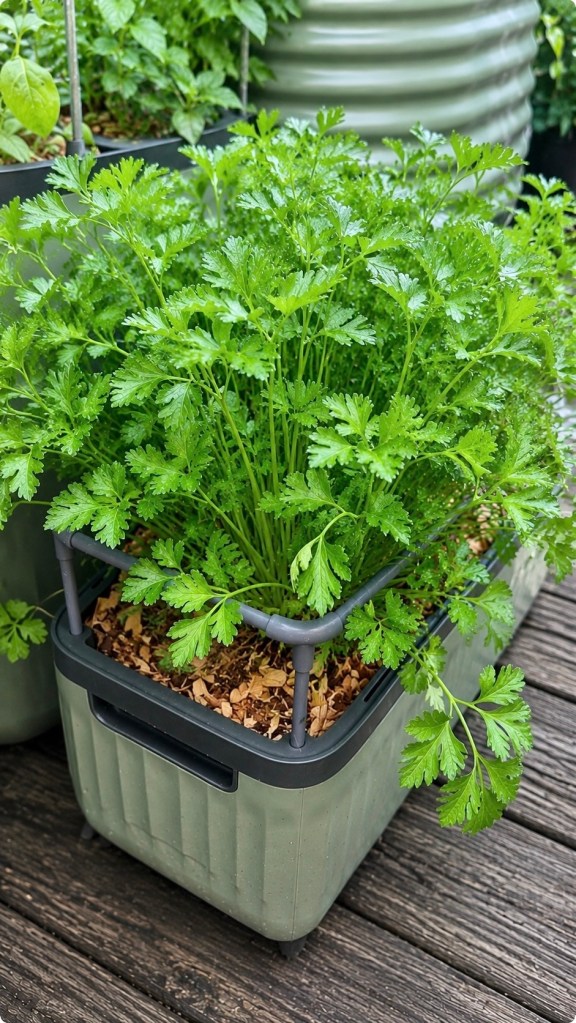
Because parsley stays relatively compact, it’s easy to include in mixed herb containers alongside basil, chives, or thyme.
Common Problems
Parsley is generally easy to grow, but a few issues may occasionally arise.
Yellow Leaves
Often caused by overwatering, underwatering, or nutrient deficiencies.
Slow Growth
Can result from poor soil, cool temperatures, or insufficient sunlight.
Caterpillars
You may notice swallowtail butterfly caterpillars feeding on your parsley.
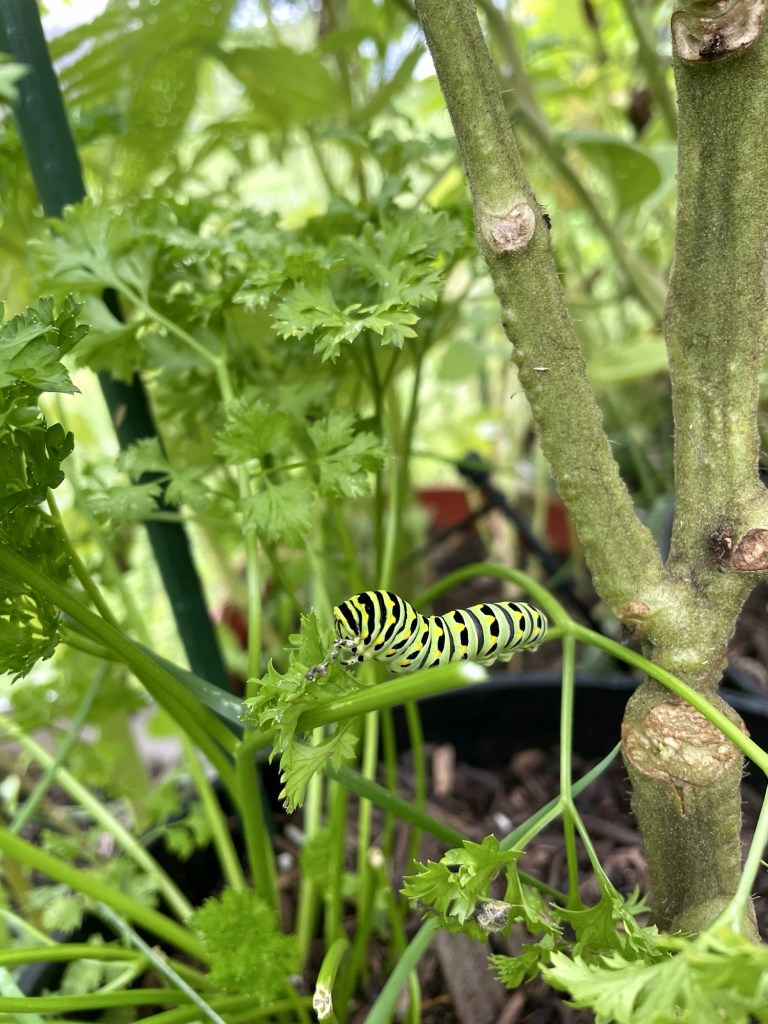
While they might nibble a few leaves, they’re also a reminder of parsley’s role in supporting pollinators. I usually don’t mind sharing a small portion of my harvest with future butterflies.
Ways to Use Fresh Parsley
Fresh parsley is one of the most versatile herbs you can grow.
Some of my favorite ways to use it include:
- Soups
- Salads
- Pasta dishes
- Marinades
- Rice dishes
- Garlic butter
- Chimichurri
- Fresh garnishes
- Homemade herb blends
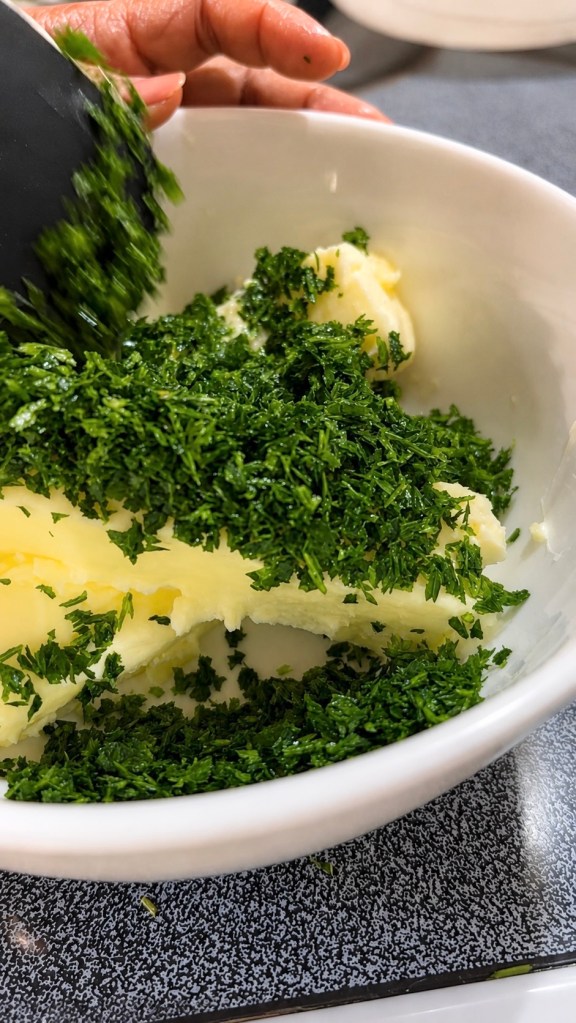
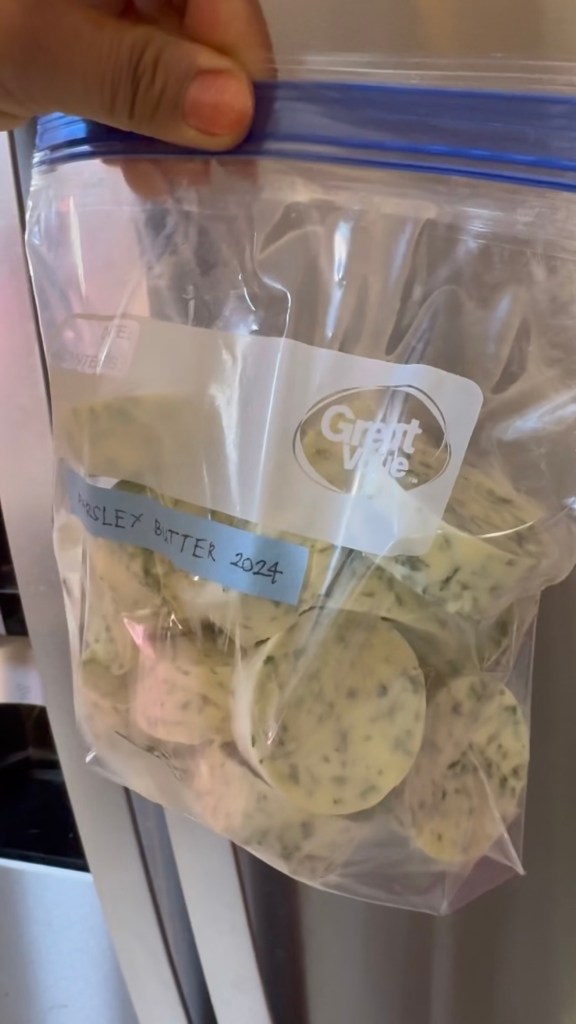
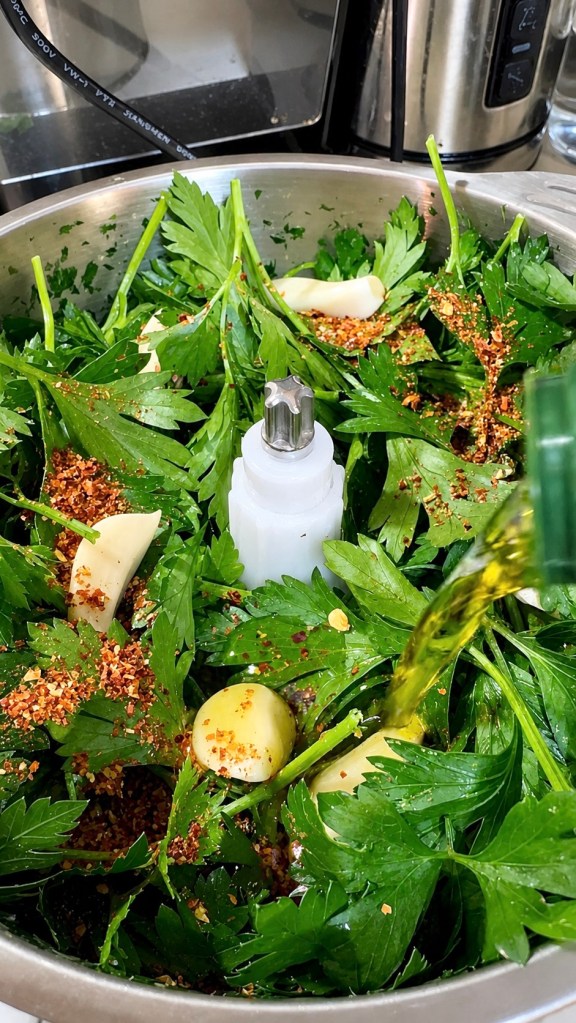
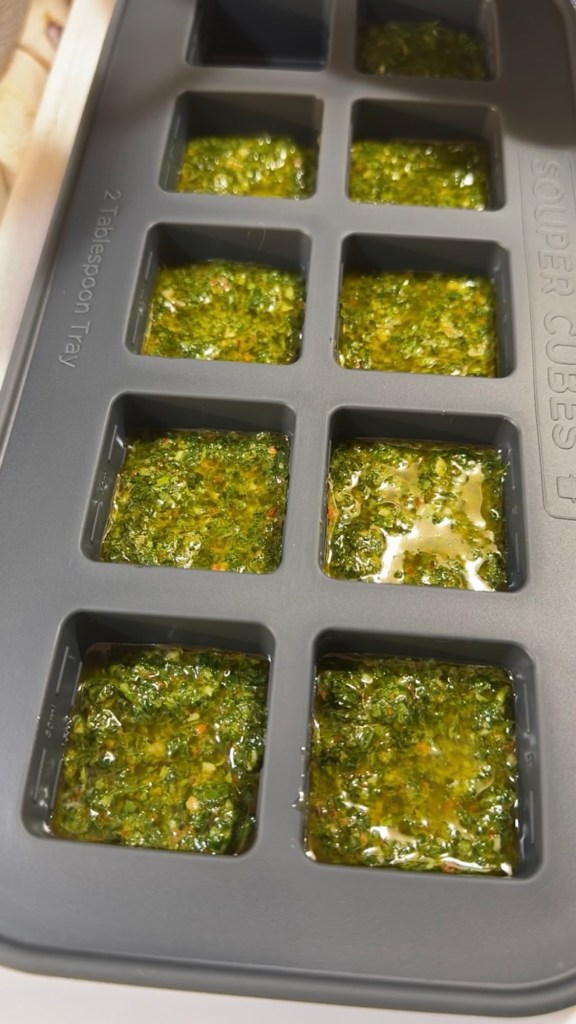
Any extra parsley can be chopped and frozen or dried for later use.
What Works in My Maryland Garden
Parsley has become one of the easiest herbs to maintain in my Maryland Zone 7 garden.
I’ve found it grows best in rich soil with consistent moisture and a bit of protection from the hottest afternoon sun. Regular harvesting keeps the plants producing fresh leaves for months, and I love being able to snip what I need whenever I’m cooking.
One thing I especially appreciate about parsley is its dual purpose. Not only does it provide fresh herbs for the kitchen, but it also serves as a host plant for black swallowtail butterflies. Watching their caterpillars develop is a reminder that every plant in the garden can support local wildlife.
If you’re looking for an easy, productive herb that you’ll use almost every day, parsley is an excellent choice. It’s beginner-friendly, grows well in small spaces, and rewards you with fresh harvests throughout much of the growing season.
If this guide helped you feel more confident about growing parsley, save it for later and share it with another gardener. I’d love to know—which do you prefer, curly parsley or flat-leaf parsley?



 Gingerfoot Garden
Leave a comment