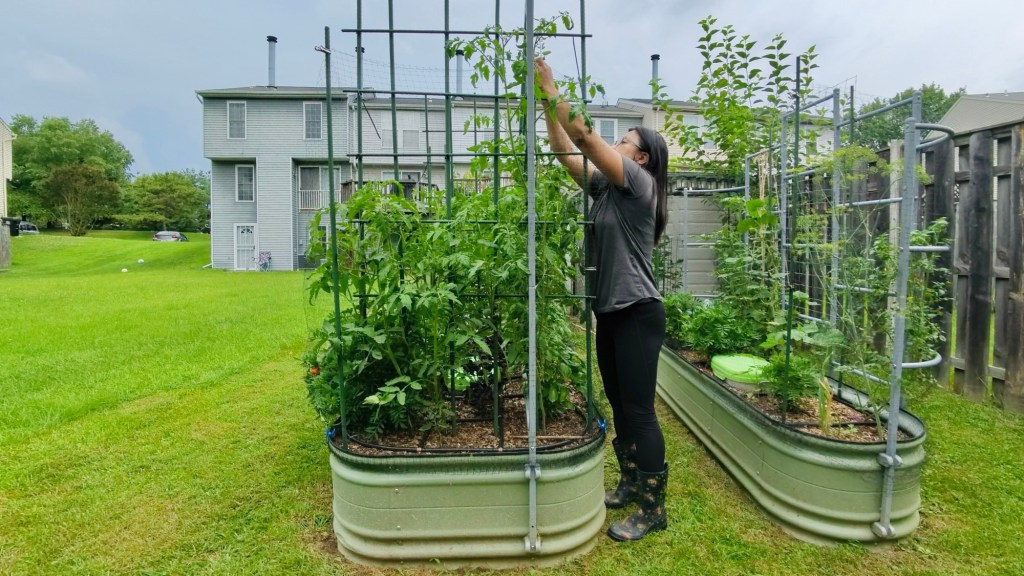
May is when my small-space garden starts transitioning from cool-season greens to warm-season abundance.
This is the month when tomatoes, peppers, cucumbers, beans, squash, and all the heat-loving crops finally begin moving into the garden. And if you garden in a small backyard, patio, deck, or raised bed setup like I do, you quickly realize one thing:
You run out of space fast.
Over the years, I’ve learned that small-space gardening isn’t about having more room—it’s about learning how to maximize every inch you already have.
And honestly, warm-season crops are some of the easiest plants to grow intensively once you understand how to use vertical space, dense planting, containers, and raised beds together.
So here’s exactly how I maximize my garden space in May while growing warm-season crops in Zone 7.
1. I Plant Warm Crops Closer Together (Strategically)
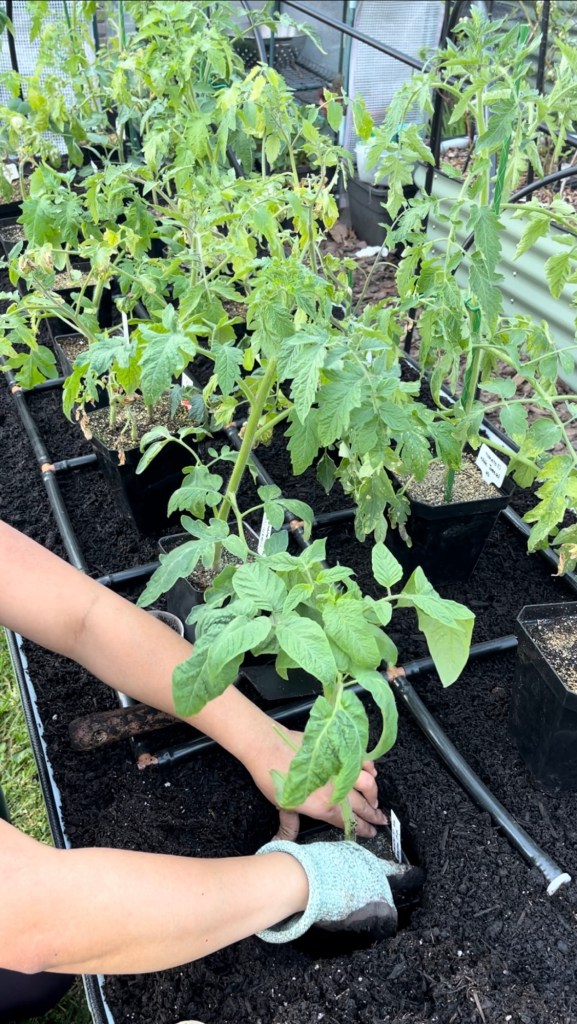
One of the biggest ways I maximize my small garden is through intentional dense planting.
Instead of leaving large empty gaps between plants, I allow some crops to grow a little closer together while still maintaining enough airflow.
This helps:
- Shade the soil during summer heat
- Reduce weeds
- Hold moisture longer
- Increase production in small areas
🌿 Warm-Season Crops I Plant Intensively
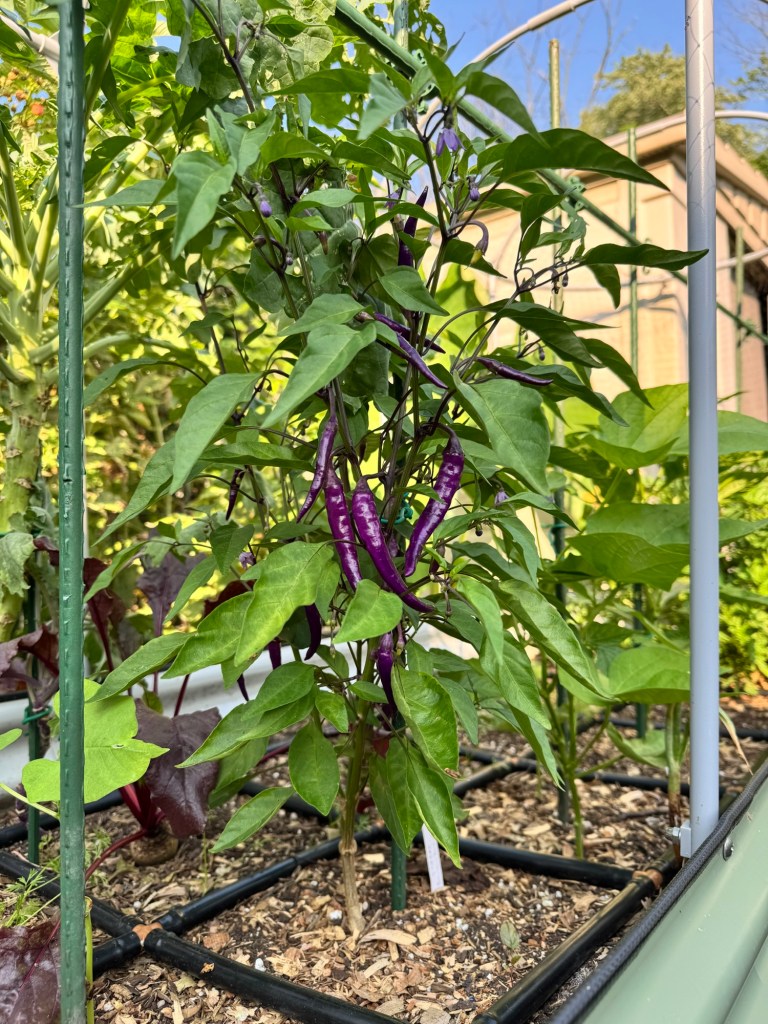
- Peppers
- Basil
- Bush beans
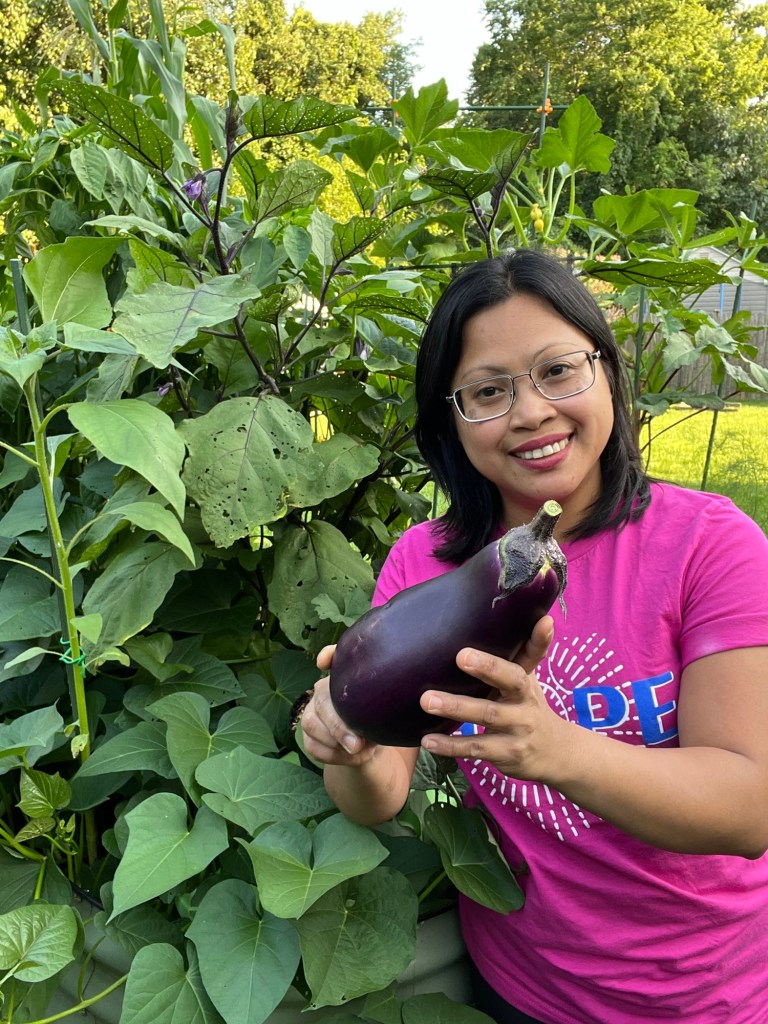
- Eggplant
- Compact tomatoes
- Okra
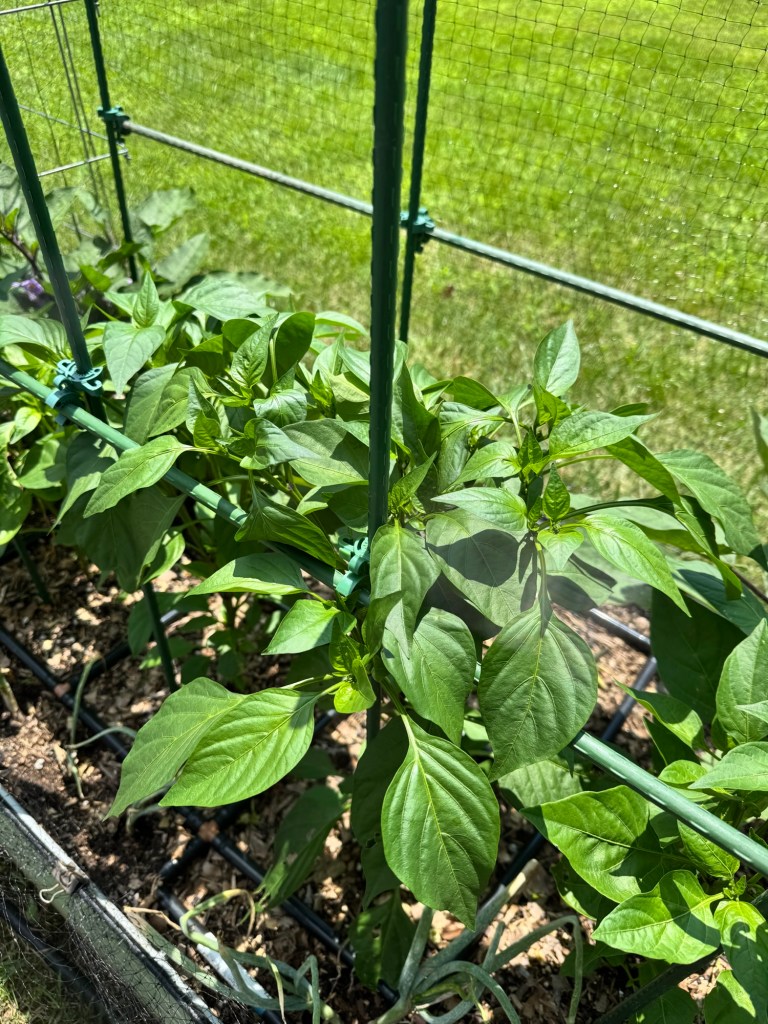
I especially love planting peppers closer together in raised beds because their leaves eventually create a canopy that helps protect the soil from drying out too quickly during summer.
💡 Tip: Dense planting works best when you stay consistent with pruning, feeding, and airflow management.
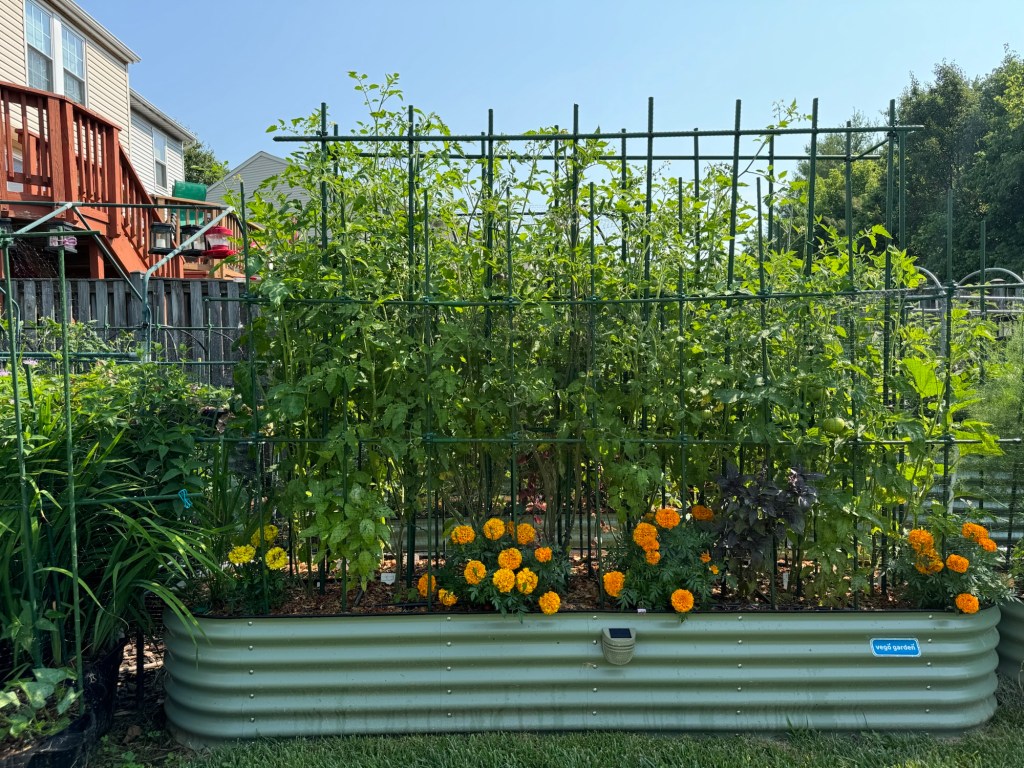
2. Vertical Growing Is the Secret to Small-Space Gardening
If I had to choose one thing that transformed my garden the most, it would probably be growing vertically.
Warm-season crops love to sprawl—but in a small space, sprawling plants can quickly take over everything.
So instead of growing outward, I grow upward.
🌿 Crops I Grow Vertically
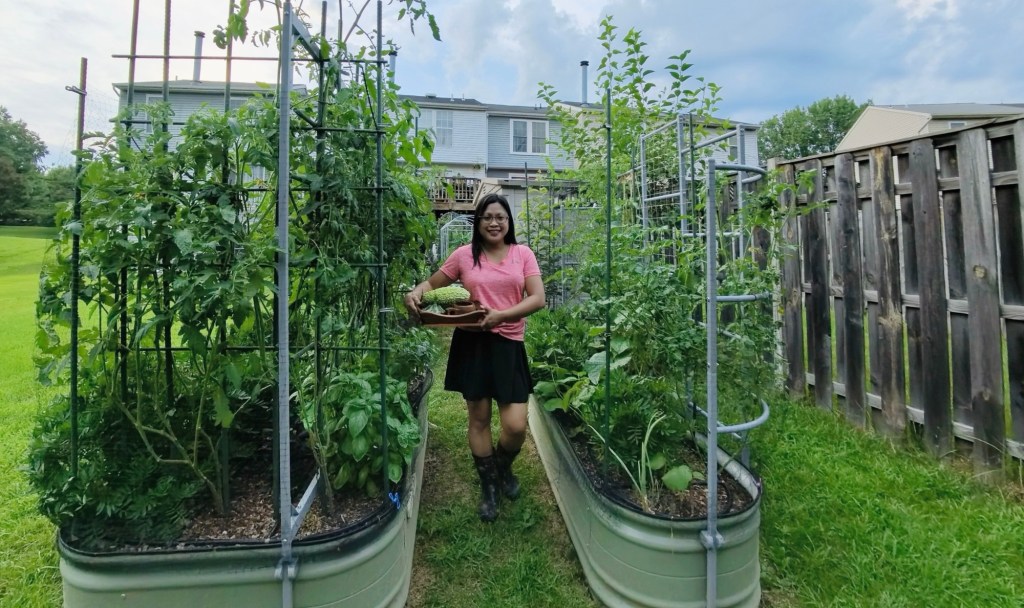
- Tomatoes
- Cucumbers
- Pole beans
- Bitter melon
- Small melons
- Watermelons
Yes—even watermelons.
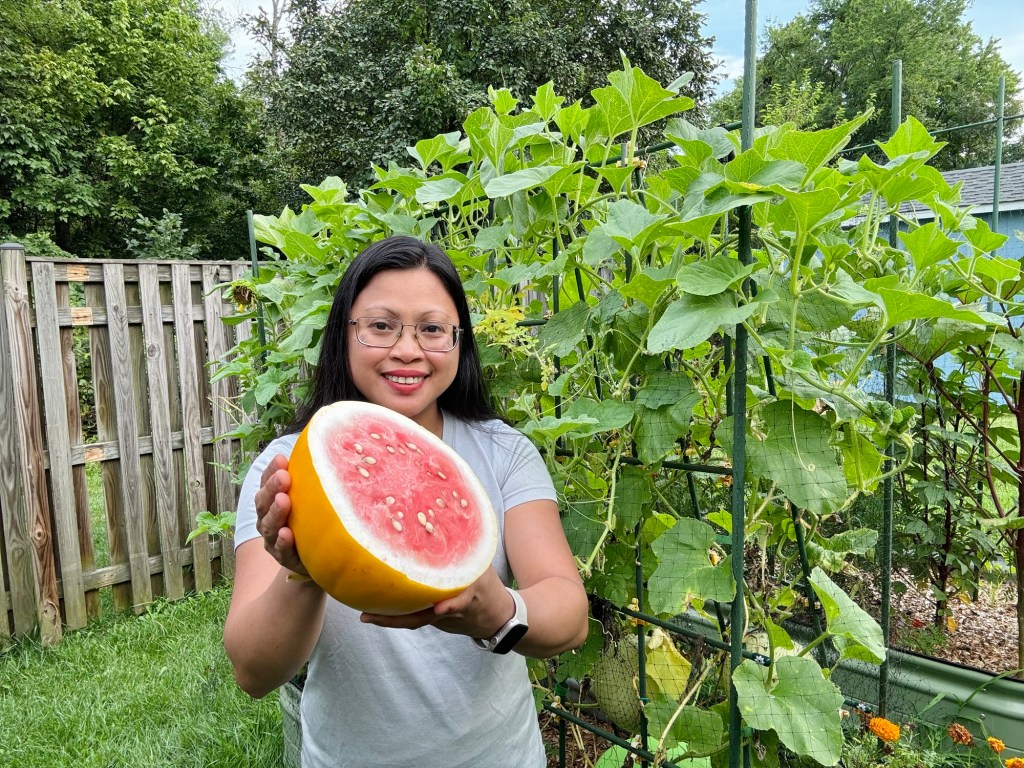
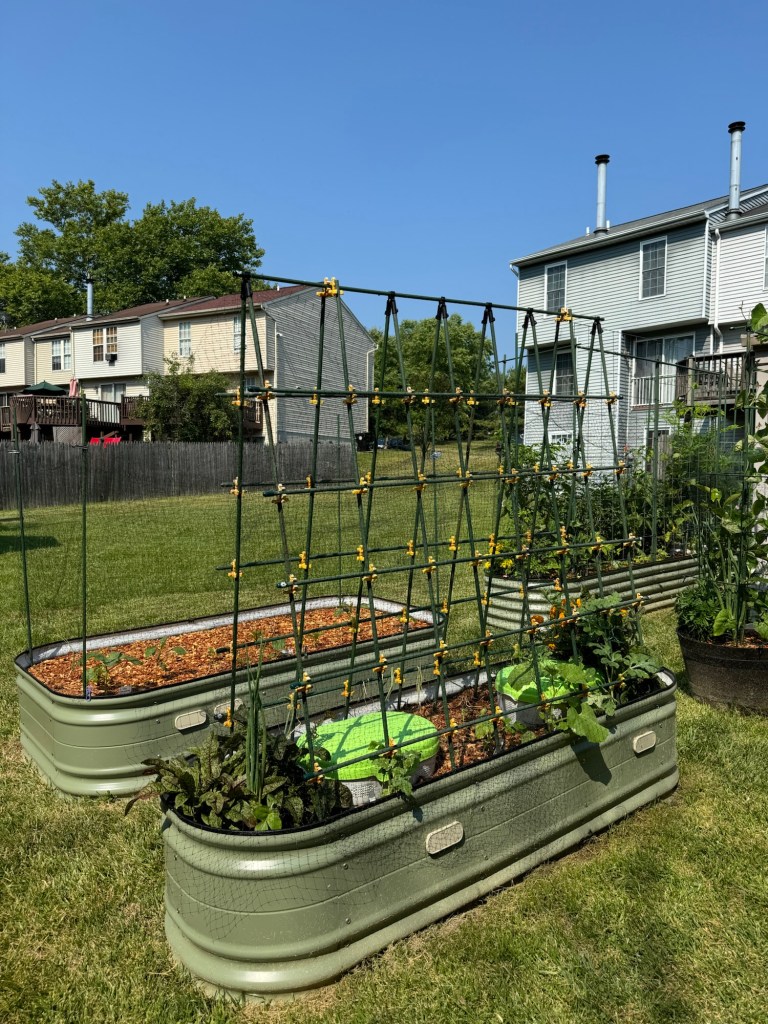

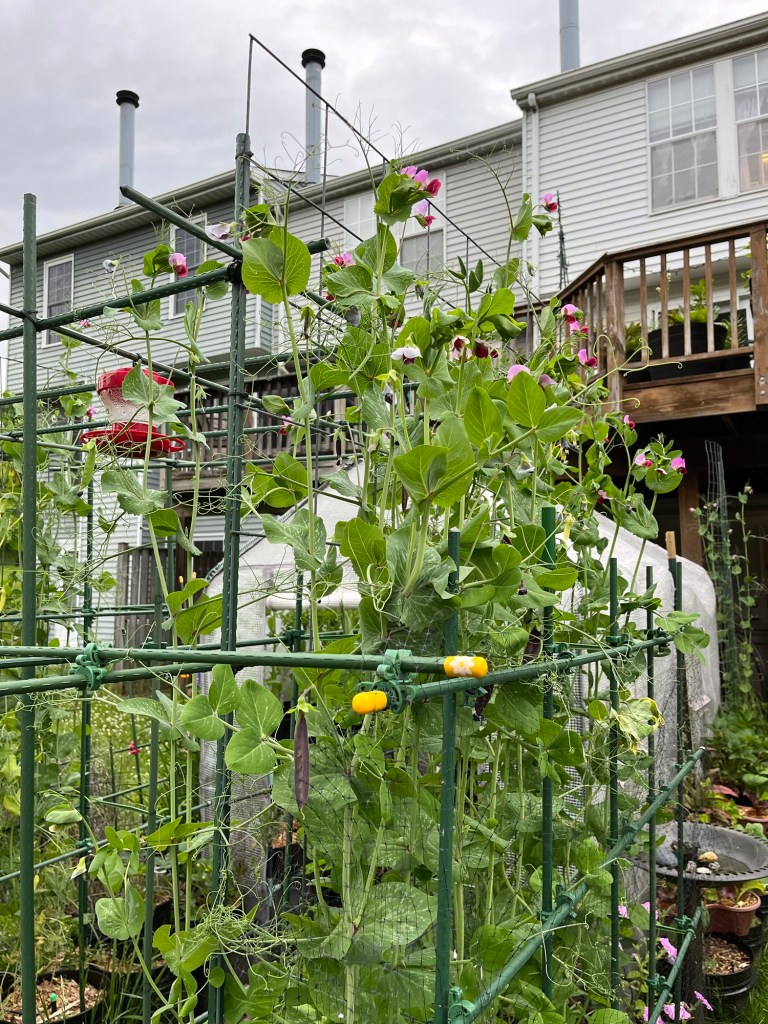
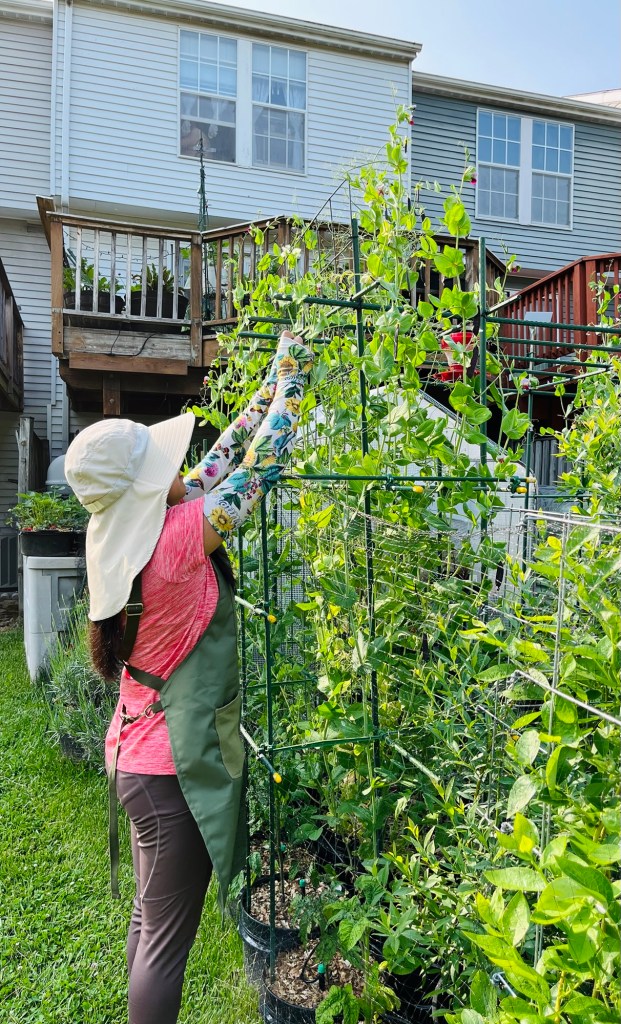
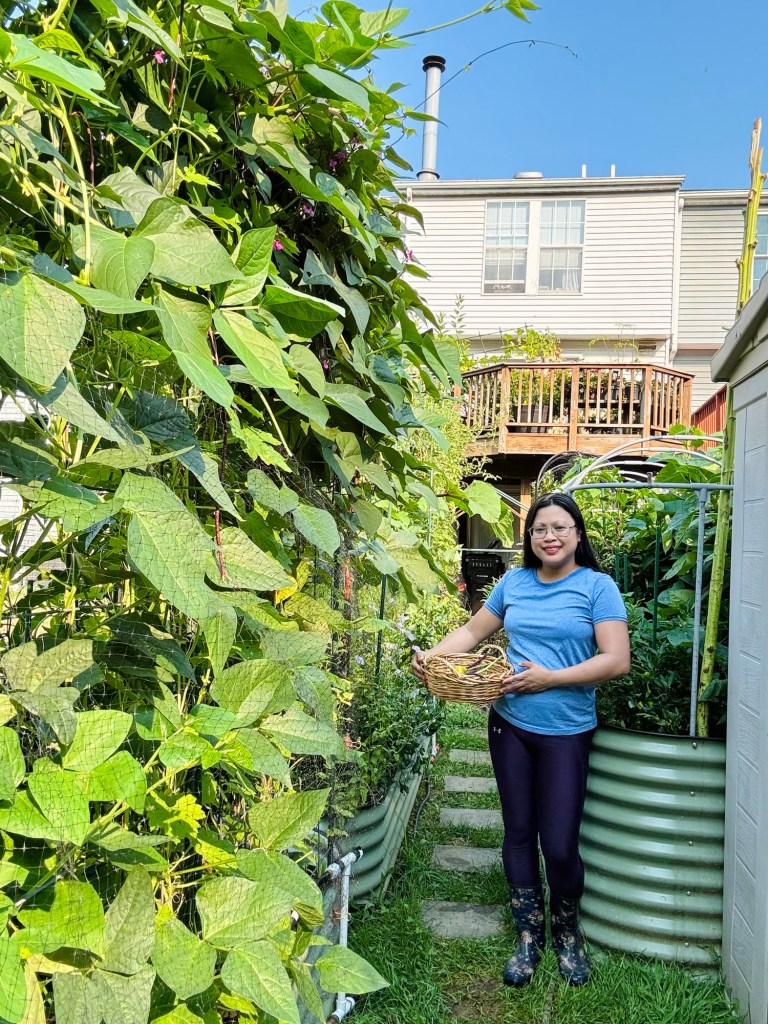
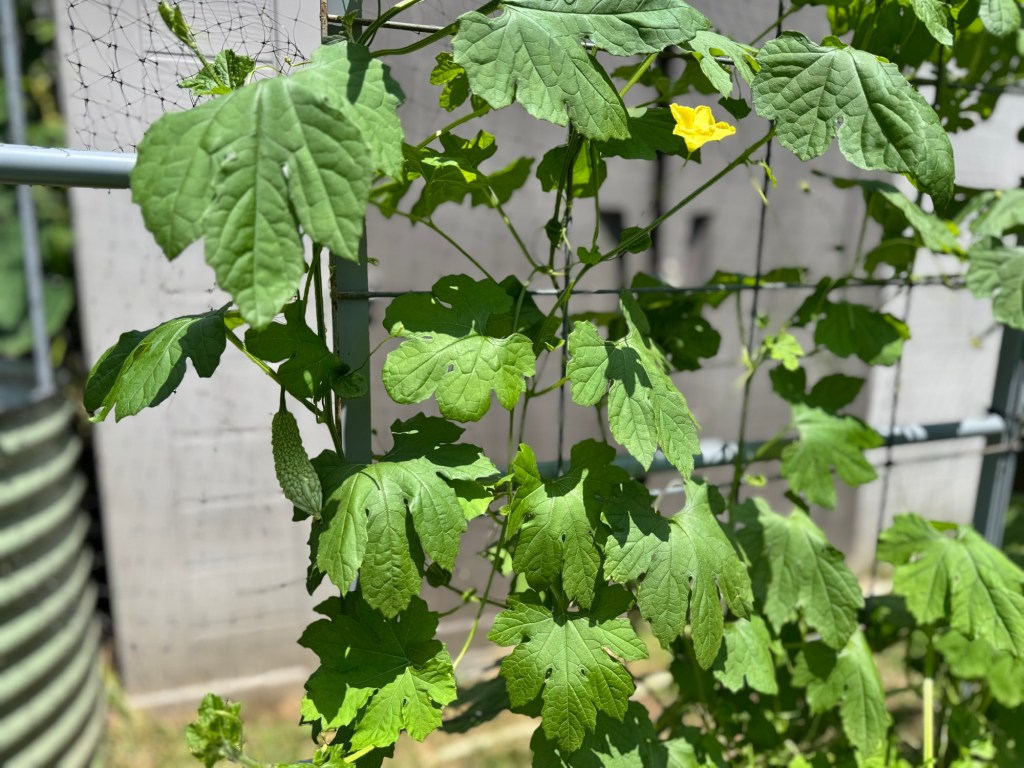
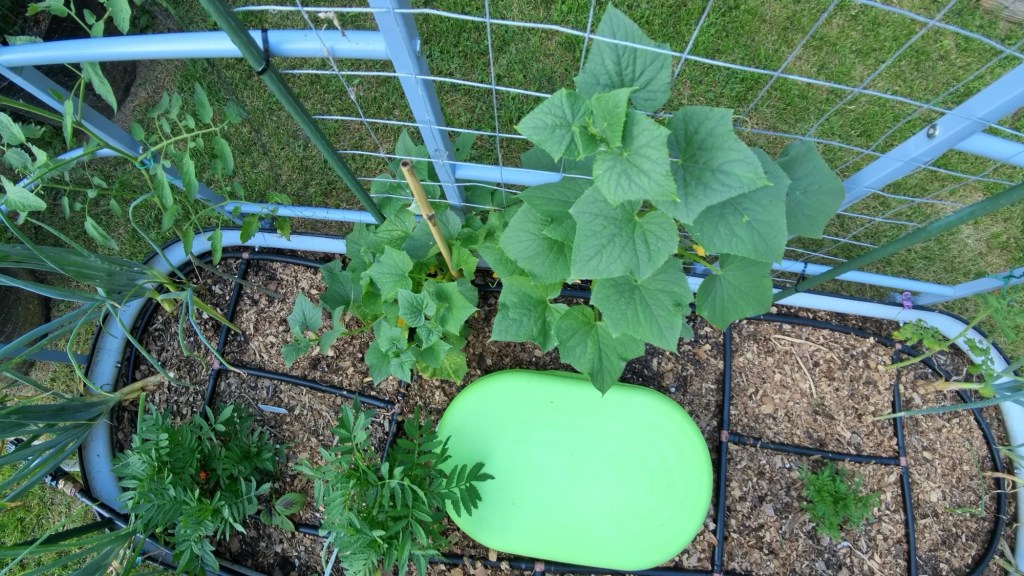
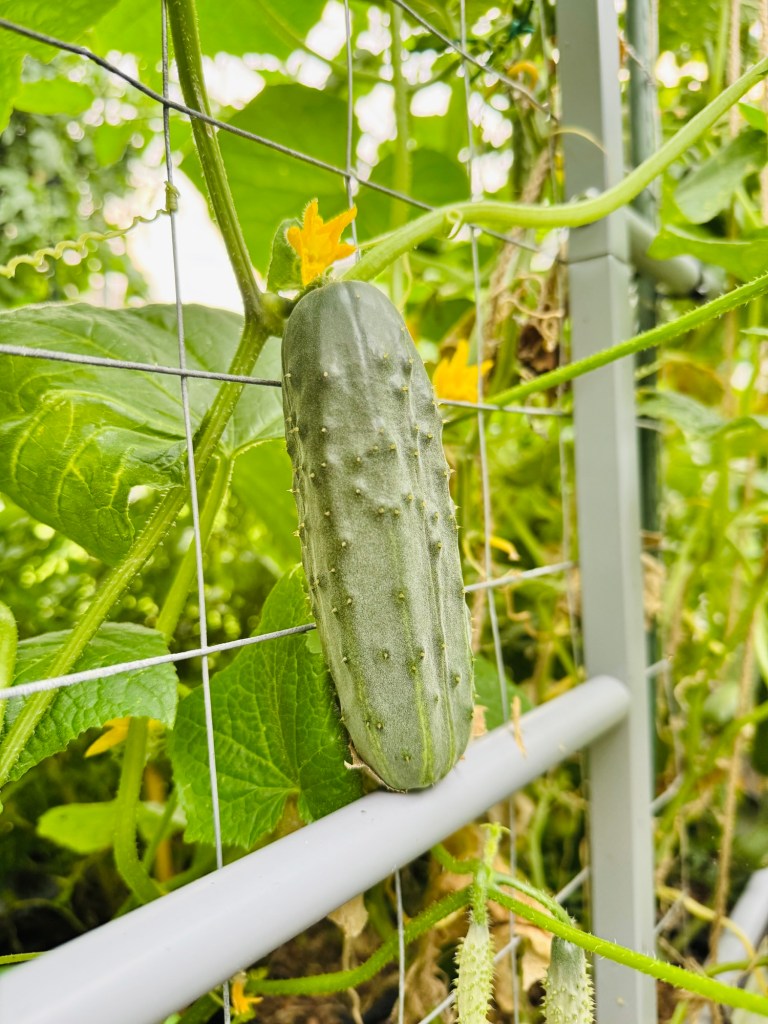
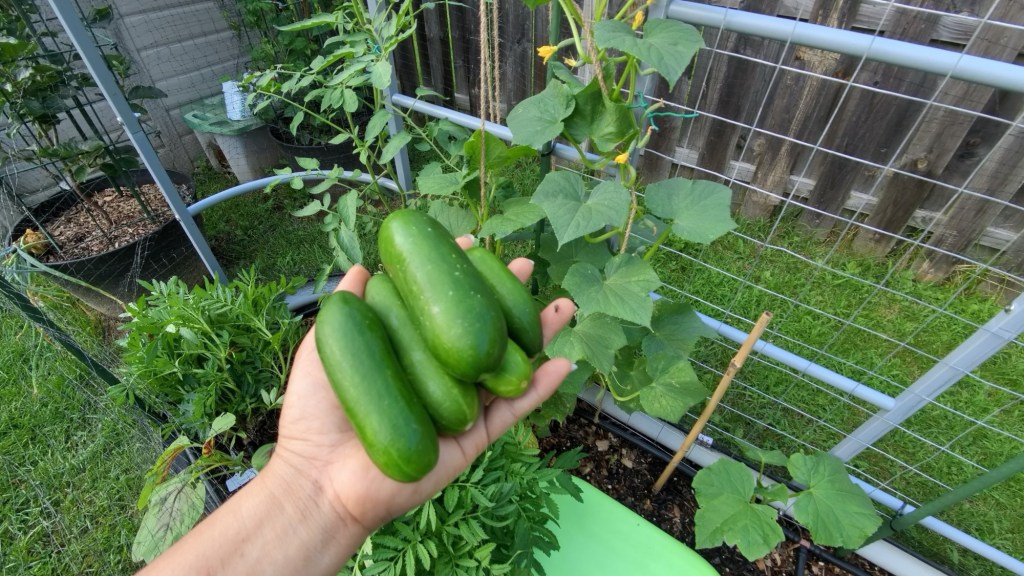
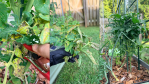
I grow some of mine vertically using an A-frame trellis, and it makes such a difference in space management.
Vertical growing helps:
- Improve airflow
- Reduce disease pressure
- Keep fruits cleaner
- Make harvesting easier
- Free up ground space for other crops
And honestly, it just makes the garden feel bigger.
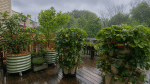
3. Containers Help Me Grow More Warm Crops
Containers are one of the best ways to expand growing space without needing more land.
I use containers heavily during warm-season gardening because they allow me to place crops anywhere there’s sunlight.
🌞 Warm Crops I Grow in Containers
- Tomatoes
- Peppers
- Eggplant
- Okra
- Ginger
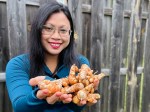
- Turmeric
- Citrus trees
- Herbs like basil and lemongrass
One thing I’ve noticed in May is how quickly container plants begin drying out once temperatures warm up.
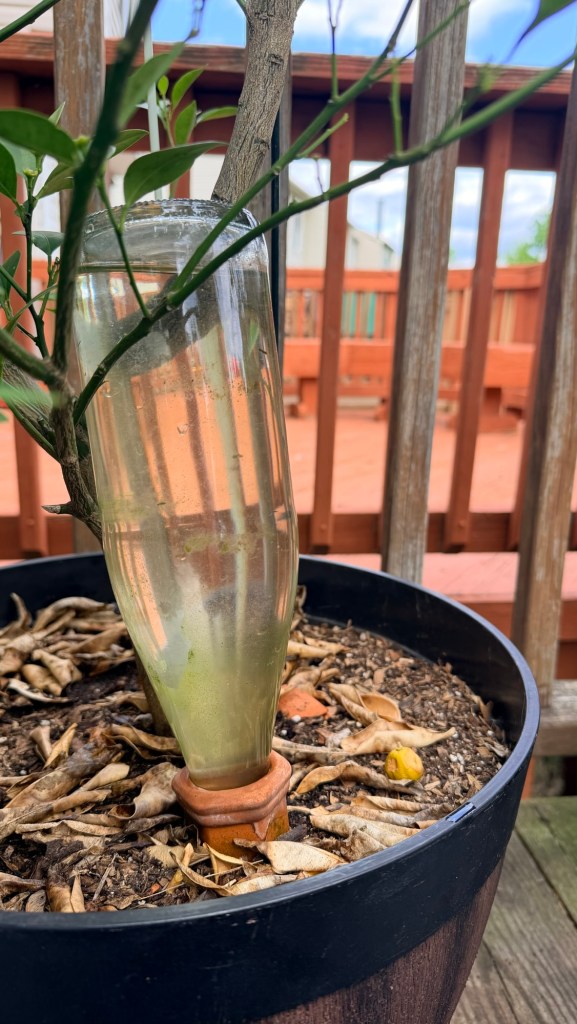
As plants get larger and become root-bound, watering becomes much more important—especially for heavy feeders like tomatoes and citrus.
💡 Tip: Self-watering containers or watering spikes can make a huge difference during hot weather.
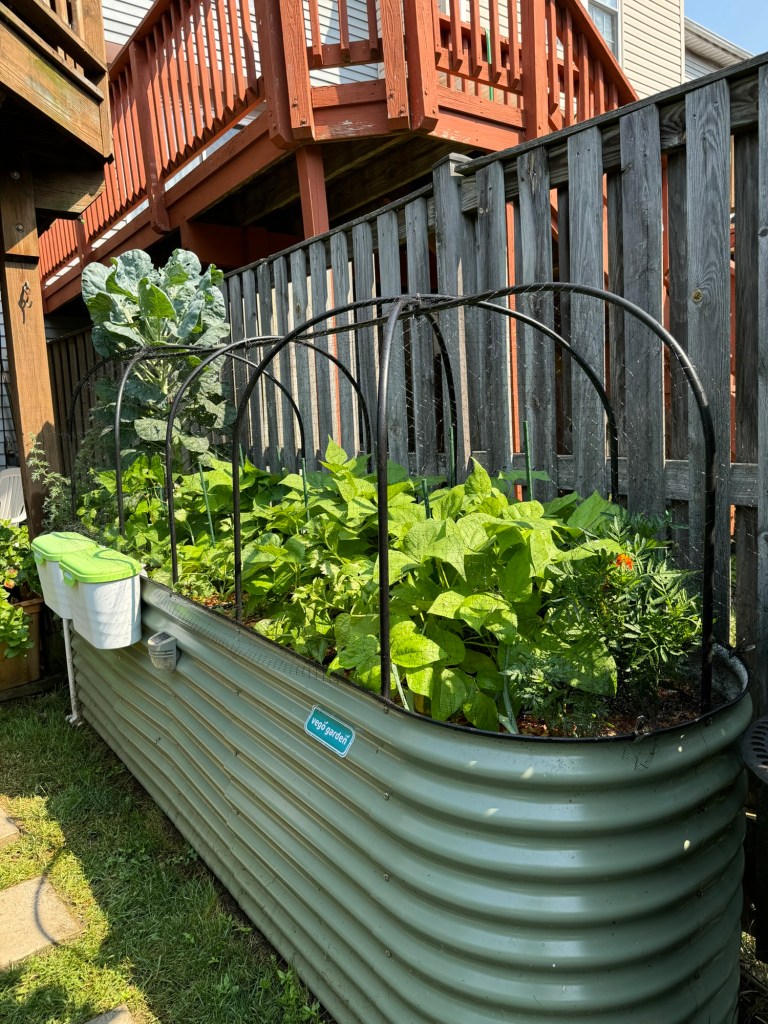
4. Raised Beds Let Me Garden More Intensively
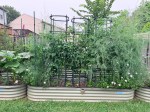
Raised beds make it much easier for me to grow warm-season crops closely together while still maintaining healthy soil.
I can:
- Control soil quality
- Add compost easily
- Improve drainage
- Organize crops efficiently
And because the soil warms up faster in spring, warm-season crops tend to establish more quickly.
🌱 How I Layer Crops in Raised Beds
One of my favorite ways to maximize space is layering plants vertically and horizontally.
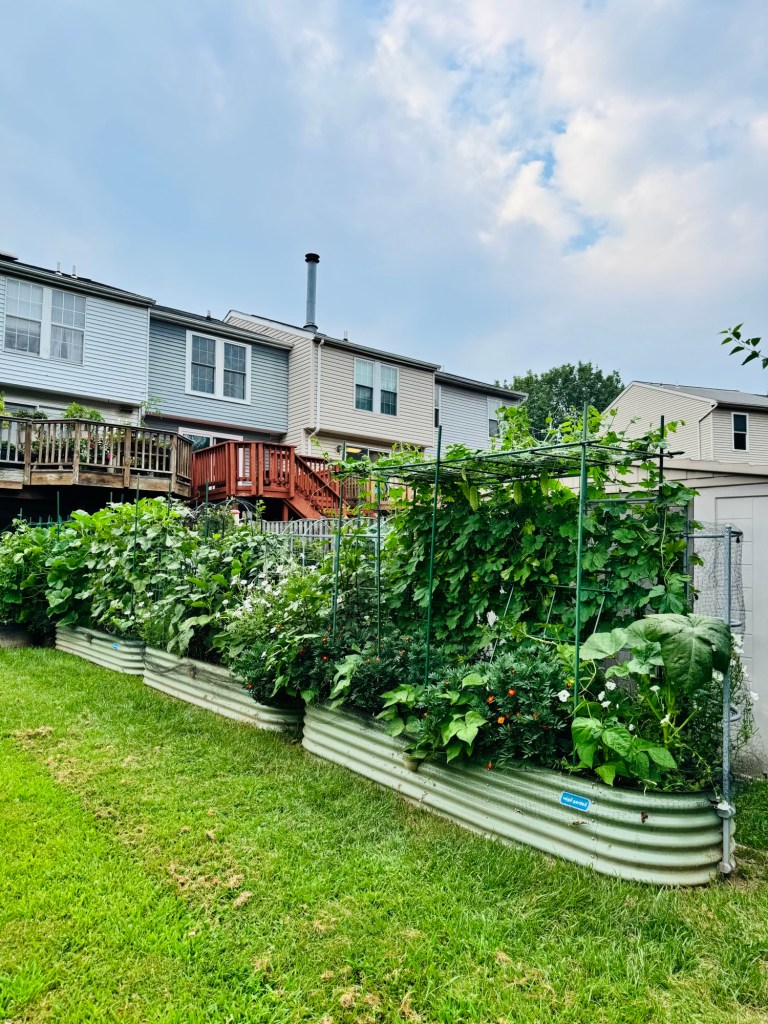
For example:
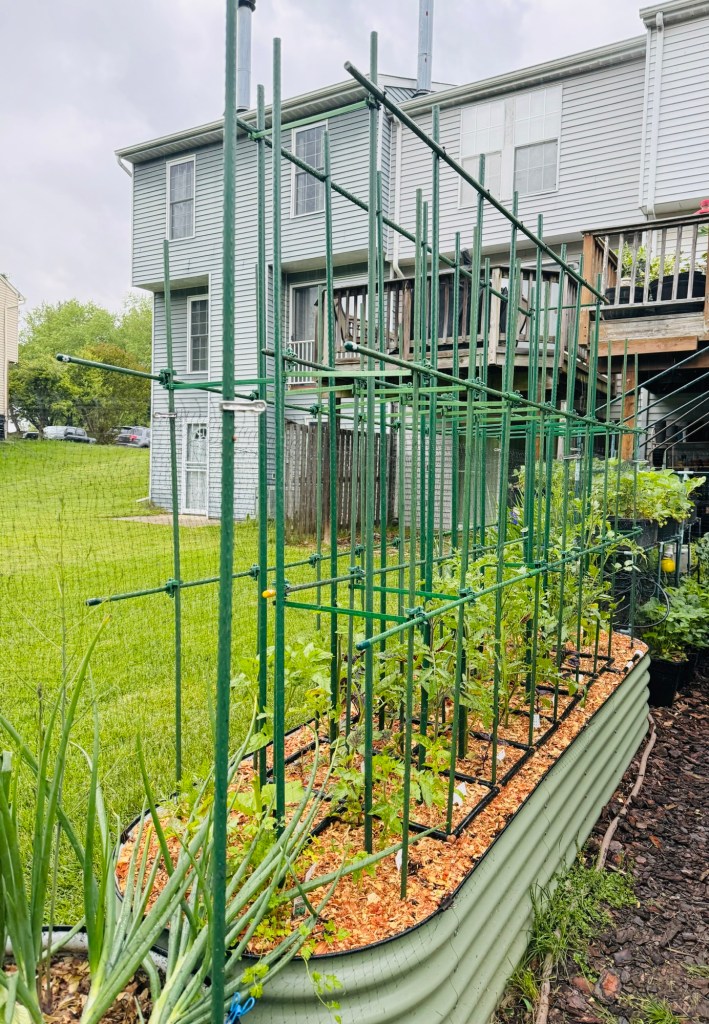
- Tomatoes growing upward on trellises
- Basil planted underneath
- Green onions tucked along edges
This allows multiple crops to share the same space without competing too heavily.
5. Interplanting Makes Every Inch Count
Interplanting is one of the easiest ways to increase productivity in a small garden.
Instead of dedicating entire beds to one crop, I mix plants together intentionally.
🌱 Warm-Season Pairings I Love
- Basil with tomatoes
- Green onions with peppers
- Lettuce under taller plants before summer heat arrives
- Bush beans between slower-growing crops
This helps me harvest more food from the same space while also keeping the garden visually full and productive.
6. Warm-Season Gardens Need Consistent Watering
By May, warm-season crops begin growing fast—and so does their need for water.
This is especially true in:
- Containers
- Raised beds
- Dense plantings
I try to:
- Water deeply instead of shallow watering
- Mulch around plants
- Monitor containers daily
- Water early in the morning whenever possible
Once summer heat arrives, small-space gardens can dry out surprisingly fast.
7. Staying Ahead of Pests Matters More in Small Spaces
When plants grow closely together, pests can spread quickly if you’re not paying attention.
That’s why I try to stay proactive in May by:
- Inspecting leaves regularly
- Using insect netting when needed
- Encouraging beneficial insects
- Trellising plants for airflow
Healthy, well-maintained plants tend to handle pest pressure much better overall.
8. Small Spaces Can Still Produce Abundance
One of the biggest lessons gardening has taught me is this:
You do not need a huge backyard to grow a meaningful amount of food.
A patio.
A deck.
A few raised beds.
A handful of containers.
That can still become an incredibly productive garden.
Sometimes small spaces actually force us to garden more intentionally—and that often leads to better results.
Final Thoughts
May is one of the most important months for warm-season gardening in Zone 7.
This is the month where the structure of your garden really begins taking shape.
By combining:
- Dense planting
- Vertical growing
- Containers
- Raised beds
You can grow far more food than you might expect from a small space.
And honestly? There’s something really rewarding about turning even the tiniest corner into a thriving garden




 Gingerfoot Garden
Leave a comment