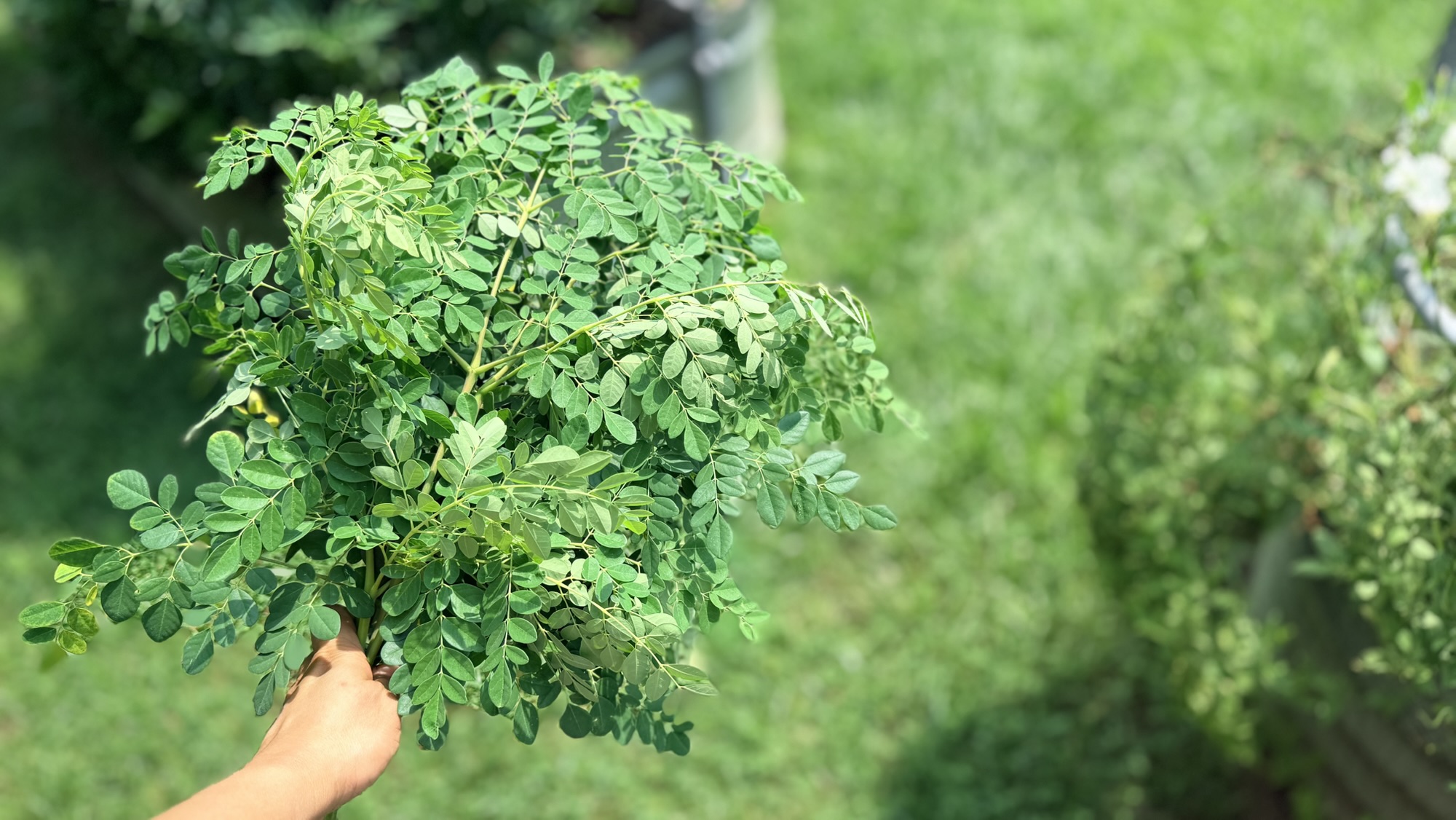
As a Filipino living abroad, moringa is one of the plants I most want to grow. Maryland is my home now, and I’m definitely American at heart, but I still feel deeply connected to my Filipino roots. One way I honor that connection is by growing some of the foods I grew up eating, and moringa is one of them.
Moringa is also known as the drumstick tree, horseradish tree, or Moringa oleifera. It is a fast-growing tropical plant valued for its edible leaves, flowers, and long seed pods. In the Philippines, it is called malunggay and is widely considered the country’s national vegetable. It is also a cultural symbol of health, nourishment, and resilience.
In warm climates, moringa can grow into a substantial tree. Even if you live somewhere with cold winters, however, you can still grow it as a seasonal plant or keep it in a container that can be protected when temperatures drop.
Growing moringa in my Maryland Zone 7 garden has been an experiment. I started several seeds, but germination wasn’t perfect—a good reminder that gardening doesn’t always go exactly as planned. Moringa was one of the plants I especially wanted to grow because of its many uses, its connection to my native land, and its limited availability in local stores. When I do find it, it can also be quite expensive.
If you’ve been wondering whether you can grow moringa at home—especially in a colder climate—here’s what you need to know.
What Is Moringa?
Moringa *Moringa oleifera* is a fast-growing tree native to parts of South Asia and widely grown throughout tropical and subtropical regions. In the Philippines, it is commonly called malunggay and is a familiar part of home gardens, traditional cooking, and local culture.
Malunggay is widely considered the Philippines’ national vegetable and is often associated with health, nourishment, and resilience. Its cultural importance reflects how valued the plant is in Filipino households and communities.
Nearly every part of the plant has traditionally been used in some way, but home gardeners most commonly grow moringa for its:
- Tender leaves
- Young shoots
- Flowers
- Immature seed pods
The leaves are especially popular in many Asian, African, and Caribbean cuisines. In Filipino cooking, they are often added to soups and stews. I especially enjoy moringa in tinola and monggo.
Is Moringa a Perennial?
Whether moringa grows as a perennial depends on your climate.
In tropical and subtropical regions, moringa can grow as a perennial tree. In colder climates, however, freezing temperatures can severely damage or kill the plant.
Gardeners in Maryland and other areas with cold winters generally have three options:
- Grow moringa as an annual.
- Grow it in a container and move it somewhere protected for winter.
- Allow the top growth to die back and experiment with overwintering the roots where winters are mild enough. This approach is not reliable in colder zones.
For my Zone 7 garden, I treat moringa as a tropical plant that needs protection from Maryland winters.
Why Grow Moringa?
Moringa can be a rewarding addition to an edible garden because it:
- Grows incredibly quickly in warm weather
- Produces edible leaves
- Tolerates heat well once established
- Can be grown in containers
- Responds well to pruning
- Adds something unusual to the garden
- Has deep cultural importance in the Philippines as malunggay
It’s especially appealing if you enjoy growing tropical vegetables and herbs that aren’t commonly found in traditional American gardens.
When to Plant Moringa
Moringa loves warmth, so timing is important.
Wait until:
- Frost danger has passed.
- Days are consistently warm.
- Nighttime temperatures are comfortably above freezing.
- The soil has warmed.
Don’t rush moringa outdoors simply because you’ve had a few warm spring days. Cold soil and chilly nights can dramatically slow growth.
In colder climates, starting seeds indoors can give your plants a valuable head start.
How to Grow Moringa From Seed
Moringa seeds are relatively large and easy to handle. You can sow them directly in containers or start them indoors before warm weather arrives.
Step 1: Choose a Deep Container
Moringa develops a substantial taproot, so I prefer starting seeds in individual pots rather than shallow seed-starting cells.
Using individual pots also reduces the amount of root disturbance when it’s time to transplant the seedlings.
Step 2: Plant the Seeds
Plant each seed approximately ½ to 1 inch deep in a well-draining growing medium.
Cover the seeds lightly and water gently.
Step 3: Keep Them Warm
Warmth is essential for germination.
Place the pots somewhere warm and bright, and keep the growing medium slightly moist. Avoid keeping it saturated, since overly wet conditions can cause the seeds to rot.
Step 4: Be Patient
Moringa germination can be inconsistent.
Some seeds may emerge relatively quickly, while others may take considerably longer—or never germinate at all.
I experienced this myself when I started several moringa seeds and only one initially sprouted. If your germination rate isn’t perfect, don’t assume you’ve done something wrong. Starting several seeds can improve your chances of success.
Should You Soak Moringa Seeds Before Planting?
You’ll find many recommendations to soak moringa seeds before planting, but soaking isn’t absolutely necessary. Fresh, viable seeds can germinate without soaking.
If you choose to soak them, avoid leaving them in water for too long. Prolonged soaking can encourage rot, especially if the seeds are old or the growing conditions are cool.
How Much Sun Does Moringa Need?
Moringa loves sunshine.
Give established plants approximately:
6–8+ hours of direct sunlight per day.
In hot summer weather, moringa can grow remarkably quickly when it receives plenty of sun.
If you start seedlings indoors, gradually harden them off before exposing them to full outdoor sunlight.
Harden Off Seedlings Before Planting Outside
Don’t move indoor-grown moringa seedlings directly into intense outdoor sun. Sudden exposure can cause transplant shock, wind damage, or leaf scorch.
Over approximately a week, gradually expose the seedlings to:
- Outdoor temperatures
- Wind
- Increasing amounts of sunlight
This gives the plants time to adjust before they are planted permanently outdoors.
The Best Soil for Moringa
Good drainage is extremely important.
Moringa prefers soil that is:
- Loose
- Well-draining
- Moderately fertile
It generally handles relatively poor soil better than constantly wet soil. If you’re growing moringa in a container, use a high-quality potting mix rather than dense garden soil.
Growing Moringa in Containers
If you garden in a cold climate, growing moringa in a container may be the easiest approach.
Containers allow you to:
- Move plants indoors when temperatures drop
- Control soil drainage
- Keep plants smaller through pruning
- Grow moringa on patios and decks
Because moringa grows quickly and develops a substantial root system, gradually move the plant into larger containers as needed.
Always make sure the container has drainage holes.
How Often Should You Water Moringa?
Young plants need consistent moisture while they are becoming established. However, established moringa plants don’t like sitting in soggy soil.
A good watering routine is to:
- Water thoroughly.
- Allow the upper portion of the soil to begin drying.
- Water again when the plant needs it.
Container-grown moringa may need more frequent watering during hot summer weather because containers dry out quickly.
The goal is moist but well-drained soil, not constantly saturated roots.
Does Moringa Need Fertilizer?
Moringa isn’t an especially demanding plant.
If you’re growing it primarily for its leaves, moderate fertility can encourage healthy growth. I like starting with:
- Compost
- A healthy potting mix
- A balanced fertilizer when necessary
Avoid assuming that more fertilizer will always produce faster growth. Excess fertilizer can damage roots and create other problems.
Pruning Moringa Is Important
Pruning is one of the most useful things you can do for a moringa plant.
Without pruning, moringa naturally wants to grow tall. Regular pruning encourages:
- Branching
- Bushier growth
- More accessible leaves
- Easier harvesting
- A more manageable size
Pruning is especially important when growing moringa in containers.
Instead of allowing one tall stem to continue shooting upward, pinch or prune the growing tip to encourage side branches to develop.
How Tall Does Moringa Grow?
In tropical climates, an unpruned moringa can eventually become a large tree.
You don’t have to let yours reach that size, though. Regular pruning can maintain moringa as a shorter, bushier plant that is easier to harvest.
For small-space gardeners, pruning makes this otherwise large plant much more manageable.
Can You Grow Moringa in a Small Garden?
Yes—with regular management.
Moringa’s rapid growth means it isn’t naturally a small plant, but you can control its size by:
- Growing it in a container
- Pruning regularly
- Harvesting leaves frequently
These techniques make it possible to grow moringa even without a large tropical backyard.
Growing Moringa in Cold Climates
Moringa is not frost-hardy, so it requires special care in areas with freezing winters.
If you live in a cold climate, don’t expect moringa to behave like a perennial outdoor tree. Instead, grow it as an annual, or keep it in a movable container that can be brought indoors.
Watch the Fall Temperatures
Don’t wait for a hard freeze before protecting your plant.
As temperatures begin to cool in fall, moringa growth will slow. Move container plants to a warm, bright indoor location before freezing weather arrives.
Overwintering Moringa Indoors
If you want to save your plant for the following season:
- Grow it in a manageable container.
- Prune it back before moving it indoors if necessary.
- Place it near your brightest available window or under a grow light.
- Reduce watering as growth slows.
- Keep it away from freezing temperatures.
- Check regularly for indoor pests.
Don’t expect the same vigorous growth you saw outdoors during summer. During winter, the goal may simply be to keep the plant alive until warm weather returns.
Common Moringa Growing Problems
Seeds Don’t Germinate
Possible causes include:
- Old seeds
- Cool temperatures
- Excess moisture
- Rot
- Poor seed viability
Starting several seeds increases your chances of success.
Seedlings Become Leggy
Leggy seedlings are usually caused by insufficient light.
Move them under stronger grow lights or provide brighter conditions.
Yellow Leaves
Possible causes include:
- Overwatering
- Poor drainage
- Cold temperatures
- Nutrient problems
- Natural aging
Check the soil moisture before automatically adding fertilizer.
Plant Isn’t Growing
Moringa growth slows dramatically when temperatures are cool.
If your plant is healthy but seems stalled during spring, it may simply be waiting for warmer weather.
Common Moringa Pests
Moringa can occasionally experience problems with:
- Aphids
- Spider mites
- Whiteflies
- Caterpillars
Inspect the undersides of leaves regularly, especially before bringing container plants indoors for winter.
When Can You Harvest Moringa Leaves?
Once your plant is established and producing plenty of healthy foliage, you can begin harvesting.
Avoid stripping a small plant completely. Instead, harvest modest amounts while leaving plenty of foliage for continued growth.
Regular harvesting can also encourage branching.
How to Harvest Moringa
Use clean scissors or pruning shears to harvest:
- Individual leaves
- Leaf stems
- Tender branch tips
Harvesting and pruning can work together to maintain a bushier, more productive plant.
Can You Grow Moringa for Drumsticks in Cold Climates?
Possibly, but growing moringa for drumsticks is more challenging than growing it for leaves.
The long, immature seed pods commonly called drumsticks require plenty of heat and a sufficiently long growing season. The plant must mature, flower, and produce pods before the season ends.
In short-season climates, moringa may produce plenty of leaves without ever reaching the stage where it produces mature pods.
If you’re gardening somewhere like Zone 7, consider the leaves your most realistic primary harvest and treat flowers or pods as a bonus.
My Experience Growing Moringa in Maryland
Moringa has been one of my most meaningful gardening experiments.
I started six seeds, but initially only one germinated. That certainly wasn’t the germination rate I was hoping for, but it’s also part of gardening—especially when you’re growing a tropical crop outside its ideal climate.
Moringa was one of the plants I especially wanted to grow because of its nutritional and culinary value, its connection to my native Philippines, and how difficult it can be to find in local stores. Rather than giving up on that single seedling, I’m interested in seeing how it performs through our hot Maryland summer and how large I can grow it before temperatures begin to drop.
Growing crops like moringa reminds me that gardening doesn’t always have to be about guaranteed success. Sometimes it’s simply rewarding to grow something unfamiliar, reconnect with your roots, and learn along the way.
Moringa Growing Checklist
- Start with fresh seeds.
- Use a well-draining growing medium.
- Keep seeds warm during germination.
- Provide plenty of light.
- Harden seedlings off gradually.
- Plant outside only after frost danger has passed.
- Give plants 6–8+ hours of sunlight.
- Avoid constantly wet soil.
- Prune to encourage branching.
- Harvest leaves once plants are established.
- Protect plants before freezing temperatures arrive.
- Grow in containers if you want to overwinter them indoors.
Final Thoughts
Moringa may be a tropical tree, but that doesn’t mean gardeners in colder climates can’t grow it.
In the Philippines, where moringa is called malunggay, the plant is widely considered the national vegetable and represents health, nourishment, and resilience. That cultural significance is one more reason this versatile plant is so meaningful to many gardeners and cooks.
If you live somewhere with freezing winters, the key is to adjust your expectations. Instead of growing a permanent outdoor tree, you can grow moringa for its leaves during the warm season, keep it pruned in a container, or experiment with overwintering it indoors.
And if your first batch of seeds doesn’t germinate perfectly, don’t be discouraged.
Sometimes one seedling is all you need to start a completely new gardening adventure.
Frequently Asked Questions
Is moringa easy to grow?
Moringa can be relatively easy to grow once temperatures are warm. The biggest challenges for gardeners in cold climates are germination, cool temperatures, and overwintering.
What is moringa called in the Philippines?
In the Philippines, moringa is commonly called malunggay. It is widely considered the country’s national vegetable and is valued as a cultural symbol of health and resilience.
How long does moringa take to grow from seed?
Seeds may germinate within one to several weeks under warm conditions. Once established, plants can grow very quickly during hot weather.
Can moringa grow in Zone 7?
Yes, but it isn’t reliably winter-hardy in Zone 7. Grow it as a warm-season plant or in a container that can be protected indoors.
Can moringa grow in a container?
Yes. Container growing is especially useful in colder climates because the plant can be moved indoors before freezing temperatures arrive.
Does moringa need full sun?
Moringa performs best with plenty of direct sunlight—ideally at least 6 to 8 hours daily once properly acclimated.
Should I prune my moringa plant?
Yes. Pruning encourages branching and helps prevent the plant from becoming tall and difficult to harvest.
Can I grow moringa indoors year-round?
It’s possible, but providing enough light can be challenging. A strong grow light and warm conditions will usually be necessary for good indoor growth.
Can I harvest moringa leaves more than once?
Yes. Once the plant is well established, you can harvest leaves repeatedly while leaving enough foliage for continued healthy growth.
Related Articles
- How to Grow Water Spinach Kang Kong
- How to Grow Yardlong Beans Sitaw
- How to Grow Bitter Melon
- How to Grow Ginger
- How to Grow Turmeric
- How to Grow Calamansi in Cold Climates
- How to Grow Citrus Trees in Cold Climates
- Best Vegetables for Beginners
- How to Grow Vegetables in Containers
- Understanding Frost Dates
This page contains affiliate links to my brand partners like Vego Garden, GreenStalk, Walmart & Amazon at no extra cost to you.
Your support helps me create free gardening content. Thank you!


Leave a Reply