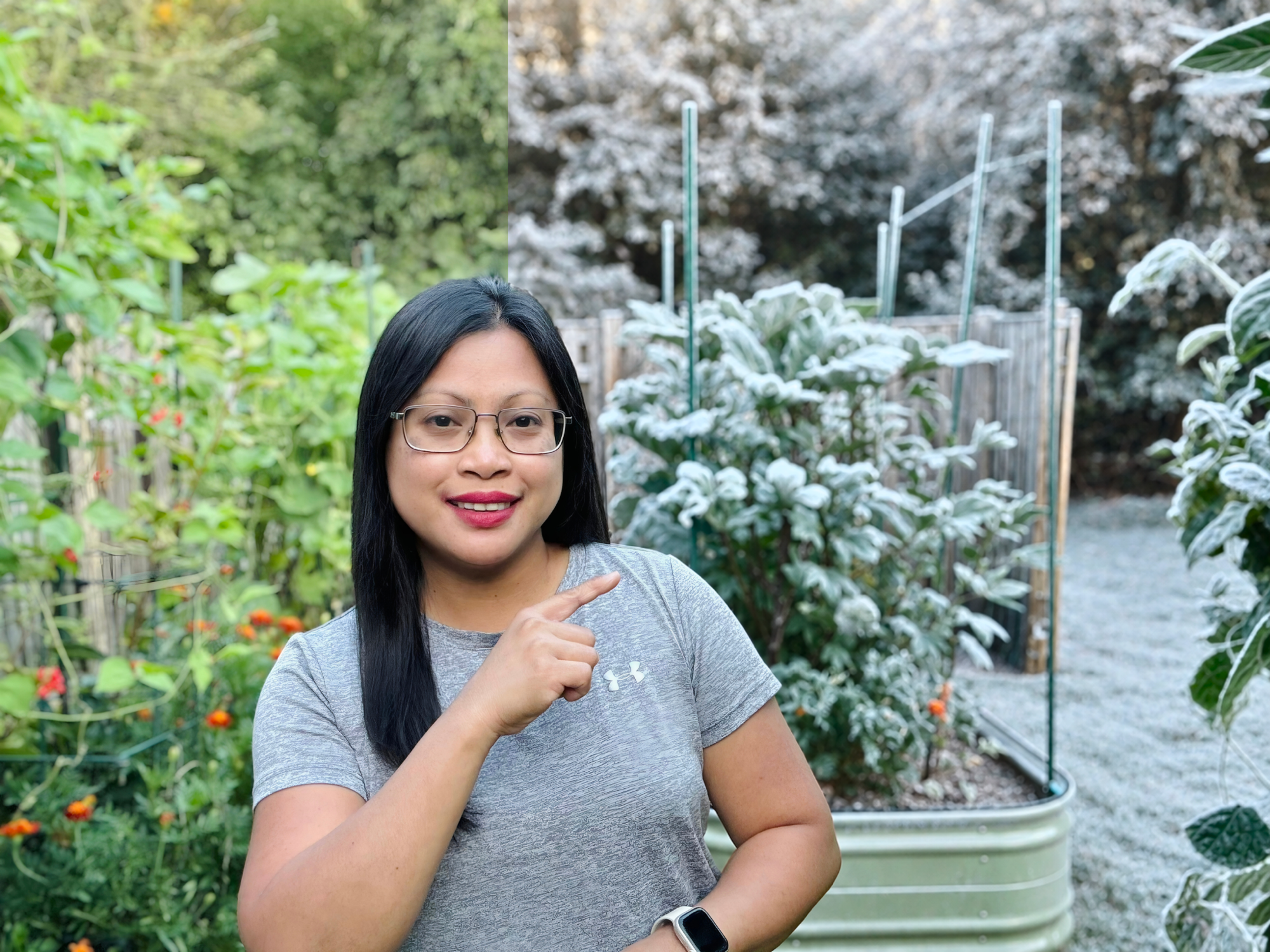
If you’ve spent any time reading seed packets or gardening books, you’ve probably come across phrases like:
- “Plant after your last frost.”
- “Start seeds 6 weeks before your last frost.”
- “Harvest before the first fall frost.”
When I first started gardening, I saw those instructions everywhere, but I wasn’t entirely sure what they meant.
Did the last frost happen on the same date every year?
Could I plant the day after?
What if the weather was unusually warm?
Over time, I learned that frost dates are one of the most useful tools for planning a vegetable garden—but they’re only a guide, not a guarantee.
Understanding how to use frost dates can help you avoid losing seedlings to unexpected cold, start seeds at the right time, and make the most of your growing season.
What Is a Frost Date?
A frost date is an estimated date based on historical weather records.
There are two important frost dates:
- Last spring frost – the average date of the final frost in spring.
- First fall frost – the average date of the first frost in autumn.
These dates help gardeners estimate the length of their growing season.
The key word is average.
Nature doesn’t follow a calendar, so frost may occur earlier or later in any given year.
Why Frost Dates Matter
Many vegetables are sensitive to freezing temperatures.
Planting too early can expose tender seedlings to frost damage, while planting too late may not leave enough time for crops to mature before fall.

Knowing your frost dates helps you decide:
- When to start seeds indoors
- When to direct sow outdoors
- When to transplant seedlings
- How long your growing season is
- Which crops have enough time to mature
Last Spring Frost vs. First Fall Frost
Last Spring Frost
The last spring frost signals the approximate end of freezing temperatures.
After this date, gardeners usually begin planting warm-season crops such as:
- Tomatoes
- Peppers
- Cucumbers
- Melons
- Squash
- Basil
- Beans
Even then, it’s still important to watch the weather forecast because late frosts occasionally happen.
First Fall Frost
The first fall frost marks the approximate beginning of freezing temperatures in autumn.
It helps gardeners decide:
- When to plant fall crops
- When to harvest frost-sensitive vegetables
- When to bring tender plants indoors
- When to protect plants with frost cloth
Frost Dates Are Averages
One of the biggest misunderstandings is believing frost dates are guaranteed.
They’re not.
For example:
Your average last frost may be April 15.
Some years, the final frost may occur in late March.
Other years, a surprise frost might arrive in late April.
That’s why experienced gardeners don’t rely on the calendar alone.
They also pay attention to weather forecasts.
How Frost Dates Affect Seed Starting
Seed packets often say things like:
- Start indoors 6–8 weeks before your last frost.
- Sow outdoors 2 weeks before your last frost.
- Transplant after all danger of frost has passed.
These recommendations are based on your last spring frost date.
For example:
If your average last frost is April 15 and a tomato packet recommends starting seeds 6 weeks beforehand, you would begin around early March.
Using frost dates this way helps prevent seedlings from becoming too large before they can safely move outdoors.
Frost Dates and Direct Sowing
Some vegetables actually prefer cool weather and can be planted before the last frost.
Examples include:
- Spinach
- Lettuce
- Peas
- Radishes
- Carrots
- Beets
These crops often tolerate light frosts and grow best before summer heat arrives.
Warm-season vegetables, however, should usually wait until frost danger has passed.
Frost Dates and Fall Gardening
Frost dates are just as useful in the Fall.
To know when to plant a fall crop, count backward from your average first fall frost.
For example:
If broccoli takes 80 days to mature and your first frost usually arrives in late October, you’ll want to plant early enough for the crop to mature before severe cold arrives.
Some cool-season vegetables can even continue growing after light frosts.
Hard Frost vs. Light Frost
Not every frost is equally damaging.
Light Frost
Temperatures generally remain around:
29–32°F (-2 to 0°C)
Some hardy vegetables survive without difficulty.
Hard Frost
Temperatures remain below:
28°F (-2°C)
Many warm-season vegetables suffer serious damage or die.
Tender crops like tomatoes, peppers, basil, cucumbers, and melons are especially vulnerable.
Frost-Tolerant Vegetables
Many cool-season vegetables tolerate light frosts.
Examples include:
- Kale
- Spinach
- Lettuce
- Peas
- Carrots
- Radishes
- Beets
- Cabbage
- Broccoli
- Brussels sprouts
In fact, some become sweeter after cool weather because they convert starches into sugars.
Frost-Sensitive Vegetables
These crops should generally be protected or planted after frost danger has passed:
- Tomatoes
- Peppers
- Eggplant
- Cucumbers
- Squash
- Pumpkins
- Melons
- Sweet potatoes
- Basil
- Okra
Even one freezing night can severely damage these plants.
What About My Zone 7 Garden?
I garden in Central Maryland, which is generally USDA Zone 7.
Our average last frost usually falls around mid-April, but I don’t rely on that date alone.
Before planting warm-season vegetables, I also consider:
- The weather forecast
- Overnight temperatures
- Soil temperature
- Long-range forecasts
I’ve learned the hard way that an unusually warm week doesn’t necessarily mean winter is finished.
Waiting a little longer can sometimes save weeks of work.
The Importance of Soil Temperature
Air temperature isn’t the only thing that matters.
Many warm-season vegetables won’t grow well if the soil is still cold.
For example:
- Beans germinate better in warm soil.
- Cucumbers prefer warm soil.
- Melons grow much faster in warm soil.
- Tomatoes establish more quickly once the soil has warmed.
Sometimes waiting an extra week or two results in healthier plants that quickly catch up to earlier plantings.
Hardening Off Before Planting
Even after frost danger has passed, seedlings need time to adjust to outdoor conditions.
Hardening off gradually exposes plants to:
- Sunlight
- Wind
- Temperature changes
- Outdoor humidity
Skipping this step can cause transplant shock, leaf scorch, or even plant loss.
What If Frost Is Forecast After Planting?
It happens.
If a late frost is expected, you can protect plants with:
- Frost cloth
- Row covers
- Buckets
- Cardboard boxes
- Cloches
- Cold frames
Remove or vent the covers during the day once temperatures warm so plants don’t overheat.
How to Find Your Frost Dates
You can find average frost dates by:
- Using your ZIP code on online gardening tools
- Checking your local extension service
- Looking at regional planting calendars
- Using gardening apps designed for your area
These resources provide estimates based on long-term weather records.
Common Mistakes Beginners Make
Avoid these common errors:
- Treating frost dates as guaranteed.
- Planting warm-season crops during an early warm spell.
- Ignoring the weather forecast.
- Forgetting to harden off seedlings.
- Confusing hardiness zones with frost dates.
- Planting according to the calendar instead of actual conditions.
My Gardening Philosophy
I use frost dates as a planning tool—not a rule.
Every season is different.
Some springs arrive early.
Others stay cold much longer than expected.
I’ve found that combining frost dates with weather forecasts, soil temperatures, and observations from previous years leads to much better decisions than relying on a single date.
Gardening becomes easier as you learn the patterns of your own yard.
Frost Date Planning Checklist
- Know your average last spring frost.
- Know your average first fall frost.
- Read seed packet instructions carefully.
- Check the weather forecast before planting.
- Monitor soil temperature.
- Harden off indoor seedlings.
- Protect plants if a late frost is expected.
- Keep notes from each gardening season.
Final Thoughts
Understanding frost dates is one of the most valuable skills a gardener can learn.
While they won’t predict the weather perfectly, they provide a reliable starting point for planning your growing season.
Remember that frost dates are based on historical averages—not promises.
By combining frost dates with local weather forecasts, soil temperatures, and your own observations, you’ll make better planting decisions and give your garden the best chance for success.
Every season will teach you something new, and before long, you’ll begin recognizing the rhythm of your own garden.
Frequently Asked Questions
What is the difference between a frost date and a hardiness zone?
A hardiness zone tells you the average winter minimum temperatures and helps you choose perennial plants. Frost dates estimate when freezing temperatures are likely to begin and end, helping you plan your vegetable garden.
What is the last frost date?
The last frost date is the average date of the final frost in spring. It helps gardeners know when it’s generally safe to plant frost-sensitive vegetables outdoors.
What is the first frost date?
The first frost date is the average date when freezing temperatures are expected to return in fall. It helps gardeners plan fall planting and harvest timing.
Can I plant before my last frost date?
Yes, some cool-season vegetables like spinach, peas, lettuce, and radishes can be planted before the last frost because they tolerate cold weather.
Should I plant tomatoes on my last frost date?
Not necessarily. Many gardeners wait until after the last frost date and until nighttime temperatures and soil temperatures have warmed to give tomatoes the best start.
What happens if frost is forecast after I’ve planted?
Protect tender plants with frost cloth, row covers, buckets, or cloches. Remove or vent the covers once temperatures warm during the day.
Related Articles
- Understanding USDA Hardiness Zones
- How to Start Seeds Indoors Successfully
- Hardening Off Seedlings Without Losing Them
- Choosing the Best Location for Your Vegetable Garden
- What to Plant in August (Zone 7 Guide)
- How to Plan Your First Vegetable Garden
- Gardening for Beginners: Everything You Need to Know to Get Started
- Best Vegetables for Beginners
- How to Protect Plants From Frost
- Understanding Soil Temperature for Seed Starting
This page contains affiliate links to my brand partners like Vego Garden, GreenStalk, Walmart & Amazon at no extra cost to you.
Your support helps me create free gardening content. Thank you!


Leave a Reply