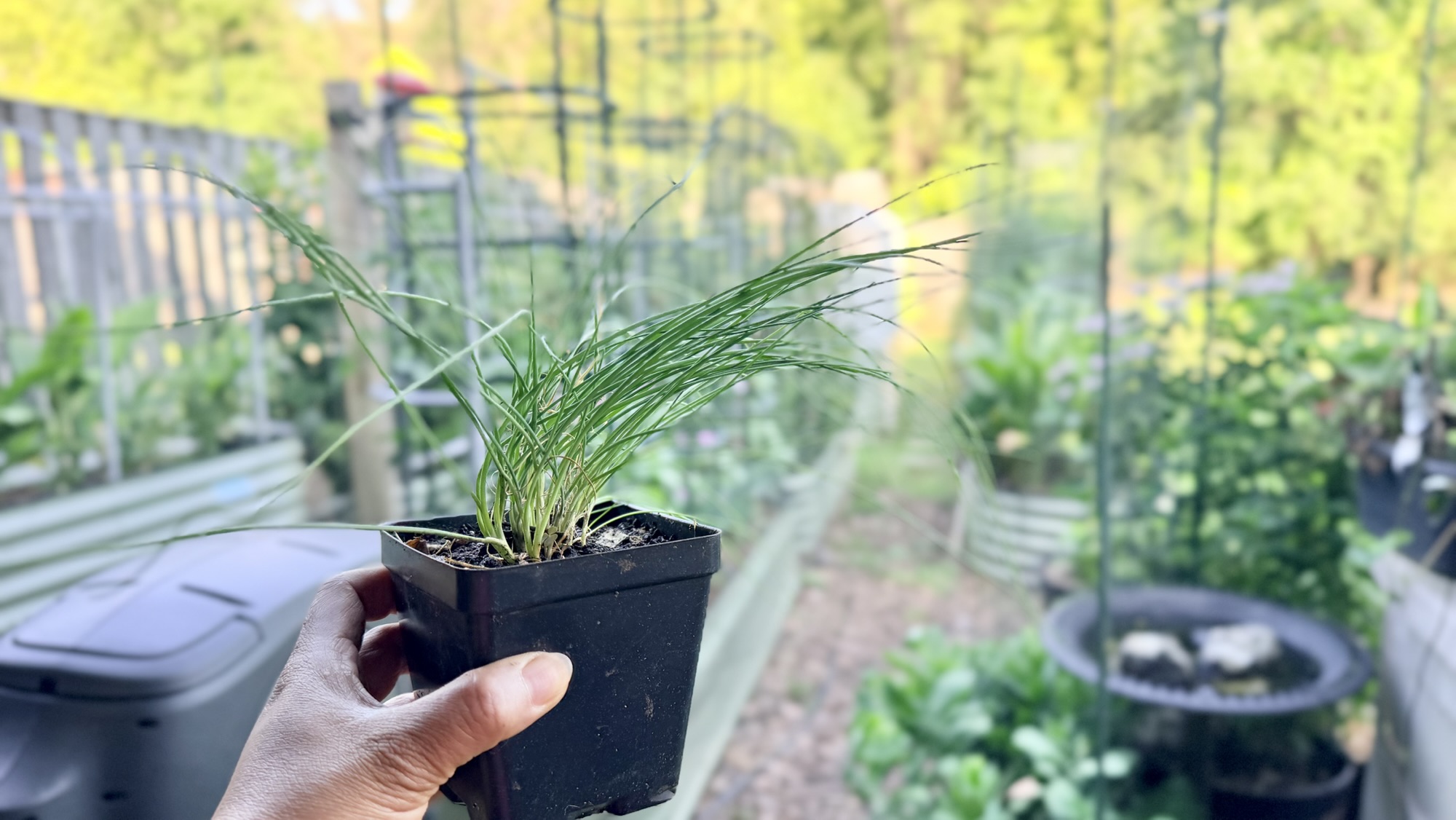
When people think about starting a vegetable garden, they usually imagine growing tomatoes, peppers, or cucumbers. While those are wonderful crops, there’s one humble herb that deserves far more attention—chives.
Chives are one of the easiest edible plants you can grow. They require very little maintenance, thrive in containers and raised beds, and continue producing fresh leaves throughout the growing season. Better yet, they’re perennial in many climates, meaning you plant them once and enjoy harvests year after year.

If you’re just beginning your gardening journey, here’s why chives deserve a place in your garden.
1. They’re Incredibly Easy to Grow
Chives are one of the most forgiving plants for beginners.
They don’t demand perfect soil or constant attention. Give them:
- Full sun to partial shade
- Well-draining soil
- Regular watering
and they’ll reward you with steady growth.
Even if you make a few mistakes along the way, chives usually bounce back.
2. They Come Back Every Year
Unlike many vegetables that need to be replanted each season, common chives are perennial in USDA Zones 3–9.


That means one planting can provide harvests for many years.
For beginners, that’s an incredible return on a small investment of time and money.
3. You Can Harvest Again and Again
One of the best things about chives is that harvesting encourages more growth.
Simply snip a handful of leaves, and the plant will continue producing fresh new ones throughout the season.
Instead of one harvest, you’ll enjoy many.
4. They’re Perfect for Small Spaces
Don’t have a large garden?

Chives grow beautifully in:
- Containers
- Raised beds
- Window boxes
- Herb gardens
- Patio planters
Because they stay compact, they’re easy to fit into almost any growing space.
5. They’re One of the First Herbs to Grow Each Spring
After winter, chives are often among the first edible plants to send up fresh green growth.
That early harvest is always exciting because it signals that another gardening season has begun.
6. They’re Incredibly Useful in the Kitchen
Fresh chives add a mild onion flavor to countless dishes.
Use them on:
- Scrambled eggs
- Baked potatoes
- Salads
- Soups
- Pasta
- Dips
- Sandwiches
- Roasted vegetables

Because they’re harvested fresh, they’re always ready when you need them.
7. Their Flowers Attract Pollinators
If you allow a few plants to bloom, you’ll be rewarded with beautiful purple flowers.

These blossoms attract:
- Bees
- Butterflies
- Other beneficial pollinators
They’re both ornamental and helpful to your vegetable garden.
8. They Require Very Little Maintenance
Chives are one of the lowest-maintenance edible plants you can grow.
They don’t require:
- Trellising
- Frequent fertilizing
- Heavy pruning
- Complicated care routines
Simply water during dry periods and harvest regularly.
9. They Build Gardening Confidence
One of the reasons chives are so rewarding is that they’re consistently productive.
Watching fresh leaves regrow after every harvest reminds beginners that gardening doesn’t have to be complicated.
Those small successes help build confidence for growing larger crops.
10. They’re a Garden Favorite Year After Year
Once gardeners experience how easy chives are to grow, they rarely garden without them again.
They’re dependable, beautiful, productive, and one of those crops that quietly earns a permanent place in the garden.
My Favorite Way to Grow Chives
In my Maryland garden, I grow chives because they’re one of the easiest herbs to maintain. I love being able to step outside, snip a handful, and add them straight to a meal.
One thing I’ve also learned is to grow both common chives and garlic chives. While common chives have a mild onion flavor, garlic chives offer a delicious garlicky taste that’s perfect in stir-fries, dumplings, and many Asian dishes.
Both are incredibly productive and well worth growing.
Tips for Success
- Plant in full sun for the best growth.
- Water consistently during dry weather.
- Harvest leaves by cutting near the base of the plant.
- Divide mature clumps every few years to keep plants vigorous.
- Remove spent flowers if you want to encourage more leaf growth.
- Allow a few flowers to bloom for pollinators.
Final Thoughts
Chives may not be the first crop that comes to mind when planning a vegetable garden, but they’re one of the easiest and most rewarding plants you can grow. Their ability to return year after year, produce repeated harvests, and thrive with very little care makes them an outstanding choice for beginners.
If you’re looking for a crop that offers maximum rewards with minimal effort, don’t overlook chives. They may be small, but they’ll quickly become one of the hardest-working plants in your garden.
Related Articles
If you’re just getting started with gardening, these articles will help you grow a productive herb and vegetable garden.
Beginner Gardening
- Gardening for Beginners: Everything You Need to Know to Get Started
- The 4 Things Every Plant Needs to Thrive
- Choosing the Best Location for Your Vegetable Garden
- Raised Beds vs. Containers: Which Is Better?
- How to Build Healthy Garden Soil from the Start
- Container Gardening for Beginners
Growing Herbs
- How to Grow Chives
- How to Grow Garlic Chives
- The Best Herbs for Beginner Gardeners
- Why Basil Is the Best Herb for New Gardeners
- How to Freeze Herbs Without Losing Flavor
- How to Dehydrate Herbs at Home
More Beginner-Friendly Crops
- The Best Vegetables for Beginner Gardeners
- Why Green Onions Belong in Every Beginner Garden
- Why Lettuce Is the Perfect First Vegetable to Grow
- Why Bush Beans Are One of the Easiest Vegetables to Grow
- Why Peppers Build Gardening Confidence
- Beginner-Friendly Vegetables That Grow Well in Containers
- The Best Crops to Grow If You Have Limited Space
This page contains affiliate links to my brand partners like Vego Garden, GreenStalk, Walmart & Amazon at no extra cost to you.
Your support helps me create free gardening content. Thank you!



Leave a Reply