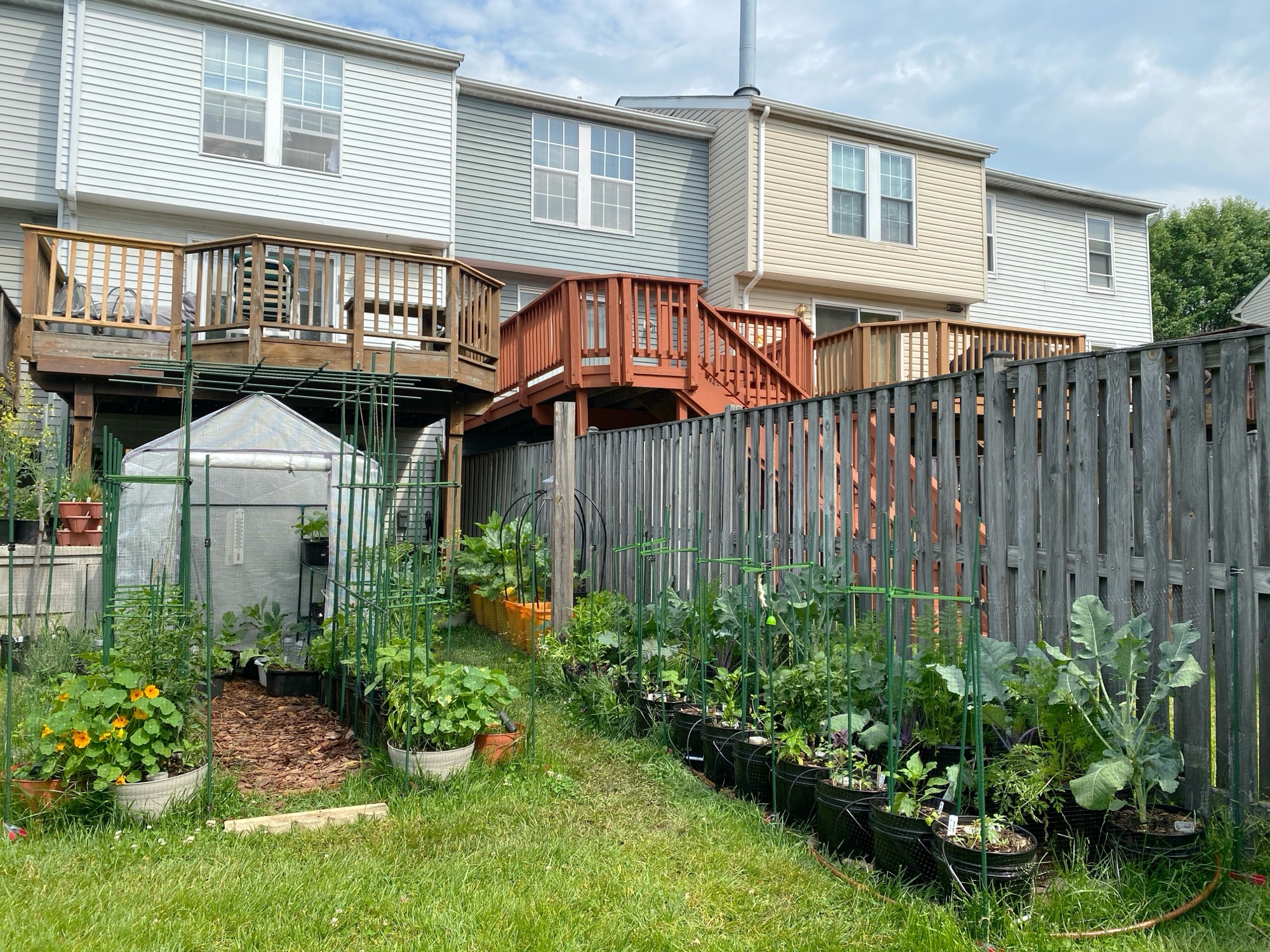
The food supply and health issues we are facing around the world are among the reasons gardening is becoming increasingly popular. Many families are looking for ways to become fully dependent on the food system and gain easier access to fresh, organic food.
There is no doubt that the initial cost of starting a garden can feel overwhelming. I faced that dilemma myself when I first began gardening. Container gardening, however, made growing food much more affordable and manageable.
Whether you have a large yard or only a small balcony, I still recommend starting with a container garden.

Container gardening is a method of growing plants in pots, containers, or other suitable vessels instead of planting them directly in the ground. It allows you to grow flowers, herbs, vegetables, fruits, and even small trees in limited spaces such as balconies, patios, decks, and small yards.
It also gives you more control over soil quality and plant location, making gardening accessible to urban gardeners and anyone with limited space.
In fact, many of my favorite crops are grown in containers. From citrus trees and strawberries to herbs and vegetables, container gardening has allowed me to make the most of every inch of my outdoor space.
If you’re just getting started, here’s everything you need to know.
Why Start with Container Gardening?
Container gardening is ideal for beginners because it is simple to manage and requires less space than an in-ground garden.
It is also a practical way to begin growing your own food without committing to the expense, time, and responsibility of a large garden.
It Is Manageable
There’s a learning curve in gardening. You’ll need to develop a routine for nurturing your plants and learn how to grow successfully. Trying to learn everything at once can quickly become overwhelming.
If you start with a large garden right away, you may feel discouraged by all the responsibilities that come with gardening. A container garden allows you to begin with just a few plants and gradually build your skills and confidence.
It Gives You Room for Mistakes
Every gardener, experienced or not, fails at some point. We often call these failures experiments or learning experiences, but they can still be disheartening.
Container gardening gives you room to make mistakes without creating a major financial or time commitment. If you eventually decide that gardening is not for you, it is easier to step away when your investment and responsibilities are limited.

Benefits of Container Gardening
1. Space Flexibility
One of the biggest advantages of container gardening is the flexibility it gives you when you don’t have a lot of growing space.
You don’t need a traditional backyard or a large in-ground garden to start growing food. Containers can turn a balcony, patio, deck, porch, driveway, or another small sunny area into productive growing space.
You can also choose containers that fit the space you actually have instead of trying to redesign your space around a traditional garden. A few pots can fit into a small corner, while larger containers can hold vegetables that need more room.
And because many containers can be moved, you have even more flexibility. If a plant isn’t receiving enough sunlight, you may be able to relocate it. You can rearrange containers as plants grow or move tender plants to a protected location when temperatures change.
That’s what makes container gardening such a practical option for beginner and small-space gardeners: you can start with the space you already have.
You don’t need acres of land to grow food at home. Sometimes all you need is a container, good soil, enough sunlight, and a plant you’re excited to grow.
2. Greater Control Over Your Growing Conditions
One of my favorite advantages of container gardening is having greater control over the soil your plants are growing in.
Instead of working with whatever soil happens to be in your yard—which could be compacted, poorly draining, or simply unsuitable for the crop you want to grow—you can fill your containers with a potting mix that better matches the plant’s needs.
This is especially helpful for plants with more specific growing requirements. You can adjust the potting mix, drainage, organic matter, and amendments for each container rather than trying to create one soil condition that works for your entire garden.
For example, the soil mixture I use for a citrus tree may be different from what I choose for leafy greens or other vegetables. Each container becomes its own little growing environment that I can manage individually.
You also have more control when problems arise. If the potting mix becomes depleted or its structure starts breaking down, you can amend or replace it without having to improve an entire garden bed.
Container gardening doesn’t eliminate soil problems completely, but it gives you the opportunity to start with good-quality soil and customize the growing environment for what you want to grow.
3. Less Weeding
Another advantage of container gardening is less weeding—and I don’t think many gardeners will complain about that!
Because containers are filled with potting mix rather than existing garden soil, you’re usually starting with far fewer weed seeds. Weeds can still find their way into containers from wind, birds, or seeds dropping from nearby plants, but they’re generally much easier to manage than weeds growing throughout an open garden bed.
And when a weed does appear, it’s usually easy to spot and pull before it becomes established.
This can make container gardening especially appealing for beginner gardeners or anyone who wants a lower-maintenance garden. Instead of spending so much time keeping weeds under control, you can focus your energy on watering, feeding, harvesting, and simply enjoying the plants you actually wanted to grow.
Less weeding means more time caring for—and harvesting—the food you planted in the first place.
4. Mobility
Another big advantage of container gardening is mobility. Unlike plants growing directly in the ground, container plants can often be moved when their growing conditions change.
If a plant isn’t receiving enough sunlight, you can move the container to a sunnier location. During the hottest part of summer, you may be able to move heat-sensitive plants somewhere that receives a little afternoon shade.
Mobility is also incredibly helpful when the weather becomes unpredictable. If strong winds or storms are expected, I can move some of my containers closer to the house or another protected area. When temperatures begin dropping, cold-sensitive plants can be moved somewhere warmer or eventually brought indoors.
Of course, large containers filled with soil can become very heavy, so I like using rolling planters, plant caddies, or containers with wheels whenever possible. It makes rearranging the garden much easier, especially for larger plants that I know I’ll need to move throughout the year.
This flexibility is one of the reasons I love container gardening. Your garden doesn’t always have to stay exactly where you planted it. You can adjust your setup as the seasons, sunlight, weather, and needs of your plants change.
5. Aesthetics
Container gardening isn’t just practical—it can also make your outdoor space beautiful.
Containers give you the freedom to treat your edible garden almost like part of your outdoor decor. You can combine pots of different heights, shapes, colors, and textures to create a garden that feels intentional rather than simply placing containers wherever you can find room.
I especially like mixing different plant heights. Taller plants can create a backdrop, medium-sized containers can fill the middle, and smaller pots can be tucked into open spaces. Trailing plants can soften the edges and add another layer of interest.
And an edible container garden can be just as beautiful as an ornamental one. Colorful peppers, tomatoes, strawberries, herbs, leafy greens, and even edible flowers can create a gorgeous display while also giving you something to harvest.
Because containers can be rearranged, you can also change the look of your garden throughout the season as plants grow, finish producing, or are replaced with new crops.
For a small-space gardener, that’s one of the best parts: your garden can be productive and beautiful at the same time.
6. Accessibility
Container gardening can also make growing food more accessible and comfortable.
Raised containers, elevated planters, and pots placed on stands can bring plants closer to a comfortable working height. This means less bending, kneeling, and reaching when you’re planting, watering, pruning, or harvesting.
That can be especially helpful for gardeners with limited mobility or other physical limitations, but you don’t have to have a mobility issue to appreciate it. Gardening involves a lot of repetitive bending and crouching, so having some plants closer to waist level can simply make everyday garden care easier.
You can also arrange containers around your own needs. Keep frequently harvested herbs near the kitchen, place planters along an accessible walkway, or use elevated and rolling planters that are easier to reach and reposition.
That flexibility allows you to create a garden that works with your body and your space, rather than feeling like you have to adapt yourself to a traditional in-ground garden.
Gardening should be something you can enjoy, and sometimes simply bringing the garden up to you can make a big difference.
7. Location Flexibility
One of the best things about container gardening is that your growing space doesn’t have to look like a traditional garden.
Containers can be placed almost anywhere you have suitable growing conditions—on a patio, balcony, deck, windowsill, entryway, rooftop, driveway, or in a small backyard. Even an unused corner can potentially become a place to grow food if it receives enough light.
You can also spread your garden throughout your outdoor space instead of keeping everything in one designated area. Herbs might stay near the kitchen, sun-loving vegetables can go in the brightest spot, while plants that appreciate some afternoon shade can be positioned somewhere more protected.

And as the seasons change, you can rearrange your containers to take advantage of changing sunlight and growing conditions.
That’s what makes container gardening so adaptable. Instead of asking where you can fit a garden, you can look around at the space you already have and ask, “Where can I fit a plant?”
Some of the biggest benefits of container gardening include:
- Perfect for small spaces
- Easier to control soil quality
- Fewer weeds
- Less bending and kneeling
- Easy to move plants when needed
- Great for renters or homeowners with limited yard space
- A more affordable way to begin growing food
- Easier to protect plants from poor soil or changing weather
- Flexible placement and attractive design options
Sometimes growing food at home starts with nothing more than finding one good spot for one container.
Drawbacks of Container Gardening
I am a big fan of container gardening, especially if you are just learning how to grow your own food. However, it does come with some limitations and additional considerations compared to traditional in-ground gardening.
1. Limited Growing Space
While container gardening is a great solution for small spaces, the containers themselves also create limits on how much space each plant has to grow.
Smaller pots restrict root growth, which can affect the overall size, health, and productivity of a plant. Some vegetables can thrive in relatively small containers, while larger crops and plants with extensive root systems need much more soil volume to reach their full potential.
This is why choosing the right container size for the mature plant is so important. A tiny seedling may look perfectly comfortable in a small pot at the beginning of the season, but always think about how large that plant—and its root system—will eventually become.
Large crops may require oversized containers, and some plants simply make more sense in a raised bed or in the ground when that option is available.
You’re also limited by the physical space available for containers. Even though you can grow a surprising amount of food on a patio, deck, or balcony, eventually you may run out of places to put another pot. And trust me, “just one more container” adds up surprisingly quickly!
Container gardening is all about making thoughtful choices: match the plant to the pot, prioritize the crops you actually want to grow, and make the most of the space you have.
2. Watering Challenges
One of the biggest challenges with container gardening is keeping up with watering.
Containers can dry out much faster than garden beds because there’s a limited amount of soil available to hold moisture. During hot summer weather—especially on sunny or windy days—I may need to check some of my containers every day. Smaller pots tend to dry out even faster.
This is something I learned quickly when I started growing more plants in containers. The smaller the container, the less room you have for error when it comes to watering.
But there’s another side to the problem: you can also overwater container plants.
If a container doesn’t have adequate drainage, excess water can collect around the roots and create constantly soggy conditions. That can deprive the roots of oxygen and eventually contribute to root problems and rot.
That’s why I always make sure my containers have good drainage holes and a well-draining potting mix. I also check the soil rather than assuming a plant needs water simply because I watered it on the same schedule yesterday.
Self-watering containers can make this much easier, especially during summer, but I still monitor the soil and adjust based on the plant, weather, and size of the container.
Container gardening gives you greater control over watering—but it also means you are responsible for providing most of that water. Learning how quickly each container dries out is one of the most important parts of becoming successful with this type of gardening.
3. Soil Constraints
Another challenge with container gardening is that your plants only have access to the soil inside the container.
Unlike plants growing in the ground, their roots can’t continue spreading outward in search of additional moisture and nutrients. Once they reach the sides and bottom of the pot, that’s all the growing space they have.
This makes choosing the right container size especially important. A container that works perfectly for a young plant may eventually become too small as its root system develops. Larger plants and long-season crops may become root-bound, dry out more quickly, or simply stop performing as well when they outgrow their containers.
Nutrients are limited, too. As plants grow, they continuously pull nutrients from the potting mix, and regular watering can also carry some nutrients out through the drainage holes. Because of this, container-grown plants may need additional fertilizer or soil amendments throughout the growing season.
For perennial plants that stay in the same container for several years, I also like to refresh the potting mix and replenish nutrients periodically. Eventually, some plants may need to be moved into a larger container or have part of their old soil replaced.
Container gardening gives you excellent control over your soil, but it also means you’re responsible for maintaining that little growing environment. Start with good-quality potting mix, choose a container large enough for the mature plant, and continue replenishing the soil as your plants grow.
4. Cost
One downside of container gardening is that the initial setup can become expensive, especially if you’re starting with several plants at once.
Unlike planting directly in the ground, you may need to purchase the containers themselves, enough potting mix to fill them, fertilizer or soil amendments, and sometimes additional materials for drainage or plant support. If you’re growing climbing vegetables or larger plants, you may also need stakes, cages, or trellises.
And those expenses can add up surprisingly quickly.
But you don’t need expensive planters to start a container garden. When I first started gardening, I repurposed containers I already had—including old storage totes that I turned into planters by drilling drainage holes in the bottom.
Buckets, grow bags, and other food-safe containers can also be affordable options. Just make sure whatever you repurpose is appropriate for growing food and has adequate drainage.
You can also start small instead of buying everything at once. Grow a few vegetables you know you’ll actually eat, learn what works in your space, and gradually add more containers as your garden grows.
Container gardening can be expensive, but it doesn’t have to be. The plant doesn’t care whether it’s growing in a beautiful expensive planter or a repurposed container—it cares that it has enough room, healthy soil, water, sunlight, and nutrients to thrive.
5. Overwintering
Overwintering can be another challenge when you grow perennial plants in containers, especially if you live somewhere with cold or freezing winters.
Plants growing in the ground benefit from the insulation provided by the surrounding soil. In a container, however, the root system is much more exposed to fluctuating temperatures. A plant that is normally considered hardy in your growing zone may be more vulnerable when its roots are sitting above ground in a pot that can freeze from every direction.
That means some container plants may need extra winter protection.
Depending on what I’m growing, I may move containers closer to the house or another sheltered location where they have some protection from strong winds and extreme weather. Other plants may need insulation around the container, while tender plants such as my citrus trees have to come indoors before freezing temperatures arrive.
This is also something worth considering before choosing a very large container. A huge planter might be wonderful for a plant during the growing season, but if that plant needs to be moved indoors every winter, you’ll need a realistic plan for moving it once it’s filled with soil.
Rolling planters, plant caddies, and containers with wheels can make this much easier.
Container gardening gives you the advantage of being able to move plants—but with perennial crops, it’s important to think beyond summer. Before planting, ask yourself: Where will this plant spend the winter, and how am I going to get it there?
6. Maintenance
Container gardening can be convenient, but it isn’t necessarily maintenance-free. Because plants are growing in a limited amount of soil, they often depend on you more than plants growing directly in the ground.
Watering is usually the biggest responsibility. Containers can dry out quickly during hot weather, so I check them regularly rather than relying on a strict schedule. Plants also use up the nutrients available in the potting mix over time, which means fertilizing and refreshing the soil become important parts of container gardening.
As plants mature, they may need pruning, staking, or other support. Perennials can eventually become root-bound and may need to be repotted, divided, root-pruned, or moved into a larger container.
You’ll also want to keep an eye out for pests and diseases. When several containers are grouped closely together, crowded foliage and reduced airflow can sometimes make it easier for certain problems to spread from one plant to another.
This is why I like to observe my plants whenever I’m walking around the garden. I check the leaves, look underneath them for pests, notice whether anything is wilting or discoloring, and see if a plant needs additional support.
Container gardening gives you a lot of control, but that control also comes with responsibility. The good news is that once you become familiar with your plants and their needs, much of this maintenance simply becomes part of your regular garden routine.
7. Heat and Insulation
Another challenge with container gardening is that soil temperatures can change much faster in a pot than they do in the ground.
During summer, containers sitting in direct sunlight can heat up quickly, especially dark-colored pots that absorb more heat. This can warm the potting mix and stress the plant’s roots while also causing the soil to dry out faster.
During extremely hot weather, I pay closer attention to my container plants and check their soil moisture more frequently. Moving containers where they receive some afternoon shade, grouping pots together, or adding mulch over the soil can also help reduce some of the stress from intense summer heat.
Winter creates the opposite problem.
Because a container is exposed to cold air from the sides as well as the top, its soil and roots can cool or freeze more quickly than those of the same plant growing directly in the ground. That’s why even cold-hardy perennials may need additional protection when they’re grown in containers.
Depending on the plant, you may need to move the container closer to the house, place it somewhere sheltered from winter winds, insulate the pot, or move it into a protected location for the season.
This is another reason I like the mobility of container gardening. When extreme temperatures arrive, I have options.
The important thing is to remember that we often focus on the temperature above the soil, but the roots need protection too. Healthy roots are the foundation of a healthy plant, so keeping the root zone from becoming excessively hot or cold is an important part of successful container gardening.
Overall, container gardening is a versatile and attractive option for many gardeners, but it does come with limitations. The choice between container gardening and traditional in-ground gardening depends on your available space, preferences, climate, budget, and the specific plants you want to grow.
Choose the Right Container
There’s no single perfect container for gardening. The best choice depends on what you’re growing, where you’re growing it, your climate, and how often you want to water or move the planter.
Here are some of the most common options:
Plastic Pots
Plastic pots are lightweight, affordable, and widely available in many sizes and colors. They also retain moisture relatively well, which can be helpful during hot summer weather.
The downside is that some plastics can become brittle or deteriorate after years of exposure to sunlight and changing temperatures.
Terracotta Pots
Terracotta has that beautiful, classic garden look that I love. Because the clay is porous, moisture and air can move through the sides of the pot.
That breathability can be beneficial, but it also means terracotta tends to dry out faster than nonporous containers. You may find yourself watering more frequently during summer.
Terracotta can also crack when exposed to freezing temperatures, especially when the potting mix is wet, so I’m careful about leaving these outdoors through winter.
Wooden Planters
Wooden containers can add a beautiful natural and rustic look to a garden. Woods such as cedar and redwood are popular because they are naturally more resistant to decay than many other types of wood.
Wood will still weather and eventually deteriorate outdoors, though, so its lifespan will depend on the material, construction, and exposure to moisture.
Concrete Planters
Concrete planters are heavy, durable, and excellent for larger plants that benefit from a very stable container.
That weight can be an advantage when you’re growing something top-heavy or gardening in a windy location—but it becomes a disadvantage when you want to move the planter.
Think carefully about placement before filling one with soil because once it’s full, you probably won’t want to move it!
Metal Containers
Metal containers, including galvanized steel planters, can create a clean and modern look while also being very durable.
Depending on the material and construction, you may need to consider rust, drainage, and heat exposure. Metal surfaces sitting in intense direct sunlight can become hot, so consider your climate, planter design, and where the container will be positioned.
Hanging Baskets
Hanging baskets are a wonderful way to take advantage of vertical space, especially when you don’t have much room on the ground.
They work beautifully for trailing herbs, strawberries, flowers, and other compact plants. Because hanging baskets are exposed to air on all sides and usually hold a relatively small amount of soil, they can dry out quickly and may need frequent watering.
Window Boxes
Window boxes are narrow containers designed to fit beneath windows, along railings, or in other tight spaces.
They’re wonderful for herbs, leafy greens, flowers, and compact plants, and they allow you to turn an otherwise unused area into growing space.
Self-Watering Containers
Self-watering containers have a water reservoir beneath the growing area that allows moisture to move into the potting mix as the plant needs it.
I especially appreciate self-watering planters during summer because they can reduce how frequently I need to water. However, I still check the soil rather than assuming the reservoir should always stay full. You still want that balance between consistent moisture and adequate oxygen around the roots.
Fabric Grow Bags
Fabric grow bags are lightweight, breathable, and easy to store when they aren’t being used.
The breathable fabric allows more air to reach the root zone and encourages roots to branch rather than continuously circling the inside of a rigid container. The tradeoff is that grow bags can dry out more quickly than less porous containers, particularly during hot and windy weather.
Recycled and Repurposed Containers
You don’t necessarily have to buy a planter at all.
Buckets, storage totes, barrels, and many other containers can potentially be repurposed for gardening. I’ve grown vegetables in old totes that I turned into planters simply by adding drainage holes.
If you’re growing food, make sure the container is made from a suitable material and wasn’t previously used to hold hazardous substances. And whatever you repurpose, make sure excess water has somewhere to drain.
Vertical Gardening Systems
Stackable planters like GreenStalk Garden, pocket planters, and living-wall systems allow you to grow upward instead of outward.
These are especially useful for small-space gardeners because you can fit many plants into a relatively small footprint. Leafy greens, herbs, strawberries, and other compact crops can work particularly well in vertical systems.
Ceramic and Porcelain Pots
Ceramic and porcelain pots offer some of the most decorative options for container gardening. They come in countless colors, finishes, and designs, making them great for incorporating plants into your outdoor decor.
Glazed pots generally retain moisture better than unglazed terracotta. However, ceramic containers can be heavy and breakable, and some may crack when exposed to freezing conditions.
There’s No Perfect Container
Every container has advantages and disadvantages.
Instead of choosing a pot based only on how it looks, think about the mature size of the plant, how much soil it needs, drainage, moisture retention, weight, durability, and whether you’ll need to move it later.
And remember—you don’t need expensive planters to start growing food. Sometimes the best container is simply the one you already have that can safely give your plant the space, soil, drainage, water, and sunlight it needs.
Larger containers usually perform better because they hold more soil and stay moist longer during hot weather.
Use High-Quality Potting Mix
One of the biggest mistakes beginners make is filling containers with garden soil.
Garden soil becomes compacted in pots and doesn’t drain well. Poor drainage can lead to root rot and unhealthy plants.
Instead, use a quality potting mix designed for containers.
I also like improving my potting mix with ingredients such as:
- Compost
- Worm castings
- Perlite
- Pine bark fines for certain plants
- Biochar
Healthy soil creates healthy plants, and good potting mix is one of the most important investments you can make in a container garden.
Pick Easy Crops to Grow
Some vegetables naturally perform better in containers than others.
If you’re new to gardening, start with reliable, productive crops that match the size of your containers and the amount of sunlight you have available.
Some of my favorites include:
Vegetables
- Tomatoes
- Bush beans
- Peppers
- Green onions
- Lettuce
- Bok choy
- Swiss chard
- Beets
- Carrots, especially short or container-friendly varieties
Herbs
- Basil
- Chives
- Parsley
- Cilantro
- Thyme
- Oregano
Fruits
- Strawberries
- Blueberries in acidic soil
- Dwarf citrus trees
- Figs
Starting with crops that are easy to grow helps build confidence and keeps gardening enjoyable.
Give Plants Enough Sunlight
Most vegetables grow best with at least 6–8 hours of direct sunlight each day.
Leafy greens can tolerate a little afternoon shade, especially during the heat of summer.
Before planting, spend a day observing how sunlight moves across your patio, deck, balcony, or yard.
Sometimes moving a container just a few feet can make a big difference.
Because containers are portable, you can relocate plants when they need more sunlight, afternoon shade, or protection from strong winds.
Water More Often Than You Think
Containers dry out much faster than garden beds.
During cool weather, you may only need to water every few days.
During the heat of summer, some containers may need water every day—or even twice a day.
Instead of watering on a strict schedule, check the soil.
Stick your finger a couple of inches into the pot.
If it feels dry, it’s time to water.
Water thoroughly until excess water drains from the bottom of the container. This helps moisten the entire root zone and prevents salt buildup from fertilizer.
Feed Your Plants Regularly
Unlike plants growing in the ground, container vegetables use up nutrients more quickly.
I like to start with a slow-release fertilizer at planting and then supplement with a liquid fertilizer throughout the growing season, depending on the crop.
Compost and worm castings can also help improve soil health and provide nutrients.
Healthy plants need both water and nutrients to produce well.
Support Climbing Crops
Many vegetables benefit from vertical support.
Adding cages, stakes, or trellises helps:
- Save space
- Improve airflow
- Keep fruit clean
- Make harvesting easier
Some crops that benefit from support include:
- Tomatoes
- Cucumbers
- Pole beans
- Peas
Growing vertically is one of the easiest ways to maximize a small garden.
Don’t Overcrowd Your Containers
It’s tempting to squeeze as many plants as possible into one pot.
I know because I’ve done it!
While companion planting can work well, overcrowding often reduces airflow and increases competition for water and nutrients.
Read the recommended spacing for each crop and give your plants enough room to grow.
They’ll reward you with healthier growth and better harvests.
Watch for Pests
Container gardens aren’t immune to pests.
Check your plants regularly for:
- Aphids
- Caterpillars
- Slugs
- Spider mites
- Whiteflies
Catching problems early makes them much easier to manage.
I like to spend a few minutes walking through my garden every day. It’s one of the best ways to spot issues before they become serious.
Healthy plants are also better able to withstand pest pressure, so proper sunlight, watering, spacing, and nutrition are important forms of prevention.
Don’t Be Afraid to Experiment
One of my favorite things about container gardening is how flexible it is.
Every season, I try a few new crops or varieties.
Some become favorites.
Others teach me valuable lessons.
That’s part of the fun.

Gardening is a journey, and every season helps you become a more confident gardener. Starting small makes it easier to experiment without feeling like every mistake is a major setback.
Common Container Gardening Mistakes
If you’re just getting started, here are a few mistakes to avoid:
- Using containers without drainage holes
- Choosing containers that are too small
- Using garden soil instead of potting mix
- Forgetting to fertilize
- Letting containers dry out completely
- Planting crops that don’t match your available sunlight
- Overcrowding plants
- Placing containers where they cannot be easily watered
- Choosing crops that are too large for the available space
The good news?
Every gardener makes mistakes.
Each one is simply another opportunity to learn.
Final Thoughts
Container gardening is proof that you don’t need a large yard to grow fresh food.
As concerns about food access, health, and self-sufficiency continue to grow, more families are looking for practical ways to produce some of their own food. Container gardening offers an affordable and manageable place to begin.
With the right container, healthy potting mix, plenty of sunlight, and a little regular care, you can harvest vegetables, herbs, and fruit from almost any outdoor space.
Whether you’re growing your first tomato on a patio or filling your deck with herbs and strawberries, every harvest is a reminder that small spaces can produce amazing results.
Don’t wait for the “perfect” garden.
Start with one container, grow something you love to eat, and enjoy the process. Before long, you’ll be amazed at how much food you can grow right outside your door.
Let’s Grow Together
Do you grow vegetables in containers?
I’d love to hear what’s growing in your pots, planters, or balcony garden! Share your favorite container crops and beginner tips in the comments below.
If you enjoyed this guide, be sure to explore my other beginner gardening articles, small-space gardening tips, and container-growing guides to help you grow more food at home.
Related Articles
- How to Turn Almost Any Container Into a Planter
- The Best Vegetables to Grow in Containers
- How Often Should You Water Container Plants?
- How to Make the Best Potting Mix for Container Gardening
- Small-Space Gardening Ideas for Patios and Balconies
- Beginner-Friendly Vegetables That Grow Well in Containers
- Raised Beds vs Containers: Which Is Better?
- Organic Gardening for Beginners
- How to Build Healthy Garden Soil From The Start
- How to Propagate and Grow Basil in Containers
This page contains affiliate links to my brand partners like Vego Garden, GreenStalk, Walmart & Amazon at no extra cost to you.
Your support helps me create free gardening content. Thank you!


Leave a Reply