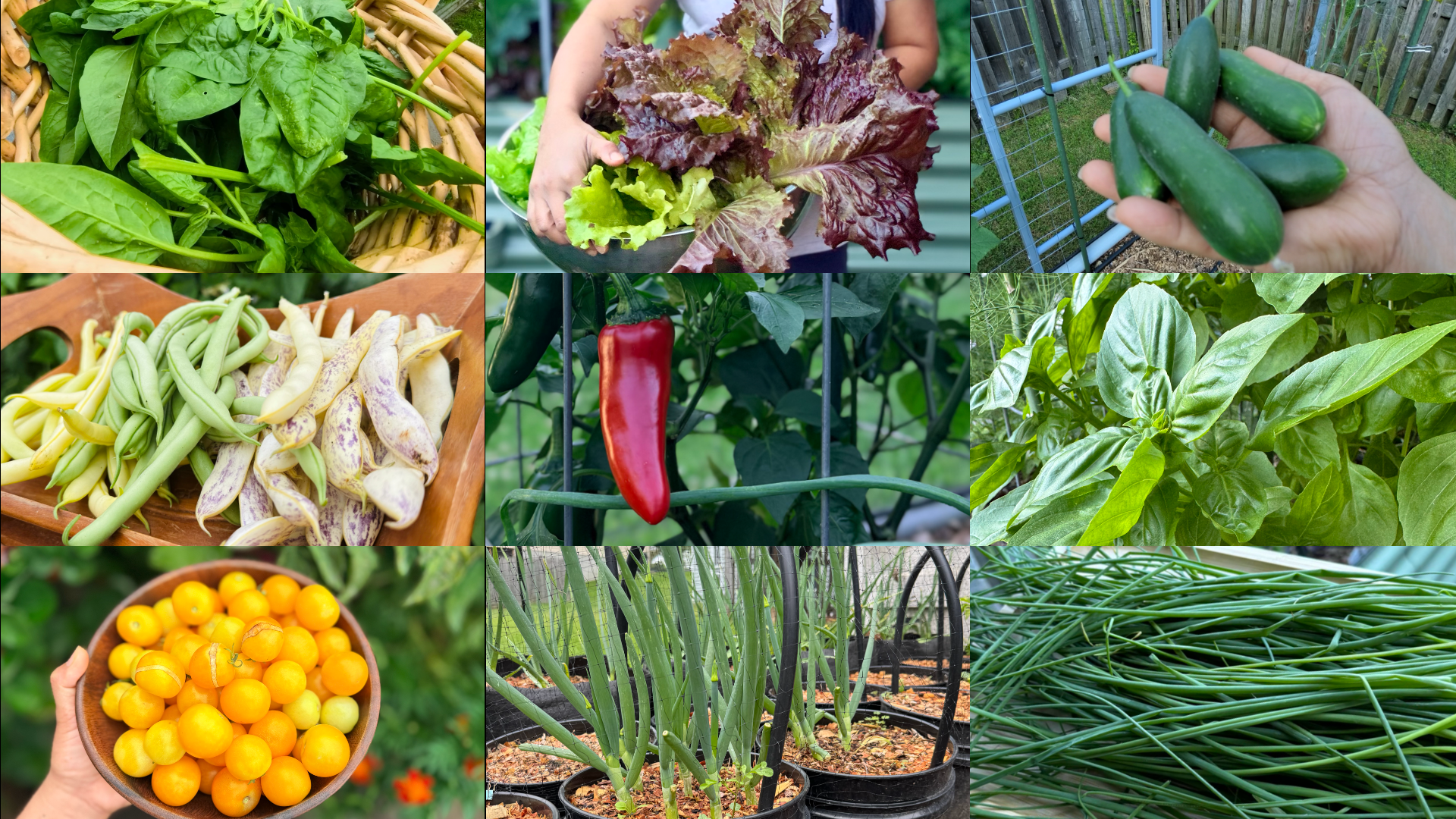
One of the biggest misconceptions about gardening is that you need a large backyard to grow your own food. The truth is, many vegetables thrive in containers and can produce impressive harvests in surprisingly small spaces.
Container gardening is perfect for beginners because it’s easier to manage, requires less weeding, and allows you to grow food almost anywhere with enough sunlight.
Whether you have a sunny patio, apartment balcony, front porch, or deck, you can enjoy homegrown vegetables with just a few pots.
Here are some of the easiest vegetables to grow in containers.
1. Mini Tomatoes
Mini and Micro tomatoes are one of the best vegetables for container gardening.

Compared to large slicing tomatoes, cherry and grape tomatoes are often more productive and easier to grow in pots.
Choose compact or dwarf varieties for the best results.
Recommended container size: 5 gallons or larger
Read more:
2. Bush Beans
Bush beans are naturally compact and don’t require a trellis.

They grow quickly, produce generous harvests, and are perfect for beginners.
Because they mature quickly, you can even plant several rounds throughout the season.
Recommended container size: 3–5 gallons
3. Green Onions
Green onions take up very little space and grow exceptionally well in containers. You can even regrow your store-bought green onions and continue harvesting as needed.

They’re one of the easiest vegetables to harvest as needed, making them a favorite for beginner gardeners.
Recommended container depth: 6–8 inches
4. Lettuce
Lettuce is one of the easiest cool-season vegetables for containers.

Loose-leaf varieties allow you to harvest the outer leaves while the plant continues producing new growth.
You’ll enjoy fresh salads for weeks.
Recommended container depth: 6–8 inches
5. Peppers
Peppers thrive in containers. They enjoy warm soil and consistent moisture.

Whether you choose bell peppers, snack peppers, jalapeños, or banana peppers, container-grown peppers can be extremely productive.
Recommended container size: 5 gallons or larger
6. Radishes
If you’re looking for quick success, radishes are hard to beat.
Many varieties are ready to harvest in less than a month, making them perfect for impatient beginners.
Recommended container depth: 6–8 inches
7. Spinach
Spinach grows well in shallow containers during the cool seasons of spring and fall.
Regular harvesting encourages fresh new leaves.

Recommended container depth: 6–8 inches
8. Bok Choy
Bok choy is one of my favorite vegetables for container gardening.

It grows quickly, stays relatively compact, and is perfect for stir-fries and soups.
Baby varieties are especially productive in pots.
Recommended container depth: 8–10 inches
9. Cucumbers
Mini cucumber varieties like Quick Snack perform beautifully in containers even a 5 gallon size container. They are especially well suited for small-space gardens.
I don’t typically recommend growing cucumbers in containers smaller than 25 gallons because they are thirsty plants. Containers already dry out faster and if you plant something that needs a lot moisture in a small container, the plant will not thrive at all.

There are varieties labeled compact but in my experience some of they still become a bit massive. If you choose a vining variety, simply add a small trellis for support. I would also add a supplemental water supply like a terracotta watering spike or better yet grow it in a self-watering planter.
Recommended container size: 5 gallons or larger
10. Herbs
Many herbs thrive in containers, including:
- Basil
- Chives
- Parsley
- Cilantro
- Dill
- Thyme

Fresh herbs are some of the easiest and most rewarding plants for beginners to grow.
Why Container Gardening Is Great for Beginners
Container gardening offers several advantages for first-time gardeners:
- Easier weed control
- Better drainage
- Less bending and kneeling
- More control over soil quality
- Fewer soil-borne diseases
- Easy to move plants when needed
- Perfect for patios, balconies, and decks
It’s one of the simplest ways to begin growing your own food.
My Favorite Container Crops
Over the years, I’ve grown many vegetables in containers, but a few have become staples in my Maryland garden.
Some of my favorites include:
- Mini tomatoes
- Mini cucumbers
- Peppers
- Green onions
- Lettuce
- Bok choy
- Bush beans
- Chives
I’ve also had great success growing strawberries, herbs, blueberries, and even citrus trees in containers. Container gardening has allowed me to grow a surprising amount of food, proving that you don’t need a large yard to enjoy a productive vegetable garden.
Tips for Success
- Choose containers with drainage holes.
- Use high-quality potting mix instead of garden soil.
- Place containers where they’ll receive at least 6–8 hours of sunlight for most vegetables.
- Water containers more frequently during hot weather.
- Feed plants regularly since nutrients wash out of containers faster.
- Match the container size to the mature size of the plant.
Final Thoughts
Container gardening is one of the easiest ways to start growing your own food. With just a few pots and the right vegetables, you can harvest fresh produce even if you don’t have a traditional garden.
If you’re new to gardening, start with a few reliable crops like lettuce, green onions, bush beans, peppers, or mini tomatoes. As your confidence grows, you can expand your container garden and enjoy an even greater variety of homegrown vegetables.
Related Articles
Continue your container gardening journey with these beginner-friendly guides.
Container Gardening
- Container Gardening for Beginners
- Raised Beds vs. Containers: Which Is Better?
- The Best Crops to Grow If You Have Limited Space
- How to Choose the Best Containers for Vegetables
- How Often Should You Water Container Plants?
- Vertical Gardening with GreenStalk Planters
Crop Spotlights
- Why Mini Tomatoes Are Perfect for Beginners
- Why Bush Beans Are One of the Easiest Vegetables to Grow
- Why Green Onions Belong in Every Beginner Garden
- Why Lettuce Is the Perfect First Vegetable to Grow
- Why Peppers Build Gardening Confidence
- Why Basil Is the Best Herb for New Gardeners
Beginner Gardening
- Gardening for Beginners: Everything You Need to Know to Get Started
- The 4 Things Every Plant Needs to Thrive
- Choosing the Best Location for Your Vegetable Garden
- The Best Vegetables for Beginner Gardeners
- The First Five Vegetables I Recommend Every Beginner Grow
- How to Build Healthy Garden Soil from the Start
This page contains affiliate links to my brand partners like Vego Garden, GreenStalk, Walmart & Amazon at no extra cost to you.
Your support helps me create free gardening content. Thank you!


Leave a Reply