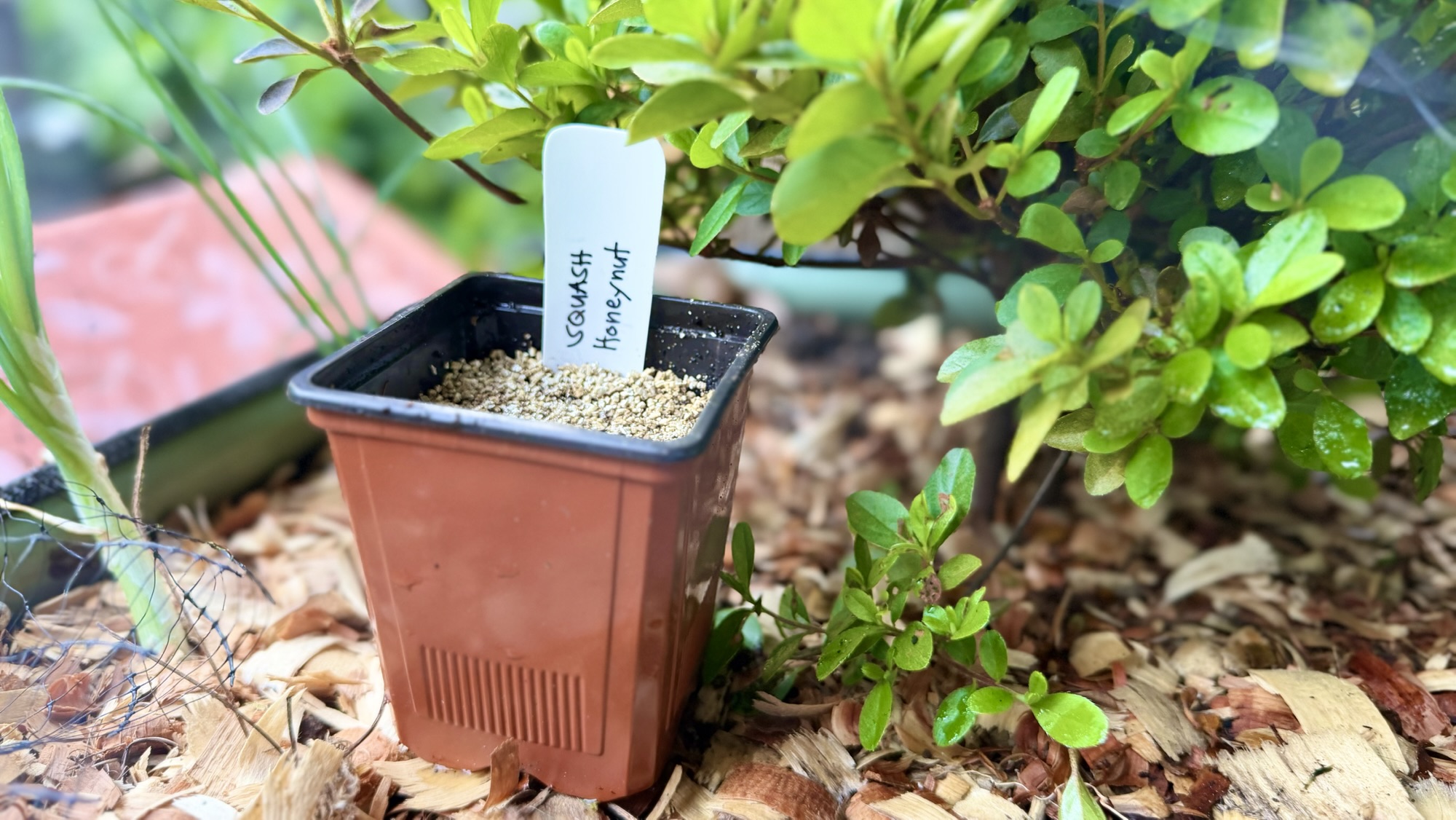
One of the biggest lessons I’ve learned as a gardener is that empty garden space is a missed opportunity.
Many vegetables don’t occupy the same bed for an entire growing season. Once they’re harvested, that valuable space often sits empty when it could be producing another crop.
That’s where succession planting comes in.
Succession planting is one of the easiest ways to increase your harvest without expanding your garden. Instead of planting everything once in spring and calling it done, you continue planting throughout the growing season so there’s always something growing, maturing, or ready to harvest.

For gardeners with limited space, succession planting can make a remarkable difference. In my Maryland Zone 7 garden, it allows me to grow spring, summer, and fall vegetables from many of the same raised beds.
Here’s how succession planting works and how you can use it to harvest fresh vegetables for much longer.
What Is Succession Planting?
Succession planting is the practice of planting crops in stages rather than all at once.
Instead of harvesting one large crop and ending the season, you continue sowing seeds or replacing harvested vegetables throughout the year.
The goal is to:
- Maximize garden space
- Extend the harvest season
- Reduce waste
- Produce a steady supply of fresh vegetables
- Improve overall garden productivity
It’s especially valuable in small gardens where every square foot matters.
Benefits of Succession Planting
Using succession planting can help you:
- Harvest vegetables for months instead of weeks
- Make better use of raised beds and containers
- Avoid overwhelming harvests
- Reduce empty garden space
- Replace crops that finish early
- Spread out your workload
- Keep fresh vegetables available throughout the season
Rather than harvesting thirty heads of lettuce at once, you might harvest three or four every week.
Four Types of Succession Planting
Succession planting isn’t just one method.
There are four common approaches.
1. Plant the Same Crop Every Few Weeks
This is the simplest method.
Instead of sowing an entire packet of seeds at once, plant a small amount every one to three weeks.
Good crops include:
- Lettuce
- Radishes
- Spinach
- Arugula
- Cilantro
- Bush beans
- Beets
- Carrots
This creates a continuous harvest instead of one large harvest.
2. Replace One Crop With Another
Once one crop finishes, immediately plant something new.
Examples include:
- Spring spinach → peppers
- Radishes → bush beans
- Garlic → carrots
- Lettuce → cucumbers
- Peas → tomatoes
- Bush beans → bok choy
This is one of my favorite methods because it keeps beds productive throughout the season.
3. Plant Different Maturing Varieties
Some vegetables come in early-, mid-, and late-season varieties.
For example:
- Sweet corn
- Cabbage
- Broccoli
- Cauliflower
Planting varieties with different maturity dates naturally spreads out the harvest.
4. Stagger Transplant Dates
Rather than transplanting all your seedlings on one day, spread them out over several weeks.
This works well for:
- Tomatoes
- Peppers
- Broccoli
- Cabbage
- Kale
You’ll enjoy a longer harvest window instead of everything ripening together.

Best Vegetables for Succession Planting
Some vegetables are especially well suited to repeated planting.
Excellent choices include:
- Lettuce
- Spinach
- Radishes
- Carrots
- Beets
- Turnips
- Bok choy
- Tatsoi
- Mizuna
- Mustard greens
- Arugula
- Bush beans
- Cilantro
- Dill
- Green onions
Because these crops mature fairly quickly, they’re ideal for repeated sowing.
Crops That Usually Aren’t Succession Planted
Some vegetables occupy the garden for much of the season.
Examples include:
- Pumpkins
- Winter squash
- Sweet potatoes
- Brussels sprouts
- Indeterminate tomatoes
- Eggplants
These vegetables can still fit into a succession plan, but they’re usually planted only once each season.
Planning Around Days to Maturity
One of the most important parts of succession planting is understanding how long each crop takes to grow.
Always check the seed packet for:
- Days to germination
- Days to maturity
- Recommended planting season
A 25-day radish and a 90-day broccoli require very different planning.
Use Your Frost Dates
Your first and last frost dates help determine how many successions you can grow.
In Zone 7, many gardeners can enjoy:
- Spring crops
- Summer crops
- Fall crops
- Winter crops with protection
Always count backward from your average first frost when planning late-season vegetables.
Keep a Garden Calendar
A simple calendar makes succession planting much easier.
Record:
- Planting dates
- Germination dates
- Harvest dates
- Expected maturity
- Bed locations
After a season or two, you’ll develop a planting schedule that fits your climate and your family’s needs.
Succession Planting in Raised Beds
Raised beds are perfect for succession planting.
Because they’re easy to access, you can quickly:
- Remove finished crops
- Add compost
- Replant immediately
There’s no need to leave a bed empty once a crop is harvested.
Succession Planting in Containers
Containers also work well.
Examples include:
- Lettuce followed by bush beans
- Spinach followed by peppers
- Cilantro followed by fall spinach
- Radishes followed by herbs
Refresh the potting mix with compost between crops.
Succession Planting in Small Gardens
Small gardens benefit the most.
Instead of trying to grow everything at once, focus on keeping each bed productive.
Even one raised bed can produce multiple harvests each year through careful planning.
Improve the Soil Between Crops
Every time you remove a crop:
- Pull weeds.
- Remove old roots if necessary.
- Add compost.
- Lightly loosen the soil.
- Water thoroughly.
- Plant the next crop.
Healthy soil supports healthy harvests throughout the season.
Don’t Forget Crop Rotation
Succession planting doesn’t replace crop rotation.
Whenever possible, avoid planting vegetables from the same plant family in exactly the same location repeatedly.
For example:
Instead of:
- Tomatoes → peppers
Consider:
- Tomatoes → spinach
- Bush beans → carrots
- Peas → lettuce
Crop rotation helps reduce disease and pest problems while balancing nutrient use.
Pair Fast and Slow Crops
A great strategy is to combine quick crops with slower ones.
Examples include:
- Bok choy between young cabbage
- Lettuce beneath tomatoes before they grow large
- Spinach around peppers early in the season
- Green onions along bed edges
The fast crops are harvested before the larger vegetables need the extra space.
Leave Room for Fall Crops
One common mistake is filling every bed with long-season vegetables.
Reserve space for:
- Broccoli
- Kale
- Bok choy
- Lettuce
- Spinach
- Garlic
- Onions
Planning ahead prevents your fall garden from becoming an afterthought.
Water Newly Planted Areas Well
New successions need consistent moisture.
Pay special attention to:
- Newly sown seeds
- Recent transplants
- Late-summer plantings
Young plants establish much more successfully when the soil remains evenly moist.
Examples of Succession Planting
Here are a few examples that work well in many Zone 7 gardens:
Spring → Summer → Fall
- Spinach → Peppers → Garlic
Spring Greens
- Lettuce → Bush Beans → Bok Choy
Root Crops
- Radishes → Carrots → Spinach
Garlic Bed
- Garlic → Beets → Cover Crop
Cool Season
- Peas → Cucumbers → Kale
These are only examples. Your own planting schedule will depend on your climate, available space, and the vegetables your family enjoys eating.
My Favorite Succession Planting Combinations
In my Maryland Zone 7 garden, some combinations I enjoy growing include:
- Lettuce followed by peppers
- Bok choy followed by beans
- Garlic followed by carrots or beets
- Spring spinach followed by tomatoes
- Bush beans followed by fall greens
Because my garden is on the smaller side, succession planting helps me grow much more food than I could if each bed were planted only once.
Common Mistakes
Avoid these common problems:
- Planting everything on one day
- Forgetting fall crops
- Leaving beds empty
- Ignoring days to maturity
- Not adding compost between crops
- Overcrowding plants
- Forgetting to keep records
Succession Planting Checklist
- Know your frost dates.
- Read the seed packet.
- Plant small amounts regularly.
- Replace harvested crops quickly.
- Add compost between plantings.
- Rotate plant families.
- Keep a planting calendar.
- Water new crops consistently.
- Reserve space for fall vegetables.
- Continue planting throughout the season.
Final Thoughts
Succession planting is one of the easiest ways to harvest more food without needing a bigger garden.
Instead of thinking of your garden as something you plant once each spring, think of it as a space that’s constantly changing. One crop finishes, another begins, and before long you’re harvesting fresh vegetables from the same bed month after month.
Whether you have one raised bed or an entire backyard garden, planting in succession helps you make the most of every square foot.
A little planning throughout the season can reward you with fresh harvests from spring until frost—and in some cases, even beyond.
Frequently Asked Questions
What is succession planting?
Succession planting is the practice of sowing or transplanting crops throughout the growing season instead of planting everything at once. It helps extend the harvest and maximize garden space.
Which vegetables are best for succession planting?
Lettuce, spinach, radishes, carrots, beets, bush beans, bok choy, arugula, cilantro, dill, and green onions are among the easiest vegetables to plant in succession.
How often should I plant lettuce?
For continuous harvests, sow a small amount every one to two weeks during the growing season.
Can I succession plant in containers?
Yes. Containers are excellent for succession planting, especially for leafy greens, herbs, bush beans, and root vegetables.
Is succession planting the same as crop rotation?
No. Succession planting is about timing and keeping beds productive, while crop rotation focuses on changing plant families to reduce pests, diseases, and nutrient depletion.
Do I need to add fertilizer between crops?
Adding compost between plantings is often enough for many vegetables. Heavy feeders may also benefit from a balanced fertilizer before the next crop is planted.
Related Articles
- How to Plan Your First Vegetable Garden
- What to Plant in August in Zone 7
- How to Transition Your Garden from Summer to Fall
- Best Vegetables to Plant in Fall
- How to Keep Fall Seedlings Alive During Summer Heat
- How to Prepare Garden Beds for Fall Planting
- Gardening for Beginners: Everything You Need to Know to Get Started
- How to Grow Lettuce
- How to Grow Spinach
- How to Grow Bok Choy
- How to Grow Bush Beans
- How to Read a Seed Packet
This page contains affiliate links to my brand partners like Vego Garden, GreenStalk, Walmart & Amazon at no extra cost to you.
Your support helps me create free gardening content. Thank you!



Leave a Reply