One of the best parts of having a vegetable garden is bringing home baskets of fresh produce. The challenge comes when everything seems to ripen at once.
Instead of letting your hard-earned harvest go to waste, freezing is one of the easiest ways to preserve vegetables for months. It’s simple, requires very little equipment, and helps you enjoy the flavors of your garden long after the growing season ends.
While freezing doesn’t preserve the crisp texture of every vegetable, it does an excellent job of maintaining flavor, color, and many nutrients when done properly.
In my garden, freezing is one of my favorite ways to preserve extra vegetables. Whether it’s leafy greens, peppers, beans, or herbs, having homegrown produce ready in the freezer makes preparing meals throughout the year much easier.
Here’s everything you need to know about freezing fresh vegetables.
Why Freeze Vegetables?
Freezing is one of the simplest preservation methods because it doesn’t require special canning equipment or dehydrators.
Benefits include:
- Preserves your harvest for months
- Maintains much of the vegetable’s flavor
- Helps reduce food waste
- Saves time during meal preparation
- Makes it easy to enjoy seasonal produce year-round
- Requires minimal equipment
Many frozen vegetables can go straight from the freezer into soups, stir-fries, casseroles, pasta dishes, and other cooked meals.


Which Vegetables Freeze Well?
Many vegetables freeze beautifully when prepared correctly.
Some of the best vegetables for freezing include:
- Green beans
- Broccoli
- Cauliflower
- Carrots
- Corn
- Peas
- Spinach
- Kale
- Collard greens
- Swiss chard
- Bok choy
- Bell peppers
- Hot peppers
- Celery (for cooking)
- Okra
- Pumpkin
- Winter squash


Vegetables with a very high water content don’t freeze as well for fresh eating.
These include:
- Lettuce
- Cucumbers
- Radishes
- Raw potatoes
- Raw zucchini for salads
While some of these can still be frozen for cooked dishes, their texture changes significantly after thawing.
Harvest at Peak Freshness
The quality of your frozen vegetables begins in the garden.
Harvest vegetables when they are:
- Fresh
- Fully mature
- Free from disease
- Undamaged
- At their peak flavor
The sooner you freeze them after harvesting, the better the final quality will be.
If possible, process vegetables the same day you harvest them.
Wash and Prepare Your Vegetables
Before freezing:
- Wash vegetables thoroughly under cool running water.
- Remove dirt and insects.
- Trim stems or damaged portions.
- Peel if needed.
- Cut into the sizes you’ll actually use later.
Think about how you’ll cook them.
For example:
- Slice carrots.
- Cut broccoli into florets.
- Dice peppers.
- Trim green beans.
- Chop leafy greens.
Doing the prep work now saves time later.
Why Blanching Is Important
Most vegetables should be blanched before freezing.
Blanching means briefly cooking vegetables in boiling water, followed immediately by cooling them in ice water.
Blanching helps:
- Preserve color
- Maintain flavor
- Slow enzyme activity
- Improve texture
- Reduce nutrient loss
- Extend freezer life
Skipping blanching may cause vegetables to lose quality more quickly, even while frozen.
How to Blanch Vegetables
The basic process is simple.
- Bring a large pot of water to a rolling boil.
- Prepare a bowl of ice water.
- Add vegetables to the boiling water.
- Cook for the recommended time.
- Immediately transfer them to the ice bath.
- Cool completely.
- Drain well.
- Pat dry.


Different vegetables require different blanching times.
Common Blanching Times

Always adjust blanching time based on the size of the pieces.
Vegetables That Don’t Need Blanching
Some vegetables can be frozen raw.
These include:
- Bell peppers
- Hot peppers
- Onions
- Garlic
- Herbs
- Mushrooms (although many people prefer to cook them first)
These vegetables hold up well without blanching.
Dry Vegetables Thoroughly
After blanching and cooling, remove as much moisture as possible.
Excess water can cause:
- Ice crystals
- Freezer burn
- Clumped vegetables
Spread vegetables on clean towels and pat them dry before freezing.
Flash Freeze for Best Results
Flash freezing prevents vegetables from freezing into one large block.
Here’s how:
- Spread vegetables in a single layer on a baking sheet.
- Make sure pieces aren’t touching too much.
- Freeze for several hours.
- Transfer to freezer bags or containers.
This allows you to remove only what you need later.
Flash freezing works especially well for:
- Berries
- Peppers
- Corn
- Broccoli
- Cauliflower
- Green beans
Choose the Right Storage Containers
Use freezer-safe containers such as:
- Freezer bags
- Vacuum-sealed bags
- Plastic freezer containers
- Silicone freezer trays
- Souper Cubes® or similar freezer molds
Remove as much air as possible before sealing.
Less air means less freezer burn.
Label Everything
Always label containers with:
- Vegetable name
- Preparation method (if needed)
- Date frozen
It’s surprising how similar frozen vegetables can look several months later.
A permanent marker works well for freezer bags.
How Long Do Frozen Vegetables Last?
For the best quality, use frozen vegetables within:
- 8–12 months
They often remain safe longer if continuously frozen, but quality gradually declines.
Try using older vegetables before freezing new harvests.
Freezing Leafy Greens
Leafy greens freeze particularly well.
Examples include:
- Spinach
- Kale
- Collards
- Bok choy
- Swiss chard
Blanch briefly, cool immediately, squeeze out excess water, and portion into meal-sized amounts.


I often freeze leafy greens in small portions so they’re easy to add directly to soups, stir-fries, pasta dishes, and smoothies.
Freezing Peppers
Peppers are one of the easiest vegetables to freeze.
Simply:
- Wash.
- Remove stems and seeds.
- Slice or dice.
- Flash freeze.
- Package for storage.


No blanching is necessary.
Frozen peppers are excellent for:
- Soups
- Chili
- Stir-fries
- Omelets
- Pasta sauces
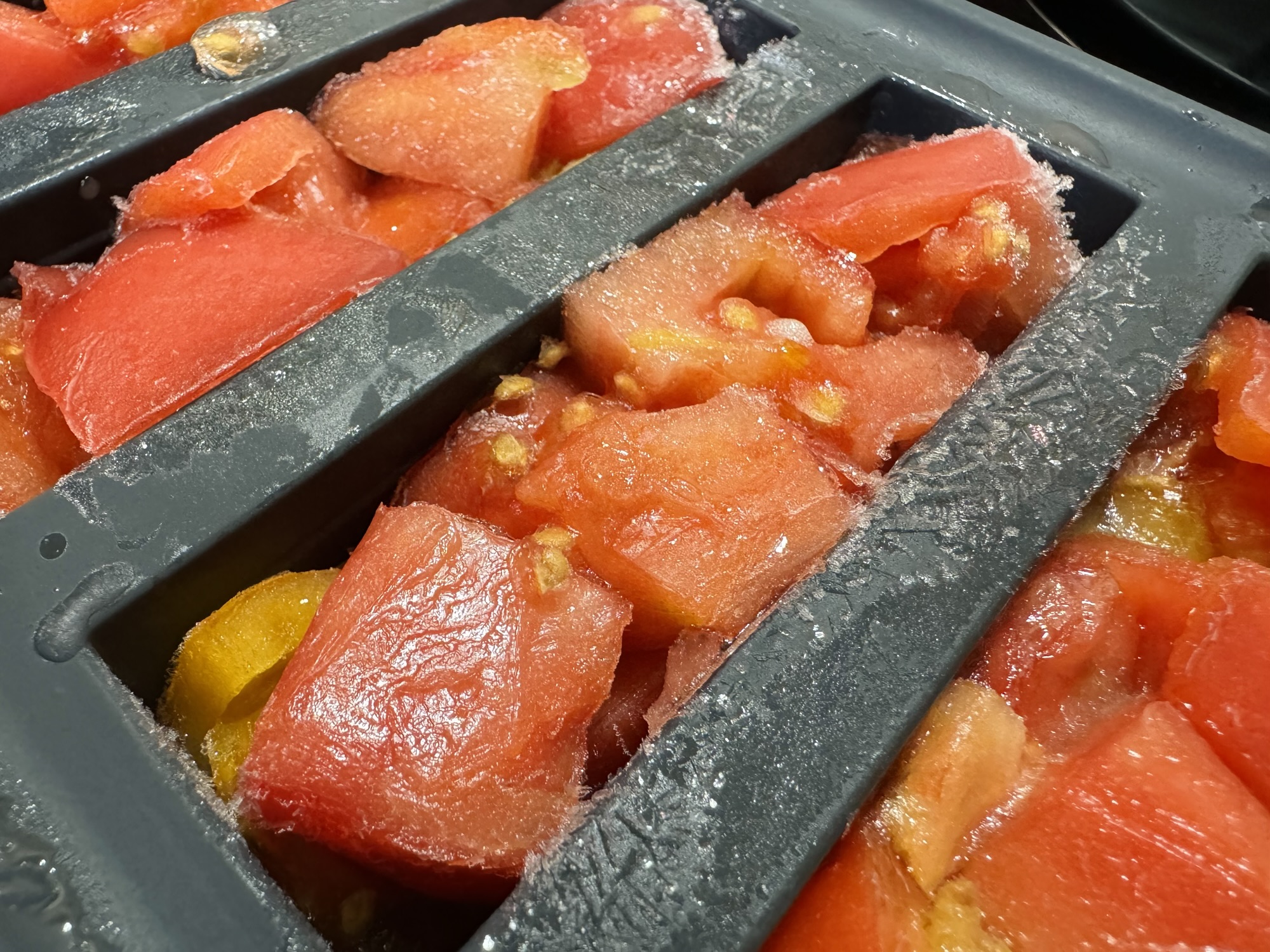
Freezing Tomatoes
Tomatoes can also be frozen.
You can freeze them:
- Whole
- Chopped
- Pureed
- Cooked into sauce


The skins often slip off easily after thawing.
Frozen tomatoes work best in cooked recipes rather than fresh salads.
Freezing Herbs
Fresh herbs can be frozen in several ways.
Options include:
- Chopped in freezer bags
- Frozen in ice cube trays with water
- Frozen in olive oil cubes
- Whole sprigs in freezer containers


Frozen herbs are perfect for cooked dishes.
Avoid Freezer Burn
To reduce freezer burn:
- Remove excess air.
- Use quality freezer bags.
- Freeze vegetables quickly.
- Keep the freezer at 0°F (-18°C) or below.
- Avoid repeatedly thawing and refreezing.
Freezer burn affects texture and flavor but doesn’t necessarily make food unsafe.
Should You Thaw Vegetables?
Many vegetables cook better when added directly from the freezer.
Examples include:
- Broccoli
- Green beans
- Peas
- Corn
- Spinach
Others may benefit from partial thawing depending on the recipe.
Always follow the cooking method that works best for the dish you’re preparing.
Common Freezing Mistakes
Avoid these common errors:
Freezing Old Vegetables
Freeze vegetables while they’re still fresh.
Older vegetables won’t improve in quality after freezing.
Skipping Blanching
Most vegetables store much better when blanched first.
Using Thin Storage Bags
Regular sandwich bags aren’t designed for long-term freezer storage.
Use freezer-grade materials.
Overfilling Containers
Leave a little room for expansion, especially when freezing purees or liquids.
Forgetting Labels
A freezer full of mystery vegetables makes meal planning difficult.
My Favorite Vegetables to Freeze
Every year, a few vegetables almost always end up in my freezer.
Some of my favorites include:
- Bok choy
- Spinach
- Kale
- Peppers
- Green beans
- Herbs
Freezing these vegetables allows me to enjoy homegrown produce even during the winter months when the garden slows down.
It’s one of the simplest ways I preserve my harvest without spending an entire day in the kitchen.
Vegetable Freezing Checklist
- Harvest vegetables at peak freshness.
- Wash thoroughly.
- Trim and cut into usable pieces.
- Blanch when needed.
- Cool immediately in ice water.
- Drain and dry well.
- Flash freeze if desired.
- Package in freezer-safe containers.
- Remove excess air.
- Label with the date.
- Freeze promptly.
Final Thoughts
Freezing is one of the easiest and most beginner-friendly ways to preserve your garden harvest.
With just a little preparation, you can enjoy fresh vegetables from your garden long after the growing season has ended.
Whether you’re freezing leafy greens, peppers, beans, broccoli, or herbs, taking the time to blanch, cool, and package them properly will help preserve their quality for months.
A freezer full of homegrown vegetables is a wonderful reminder that the work you put into your garden continues to feed your family long after harvest day.
Frequently Asked Questions
Do all vegetables need to be blanched before freezing?
No. Vegetables such as peppers, onions, garlic, and many herbs can be frozen without blanching. Most other vegetables benefit from blanching to preserve quality.
How long do frozen vegetables last?
For the best flavor and texture, use frozen vegetables within 8 to 12 months, although they often remain safe longer if kept continuously frozen.
Can I freeze vegetables without blanching?
Some vegetables can be frozen raw, but skipping blanching for vegetables like broccoli, green beans, or spinach may lead to reduced quality over time.
What is flash freezing?
Flash freezing means freezing vegetables in a single layer before transferring them to storage containers. This keeps pieces from freezing into one large clump.
Should I thaw frozen vegetables before cooking?
Usually not. Many vegetables cook best when added directly from the freezer to soups, stir-fries, casseroles, and other cooked dishes.
Can I freeze vegetables in regular plastic bags?
Freezer bags are recommended because they’re thicker and better at preventing freezer burn than standard food-storage bags.
Can frozen vegetables be refrozen?
It’s best to avoid repeatedly thawing and refreezing vegetables because it can reduce their quality and texture.
Related Articles
- How to Freeze Herbs Without Losing Flavor
- How to Dehydrate Herbs at Home
- How to Dehydrate Tomatoes
- How to Store Fresh Herbs
- How to Preserve Ginger
- How to Preserve Turmeric
- Freezing vs. Dehydrating: Which Is Better?
- How Long Do Homegrown Vegetables Last?
- How to Build a Pantry From Your Garden
- My Favorite Food Preservation Tools
This page contains affiliate links to my brand partners like Vego Garden, GreenStalk, Walmart & Amazon at no extra cost to you.
Your support helps me create free gardening content. Thank you!



Leave a Reply