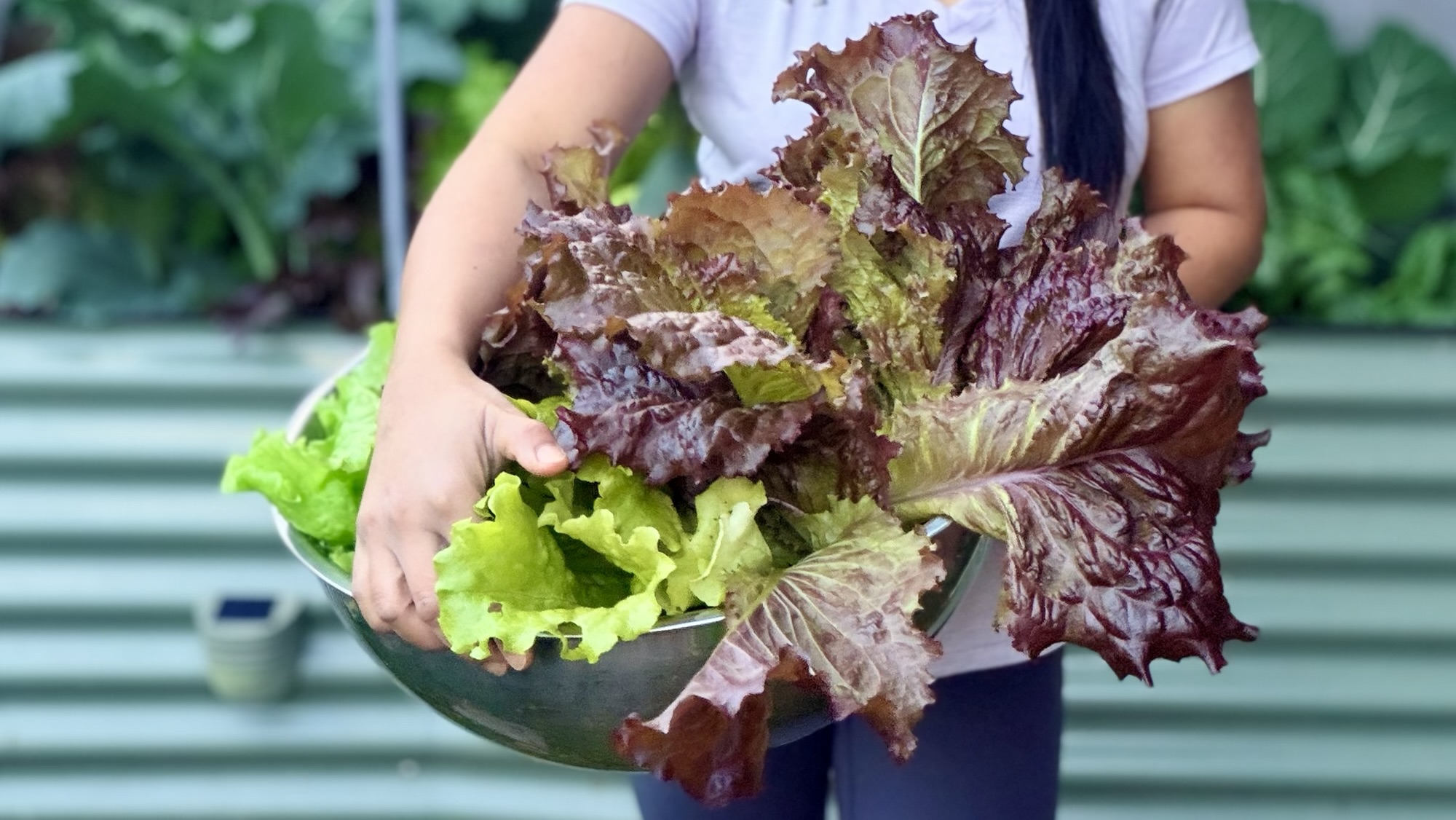
If you’re new to vegetable gardening and wondering where to start, lettuce is one of the best choices you can make. It’s fast-growing, forgiving, and doesn’t require a large garden to produce an impressive harvest.
One of the things I love most about growing lettuce is how quickly it rewards your efforts. Just a few weeks after planting, you can begin harvesting fresh, tender leaves for salads, sandwiches, wraps, and more.
Whether you have a backyard, raised bed, GreenStalk planter, or a few containers on your patio, lettuce is a crop that can help you build confidence while enjoying delicious harvests.
Here are the reasons I think every beginner should grow lettuce.
1. It’s One of the Fastest Vegetables to Grow
Lettuce doesn’t keep you waiting.
Many loose-leaf varieties are ready to harvest in as little as 30–45 days, and you can often begin picking baby leaves even sooner.
Seeing results quickly makes gardening more exciting, especially for beginners.
2. It’s Easy to Grow From Seed
Lettuce seeds are small, inexpensive, and germinate quickly under the right conditions.
Simply sow the seeds directly into the garden or a container, keep the soil consistently moist, and you’ll usually see seedlings emerge within a week or two.

It’s one of the easiest vegetables to start from seed.
3. It Doesn’t Need Much Space
Lettuce is ideal for small-space gardening. I’ve grow them in containers less than 5 gallons and they still rewarded me with a lot of lettuce throughout the cool season.

It grows beautifully in:
- Raised beds
- Containers
- Window boxes
- GreenStalk planters
- Grow bags
- Small backyard gardens
Even a tiny growing space can provide enough lettuce for multiple fresh salads.
4. You Can Harvest It Again and Again
One of the biggest reasons I recommend lettuce is that you don’t always have to harvest the entire plant.

With many loose-leaf varieties, you can simply pick the outer leaves while leaving the center to continue growing.
This “cut-and-come-again” method provides weeks of continuous harvests from a single planting.
5. It Grows Well During Cool Weather
Lettuce thrives in the cooler temperatures of spring and fall.
That means you can often start gardening earlier in the season than you would with warm-season vegetables like tomatoes and peppers.
It’s a great crop for extending your gardening season.
6. There Are So Many Varieties to Choose From
Growing lettuce doesn’t have to mean just one type.
You can choose from:
- Green leaf lettuce
- Red leaf lettuce
- Romaine
- Butterhead
- Oakleaf
- Crisphead
- Baby leaf mixes
Planting several varieties together gives you colorful, flavorful salads all season long.
7. Fresh Lettuce Tastes So Much Better
Homegrown lettuce is crisp, tender, and incredibly fresh. Most of the lettuce I’ve eaten from the grocery store are bitter and not so enjoyable to eat but the lettuce I grew in season don’t taste like that at all. I never really enjoyed growing salad until I started growing my own lettuce.


Unlike store-bought lettuce that may have spent days in transit, you can harvest your lettuce just minutes before dinner. Nothing could be fresher than that!
The flavor and texture are hard to beat.
8. It’s Perfect for Succession Planting
Rather than planting everything at once, sow a small amount of lettuce every 2–3 weeks.
This simple technique gives you continuous harvests instead of one large crop all at once.

Succession planting is one of the easiest ways to enjoy fresh salads throughout the growing season.
9. It Builds Gardening Confidence
Lettuce grows quickly, produces generous harvests, and doesn’t require complicated care. I remember feeling so accomplished after harvesting my first lettuce.
Every successful harvest reminds beginners that growing food at home is achievable and enjoyable.
That confidence often inspires gardeners to try even more vegetables.
10. It’s a Vegetable You’ll Actually Use
One of the best reasons to grow lettuce is how often you’ll use it.
Fresh lettuce is perfect for:
- Salads
- Sandwiches
- Wraps
- Burgers
- Tacos
- Spring rolls
- Garnishes
Because it’s something many families eat regularly, growing your own can save money while improving flavor.
And with what is going on nowadays with the supply of food in our grocery stores, there is no better way to know what’s in our food than growing it ourselves. You don’t have to grow everything but if you can grow some, it will definitely make a difference in your budget and health.
My Favorite Way to Grow Lettuce
In my Maryland garden, lettuce has become one of my favorite cool-season crops. 🥬💚
I love growing it densely in my raised beds during spring and fall, but I’ve also had great success growing lettuce in my GreenStalk Garden planter and even in simple DIY dishpan planters.
One of the best things I’ve learned is to harvest the outer leaves instead of pulling up the entire plant. That allows the center to keep growing, so I can enjoy fresh salads from the same planting for weeks.
Regular harvesting really matters too. It’s easy to let lettuce sit because it looks so pretty in the garden, but harvesting often encourages continued growth and helps me enjoy it for much longer.
Another thing that has helped me extend the season is using the Vego Garden frost cover and mesh cover system depending on the weather. During the colder months, the frost cover helps protect the plants from hard freezes. As the weather warms up, I switch to the mesh cover, which provides some shade and helps protect the lettuce from intense heat.
Maryland weather can be unpredictable, so having a few different ways to protect my crops has made a big difference.
Succession planting is another useful strategy. Sowing a small batch of lettuce every couple of weeks can keep the harvest going much longer than planting everything at once. I don’t always need to succession plant because harvesting the outer leaves already keeps my plants productive for quite a while, but it’s a great method to keep in mind if you want an even longer harvest.
Learning these little tricks has helped me get so much more from it.
Tips for Success
- Plant during the cool seasons of spring and fall.
- Give lettuce at least 4–6 hours of sunlight each day.
- Keep the soil evenly moist.
- Harvest outer leaves regularly.
- Sow seeds every few weeks for continuous harvests.
- Provide afternoon shade during hot weather to delay bolting.
Final Thoughts
If you’re looking for a vegetable that offers quick success, delicious harvests, and very little frustration, lettuce is hard to beat. It’s easy to grow, productive, and fits into almost any garden, no matter how small.
Whether you’re planting your very first raised bed or filling a container on your patio, lettuce is a crop that will reward you with fresh harvests and the confidence to keep growing. Sometimes the simplest vegetables become the ones you appreciate the most.
Related Articles
If you’re starting your first vegetable garden, these beginner-friendly guides will help you grow with confidence.
Beginner Gardening
- Gardening for Beginners: Everything You Need to Know to Get Started
- The 4 Things Every Plant Needs to Thrive
- Choosing the Best Location for Your Vegetable Garden
- Raised Beds vs. Containers: Which Is Better?
- How to Build Healthy Garden Soil from the Start
- How Much Sun Does a Vegetable Garden Need?
Growing Lettuce
- How to Grow Lettuce
- When to Harvest Lettuce
- Succession Planting for Continuous Harvests
- How to Keep Fall Seedlings Alive During Summer Heat
- How to Grow Spinach
- How to Grow Bok Choy
More Beginner-Friendly Crops
- The Best Vegetables for Beginner Gardeners
- 15 Easy Crops Every First-Time Gardener Should Grow
- The First Five Vegetables I Recommend Every Beginner Grow
- Why Mini Tomatoes Are Perfect for Beginners
- Why Bush Beans Are One of the Easiest Vegetables to Grow
- Why Green Onions Belong in Every Beginner Garden
- Beginner-Friendly Crops for Fall Gardening
This page contains affiliate links to my brand partners like Vego Garden, GreenStalk, Walmart & Amazon at no extra cost to you.
Your support helps me create free gardening content. Thank you!


Leave a Reply