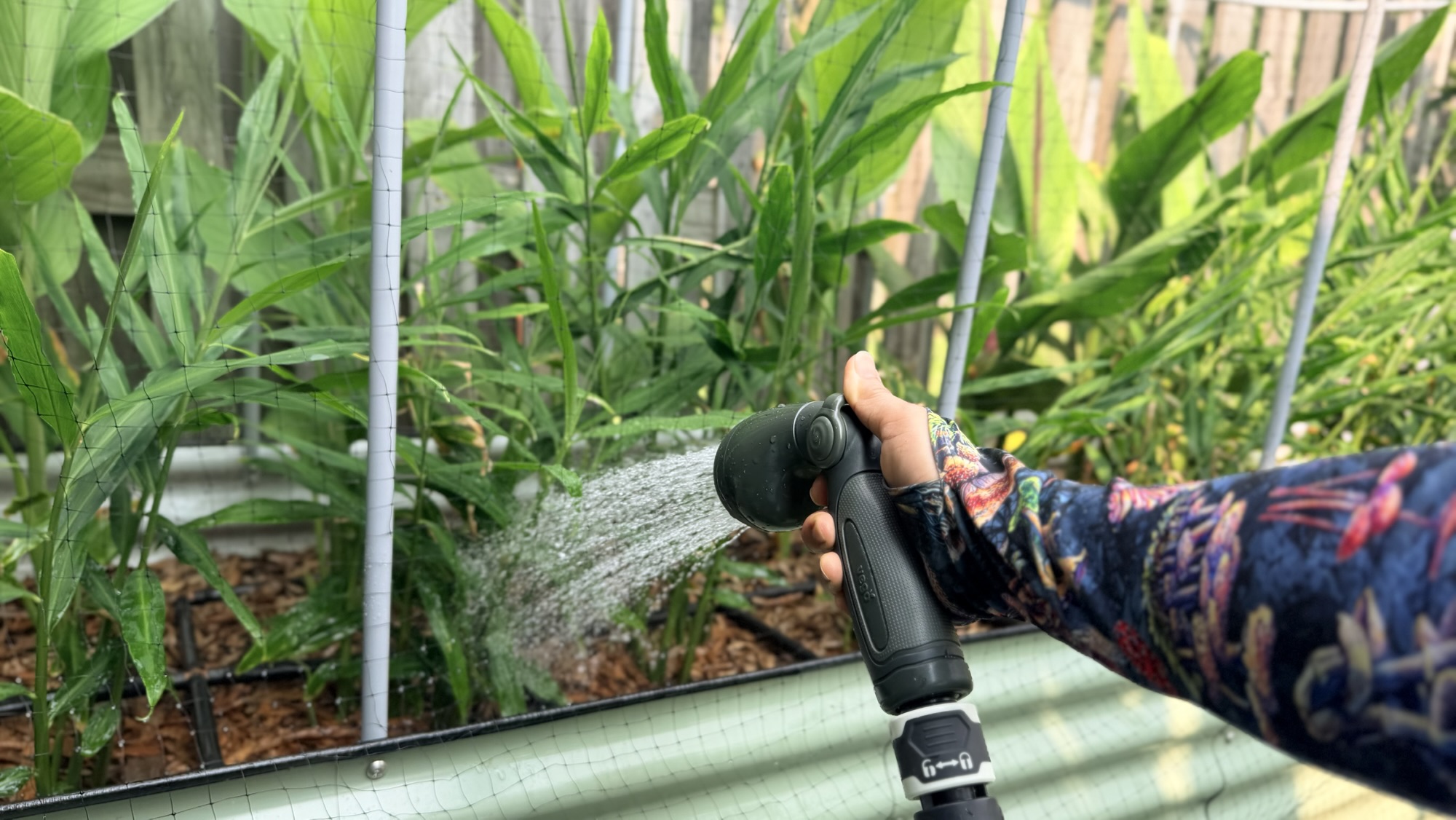
Every gardener has walked outside and wondered:
“Do my plants need water, or am I about to overwater them?”
It’s a common question, especially during the heat of summer.
The truth is that plants usually give you several warning signs before they’re seriously stressed. Learning to recognize these signs will help you water at the right time instead of guessing.

In this guide, you’ll learn how to tell when your plants need water, how to avoid confusing underwatering with overwatering, and the easiest way to know when it’s time to reach for the hose.
Why Watering at the Right Time Matters
Water is essential for nearly every process inside a plant.
It helps plants:
- Move nutrients from the soil
- Produce flowers and fruit
- Maintain healthy leaves
- Stay cool during hot weather
- Develop strong root systems
Waiting too long to water can slow growth, reduce harvests, and make plants more vulnerable to pests and diseases.
But watering too often can be just as harmful.
The goal is to water when your plants actually need it—not simply because it’s Tuesday or because the soil looks dry on the surface.
The First Thing to Check: The Soil
Before looking at the leaves, always check the soil.
The top layer often dries quickly, especially in raised beds and containers, while the soil underneath may still be perfectly moist.
The easiest method is the finger test.

Push your finger about 2 inches into the soil.
If it feels:
- Dry → It’s time to water.
- Slightly moist → Check again tomorrow.
- Wet → Wait before watering.
This simple habit prevents many watering mistakes.
1. Wilting Leaves
Wilting is one of the most recognizable signs that plants need water.
Leaves may:
- Droop
- Hang limp
- Feel soft
- Lose their firmness
Many vegetables, including tomatoes, peppers, cucumbers, squash, and beans, wilt noticeably when they’re thirsty.
However, don’t assume every wilted plant needs water.
During very hot afternoons, some plants temporarily wilt to reduce water loss, even when the soil is still moist.
If they perk back up by evening, they’re probably not actually thirsty.
2. Dry Soil
Healthy garden soil should feel cool and slightly damp below the surface.
If the soil is dry several inches down, your plants are likely ready for a deep watering.
Raised beds and containers often dry out faster than in-ground gardens, especially during hot, windy weather.
3. Curling or Rolling Leaves
Some plants protect themselves from water loss by curling their leaves.
You may notice:
- Tomato leaves curling inward
- Pepper leaves folding slightly
- Bean leaves rolling up
- Squash leaves drooping
Leaf curl can also be caused by heat, pests, or disease, so always check the soil before assuming water is the problem.
4. Dull or Faded Leaves
Well-hydrated plants usually have vibrant, healthy foliage.
Plants that need water often look:
- Less glossy
- Slightly gray or dull
- Less vibrant than usual
This change is often subtle but becomes easier to notice as you spend more time in your garden.
5. Slow Growth
Water stress affects more than appearance.
Plants that don’t receive enough moisture often:
- Grow more slowly
- Produce fewer leaves
- Stop putting on new growth
If your vegetables seem stalled despite receiving plenty of sunlight and nutrients, inconsistent watering could be the cause.
6. Flowers Falling Off
Many fruiting vegetables drop flowers when they’re stressed.
This is common with:
- Tomatoes
- Peppers
- Eggplants
- Cucumbers
- Squash
While flower drop can have several causes, underwatering is one of the most common.
7. Small or Misshapen Vegetables
Inconsistent watering often affects the harvest itself.
You may notice:
- Smaller tomatoes
- Thin cucumbers
- Misshapen carrots
- Cracked root crops
- Tough beans
Keeping the soil evenly moist helps vegetables develop properly.
8. Dry, Cracked Soil
Large cracks in the soil usually indicate that it’s drying out too much.
This is especially common in clay soils during hot weather.
Adding compost and mulch helps reduce cracking and improves moisture retention.
How Different Plants Show Thirst
Different vegetables respond differently when they need water.
Tomatoes
- Slight wilting
- Leaf curl
- Blossom drop
- Cracked fruit after irregular watering
Peppers
- Wilted leaves
- Flowers dropping
- Slower fruit development
Cucumbers
- Wilt quickly
- Bitter fruit
- Misshapen cucumbers
Leafy Greens
- Drooping leaves
- Bitter flavor
- Premature bolting
Herbs
Mediterranean herbs like thyme, rosemary, oregano, lavender, and sage naturally prefer drier soil and usually don’t need watering as frequently once established.
Don’t Confuse Overwatering with Underwatering
One of the trickiest parts of gardening is that overwatered plants can look surprisingly similar to underwatered ones.
Both may show:
- Wilting
- Yellow leaves
- Slow growth
The difference is in the soil.
Underwatered Plants
- Dry soil
- Crispy leaf edges
- Plants perk up after watering
Overwatered Plants
- Wet or soggy soil
- Yellowing leaves
- Mushy stems
- Fungus gnats
- Plants do not improve after watering
Always check the soil before adding more water.
Weather Matters
Plants naturally use more water during:
- Heat waves
- Windy days
- Low humidity
- Periods of rapid growth
After a soaking rain or during cool weather, they may need very little additional watering.
Adjust your watering based on the weather rather than following a strict schedule.
Help Your Garden Hold Moisture Longer
A few simple practices reduce water stress.
Add Mulch
Organic mulch:
- Reduces evaporation
- Keeps soil cooler
- Suppresses weeds
- Helps maintain even soil moisture
Build Healthy Soil
Compost increases the soil’s ability to hold moisture while still draining well.
Healthy soil stays moist longer than poor soil.
Water Deeply
Instead of watering lightly every day, water thoroughly when the soil needs it.
Deep watering encourages roots to grow farther into the soil where moisture lasts longer.
My Watering Routine
Rather than watering on a set schedule, I check my garden regularly—especially during the summer. I use the finger test to check the soil before watering, and I pay close attention to containers and raised beds since they dry out faster than in-ground gardens.
This simple routine has helped me avoid both underwatering and overwatering, and my vegetables stay much healthier because of it.
Common Mistakes
Avoid these common watering mistakes:
- Watering because the surface looks dry
- Waiting until plants collapse from drought
- Ignoring rainfall
- Watering lightly every day
- Assuming every plant needs the same amount of water
- Forgetting that containers dry out much faster
Final Thoughts
Your plants are constantly communicating with you—you just have to know what to look for.
Checking the soil, watching for early signs of stress, and watering deeply when needed will keep your garden healthier than watering by habit or guesswork.
The more time you spend observing your plants, the easier it becomes to recognize exactly when they’re asking for a drink.
Frequently Asked Questions
What is the first sign that plants need water?
The earliest signs often include slightly drooping leaves, dry soil a couple of inches below the surface, and slower growth. Checking the soil is the most reliable way to know.
Should I water plants as soon as they wilt?
Not always. Some plants wilt temporarily during hot afternoons even when the soil is moist. Check the soil first before watering.
How can I tell if my plants are overwatered or underwatered?
Both can cause wilting, but underwatered plants have dry soil and usually recover after watering. Overwatered plants sit in wet soil and often develop yellow leaves, mushy stems, or root rot.
Do raised beds need more frequent watering?
Yes. Raised beds drain well and dry out faster than in-ground gardens, especially during hot or windy weather.
Why do my plants wilt even after I water them?
If the soil is already wet and plants continue to wilt, overwatering, root damage, disease, or extreme heat may be the cause rather than lack of water.
Related Articles
- How Often Should You Water Your Garden?
- Signs Your Plants Need Fertilizer
- How to Mulch Your Garden Properly
- Why Mulch Is One of the Best Things You Can Do
- How to Protect Plants During Heat Waves
- How to Keep Your Garden Healthy All Season
- The 4 Things Every Plant Needs to Thrive
- How to Build Healthy Garden Soil from the Start
This page contains affiliate links to my brand partners like Vego Garden, GreenStalk, Walmart & Amazon at no extra cost to you.
Your support helps me create free gardening content. Thank you!


Leave a Reply