
Healthy vegetables don’t start with fertilizer—they start with healthy soil.
Many beginner gardeners think fertilizer is the secret to growing bigger tomatoes or producing baskets of vegetables. While nutrients are important, plants can only thrive if they’re growing in soil that’s alive with organic matter and beneficial microbes.
The good news is that you don’t need harsh synthetic fertilizers to grow a productive garden. Natural fertilizers feed both your plants and your soil, creating a healthier garden year after year.
In this guide, I’ll show you simple, beginner-friendly ways to fertilize vegetables naturally so you can grow stronger plants and enjoy better harvests.
What Is Natural Fertilizer?
Natural fertilizers come from organic or naturally occurring materials rather than manufactured chemicals.
Instead of providing a quick burst of nutrients, many natural fertilizers release nutrients gradually while improving soil structure and supporting beneficial microorganisms.
This creates healthier plants over time and reduces the risk of overfeeding.
Why Choose Natural Fertilizers?
Natural fertilizers offer several benefits:
- Improve soil health
- Feed beneficial microbes and earthworms
- Release nutrients more slowly
- Reduce the risk of fertilizer burn
- Improve moisture retention
- Encourage stronger root systems
- Support long-term garden health
Healthy soil grows healthier plants—and healthy plants are naturally more resilient to pests, diseases, and environmental stress.
Start with Compost
If you only use one natural fertilizer, make it compost.
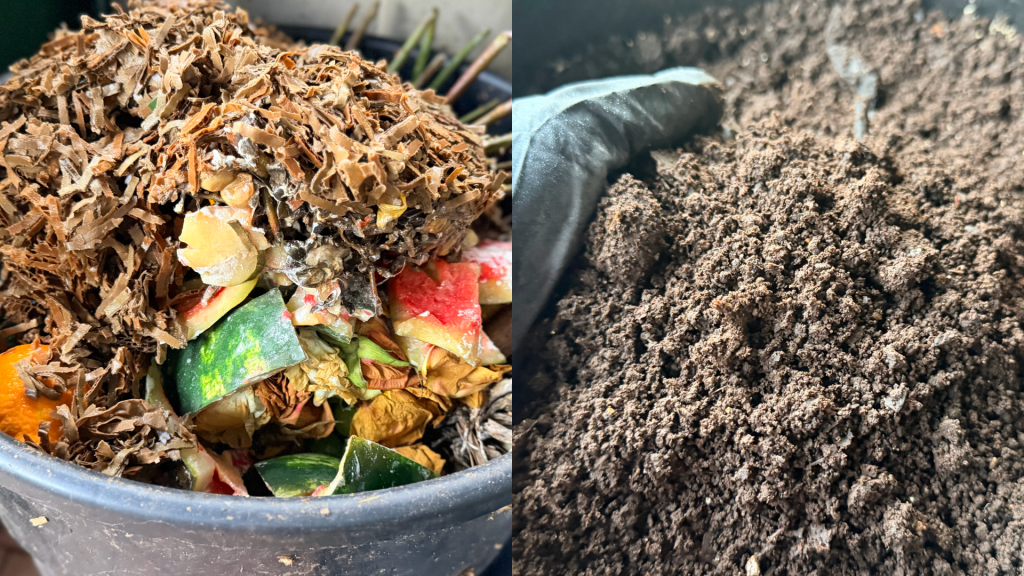
Compost is often called “black gold” because it adds organic matter, improves soil structure, and provides a wide range of nutrients.
Each season, spread 1 to 2 inches of compost over your garden beds or mix it into the top few inches of soil before planting.
Even established plants benefit from a layer of compost applied around the base during the growing season.
Add Worm Castings
Worm castings are one of my favorite natural soil amendments.
They’re gentle enough that they won’t burn plants and contain beneficial microbes that help improve soil health.
Worm castings can be:
- Mixed into potting mixes
- Added when transplanting seedlings
- Sprinkled around established plants
- Brewed into a simple compost tea
A little goes a long way.
Use Organic Granular Fertilizers
Organic granular fertilizers provide slow, steady nutrition throughout the growing season.
Look for balanced products with nutrients such as:
- Nitrogen (N)
- Phosphorus (P)
- Potassium (K)
Common organic ingredients include:
- Feather meal
- Bone meal
- Blood meal
- Kelp meal
- Alfalfa meal
- Fish meal
Always follow the label directions. More fertilizer doesn’t always mean better growth.
Feed with Fish Emulsion
Fish emulsion is an excellent natural liquid fertilizer for leafy vegetables and young plants.
Because it’s absorbed quickly, it’s especially helpful when plants need a gentle nutrient boost.
Many gardeners use fish emulsion every two to four weeks during active growth.
Keep in mind that it has a strong smell, but plants love it.
Compost Tea
Compost tea is made by steeping finished compost in water.
It can be used to:
- Water plants
- Add beneficial microbes
- Give plants a mild nutrient boost
While it’s not a complete fertilizer, it works well alongside compost and other organic amendments.
Don’t Forget Mulch
Although mulch isn’t technically a fertilizer, it plays an important role in feeding your soil.
Organic mulches such as:
- Shredded leaves
- Straw
- Grass clippings (untreated)
- Pine needles (for acid-loving plants)
gradually break down and add organic matter over time.
Mulch also conserves moisture, suppresses weeds, and protects soil from extreme temperatures.
Feed Plants According to Their Needs
Not every vegetable needs the same amount of fertilizer.
Heavy Feeders
These vegetables benefit from regular feeding:
- Tomatoes
- Peppers
- Corn
- Cucumbers
- Squash
- Melons
- Eggplant
- Broccoli
- Cabbage
Moderate Feeders
These vegetables usually need occasional feeding:
- Carrots
- Beets
- Lettuce
- Spinach
- Swiss chard
Light Feeders
Many herbs require very little fertilizer once established.
Examples include:
- Thyme
- Rosemary
- Oregano
- Sage
- Lavender
Too much fertilizer can actually reduce their flavor and fragrance.
Don’t Overfertilize
One of the biggest mistakes beginners make is feeding plants too often.
Too much fertilizer can cause:
- Lots of leaves but few fruits
- Weak stems
- Delayed flowering
- Blossom drop
- Nutrient imbalance
- Burned roots
More isn’t always better.
Healthy soil and consistent care usually produce the best results.
Fertilizing Throughout the Season
A simple schedule works well for most home gardens.
Before Planting
- Mix compost into the soil.
- Add organic granular fertilizer if needed.
At Planting
- Add worm castings around transplants.
- Water well.
During Growth
- Feed heavy-feeding vegetables every few weeks using an organic fertilizer.
- Top-dress with compost if plants begin slowing down.
During Fruiting
Continue feeding tomatoes, peppers, cucumbers, squash, and other fruiting vegetables according to the fertilizer directions.
Watch Your Plants
Instead of following a rigid fertilizer schedule, pay attention to how your plants are growing.
Healthy plants usually have:
- Steady growth
- Rich green leaves
- Strong stems
- Plenty of flowers
- Good fruit production
If plants begin to pale, stop growing, or produce fewer vegetables, they may benefit from additional nutrients.
My Favorite Natural Fertilizing Routine
Over the years, I’ve found that simple works best.
In my own garden, I build healthy soil with plenty of compost and regularly add worm castings when planting. During the growing season, I use slow-release organic fertilizers for heavy-feeding vegetables like tomatoes and peppers, and I occasionally feed leafy greens with fish emulsion for a gentle boost.
This approach has helped me grow productive vegetables while improving my soil year after year instead of simply feeding the plants.
Common Fertilizing Mistakes
Avoid these beginner mistakes:
- Fertilizing dry soil
- Applying too much fertilizer
- Feeding every plant the same way
- Ignoring compost
- Fertilizing stressed plants during extreme heat
- Expecting fertilizer to fix poor soil
Remember, fertilizer supports healthy growth—but it can’t solve problems caused by poor watering, inadequate sunlight, or unhealthy soil.
Final Thoughts
Natural fertilizing is about more than feeding your vegetables—it’s about creating a healthy garden ecosystem.
When you build rich soil with compost, use gentle organic fertilizers, and feed plants according to their needs, you’ll grow stronger vegetables with fewer problems and better harvests.
You don’t need a shelf full of products to be successful. Start with compost, add a few trusted organic fertilizers, observe your plants, and let your soil improve with each growing season.
Frequently Asked Questions
What is the best natural fertilizer for vegetables?
Compost is one of the best all-around natural fertilizers because it improves soil while providing a wide range of nutrients. Many gardeners also use worm castings and organic granular fertilizers for additional nutrition.
How often should I fertilize vegetables?
It depends on the crop and the fertilizer you’re using. Heavy-feeding vegetables like tomatoes and peppers usually benefit from regular feeding during the growing season, while herbs often need very little fertilizer.
Can I use compost instead of fertilizer?
Compost provides many nutrients and greatly improves soil health, but some heavy-feeding vegetables may still benefit from supplemental organic fertilizer during the season.
Is fish emulsion good for vegetables?
Yes. Fish emulsion is an excellent natural fertilizer for leafy greens, seedlings, and vegetables that need a quick nutrient boost.
Can you overfertilize with organic fertilizer?
Yes. Although organic fertilizers are generally gentler than synthetic ones, applying too much can still cause excessive leafy growth, nutrient imbalances, or reduced fruit production.
Related Articles
- Signs Your Plants Need Fertilizer
- Signs Your Plants Need Water
- How Often Should You Water Your Garden?
- How to Build Healthy Garden Soil from the Start
- How to Mulch Your Garden Properly
- Why Mulch Is One of the Best Things You Can Do
- Organic Gardening for Beginners
- The 4 Things Every Plant Needs to Thrive

 Gingerfoot Garden
Leave a comment