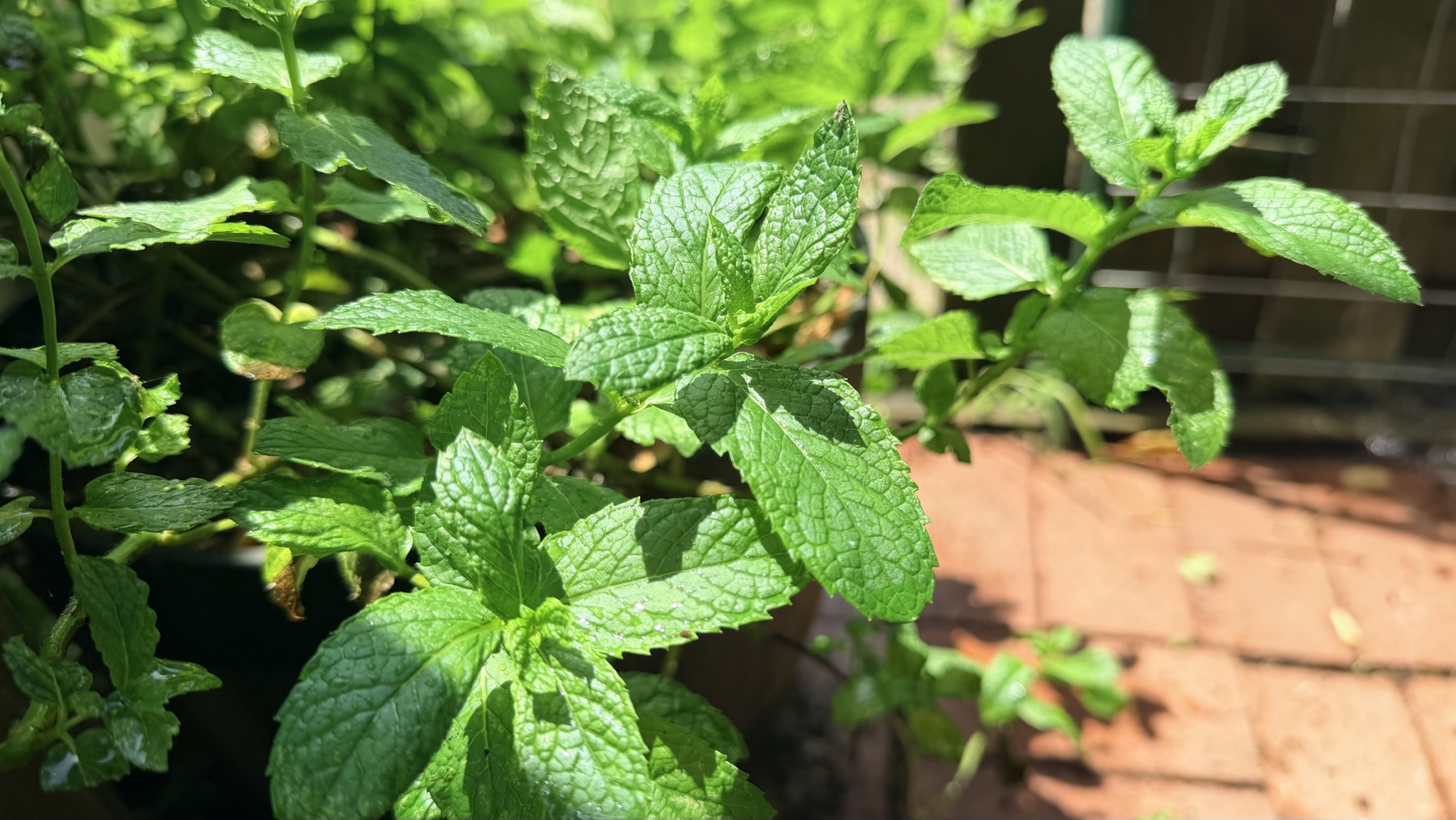
If I had to recommend one herb for beginner gardeners, mint would be near the top of the list.
It’s one of the easiest herbs to grow, smells amazing, and has countless uses in the kitchen. Whether you’re making tea, adding fresh leaves to summer drinks, rolling summer rolls, or garnishing desserts, having mint just a few steps from your back door is incredibly convenient.
There’s just one catch…
Mint grows enthusiastically.
In fact, it’s so vigorous that many gardeners eventually wonder how to stop it from taking over the garden.
The good news is that with the right growing method, mint is incredibly easy to manage.
Here’s everything you need to know to grow mint successfully and keep it thriving without taking over your space.
Choose the Right Variety
There are many different types of mint, each with its own flavor and fragrance.
Some popular varieties include:
- Spearmint
- Peppermint
- Chocolate mint
- Apple mint
- Pineapple mint
- Orange mint
Spearmint is one of the most common and versatile varieties, making it a great choice for beginners.
If you enjoy herbal tea, mojitos, fruit salads, or Asian dishes, you’ll likely find yourself reaching for fresh mint often.
Give Mint the Right Growing Conditions
Mint is a hardy perennial in many climates, including my Maryland Zone 7 garden.
It grows best with:
- 4–6 hours of sunlight or morning sun with afternoon shade
- Rich, well-draining soil
- Consistent moisture
- Plenty of airflow
While mint can tolerate full sun, it often appreciates a little afternoon shade during the hottest part of summer, especially when grown in containers.
Always Consider Growing Mint in a Container
If you’ve heard gardeners warn, “Never plant mint in the ground,” there’s a reason.
Mint spreads through underground runners called rhizomes. Given enough time, it can quickly travel well beyond where you originally planted it.
For that reason, I recommend growing mint in:
- Containers
- Raised planters
- Dedicated herb pots

Growing mint in a container keeps it contained while still producing more leaves than most families can use.
That said, if you love mint and don’t mind its enthusiastic nature, you can absolutely grow it in the ground. Some gardeners enjoy the abundance it provides. If you go this route, choose a location where its spreading habit won’t interfere with your other plants.
Water Consistently
Mint enjoys evenly moist soil.
Unlike drought-tolerant herbs like rosemary or lavender, mint doesn’t like drying out completely.
Water whenever the top inch of soil begins to dry.

Container-grown mint usually needs watering more often than plants growing in the ground, especially during hot summer weather.
A layer of mulch can also help keep the soil cool and reduce evaporation.
Fertilizing Mint
Mint isn’t a particularly heavy feeder.
Too much fertilizer can actually reduce the intensity of its flavor by encouraging excessive leafy growth.
Adding compost each spring is usually enough to keep plants healthy.
If your mint is growing in containers, a light application of balanced fertilizer once or twice during the growing season is plenty.
Harvest Often
One of the best things about mint is that harvesting encourages even more growth.
Instead of picking individual leaves, snip entire stems just above a pair of leaves.

This encourages the plant to branch, becoming fuller and bushier over time.
Avoid removing more than one-third of the plant at once so it can recover quickly.
Prevent Mint from Flowering
As mint begins producing flowers, many gardeners notice the leaves become less flavorful.
Pinching off flower buds helps the plant focus its energy on producing fresh foliage instead.
Regular harvesting naturally delays flowering as well.
If pollinators are important in your garden, you can certainly allow some stems to flower. Bees absolutely love mint blooms.
Common Problems
Thankfully, mint is one of the easiest herbs to grow.
However, you may occasionally notice:
Yellow Leaves
Often caused by overwatering, poor drainage, or older leaves naturally aging.
Wilting
Usually the result of dry soil or extreme heat.
Powdery Mildew
This fungal disease is more common when plants become overcrowded with poor airflow.
Harvest regularly and divide mature plants every few years to improve air circulation.
Growing Mint Indoors
Mint also grows well indoors.
Place it near a bright window that receives several hours of sunlight each day, or supplement with a grow light if natural light is limited.
Keep the soil evenly moist and harvest regularly to encourage compact, healthy growth.
Having fresh mint available year-round is a wonderful bonus, especially during winter.
Ways to Use Fresh Mint
One of the reasons I enjoy growing mint is how versatile it is.
Fresh mint can be used in:
- Herbal teas
- Lemonade
- Infused water
- Smoothies
- Fruit salads
- Spring rolls
- Summer rolls
- Yogurt sauces
- Desserts
- Garnishes


Extra mint can also be dried or frozen for later use.
What Works in My Maryland Garden
Mint has been one of the easiest herbs I’ve grown in my Maryland Zone 7 garden.
I’ve found that keeping it in containers gives me the best of both worlds. It stays manageable, is easy to harvest, and I never have to worry about it spreading into nearby vegetable beds.
During the hottest part of summer, I make sure it receives consistent water because containers dry out much faster than garden beds. My pot sits under our deck, where it gets afternoon shade, which helps keep the leaves looking fresh and healthy. It doesn’t grow aggressively in that spot, but it produces more than enough for my needs.

If you’re just getting started with herbs, mint is an excellent place to begin. It’s forgiving, productive, and rewards you with fresh harvests for months.
Just remember one simple rule: give mint its own space, and it’ll happily provide more leaves than you know what to do with.
If you found this guide helpful, consider saving it for later or sharing it with a fellow gardener. And if you’re growing mint this season, I’d love to hear how you’re using it—drop your favorite tips or recipes in the comments!
This page contains affiliate links to my brand partners like Vego Garden, GreenStalk, Walmart & Amazon at no extra cost to you.
Your support helps me create free gardening content. Thank you!


Leave a Reply