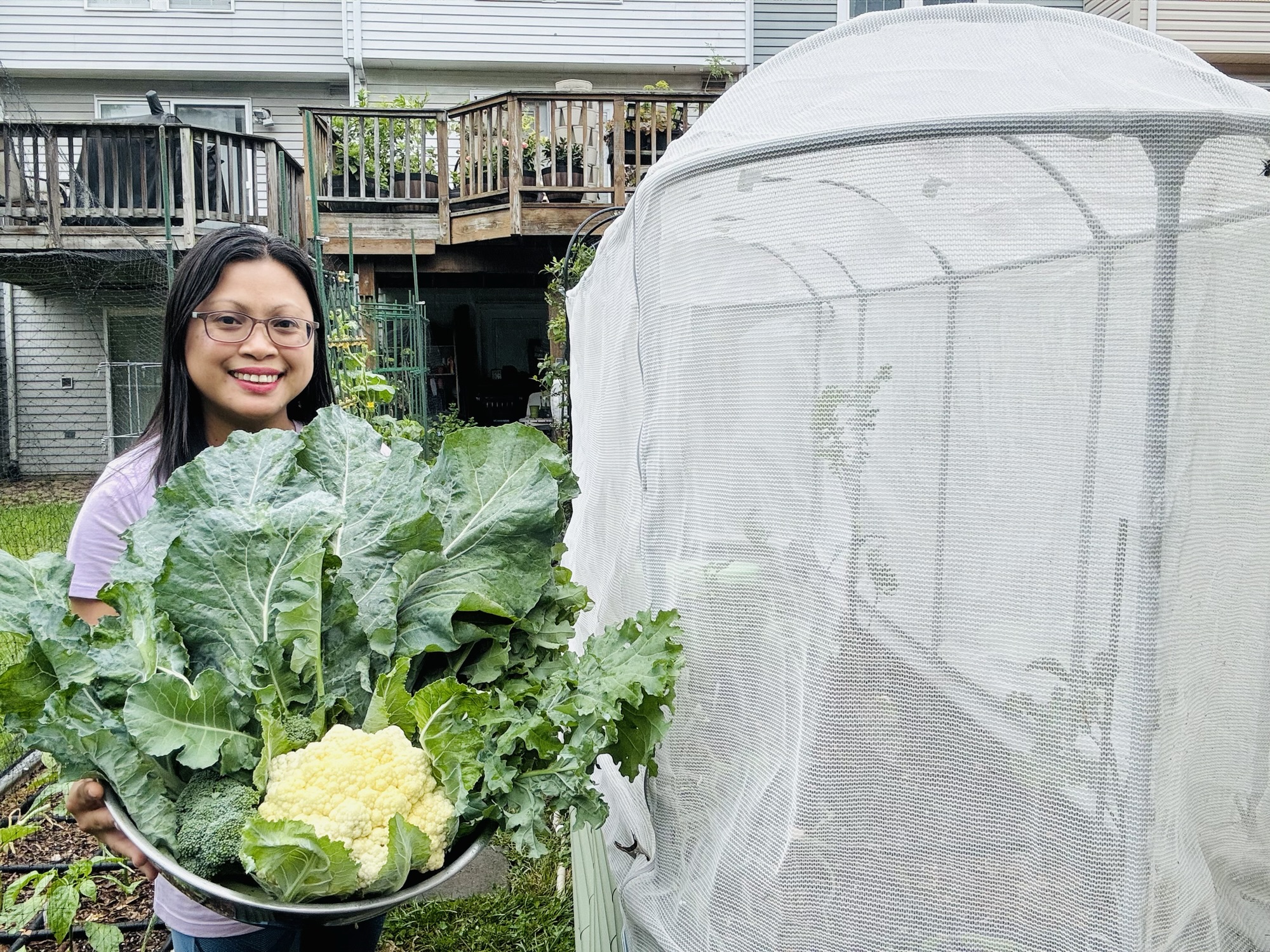
June is one of the busiest—and most rewarding—months in the garden.
After months of seed starting, transplanting, protecting crops from late frosts, and watching the weather forecast like a hawk, the garden finally starts to feel productive. Harvest baskets begin filling up, warm-season crops take off, and everything seems to grow overnight.
At the same time, June can also feel overwhelming.
The weeds grow faster, pests become more active, temperatures rise, and suddenly there’s more gardening work than time to do it all.
The good news? A few key tasks can keep your garden thriving throughout the summer.
Whether you’re growing in raised beds, containers, or a small backyard garden, here’s what you should focus on in your Zone 7 garden this June.
1. Harvest Spring Crops Regularly
One of the biggest rewards of June gardening is harvesting the cool-season crops you’ve been caring for since late winter or early spring.
Depending on your garden, you may be harvesting:
- Broccoli
- Kohlrabi
- Cabbage
- Kale
- Lettuce
- Bok choy
- Spinach
- Peas
- Strawberries
- Herbs
- Garlic Scapes
Harvesting regularly encourages many crops to continue producing.

I always find that harvesting frequently keeps the garden looking tidy while also creating space for the next round of crops.
Don’t forget to enjoy these harvests. Sometimes we’re so focused on what’s next that we forget to celebrate what’s growing right now.
2. Finish Planting Warm-Season Crops
If you haven’t planted all your summer vegetables yet, June is your chance.
In Zone 7, warm soil and longer days create ideal growing conditions for:
- Tomatoes
- Peppers
- Eggplants
- Cucumbers
- Squash
- Melons
- Watermelon
- Okra
- Sweet potatoes
- Roselle
- Basil
Container gardeners can still successfully plant many of these crops in early June.

If you’re growing in a small space, focus on high-producing crops that make the most of every square foot.
Some of my favorites include tomatoes, peppers, cucumbers, pole beans, and basil.
3. Trellis and Support Growing Plants
June is often when plants seem to double in size overnight.

Tomatoes, cucumbers, beans, melons, and squash can quickly become unruly if they aren’t supported early.
Now is the time to:
- Add stakes to tomatoes
- Secure tomato clips and strings
- Train cucumbers onto trellises
- Tie up pole beans
- Support melons if growing vertically
It’s much easier to install supports before plants become too large.

Waiting too long can lead to broken stems, crowded plants, and a tangled garden that’s difficult to maintain.
4. Succession Plant Fast-Growing Crops
One mistake many gardeners make is planting everything at once.
By June, some spring crops are finishing up, leaving empty spaces in raised beds and containers.
Instead of letting that space sit empty, replant it.
Good succession crops include:
- Bush beans
- Swiss chard
- Beets
- Carrots
- Basil
- Green onions
Even in a small garden, succession planting can dramatically increase your overall harvest.
Every empty space is an opportunity.
5. Stay Ahead of Garden Pests
Unfortunately, gardeners aren’t the only ones enjoying June.
Many common garden pests become active this month, including:
- Cabbage worms
- Aphids
- Squash vine borers
- Slugs
- Flea beetles
- Leaf miners
The key is catching problems early.
Take a few minutes each day to inspect:
- The underside of leaves
- New growth
- Flower buds
- Developing fruits
Small problems are usually easy to manage.

Large infestations can quickly become frustrating.
I often find that daily observation is one of the most effective pest control methods available.
6. Mulch Your Garden
June heat is coming.
Mulch helps:
- Retain moisture
- Reduce weeds
- Moderate soil temperatures
- Improve soil health
A layer of mulch around plants can significantly reduce watering needs during summer.

Popular options include:
- Shredded leaves
- Straw
- Untreated grass clippings
- Wood chips around pathways
For raised beds and containers, mulch is especially valuable because they tend to dry out faster than in-ground gardens.
7. Keep Up With Watering
Consistent watering becomes increasingly important in June.
Young transplants and container plants are especially vulnerable to drying out.
Rather than watering on a fixed schedule, check the soil regularly.
A good rule:
- Water deeply.
- Water thoroughly.
- Water when needed.
Deep watering encourages stronger root systems and more resilient plants.

If you grow in containers like I do, be prepared to water more frequently as temperatures rise.
8. Feed Heavy-Producing Crops
Fast-growing summer crops use a lot of nutrients.
June is a great time to provide additional fertility to:
- Tomatoes
- Peppers
- Cucumbers
- Squash
- Melons
- Container-grown vegetables
You can use:
- Compost
- Worm castings
- Fish emulsion
- Organic fertilizers
- Slow-release fertilizers
Healthy plants are generally more productive and better able to handle heat and pest pressure.
9. Take Garden Photos and Notes
This may not seem important now, but future-you will appreciate it.
Take photos of:
- Successful varieties
- Garden layouts
- Trellising methods
- Problem areas
- Harvests
Keep notes on:
- Planting dates
- Pest issues
- Favorite varieties
- Yield observations
Some of the best gardening lessons come from looking back at what worked and what didn’t.
10. Enjoy the Garden
This might be the most important task of all.
June often feels like a month of constant work.
There are beds to weed, tomatoes to tie up, pests to manage, and crops to plant.
But don’t forget to slow down and enjoy the reason you started gardening in the first place.
Sit outside with your morning coffee.
Admire the flowers.
Watch the pollinators.
Pick a handful of strawberries.
Take a photo of that first tomato flower.
Gardens aren’t just about productivity.
They’re about creating a space that nourishes us, slows us down, and reminds us to appreciate the simple things.
Final Thoughts
June is a transition month where spring harvests and summer crops overlap. It’s one of the most exciting times to garden in Zone 7 because the work you’ve put in throughout the season starts paying off.
Focus on harvesting regularly, supporting growing plants, managing pests early, succession planting, and keeping up with watering and feeding.
Most importantly, make time to enjoy the garden.
The busiest season doesn’t last forever, and some of the best memories happen in these warm June evenings when everything is growing and the possibilities feel endless.
What are you working on in your garden this June? Let me know in the comments below!
This page contains affiliate links to my brand partners like Vego Garden, GreenStalk, Walmart & Amazon at no extra cost to you.
Your support helps me create free gardening content. Thank you!


Leave a Reply