
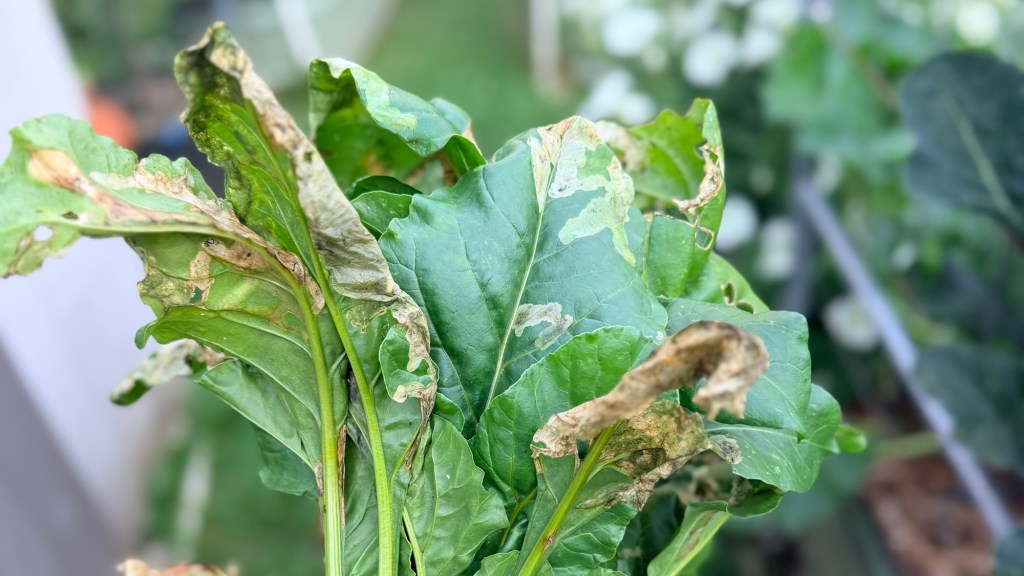
If you’ve ever looked at someone else’s thriving vegetable garden and wondered, “What am I doing wrong?”—you’re not alone.
Almost every gardener has experienced disappointment. Seeds don’t germinate. Tomatoes stay small. Lettuce bolts too quickly. Peppers refuse to grow. Sometimes it feels like the garden is working against you.
The truth is, most vegetable gardens don’t fail because gardeners lack a green thumb.
They fail because of a few common mistakes that are easy to make—and even easier to fix once you know what to look for.
I’ve made every one of these mistakes myself, and each one has taught me something valuable. Here are five reasons your vegetable garden may be struggling and what you can do to turn things around.
1. Your Soil Isn’t Healthy
Healthy plants start with healthy soil.
Many beginner gardeners focus on what fertilizer to buy, but fertilizer can’t fix poor soil.
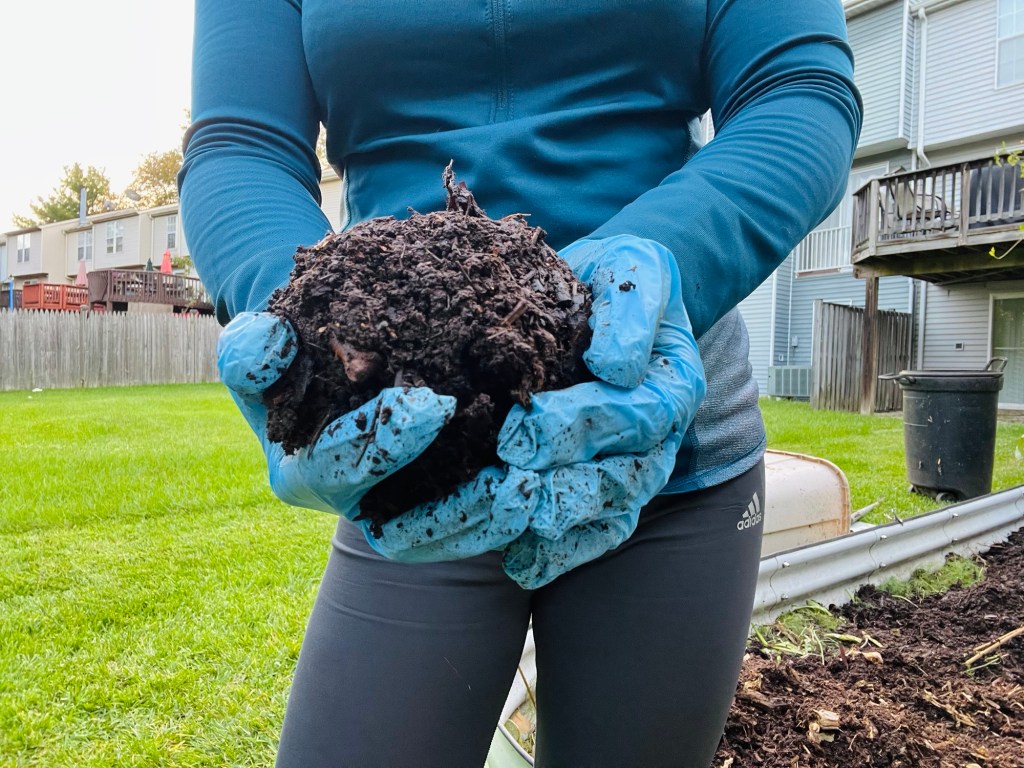
Your soil needs to be able to hold moisture, drain excess water, provide nutrients, and support healthy roots.
If your soil is compacted or lacking organic matter, plants will struggle no matter how much fertilizer you add.
How to Fix It
Improve your soil gradually by adding organic matter each season.
Some of my favorite soil amendments include:
- Compost
- Worm castings
- Shredded leaves
- Well-aged manure
- Biochar (if used properly)
If you’re growing in containers or raised beds, refresh your growing mix every season by adding compost rather than replacing all of the soil.
Remember, building healthy soil is a long-term investment. It gets better year after year.
2. You’re Not Feeding Your Plants
Plants are hungry.
As vegetables grow, they continuously use nutrients from the soil.
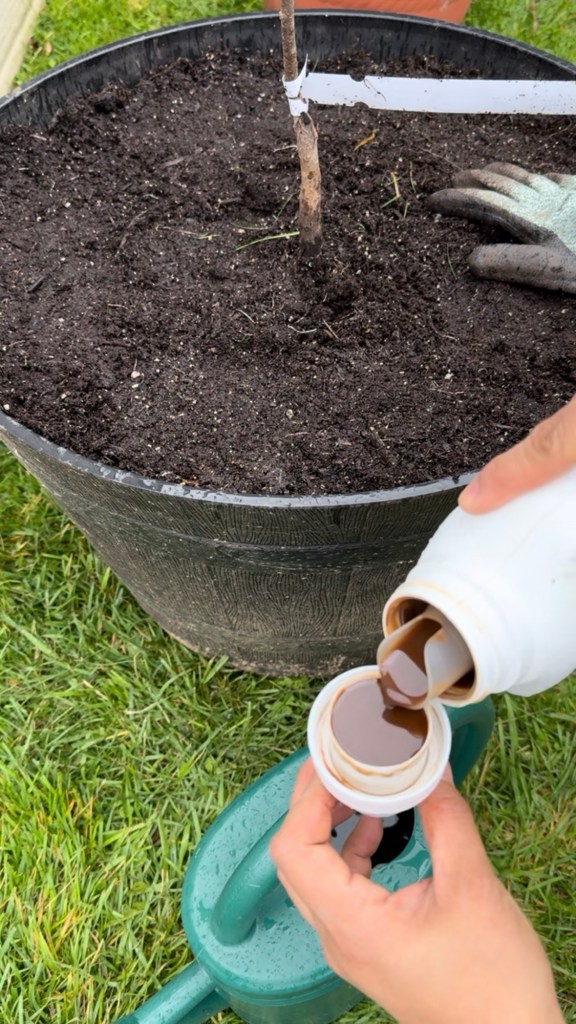
Heavy feeders like tomatoes, peppers, squash, cucumbers, and cabbage especially benefit from regular feeding throughout the season.
One of the biggest mistakes I made when I first started gardening was assuming the soil alone would provide everything my plants needed.
Eventually, I learned that healthy soil and proper fertilizing work together.
How to Fix It
Choose a fertilizer that fits the crop you’re growing and follow the recommended application rates.
You can use:
- Organic granular fertilizers
- Fish emulsion
- Compost
- Worm castings
- Slow-release fertilizers
Feeding consistently throughout the season usually produces healthier plants and larger harvests than waiting until plants begin showing signs of deficiency.
3. You’re Planting at the Wrong Time
Timing can make or break a vegetable garden.
One of the hardest lessons for new gardeners is realizing that every vegetable has a preferred season.
Cool-season crops like lettuce, spinach, broccoli, cabbage, and peas thrive in spring and fall.
Warm-season crops like tomatoes, peppers, cucumbers, squash, melons, and beans need warm soil and warmer temperatures to grow well.
Planting tomatoes too early can stunt their growth, while planting lettuce too late often results in bitter, bolting plants.
How to Fix It
Learn your USDA hardiness zone—but don’t stop there.
Pay attention to:
- Your average last frost date
- Soil temperature
- Nighttime temperatures
- Local weather patterns
I’ve learned that gardening isn’t about following the calendar exactly. It’s about learning your local climate and adjusting as needed.
4. Your Plants Aren’t Getting the Right Amount of Sun
Many vegetables love sunshine—but not every garden gets full sun all day.
Most fruiting vegetables need at least six to eight hours of direct sunlight daily.
Leafy greens are generally more forgiving and often appreciate some afternoon shade, especially during hot summers.
I’ve learned that instead of forcing plants into spaces where they struggle, it’s better to grow crops that match the conditions you already have.
How to Fix It
Observe your garden throughout the day before planting.
Ask yourself:
- Which areas receive full sun?
- Which areas get morning sun?
- Where does afternoon shade fall?
Then place crops where they’re most likely to thrive.
Sometimes moving a container just a few feet can make a noticeable difference.
5. You’re Watering Incorrectly
Watering is one of the most common causes of garden problems.
Too little water stresses plants.
Too much water can lead to root rot, disease, and poor growth.
The goal isn’t simply to water often—it’s to water well.
How to Fix It
Instead of watering on a strict schedule, check your soil first.
Stick your finger a couple of inches into the soil.
If it feels dry, it’s time to water.
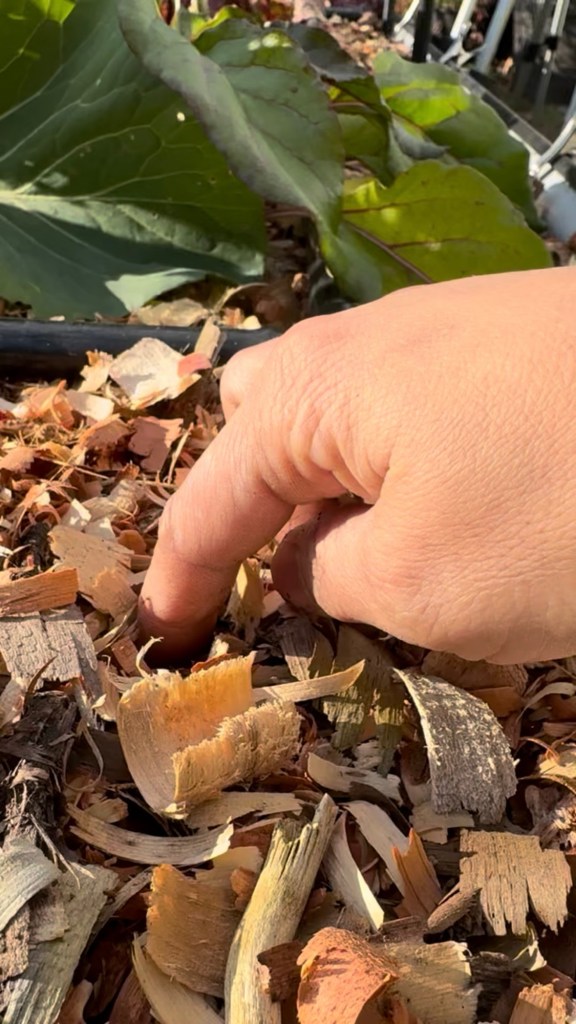
If it’s still moist, wait another day.
When you do water, water deeply rather than giving plants a light sprinkle every day.
Deep watering encourages deeper roots, making plants more resilient during hot summer weather.
Container gardens usually dry out much faster than raised beds or in-ground gardens, so they may need more frequent watering.
Don’t Expect Perfection
One of the biggest lessons gardening has taught me is that every season is different.
Some years, tomatoes thrive while peppers struggle.
Other years, brassicas are incredible but cucumbers never seem to take off.
Weather, pests, disease, and timing all play a role.
Even experienced gardeners have crops that don’t perform the way they hoped.
The goal isn’t to have a perfect garden.
The goal is to keep learning.
Every success builds confidence.
Every mistake teaches a lesson.
And every season makes you a better gardener.
Final Thoughts
If your vegetable garden isn’t producing the way you hoped, don’t get discouraged.
Most gardening problems can be traced back to a handful of common issues: poor soil, lack of nutrients, incorrect planting times, improper sunlight, or watering mistakes.
The good news is that every one of these challenges can be improved.
Start with one change this season instead of trying to fix everything at once. Over time, those small improvements add up, and you’ll begin to see healthier plants, bigger harvests, and more confidence in your gardening skills.
Remember, every experienced gardener was once a beginner. The difference isn’t that they never failed—it’s that they kept growing right alongside their gardens.






 Gingerfoot Garden
Leave a comment