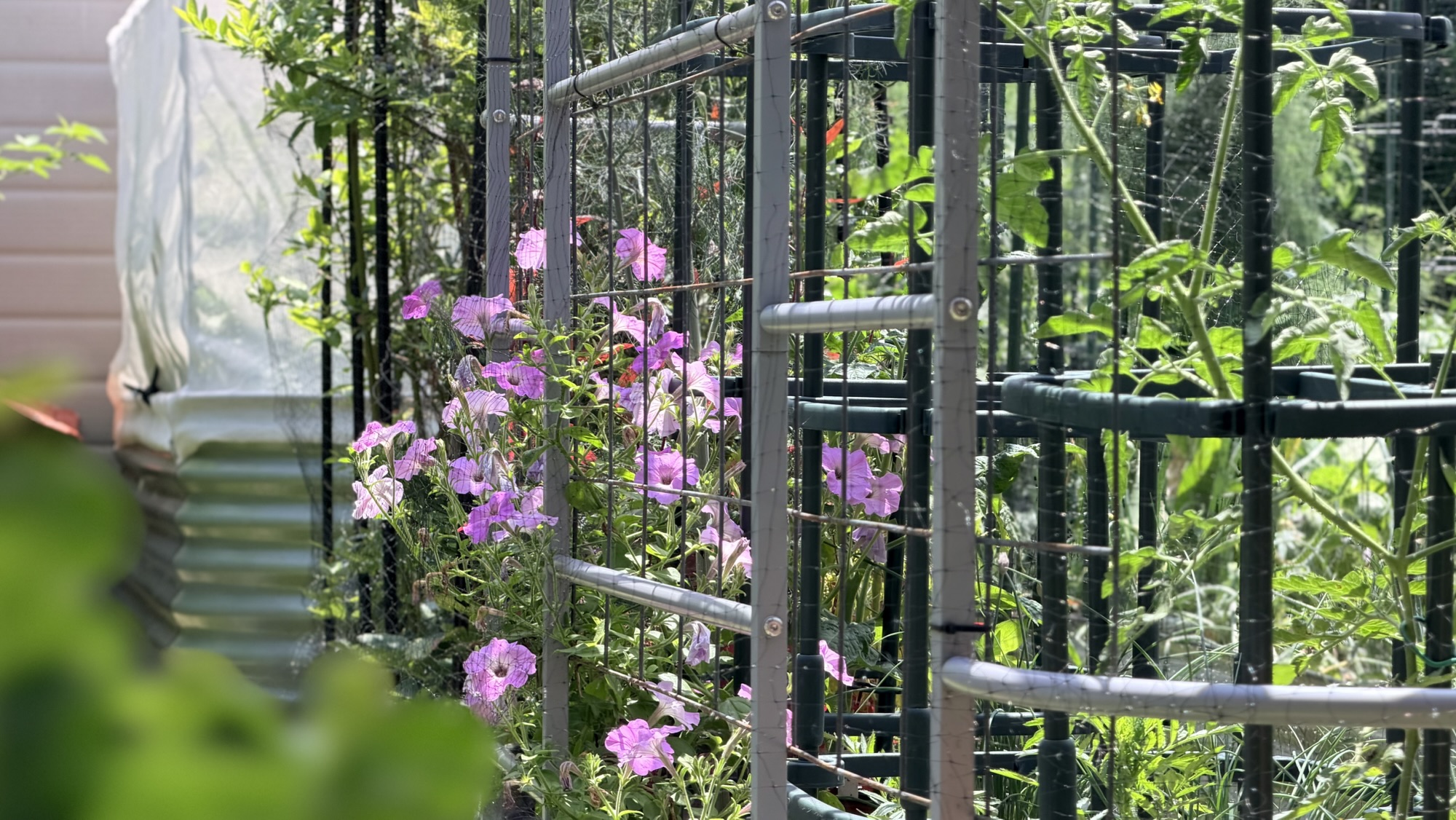
July can be one of the most rewarding—and most challenging—months in the garden.
Your summer vegetables are beginning to produce, the heat is in full force, weeds seem to grow overnight, and pests become much more active. At the same time, July is also when experienced gardeners begin thinking ahead to fall.
If you’re gardening in USDA Zone 7 like I do here in Maryland, here’s what I recommend focusing on this month.
1. Harvest Frequently
One of the biggest mistakes new gardeners make is leaving vegetables on the plant too long.

Harvesting regularly encourages many crops to continue producing.
Keep an eye on:
- Tomatoes
- Peppers
- Cucumbers
- Green beans
- Summer squash
- Zucchini
- Okra
- Eggplant
- Herbs
- Blueberries
The more often you harvest, the more productive many plants become.
Don’t forget to pick herbs often as well. Basil, parsley, oregano, thyme, and chives all benefit from regular harvesting.
2. Water Deeply Instead of Daily
July heat can quickly dry out garden beds and containers.

Instead of giving your plants a light watering every day, water deeply so moisture reaches the root zone.
A few watering tips:
- Water early in the morning whenever possible.
- Avoid watering leaves late in the evening.
- Containers usually need watering more often than raised beds.
- Self-watering planters can make summer watering much easier.
Consistent watering also helps prevent problems like blossom end rot on tomatoes and peppers.
3. Mulch Everything
If you haven’t mulched yet, now is the time.
Mulch helps:
- Keep soil cooler
- Reduce evaporation
- Suppress weeds
- Prevent soil from splashing onto leaves
- Improve soil as it breaks down
I like using shredded dry leaves, Cedar wood shavings, (pet bedding) or untreated wood chips depending on the crop.


4. Continue Feeding Heavy Feeders
Many summer vegetables are now producing heavily and benefit from continued fertilization.
Plants that appreciate additional feeding include:
- Tomatoes
- Peppers
- Cucumbers
- Squash
- Melons
- Eggplants
Follow the directions on your fertilizer and avoid overfeeding, especially with high-nitrogen fertilizers, which can produce lots of leaves but fewer fruits.
5. Watch for Pests
July is prime time for garden pests.
Inspect plants every few days instead of waiting until damage becomes obvious.
Keep an eye out for:
- Tomato hornworms
- Squash vine borers
- Squash bugs
- Cabbage worms
- Aphids
- Spider mites
- Japanese beetles


Early detection makes problems much easier to manage.


I also like encouraging beneficial insects by letting some herbs and flowers bloom throughout the garden.
6. Support Heavy Plants
As fruits become larger, plants often need additional support.
Check that:
- Tomato ties aren’t too tight.
- Stakes remain secure.
- Trellises can handle the increasing weight.
- Pepper plants are supported if they’re heavily loaded with fruit.


A little maintenance now can prevent broken branches later.
7. Remove Diseased or Damaged Leaves
As humidity increases, fungal diseases become more common.
Remove:
- Yellow leaves
- Diseased foliage
- Leaves touching the soil
- Dead branches
This improves airflow and helps reduce disease pressure throughout the season.
8. Keep Weeds Under Control
Weeds compete with your vegetables for water and nutrients.
Rather than letting them get out of hand, spend just a few minutes every couple of days pulling young weeds before they mature.
It’s much easier than tackling an overgrown garden later.
9. Start Planning Your Fall Garden
While everyone is focused on summer harvests, July is actually the beginning of fall gardening.
Depending on your location in Zone 7, this month is a great time to begin planning—and in some cases starting—cool-season crops.
Consider sowing or starting:
- Broccoli
- Cabbage
- Cauliflower
- Kale
- Collards
- Brussels sprouts

Toward the end of July, you can also begin sowing quick-growing crops like:
- Lettuce
- Bok choy
- Spinach
- Beets
- Carrots
Starting these crops now helps ensure they’ll mature during the cooler temperatures of fall.
10. Take Notes for Next Year
One of the best gardening habits you can develop is keeping a simple garden journal.
Write down:
- Which tomato varieties performed best
- Which peppers produced the most
- Pest problems
- Fertilizer schedules
- Harvest dates
- Weather challenges
These notes become incredibly valuable when planning next year’s garden.
My July Garden Goals
Every July, my focus shifts from planting to maintaining.
I spend more time harvesting, watering, pruning, and supporting plants than starting new ones. It’s also when I begin preparing for my favorite gardening season—fall.
Gardening isn’t about having a perfect garden. It’s about responding to what your garden needs each week.
Even small tasks completed consistently can make a huge difference by the end of the season.
If you’re feeling overwhelmed, pick just one or two things to tackle today. Your future self—and your garden—will thank you.
This page contains affiliate links to my brand partners like Vego Garden, GreenStalk, Walmart & Amazon at no extra cost to you.
Your support helps me create free gardening content. Thank you!


Leave a Reply