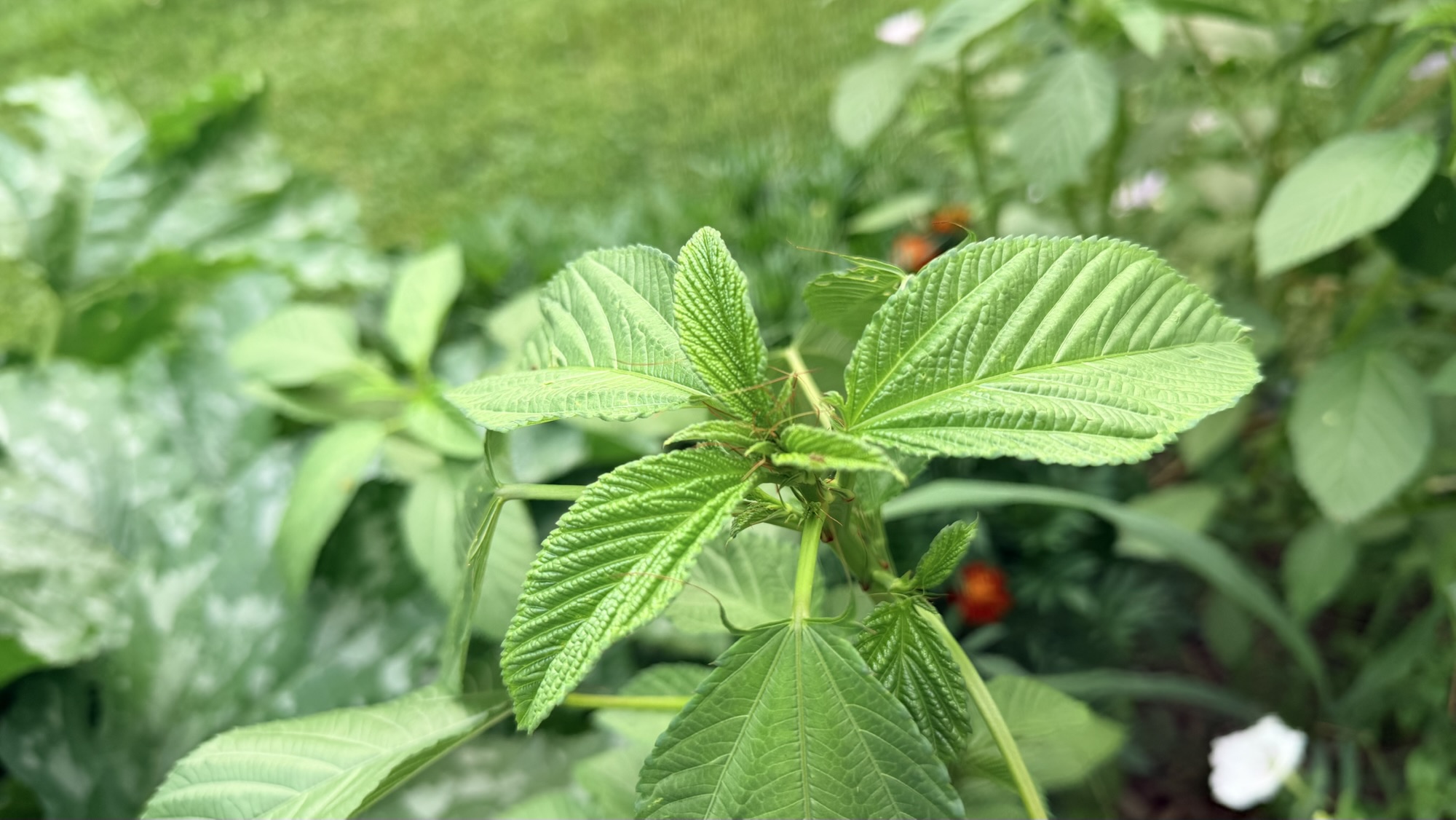
If you’re looking for a leafy vegetable that actually enjoys summer heat, Egyptian spinach is one worth trying.
Also known as molokhia, molokhiya, jute mallow, Saluyot in the Philippines, or Corchorus olitorius, Egyptian spinach is a fast-growing warm-season green that thrives when traditional spinach, lettuce, and many other leafy vegetables begin struggling.
Despite its common name, Egyptian spinach isn’t actually related to traditional spinach. Instead, it’s a tropical leafy vegetable widely used throughout North Africa, the Middle East, Asia, the Philippines, and other warm regions of the world.
For gardeners in places with hot summers—including my Maryland Zone 7 garden—crops like Egyptian spinach offer another way to keep fresh greens growing after cool-season vegetables have finished.
Here’s everything you need to know about growing Egyptian spinach at home.
What Is Egyptian Spinach?
Egyptian spinach *Corchorus olitorius* is a warm-season plant grown primarily for its tender leaves and young shoots.
You may also see it called:
- Molokhia
- Molokhiya
- Mulukhiyah
- Jute mallow
- Jew’s mallow
- Saluyot in the Philippines
The plant is related to jute crops and can grow surprisingly tall when allowed to mature.
Young leaves are harvested as a vegetable and are commonly cooked in soups, stews, and sautéed dishes.
When cooked, Egyptian spinach develops a somewhat mucilaginous texture, similar to okra or Malabar spinach.
That characteristic makes it especially useful for thickening soups and stews.
Is Egyptian Spinach Actually Spinach?
No.
Traditional spinach is Spinacia oleracea and prefers cool temperatures.
Egyptian spinach is Corchorus olitorius and thrives in heat.
Their growing preferences are almost opposite.
Traditional Spinach
- Prefers cool weather
- Grows best in spring and fall
- Bolts quickly during summer heat
- Grows as a low leafy rosette
Egyptian Spinach
- Loves warm weather
- Grows rapidly during summer
- Develops tall upright stems
- Can provide repeated leafy harvests
Instead of trying to grow regular spinach all summer, you can rotate between different greens based on the season.
Why Grow Egyptian Spinach?
Egyptian spinach has several qualities that make it useful in a home garden.
It:
- Thrives in hot weather
- Grows quickly
- Produces edible leaves and tender shoots
- Can be harvested repeatedly
- Works well in succession plantings
- Can grow in containers
- Provides leafy greens during summer
- Is relatively easy to grow from seed once temperatures are warm
It is especially useful for gardeners who want a larger selection of heat-tolerant greens.
When to Plant Egyptian Spinach
Egyptian spinach loves warmth.
Wait until:
- All danger of frost has passed.
- The soil has warmed.
- Days are consistently warm.
- Nighttime temperatures are mild.
Don’t treat Egyptian spinach like regular spinach and plant it in cold early-spring soil.
Cold conditions can cause slow germination and weak growth.
In Zone 7, I would consider this a late spring through summer crop rather than an early-spring vegetable.
Starting Egyptian Spinach From Seed
Egyptian spinach is easy to grow from seed once temperatures are warm.
The seeds are relatively small, so sow them shallowly.
Direct Sowing
To direct sow:
- Prepare loose, well-drained soil.
- Sow seeds approximately ¼ inch deep.
- Cover lightly.
- Water gently.
- Keep the soil consistently moist while the seeds germinate.
Once seedlings emerge, thin them according to how you plan to harvest.
Can You Start Egyptian Spinach Indoors?
Yes.
Starting seeds indoors can be useful if you want an earlier crop in a climate with a shorter warm season.
Start them several weeks before your expected outdoor planting date.
Provide:
- Warm temperatures
- Strong light
- Consistent moisture
Before transplanting outside, harden the seedlings off gradually.
Should You Soak Egyptian Spinach Seeds?
Egyptian spinach seeds have a relatively firm seed coat.
Some gardeners soak the seeds in warm water for several hours before planting to encourage faster germination.
This isn’t always necessary, but it may help.
Avoid leaving the seeds submerged for an excessively long period because overly wet conditions can encourage rot.
How Much Sun Does Egyptian Spinach Need?
Egyptian spinach grows best in:
Full sun with approximately 6 to 8 or more hours of direct sunlight each day.
Plenty of sunshine encourages:
- Fast growth
- Strong stems
- Abundant foliage
In extremely hot climates, light afternoon shade may help keep young leaves tender.
The Best Soil for Egyptian Spinach
Egyptian spinach prefers soil that is:
- Fertile
- Well-draining
- Rich in organic matter
- Able to hold consistent moisture
Before planting, incorporate finished compost into the growing area.
While the plant enjoys warmth, it produces better-quality leaves when it isn’t repeatedly allowed to dry out.
Spacing Egyptian Spinach
Spacing depends on how you plan to use the crop.
For Baby Greens
You can sow relatively densely and harvest young plants.
For Repeated Leaf Harvests
Give individual plants more space so they can branch and produce additional shoots.
For Mature Plants or Seed Production
Plants need considerably more room because they can become tall.
If you’re primarily interested in edible leaves, regular pruning and harvesting will keep the plants much more manageable.
How Tall Does Egyptian Spinach Grow?
If left unpruned, Egyptian spinach can become several feet tall.
Depending on the variety and growing conditions, mature plants may reach around 4 to 6 feet or more.
That can be surprising if you’re expecting something that behaves like traditional spinach!
Frequent harvesting keeps the plants shorter and encourages branching.
Growing Egyptian Spinach in Raised Beds
Raised beds work well because they provide:
- Loose soil
- Good drainage
- Easy harvesting
- Better control over fertility
Place Egyptian spinach where taller plants won’t shade smaller crops unnecessarily.
Because it can become quite tall, the back or northern side of a raised bed may be a good location.
Growing Egyptian Spinach in Containers
Egyptian spinach can also grow in containers.
Choose a container with:
- Good drainage
- Quality potting mix
- Enough depth for healthy roots
- Adequate space for mature plants
If you’re harvesting regularly for leaves, you can maintain the plants at a smaller size.
Container plants usually need more frequent watering during hot summer weather.
Watering Egyptian Spinach
Although Egyptian spinach loves heat, consistent moisture produces the most tender foliage.
Water:
- Deeply
- Regularly
- Whenever the upper soil begins drying
Avoid constantly soggy soil.
Mulching helps keep moisture levels more consistent.
Fertilizing Egyptian Spinach
Because Egyptian spinach is grown primarily for leafy growth, it appreciates moderately fertile soil.
Start with:
- Finished compost
- Healthy garden soil
If additional feeding is necessary, apply a balanced fertilizer according to the product label.
Container plants may need more frequent feeding than plants growing in garden soil.
Mulching
Mulching around the plants helps:
- Retain moisture
- Suppress weeds
- Moderate soil temperature
- Reduce soil splashing
Organic mulch such as shredded leaves, straw, or compost works well.
Pruning Egyptian Spinach
If you’re growing Egyptian spinach for leaves, pruning is actually beneficial.
Pinching the growing tip encourages the plant to:
- Branch
- Become bushier
- Produce more tender shoots
- Stay at a manageable height
Instead of allowing one tall stalk to grow upward, repeated harvesting can create a fuller plant.
When to Harvest Egyptian Spinach
You can begin harvesting once the plants are established and have produced enough foliage to continue growing.
Young leaves and tender stem tips generally have the best texture.
Avoid stripping a small plant completely.
Harvest a little at a time while leaving enough leaves behind for continued growth.
How to Harvest for Continuous Production
Use clean scissors or garden snips.
Harvest:
- Young leaves
- Tender stem tips
- Side shoots
Cutting just above a leaf node encourages new branches to develop.
With regular harvesting, Egyptian spinach can continue producing until cool fall weather arrives.
What Does Egyptian Spinach Taste Like?
The flavor is mild, earthy, and slightly grassy.
Its most distinctive quality is its texture.
When cooked, the leaves become somewhat slippery or mucilaginous.
If you enjoy:
- Okra
- Malabar spinach
the texture may already feel familiar.
How Is Egyptian Spinach Used?
Egyptian spinach is especially well known for molokhia, a traditional dish prepared throughout Egypt and other parts of the Middle East and North Africa.
In the Philippines, it is known as Saluyot and is commonly used in traditional vegetable dishes and soups.
The leaves may be:
- Finely chopped
- Cooked into soup
- Added to stews
- Sautéed
- Combined with garlic and herbs
- Served with rice, bread, meat, or poultry
Because the leaves naturally thicken cooking liquid, they work particularly well in soups.
Can You Eat Egyptian Spinach Raw?
Young leaves are edible, but Egyptian spinach is most commonly consumed cooked.
Cooking softens the leaves and brings out the characteristic texture associated with molokhia dishes and Saluyot preparations.
If you’re growing it for culinary use, familiarize yourself with how the vegetable is traditionally prepared.
Does Egyptian Spinach Flower?
Yes.
As plants mature, they eventually produce small flowers followed by elongated seed pods.
If your primary goal is leaf production, regular harvesting can delay flowering.
If you want to save seeds, allow a few healthy plants to mature fully.
Saving Egyptian Spinach Seeds
To save seeds:
- Allow several plants to flower.
- Let the seed pods mature and dry on the plant.
- Harvest the pods before they split open.
- Allow them to finish drying indoors.
- Remove the seeds.
- Store them in a cool, dry location.
Be careful when opening dry pods because the seeds are small and can scatter easily.
Will Egyptian Spinach Self-Seed?
It can.
If mature pods are allowed to open in the garden, seeds may fall to the soil and produce volunteer plants when conditions become warm again.
If you don’t want volunteers, harvest the pods before they split.
Common Egyptian Spinach Pests
Possible pests include:
- Aphids
- Flea beetles
- Caterpillars
- Spider mites
- Japanese beetles in some regions
Inspect plants regularly, especially when you’re harvesting the leaves for food.
Physical barriers and hand-picking can help manage many minor pest problems.
Common Growing Problems
Slow Germination
Possible causes include:
- Cool soil
- Old seeds
- Insufficient moisture
Warm temperatures usually improve germination.
Slow Growth
Egyptian spinach may simply be waiting for warmer weather.
Once summer arrives, growth can accelerate dramatically.
Yellow Leaves
Possible causes include:
- Overwatering
- Poor drainage
- Nutrient deficiencies
- Natural aging
Check the soil conditions before adding fertilizer.
Tough Leaves
Older leaves naturally become tougher.
Harvest regularly for the best eating quality.
Egyptian Spinach vs. Malabar Spinach
Both are excellent summer greens, but they grow very differently.
Both can help fill the gap when traditional spinach is out of season.
Egyptian Spinach vs. Traditional Spinach
If you want greens throughout the year, think seasonally.
Spring
Grow traditional spinach.
Summer
Grow Egyptian spinach, Malabar spinach, water spinach where permitted, or amaranth.
Fall
Return to traditional spinach as temperatures cool.
This approach makes much more sense than trying to force one vegetable to grow in conditions it doesn’t enjoy.
Growing Egyptian Spinach in Zone 7
Egyptian spinach can be treated as a productive summer annual in Zone 7.
Plant after warm weather arrives and allow it to grow through summer.
It can be especially useful after early crops are harvested.
For example, when spring spinach, lettuce, or other cool-season vegetables finish, Egyptian spinach can take over that space.
Once autumn temperatures cool significantly, growth will slow and frost will eventually kill the plants.
Is Egyptian Spinach Good for Small Gardens?
It can be, as long as you keep it harvested.
Because plants naturally want to grow tall, regular cutting helps control their size.
For a small garden:
- Plant only a few plants.
- Harvest often.
- Pinch growing tips.
- Position them so they don’t shade smaller vegetables.
One or two productive plants may provide plenty of leaves for a home gardener.
Egyptian Spinach Growing Checklist
- Plant after frost danger has passed.
- Wait for genuinely warm weather.
- Sow seeds shallowly.
- Keep the soil moist during germination.
- Provide 6–8+ hours of sunlight.
- Add compost before planting.
- Water consistently.
- Mulch around established plants.
- Pinch growing tips to encourage branching.
- Harvest young leaves and shoots regularly.
- Allow selected plants to mature if saving seed.
- Harvest seed pods before they split.
Final Thoughts
Egyptian spinach is another wonderful example of a leafy vegetable that works with summer heat instead of fighting against it.
While traditional spinach is beginning to bolt and disappear, Egyptian spinach is just getting started.
Its fast growth, repeated harvests, and ability to handle warm weather make it a useful addition to a summer vegetable garden.
I especially love crops like Egyptian spinach, Malabar spinach, amaranth, and water spinach because they remind us that leafy greens aren’t limited to lettuce and traditional spinach.
There are vegetables grown throughout the world that are perfectly adapted to the hottest part of the gardening season.
Sometimes growing more food simply means choosing a crop that actually enjoys the weather you already have.
Frequently Asked Questions
Is Egyptian spinach easy to grow?
Yes. Once temperatures are warm, Egyptian spinach grows quickly and is relatively easy to maintain.
Is Egyptian spinach actually spinach?
No. Egyptian spinach is Corchorus olitorius, while traditional spinach is Spinacia oleracea. Egyptian spinach prefers hot weather.
What is Egyptian spinach also called?
It is commonly called molokhia, molokhiya, mulukhiyah, jute mallow, Jew’s mallow, or Saluyot in the Philippines.
Does Egyptian spinach like hot weather?
Yes. It is a heat-loving crop and is especially useful for summer gardens.
How tall does Egyptian spinach grow?
Unpruned plants may reach roughly 4 to 6 feet or more depending on conditions. Regular harvesting can keep plants shorter and bushier.
Can Egyptian spinach grow in containers?
Yes. Use a generously sized container with good drainage and quality potting mix.
Can you harvest Egyptian spinach more than once?
Yes. Harvest tender leaves and shoots regularly while leaving enough foliage for the plant to regrow.
Does Egyptian spinach need a trellis?
Usually not. Unlike Malabar spinach, Egyptian spinach grows upright rather than as a climbing vine. Very tall plants may benefit from staking in windy locations.
When should I harvest Egyptian spinach?
Begin harvesting once plants are established and producing plenty of healthy foliage. Young leaves and tender shoots have the best texture.
Can I save Egyptian spinach seeds?
Yes. Allow seed pods to mature and dry, then harvest them before they split open and scatter their seeds.
Related Articles
- How to Grow Malabar Spinach
- How to Grow Amaranth
- How to Grow Spinach
- How to Grow Water Spinach Kang Kong
- How to Grow Swiss Chard
- Best Vegetables to Grow in Summer
- Succession Planting for Continuous Harvests
- How to Grow Vegetables in Containers
- How to Build Healthy Garden Soil from the Start
- Organic Gardening for Beginners
This page contains affiliate links to my brand partners like Vego Garden, GreenStalk, Walmart & Amazon at no extra cost to you.
Your support helps me create free gardening content. Thank you!



Leave a Reply