
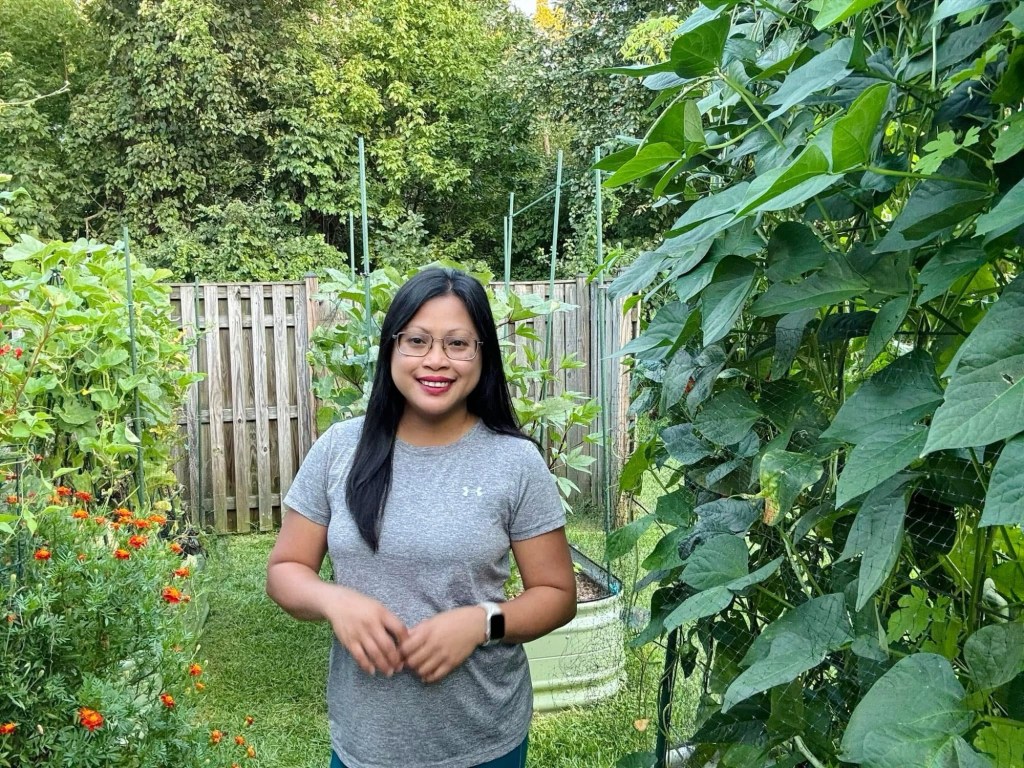
You’ll be surprised how much you can grow in a small space if you can craft a plan that can help you maximize your garden, no matter how small it is. I’ve done it in my own garden, despite my limitations. Yes, small space gardeners have challenges to combat but there are strategies you can apply to maximize your garden yield and planning your garden can help make that possible.
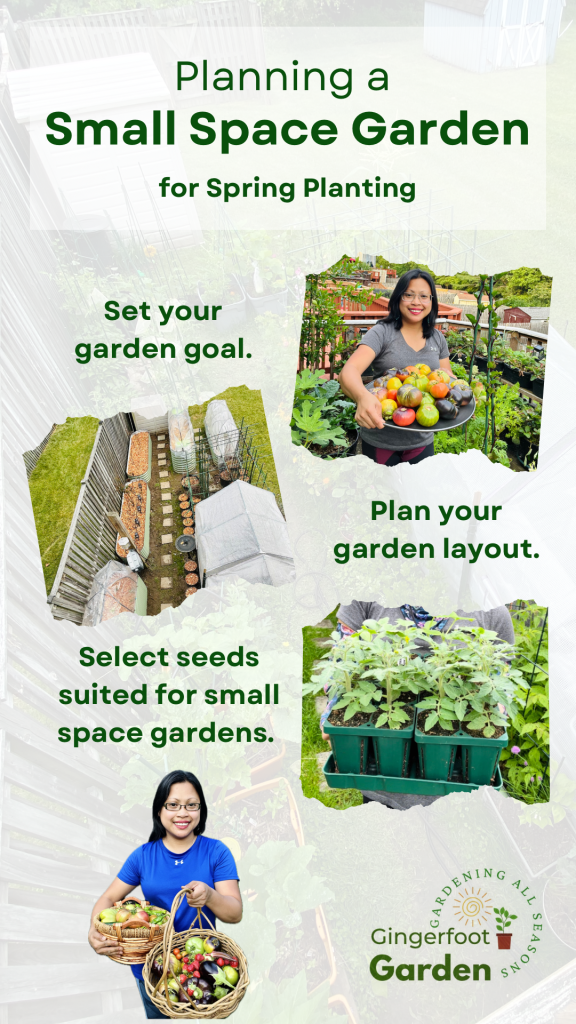
Importance of planning a garden
Planning a small space garden can optimize your garden productivity and can help you succeed with your garden goals. It allows plants to have enough space to thrive without competing for nutrients and becoming overcrowded. It enables you to provide adequate sunlight for each plant, taking into consideration their varying needs. By doing this, you can properly prepare the soil, manage nutrient levels, and enhance soil fertility for optimal plant growth. Additionally, you can implement strategies to improve disease management, accessibility of tools and equipment, while also developing a beautiful garden aesthetics that fits a small garden space. Knowing when and where to plant can streamline your gardening activities and help you achieve your specific goals, whether it be growing your own food, creating a relaxing retreat, or attracting pollinators. Planning can help you achieve a garden that fulfills your needs and wants.
Before I dive into the steps of garden planning. I highly recommend preparing your garden space for the upcoming growing season. If you haven’t yet, I encourage you to start clearing your garden beds and replenishing your soil to prepare for planting. This will help you get a better view and a clean slate to plan for a productive garden in the coming season. If you’re a beginner gardener, I encourage you to gather all your materials and start preparing your planting space.
3 Steps in Planning a Small Space garden for Spring
- Set your Garden Goal
By having a clear understanding of your garden goal, you are able to create a garden space that is perfectly aligned with your vision and meets your needs. This sets a strong foundation for a successful and enjoyable gardening experience, regardless of whether you are a seasoned or a beginner gardener. Defining your garden goal allows you to create a garden that reflects your values and satisfies you.
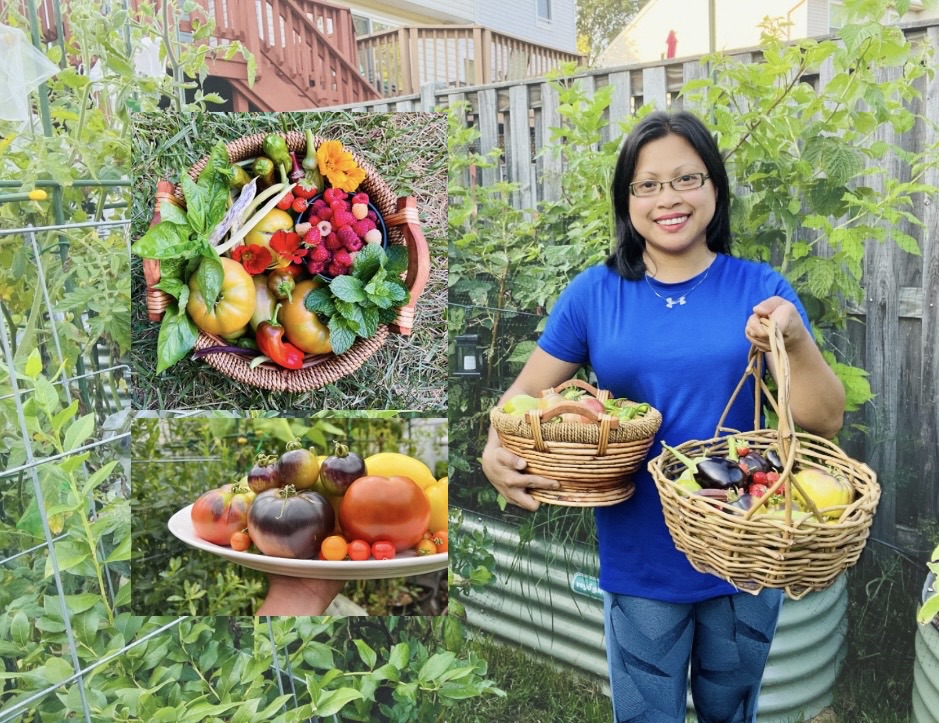
It is important to be specific and realistic about your goal. As a vegetable gardener, I prioritize planting crops that my family will consume to prevent waste of space, time and energy. To achieve this, I carefully consider the varieties that we enjoy and need the most. I focus on growing edible plants but I also make room for flowers for beneficial insects, and pollinators to improve the garden’s overall health and productivity.
Feel free to share your garden goal for this year in the comments below.
- Plan your garden Layout
When designing your garden layout, it’s important to take into account the spacing and sunlight requirements of your plants. You should start by assessing your garden space, including its size, shape, and existing features. Allocate space for both vegetable beds and flowering plants, as well as functional areas like seating or composting. It’s also important to consider both aesthetics and functionality. For example, garden structures like trellises and arches can serve both a functional purpose and create a visually appealing design. Utilize sketching or design softwares to help you visualize your garden layout and plan everything accordingly.
When planning your layout, there are a few things to consider for a small space garden to ensure healthy plant growth.
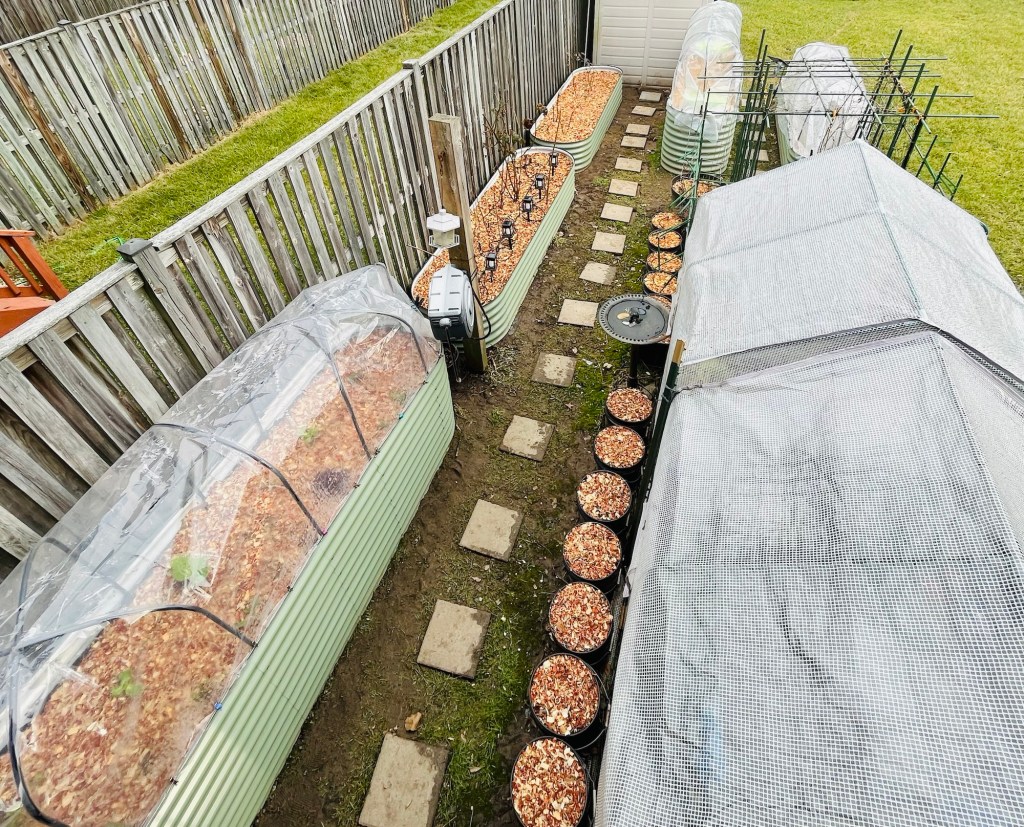
Firstly, crop rotation. Consider rotating crops whenever possible but be mindful of the plant’s accessibility to sunlight. While it’s helpful in preventing diseases and pests that target specific plants while maintaining soil fertility, it can be challenging to practice it in a small space garden. Rejuvenating and replenishing the soil as well as multicropping can help mitigate the issues that come with not being able to practice crop rotation due to space limitations.
Secondly, microclimates. It can be utilized to optimize growing conditions for plants, extend the growing season, and increase garden productivity. A microclimate in the garden is an area that due to its situation in the landscape may be warmer or colder than the rest of the space in the garden. The structures and design in the garden can contribute to microclimates so make sure to observe and use them to your advantage.
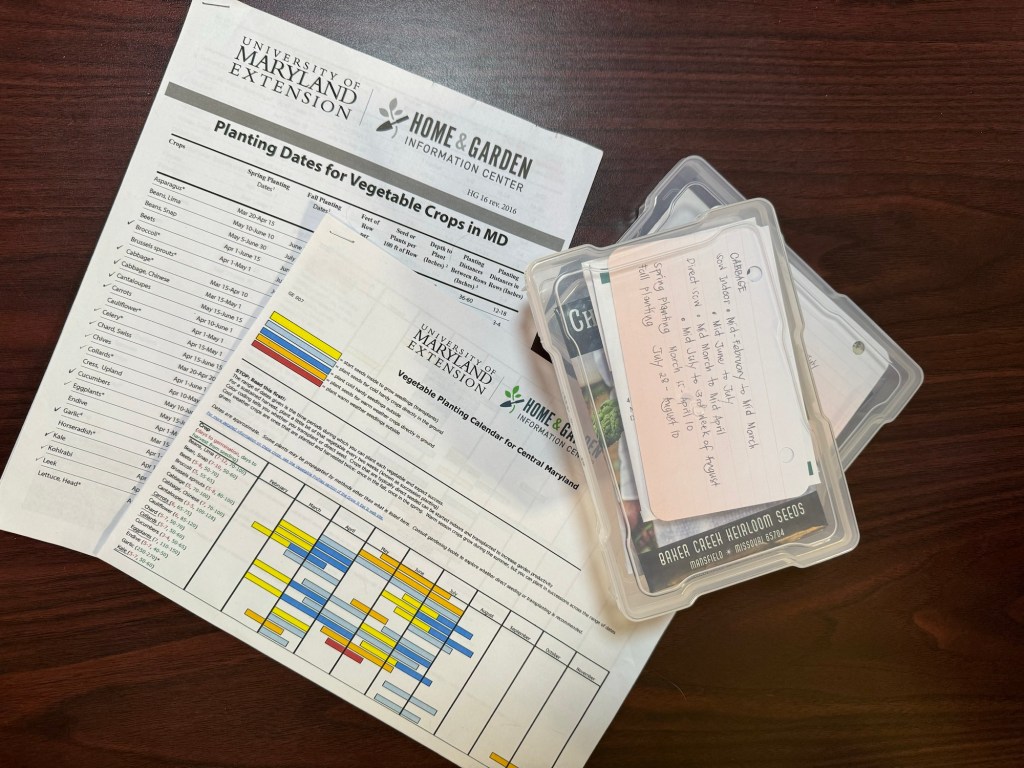
Finally, develop a sowing and planting schedule. If you live in colder climates, starting the seeds indoors can give them a head start. You can use the back of your seed pockets to figure out a good timeline for sowing seeds, taking into account the amount of time needed for germination and transplanting. You can also download a planting calendar from your local extension website to guide planting in your region based on the average first and last frost dates and the overall weather conditions.
- Select Varieties for Small Space Gardens
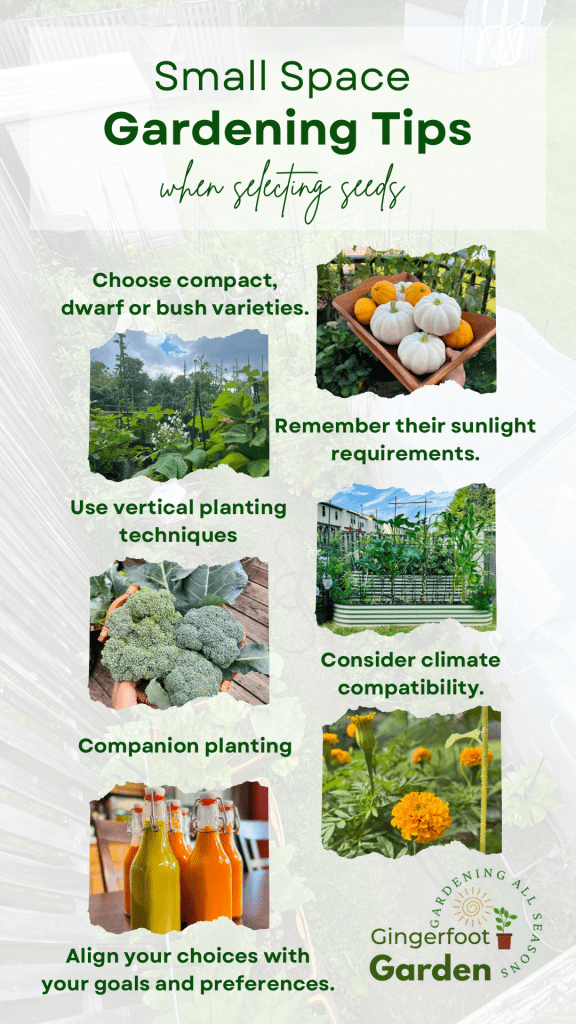
When selecting seeds, there are several factors to consider in order to increase the chances of success in a small space garden. Take into account the size of your garden and how many plants it can accommodate at their mature stage.

Choose compact, dwarf or bush varieties of vegetables. Opt for container-friendly options.
Plan to use vertical planting techniques instead of allowing plants to sprawl and use bigger spaces.
Companion planting is also a great technique to use, as it allows you to take advantage of the plants that mutually benefit each other when planted together.
Of course, on top of the tips mentioned above, climate compatibility is another thing to keep in mind, as it’s important to choose seed varieties that will thrive in your local climate and soil conditions. Consider the frost dates and overall weather conditions in your region.
Additionally, make sure to think about the sunlight requirements of the plants. Some plants thrive in full sun, while others prefer partial shade. It’s important to ensure that you can provide the necessary sunlight requirements for optimal growth and productivity.
Lastly, align your seed selection with your goals and personal preferences. Whether you want to grow vegetables, herbs, or flowers, make sure to choose seed varieties that match your preferences and needs.
Planning a small space garden for success can be very rewarding. Don’t let space limitations stop you from growing your own food and attaining your goal to be sustainable. Be realistic, be gracious to yourself when things don’t go as planned and embrace flexibility.
Feel free to share your goals for the next growing season in the comments below.








 Gingerfoot Garden
Leave a comment