
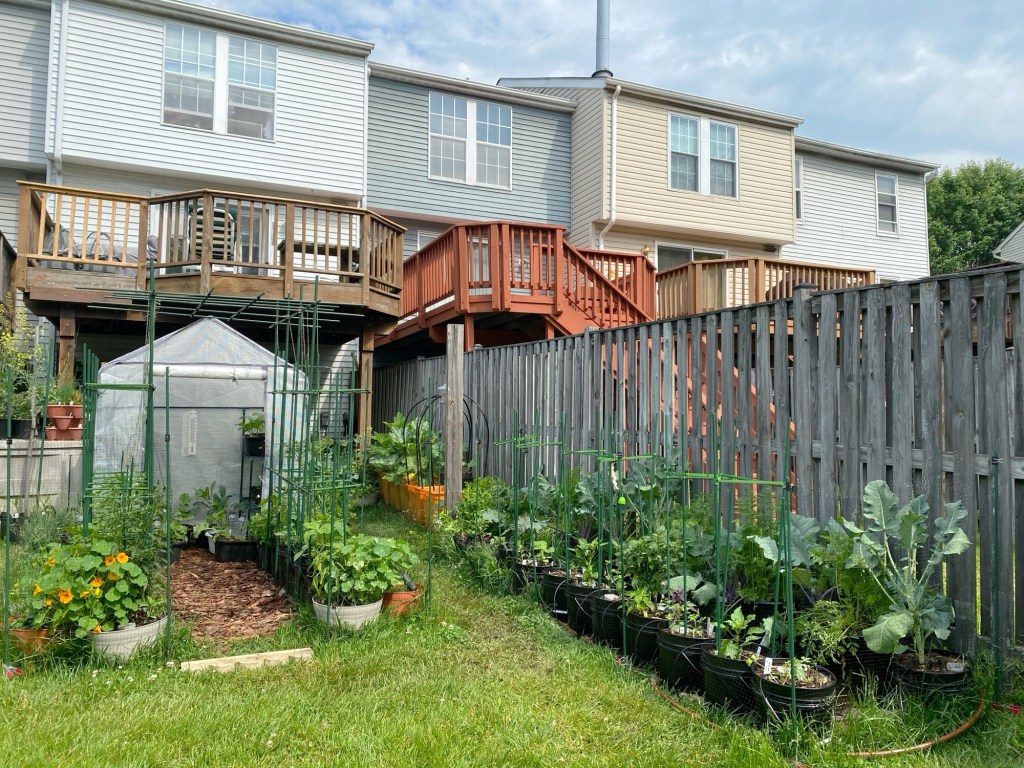
The food supply and health issues that we are facing all over the world is one of the reasons gardening is gaining popularity. A lot of families are looking for ways to be self-sufficient and have an easy access to organic food.
There is no doubt that the initial cost of starting a garden could be overwhelming. I myself have faced that dilemma at the beginning. Container gardening, however, made that more economically possible. Whether you have a big space in your yard to grow your own food or you only have a balcony, I still recommend starting with a container garden.
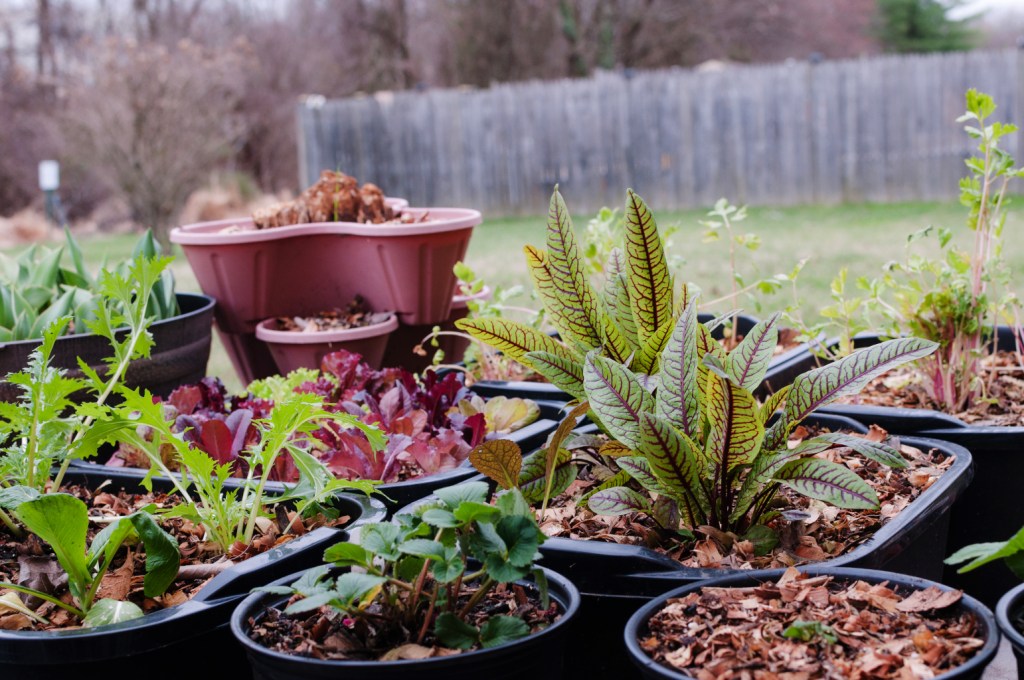
Why start with Container Garden?
- It is manageable. There’s a learning curve in gardening. You’ll have to get in the routine of nurturing the plants and learning how to grow successfully. All of that could become dreadful to learn all at once. If you start big right away, you are most likely going to be overwhelmed by all the responsibilities that comes with gardening.
- It gives you a wiggle room for mistakes. Every gardener, seasoned or not, failed at some point. We often call them experiment or learning experiences. There will be times where you will be disheartened. If you have tried it all and found out that gardening is really not for you, it will be a lot easier to let go because the commitment isn’t as high.
Container gardening is a method of growing plants in pots, containers, or other suitable vessels instead of planting them directly in the ground. It’s a versatile gardening technique that allows people to cultivate various plants, including flowers, herbs, vegetables, and even small trees, in limited spaces like balconies, patios, or small yards. Container gardening offers more control over soil quality and location, making it accessible to urban and space-constrained gardeners.
Types of Containers for Gardening
There are various types of containers that you can use for gardening. Here are some common options:
- Plastic Pots: Lightweight and affordable, plastic pots come in various sizes and colors. They retain moisture well but can deteriorate over time from sun exposure.
- Terracotta Pots: These clay pots are porous and allow for good airflow to the roots. They provide a classic look but can dry out quickly and may break in freezing temperatures.
- Wooden Planters: Wooden containers add a natural, rustic touch to your garden. Cedar and redwood are resistant to decay, making them suitable for outdoor use.
- Concrete Planters: Durable and heavy, concrete planters are ideal for larger plants. They can withstand harsh weather but are not easy to move.
- Metal Containers: Metal options like galvanized steel or iron can give a modern, industrial look to your garden. Be cautious of rust and overheating in direct sunlight.
- Hanging Baskets: Perfect for trailing plants and flowers, hanging baskets are suspended from hooks or brackets. They’re great for maximizing vertical space.
- Window Boxes: These narrow containers are designed to be mounted beneath windows, providing a charming and space-saving option for flowering plants.
- Self-Watering Containers: These containers have a reservoir that stores water, reducing the frequency of watering and helping prevent overwatering.
- Fabric Grow Bags: Lightweight and portable, fabric grow bags are breathable and promote healthy root growth. They are ideal for growing vegetables and herbs.
- Recycled Containers: Get creative by repurposing items like old boots, buckets, or barrels for container gardening. Ensure they have proper drainage.
- Vertical Planters: Vertical gardening systems, like pocket planters or living walls, allow you to grow plants upward, saving horizontal space.
- Ceramic and Porcelain Pots: These pots offer decorative options and are available in various colors and designs. However, they may be prone to breakage.
The choice of container depends on your gardening needs, style preferences, and the specific plants you want to grow. Make sure the containers have adequate drainage and are suitable for the climate in your area.
How to Turn Containers into Planters
You can turn just about any container into planters and take advantage of what you already have at home. It’s also a great way to repurpose containers and minimize the waste in the landfill.
To turn any container into a planter, follow these steps:
- Choose a Suitable Container: Select a container that is the right size for the plant you want to grow. Ensure it has drainage holes at the bottom to prevent waterlogging. I recommend using food safe and UV treated materials to prevent any contamination.
- Prepare for Drainage: If your container lacks drainage holes, drill or create some using a hot nail, drill or similar tool. Adequate drainage is crucial for plant health.
- Use Quality Potting Mix: Fill the container with a high-quality potting mix appropriate for the type of plants you want to grow. Make sure it’s well-draining and sterile.
- Plant Your Selection: Plant your chosen flowers, herbs, or vegetables, following the planting depth and spacing recommendations for each specific plant.
- Water Appropriately: Water your plants, making sure that excess water can escape through the drainage holes. Be mindful not to overwater, as containers can dry out or become waterlogged more quickly than garden soil.
- Position Properly: Place your container in an appropriate location that receives the right amount of sunlight for the plants you’re growing.
- Maintain Regularly: Keep an eye on your container garden, ensuring it’s well-watered and free from pests. Fertilize as needed based on your plants’ requirements.
- Repot When Necessary: Some plants may outgrow their containers. When this happens, consider repotting them into a larger container or dividing them.
By following these steps, you can transform almost any container into a thriving planter for your favorite plants.
Benefits of container gardening?
1. Space Flexibility
It’s ideal for small spaces like balconies, patios, or urban areas where traditional garden beds are not feasible.
2. Control
You have greater control over the soil quality, which is beneficial for specific plants with particular requirements.
3. Less Weeding
Containers often have fewer weeds compared to open garden beds, making maintenance easier.
4. Mobility
You can move containers to optimize sunlight or protect plants from harsh weather.
5. Aesthetics
Container gardens are visually appealing and can enhance the overall look of your outdoor space. You could easily create a pleasing visual appeal by combining different heights of pots.
6. Accessibility
Easier access means less bending and kneeling, making it suitable for individuals with physical limitations.
Location Flexibility

Drawbacks of container gardening?
1. Limited Space
Smaller containers limit the number and size of plants you can grow.
2. Watering Challenges
Containers can dry out quickly, requiring frequent watering, and overwatering can be a problem if drainage is inadequate.
3. Soil Constraints
The limited amount of soil can restrict root growth and nutrient availability for some plants.
4. Cost
Setting up a container garden can be more expensive due to the need for pots, soil, and drainage materials.
5. Overwintering
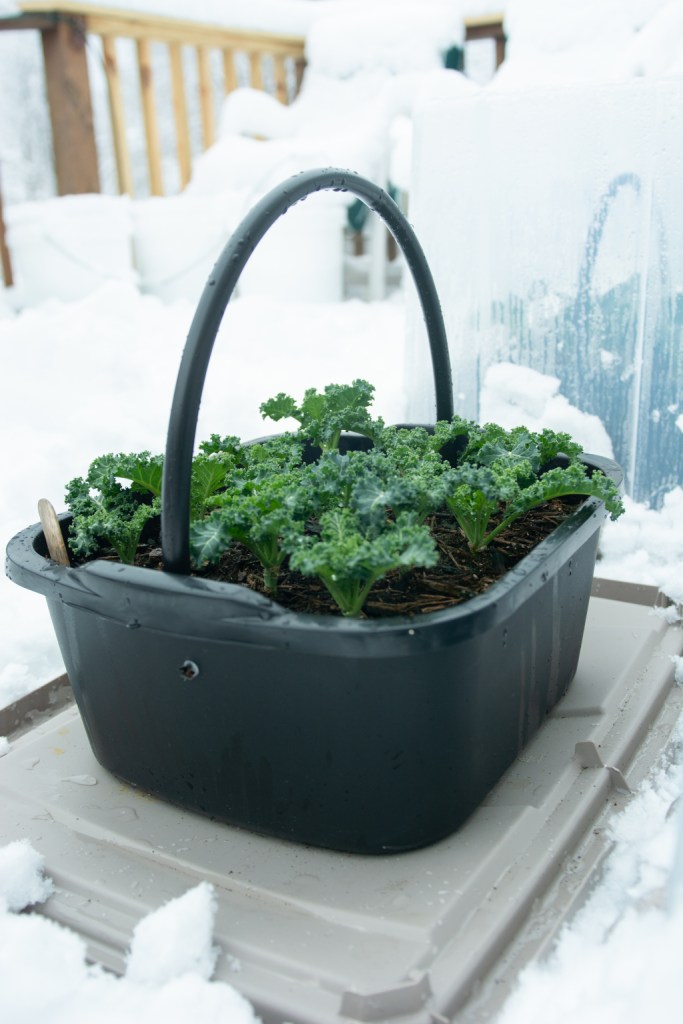
Some plants may not survive harsh winters in containers, necessitating winter protection or storage.
6. Maintenance
Containers require regular attention, including repotting as plants grow, and they may be more susceptible to pests and diseases.
7. Heat and Insulation
Containers can heat up or cool down more quickly than garden soil, potentially stressing plants in extreme weather.
I am a big fan of container gardening especially if you are just learning how to grow your own food.
Overall, container gardening is a versatile and attractive option for many gardeners, but it does come with limitations and additional considerations compared to traditional in-ground gardening. The choice between the two depends on your space, preferences, and the specific plants you want to grow.



 Gingerfoot Garden
Leave a comment