
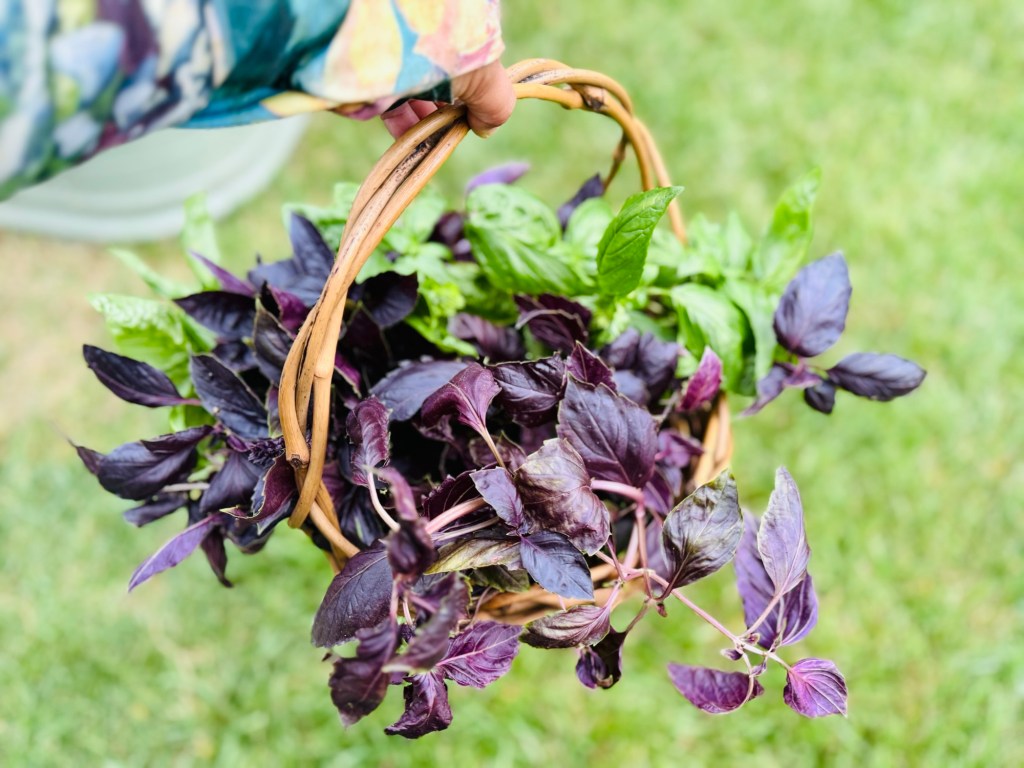
I remember buying basil from the grocery store only to find it turning brown after a couple of days. The leaves just don’t last very long in the fridge. What if I tell you that they are very easy to grow in containers and propagate? Once you grow basil yourself, you can harvest and enjoy it fresh, which smells and tastes nothing like the bottled dry basil.
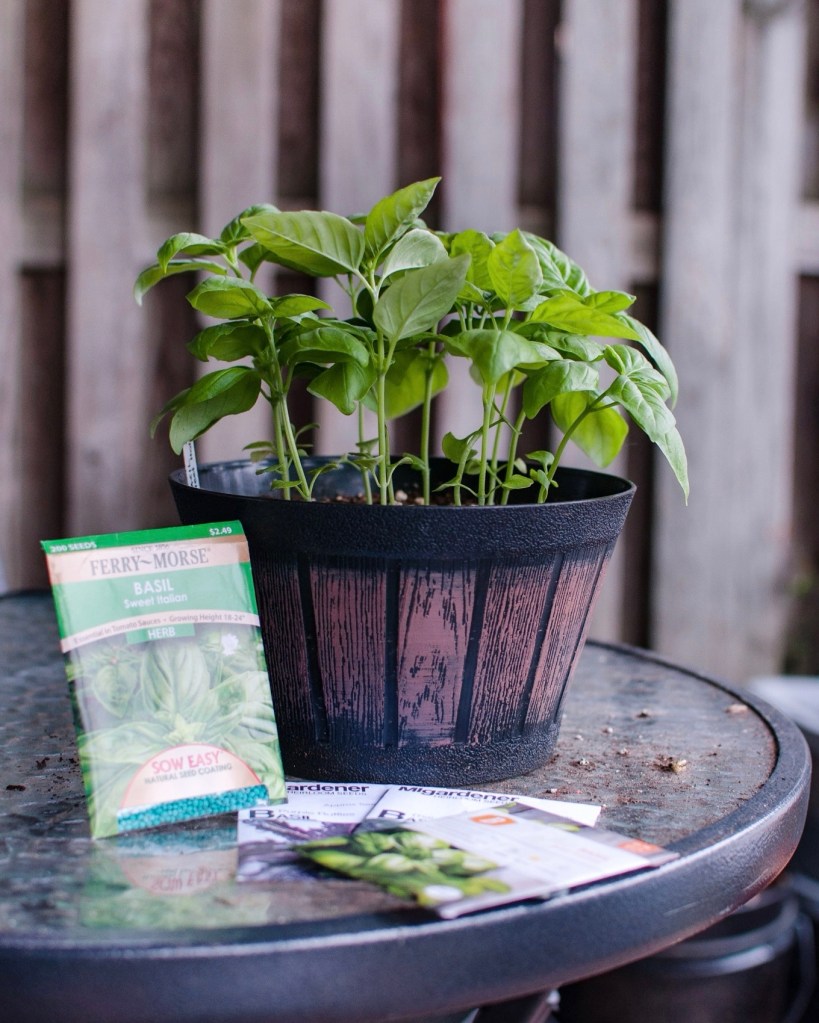
Basil is a type of herb that loves the warm weather. It is a tender annual that couldn’t tolerate frost. It belongs to Lamiaceae (aka Labiatae) family, which are flowing plants cultivated for their aromatic properties. It’s in the same family as mint, sage, and other herbs.

Basil is known for its aroma and delicious smell. There are a few varieties that you can grow, such as Sweet Genovese, Red Rubin, Purple Ruffle, and Thai. They are all fantastic varieties to grow if you like a good assortment. The green varieties are great for pesto, stir fries, and soups while the purple variety is normally used as a garnish for a beautiful food presentation.
Basil is not only popular among home gardeners for its culinary purposes but also for pest control and management. It’s one of the best companion plants for tomatoes and peppers. It can help prevent or minimize pests and it can invite pollinators when they flower.

Tips on Growing Basil in Containers
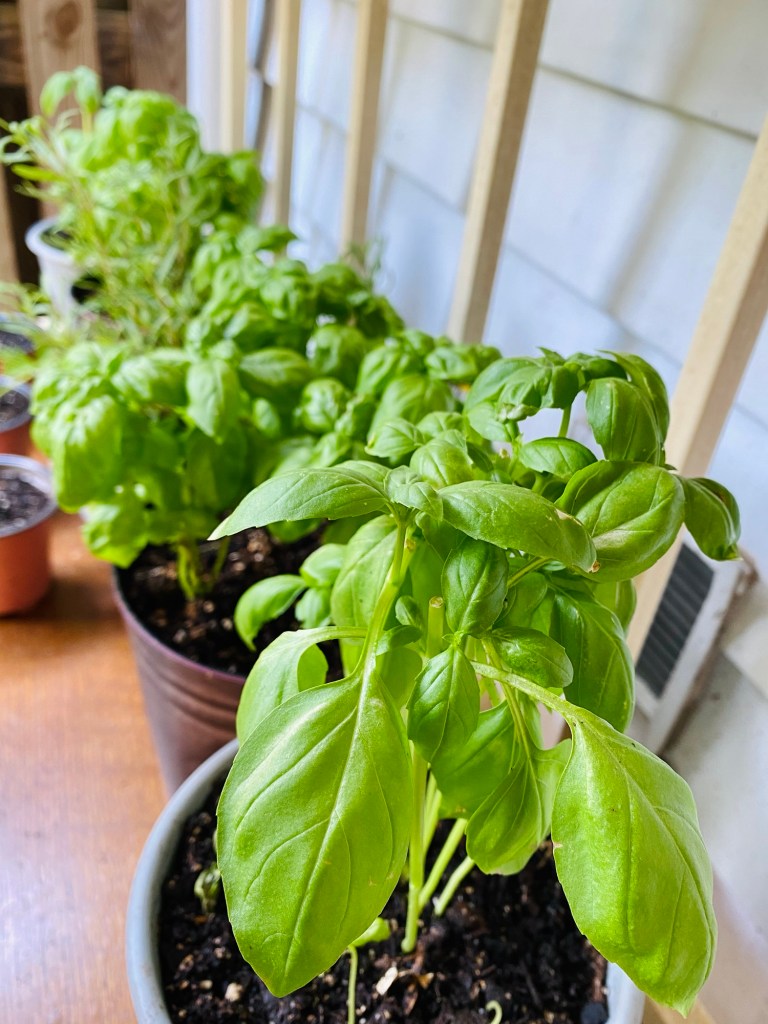
Basil plants are container-friendly, which makes it a perfect plant to grow in small space gardens. Here are a few tips to consider in growing basil:
1. Select a pot with good drainage to prevent waterlogged soil. I also recommend pots that can retain moisture like plastic or ceramic as opposed to terracotta or fabric pots. In my experience you can grow multiple plants in containers as small as 1/2 gallon pots, however, they will dry out quickly once the plant becomes more mature.
2. Use a good quality potting mix that can retain a good amount of moisture and well-draining.
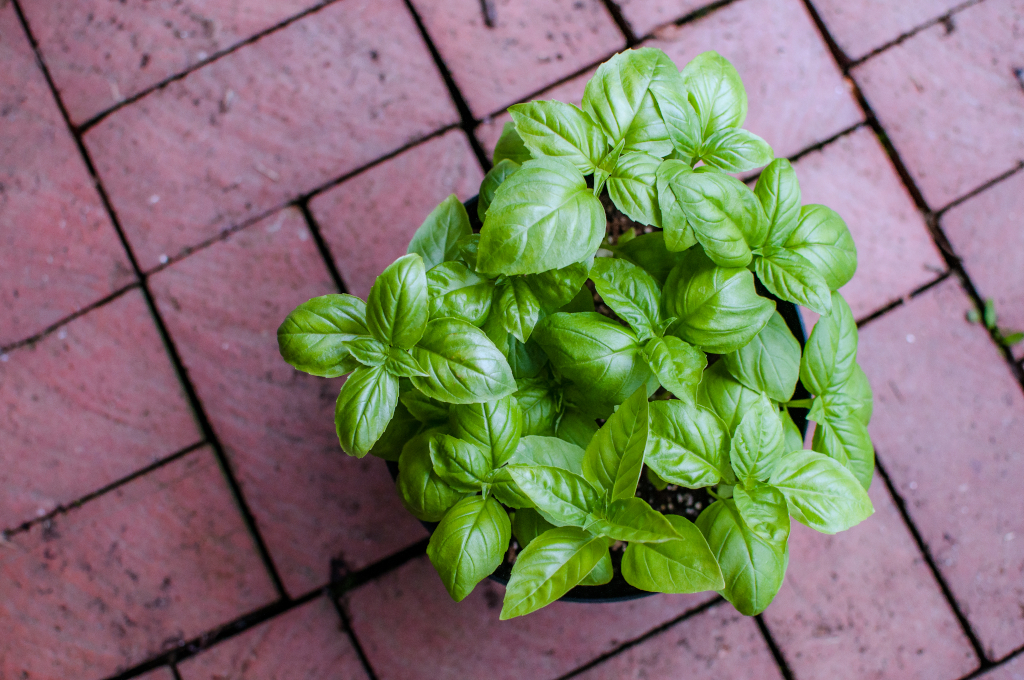
3. Keep the soil consistently moist but not waterlogged. Water when the top inch of soil feels dry.
4. Grow them in partly shaded locations. Although they like the warm weather, intense sunlight burns the leaves of basil. They do well with a couple of hours of sunlight in the morning and shade at noon. You can plant them under the canopy of taller plants like tomatoes for companion planting. You can also place the potted basil in a spot where most plants won’t survive a partial shaded location.
5. Harvest regularly to encourage growth. Don’t be shy when you harvest. They grow pretty fast and it helps with maximizing the production if you’re harvesting often.

3. Unless you are growing basil for the pollinators, pinch the flowers to keep the flavor and aroma. You can designate basil plants for your consumption and some for pollinators to benefits from pest control and to optimize garden production.
Propagating Basil
I grow basil from seeds in late winter or early spring. From a few plants, I multiply them by propagating the cuttings. After the last frost in our area, I usually have plenty of propagated basil plants to transplant all over the garden for companion planting.
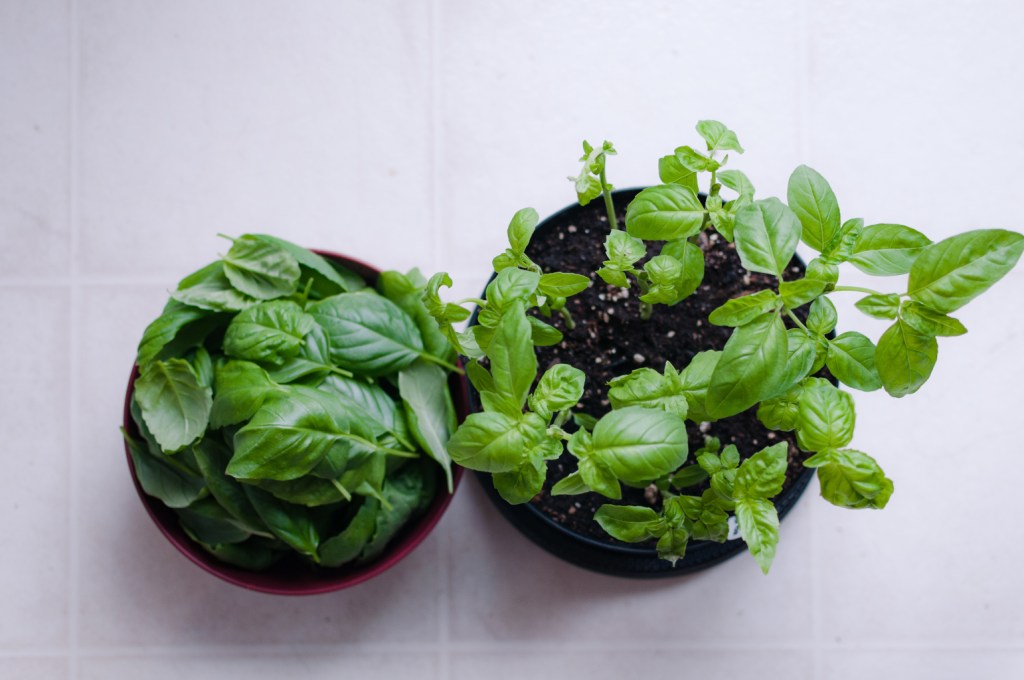
You can always sow more seeds for succession planting but the easier way to grow more basil is by propagation from cuttings. One plant could easily multiply into two or more plants that can guarantee plentiful harvests. There are two ways to do it:
1. By putting it directly in potting soil. You will see it wilt initially but as long as you can keep the soil consistently moist, it should survive and grow as a new plant.
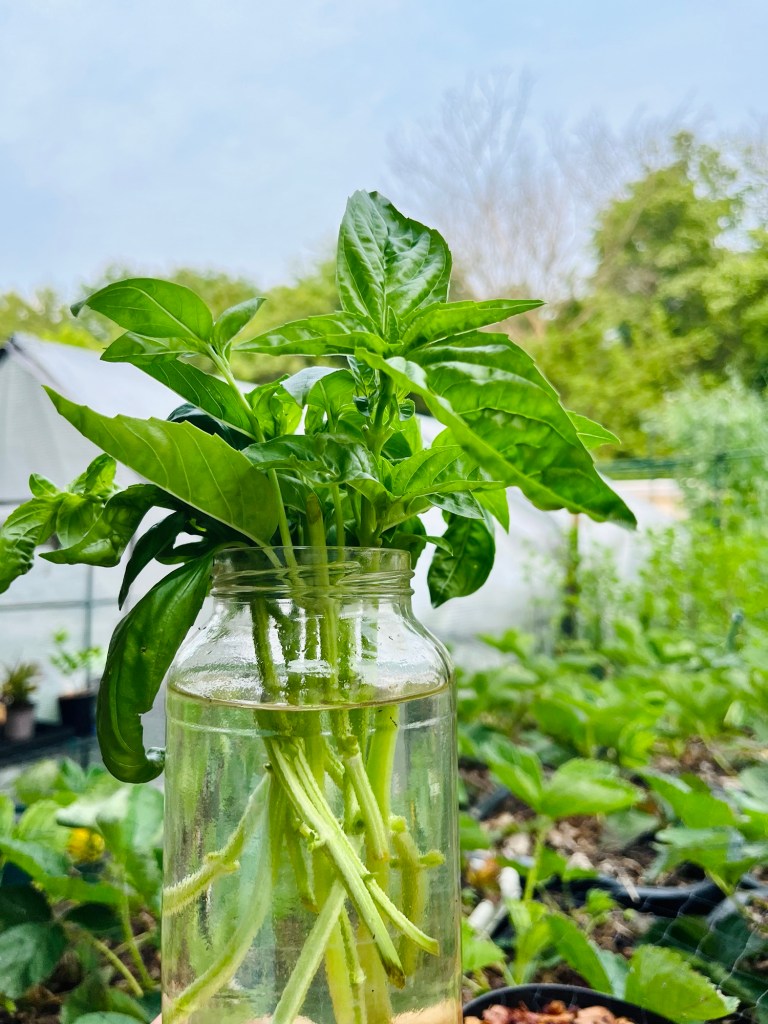
2. By letting it root in water. This is my favorite because I love watching the roots develop.
How to propagate basil from cutting:
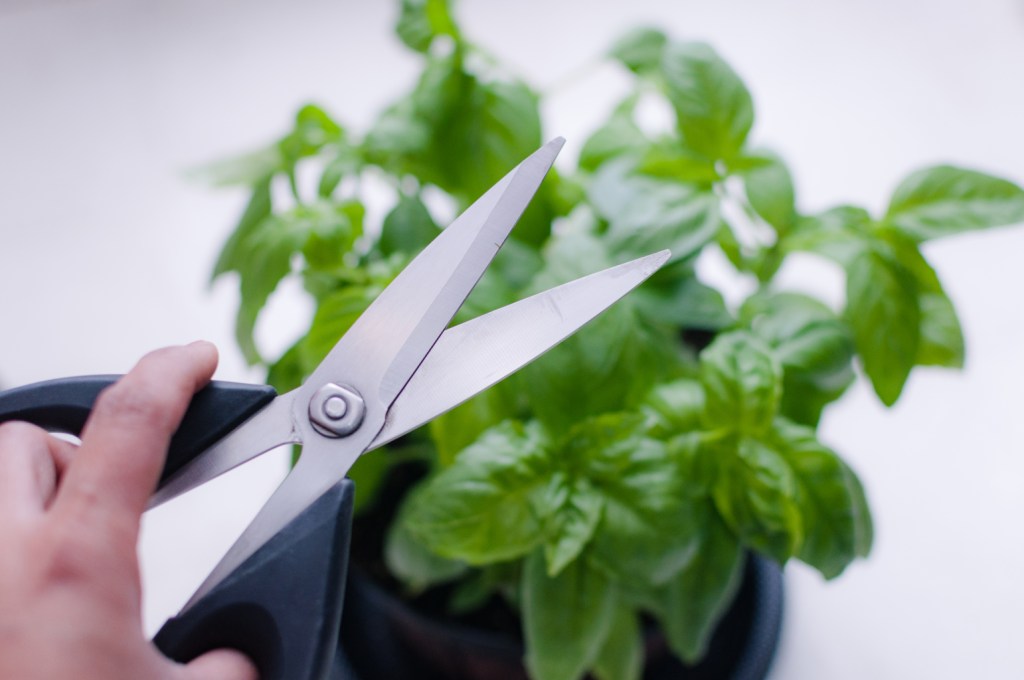
1. Cut a slightly mature stem. You want to make sure that you pick the stem that is firm but not woody. Not the soft flimsy stem either.
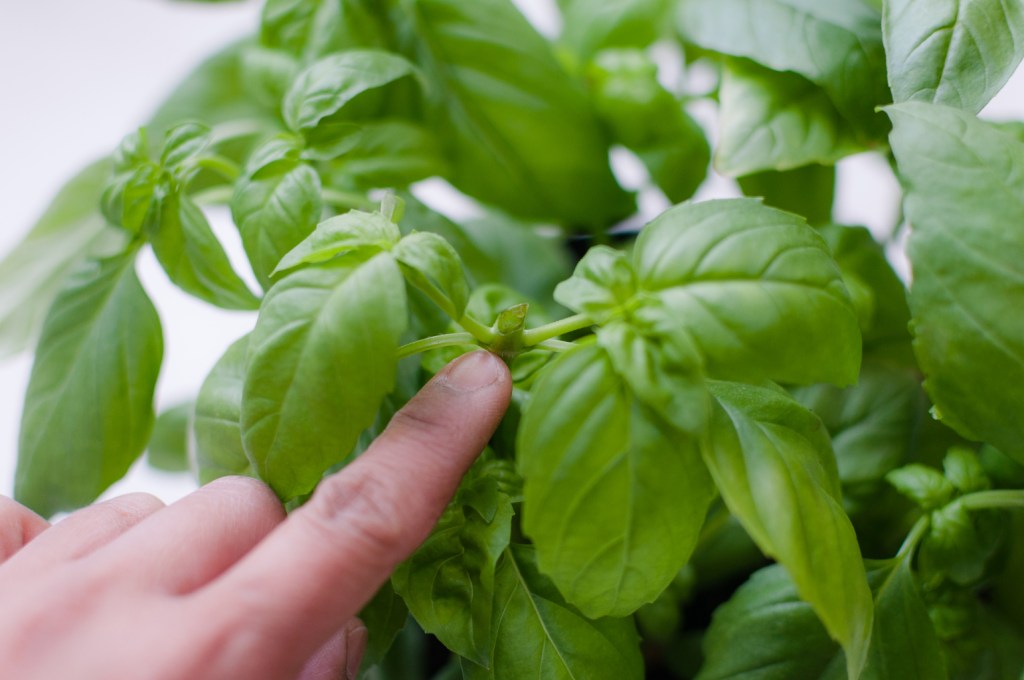
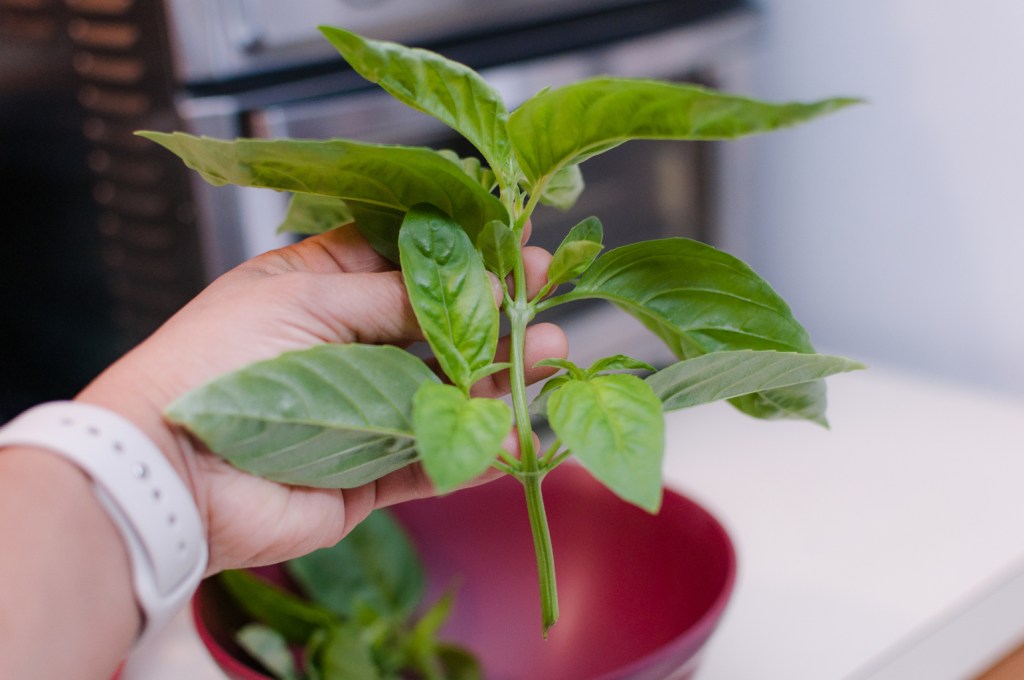
2. Remove most of the foliage and leave a couple of small leaves. Taking most of the leaves off helps focus the plants energy on developing roots instead of supplying food for the rest of the plant.
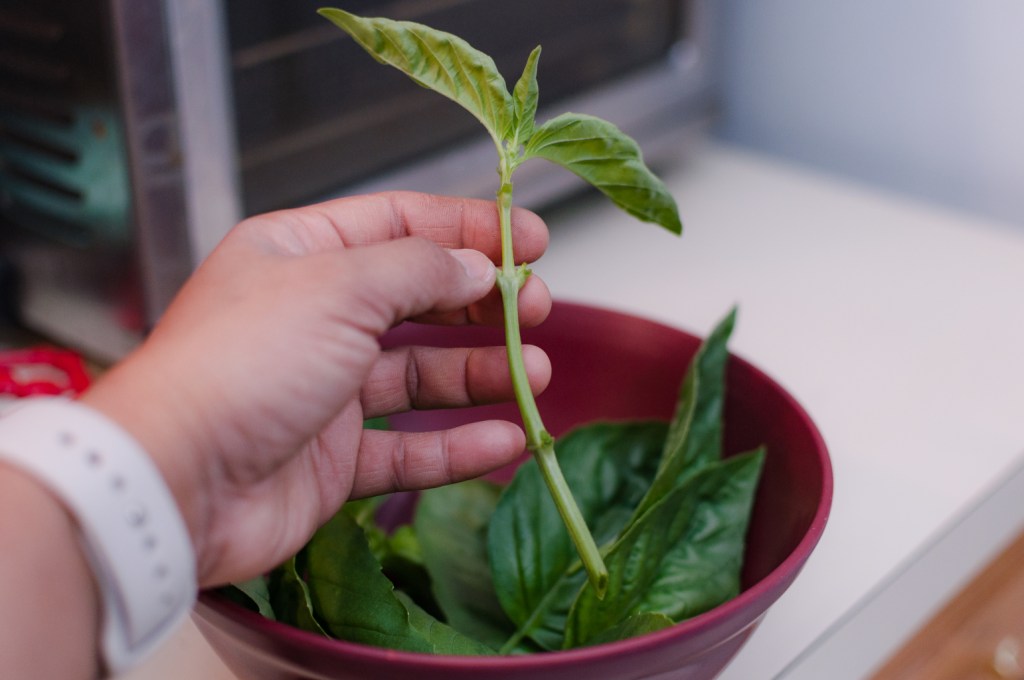
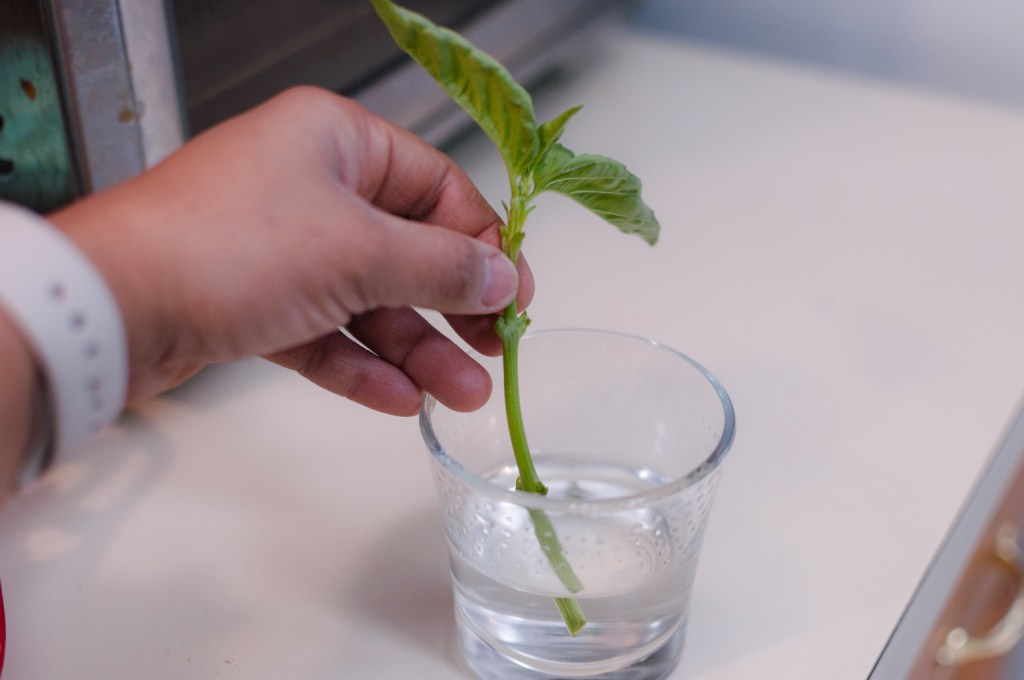
3. Soak the stem in water. Replace water when it becomes cloudy or forms algae. Place it in partly shaded area until it roots.

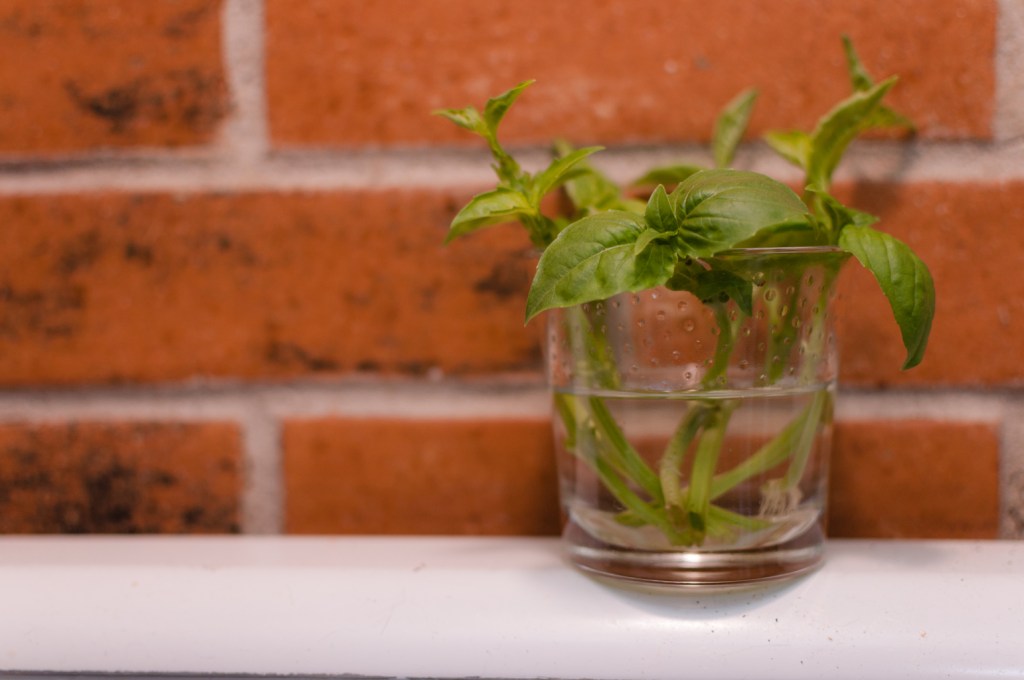
4. Once the roots form, you can plant it to a smaller pot or to its final location.
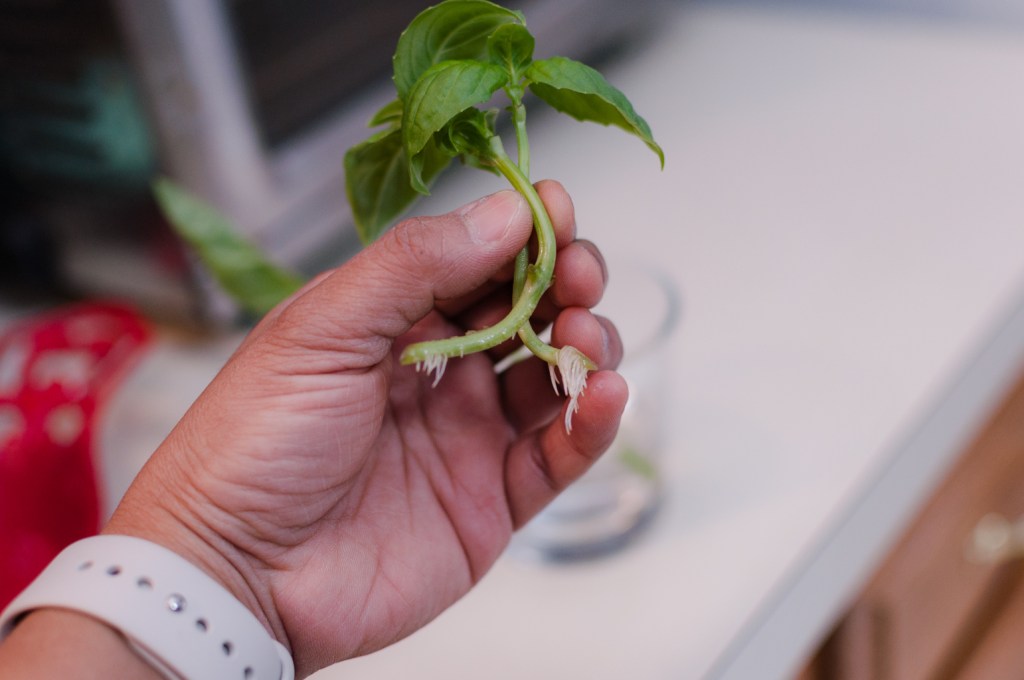
I love growing basil! It’s one of my favorite herbs. It’s very container-friendly and a great plant to start growing for a beginner gardener.
Let me know if I miss any growing tips for growing and propagating basil plants. Happy Gardening!



 Gingerfoot Garden
Leave a comment