
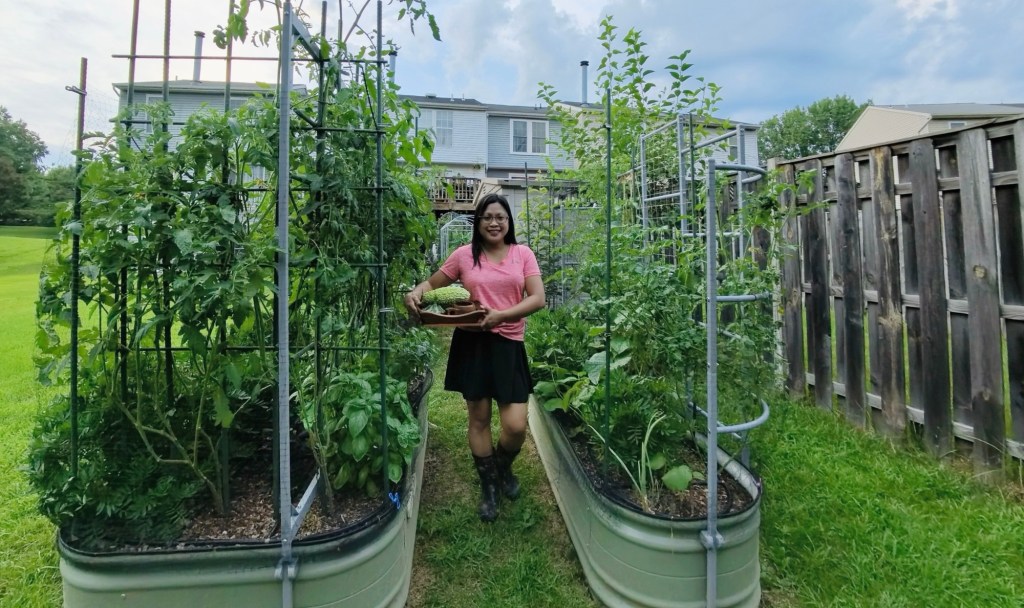
There was a time when I had no idea how to start a garden.
I didn’t know what to plant.
I didn’t know when to plant.
And honestly, I didn’t even know where to begin.
But I had a desire—a simple one. I wanted to grow my own food.
Not perfectly. Not in a big, beautiful backyard.
Just… something.
If you’re here, maybe you feel the same way.
Maybe you’ve been thinking about starting a garden but feel overwhelmed by all the information out there. Or maybe you’re worried you don’t have enough space, time, or experience.
Let me tell you this—
you can absolutely start a garden right where you are.
And in this post, I’m going to walk you through how to do it—step by step.
🌱 Start With Your “Why”
Before you buy anything or plant your first seed, pause for a moment and ask yourself:
Why do I want to start a garden?
Is it to save money?
Eat healthier?
Find peace after a long day?
For me, it was very personal.
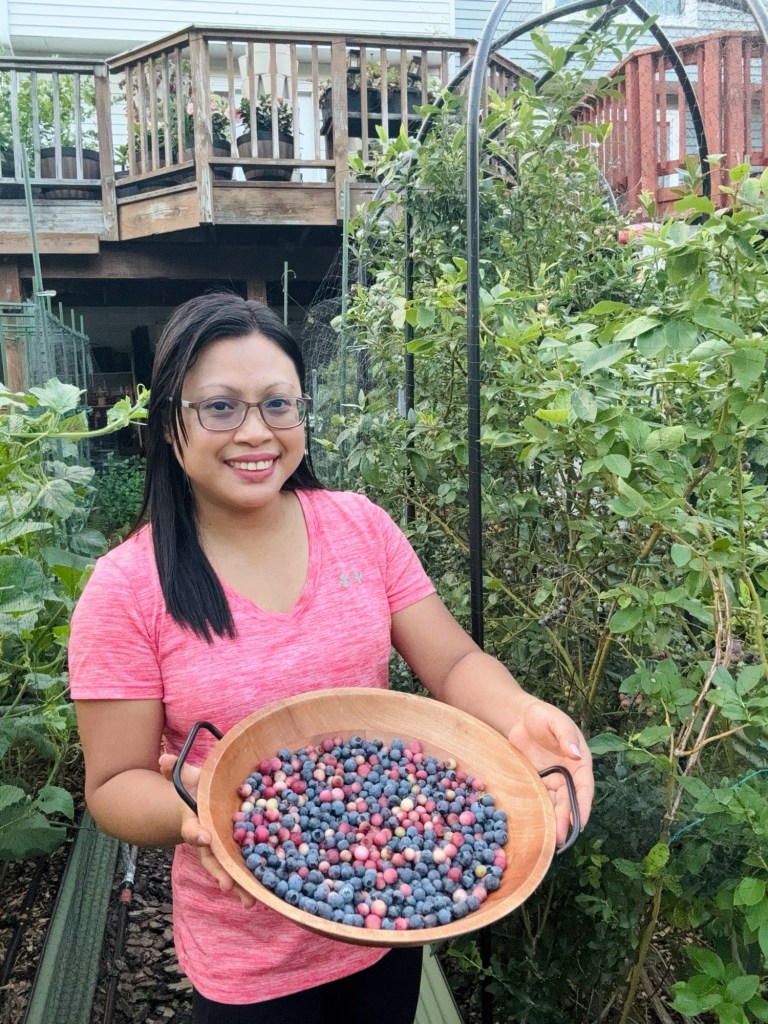
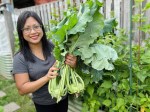
I wanted to grow vegetables that I grew up eating in the Philippines—things that were hard to find here, and when I did find them, they were expensive.
But it became more than that.
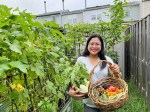
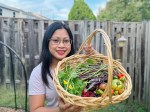
There’s something deeply satisfying about stepping outside and harvesting food from your own backyard. Knowing exactly how it was grown. Feeling a little less dependent on the system.
And over time, gardening became a place of peace for me.
Your “why” doesn’t have to be perfect—but it needs to be meaningful to you.
Because when things get hard (and they will), your “why” is what will keep you going.
☀️ Choose the Right Location
One of the most important things in gardening is sunlight.
Most vegetables—like tomatoes, peppers, and squash—need 6 to 8 hours of sunlight each day.
So take some time to observe your space.
Look at your backyard, patio, or balcony. Watch how the sun moves throughout the day. Where does the light hit in the morning? In the afternoon?
Even a small corner can work if it gets enough light.
And if your space is partly shaded, don’t worry. You can still grow crops like leafy greens, herbs, green onions, and ginger.
Also consider:
- A flat and accessible area
- Good drainage
- Close proximity to a water source
- Protection from strong winds
If possible, south or southeast-facing areas tend to get the best sunlight.
Location can truly make or break your garden.
🪴 You Don’t Need a Big Backyard
If there’s one thing I want you to remember, it’s this:
You don’t need a big backyard to start a garden.
Plants don’t need anything fancy. They just need soil, light, and water.
That’s it.
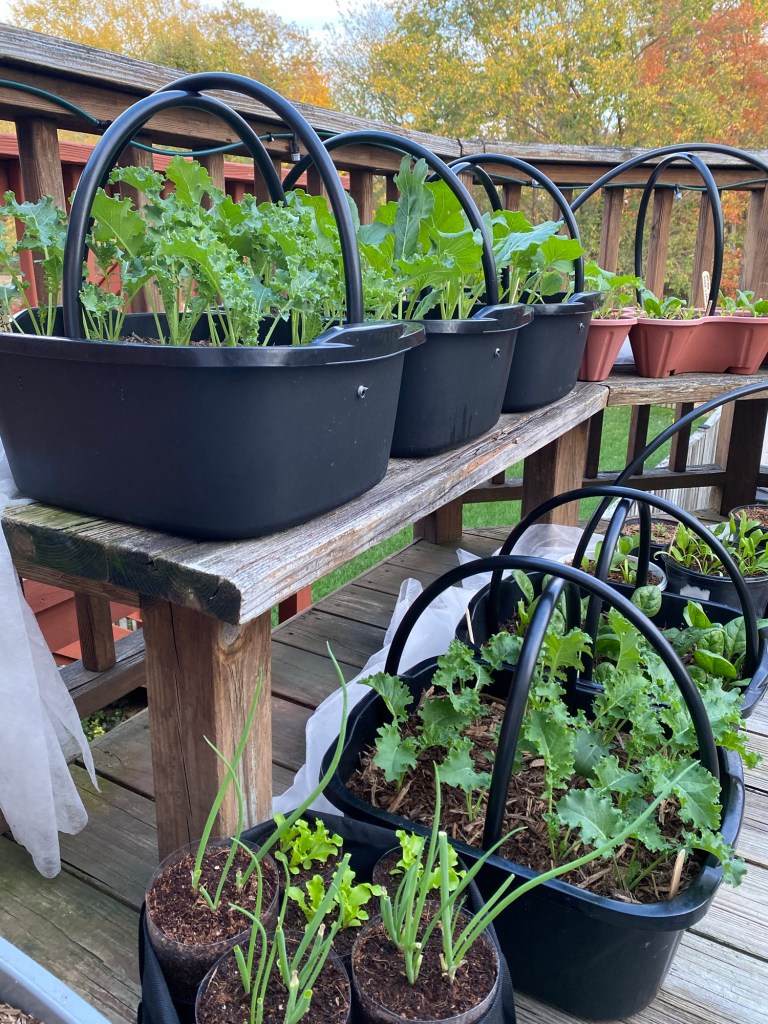
You can grow:
- In containers
- In raised beds
- Or directly in the ground
When I first started, I didn’t have anything fancy.
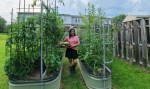
I used storage bins, 5-gallon buckets, dishpans, and even Dollar Tree pots. And guess what? They worked.
If you’re just starting out, container gardening is one of the best ways to begin.
It’s simple, flexible, and manageable.
Just make sure your containers have drainage holes—and keep in mind that they may need more frequent watering, especially in the summer.
Over time, I fell in love with raised beds because they:
- Improve drainage
- Help control soil quality
- Make gardening more organized
- And allow you to grow more in a small space
But no matter what you choose—start with what you have.
🌿 Start With Easy Crops
One of the biggest mistakes I made when I started gardening?
Trying to grow everything at once.
If you’re a beginner, keep it simple.
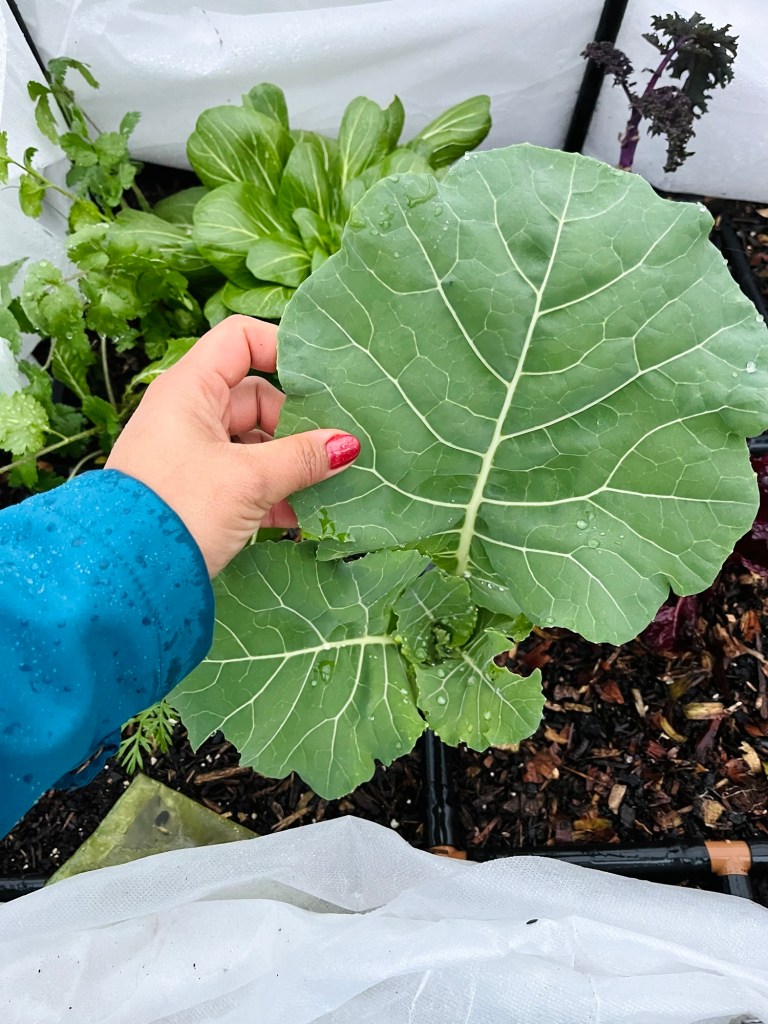
Start with easy, beginner-friendly crops like:
- Lettuce
- Kale
- Collards
- Radishes
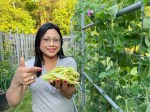
- Green beans
- Herbs
Pick one or two and focus on those.
This will help you:
- Learn how to care for your plants
- Understand your growing space
- And experience your first harvest
And trust me—that first harvest is something you’ll never forget.
Once you gain confidence, you can expand and try new crops.
Gardening is not a race. It’s a journey.
🌱 Seeds or Seedlings?
You have two options when starting your garden:
- Grow from seeds
- Or buy seedlings (young plants)
If you’re just starting out, I recommend starting with seedlings.
They’re easier, faster, and less overwhelming.
But once you feel more confident, learning how to grow from seeds opens up a whole new world.
Seeds are more affordable and give you access to a wider variety of plants—different colors, shapes, and flavors you won’t always find at the store.
There’s no right or wrong way here.
Choose what works best for your lifestyle.
🌾 Focus on Your Soil
This is something I noticed early on—
the gardeners I admire the most all focus on one thing:
The soil.
Because good soil makes all the difference.
Your plants get their nutrients from the soil, so if you take care of your soil, it will take care of your plants.
Start by:
- Adding compost
- Incorporating organic matter
- Mulching your garden
You can even start a simple compost system using kitchen scraps and garden waste—turning it into what many gardeners call “garden gold.”
Mulching is something many beginners overlook, but it’s incredibly important. It helps:
- Retain moisture
- Regulate soil temperature
- Protect beneficial organisms
Healthy soil = healthy plants.
💧 Watering & Consistency
A good rule of thumb is simple:
Water when the soil feels dry.
Don’t rely only on rain—always check your soil.
During the summer, especially with containers, you may need to water more frequently.
Make it a habit to check your plants daily.
Pay attention to what they’re telling you.
Because gardening isn’t about perfection—
it’s about consistency.
💛 Give Yourself Grace
You will make mistakes.
Plants will die.
Bugs will come.
Things won’t always go as planned.
And that’s okay.
That’s part of gardening.
I’ve been gardening for years, and I still learn something new every season.
Every mistake teaches you something.
Every season makes you better.
And every harvest?
It makes it all worth it.
🌿 Final Thoughts
Starting a garden from scratch doesn’t require perfection, a big space, or years of experience.
It just requires a willingness to start.
Start small.
Start simple.
Start where you are.
And watch what grows—not just in your garden, but in you. 💛
If you’re starting your garden this season, I’d love to know—what are you planning to grow?
Leave a comment below and let’s grow together 🌿



 Gingerfoot Garden
Leave a comment