
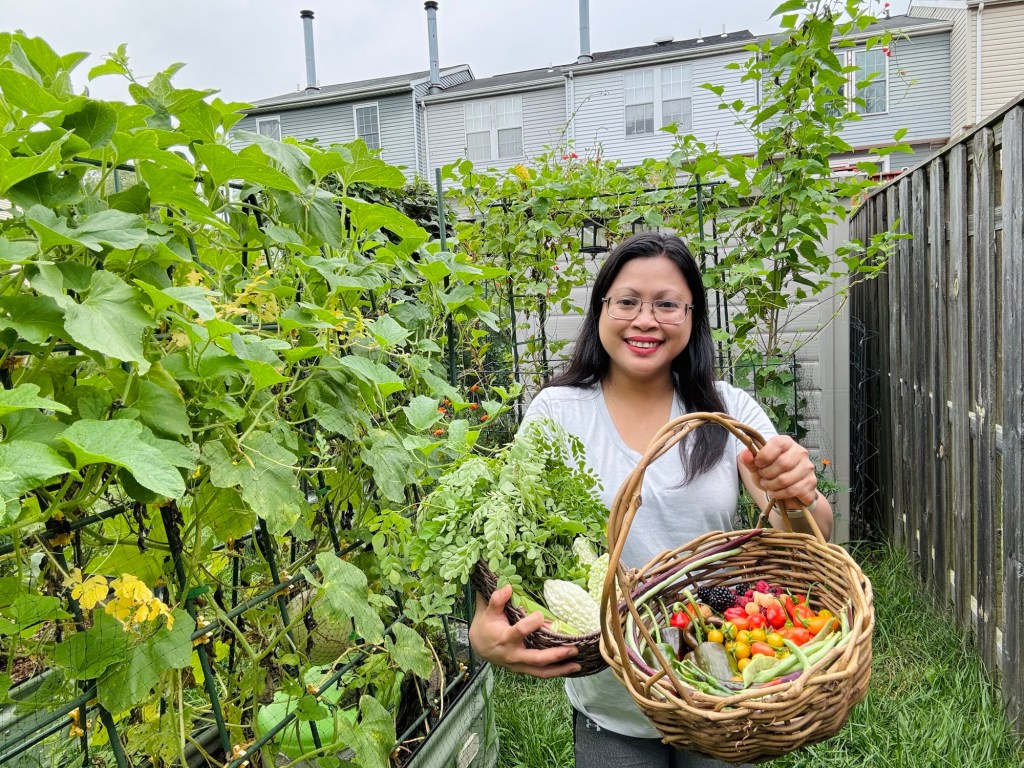
I’ll never forget the morning I walked out to my garden and just stood there in shock. The leaves of my plants were chewed, and my ripening tomatoes—ones I had been eagerly waiting for—were half-eaten and scattered on the ground. I had even put up a short net to keep deer and other animals out, but somehow, they still got in. The worst part? The fruit wasn’t even fully eaten—just ruined and wasted.

I also remember another time when I went out for a simple garden check and found my freshly planted strawberry starts completely dug up. Soil was flung everywhere, and the pots looked like a mess.
If you’ve ever experienced that kind of heartbreak in the garden, you’re not alone. I’ve been there too—and it’s what pushed me to find better ways to protect what I grow.
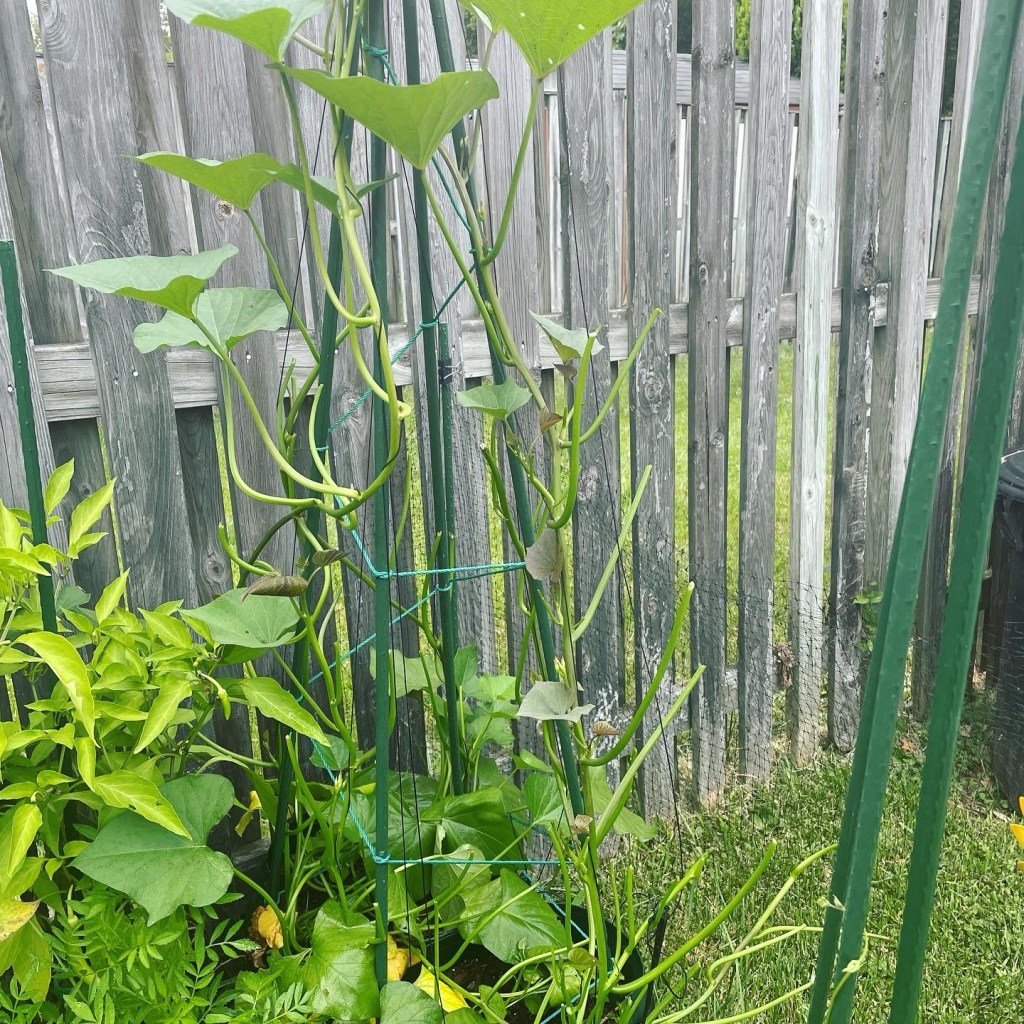
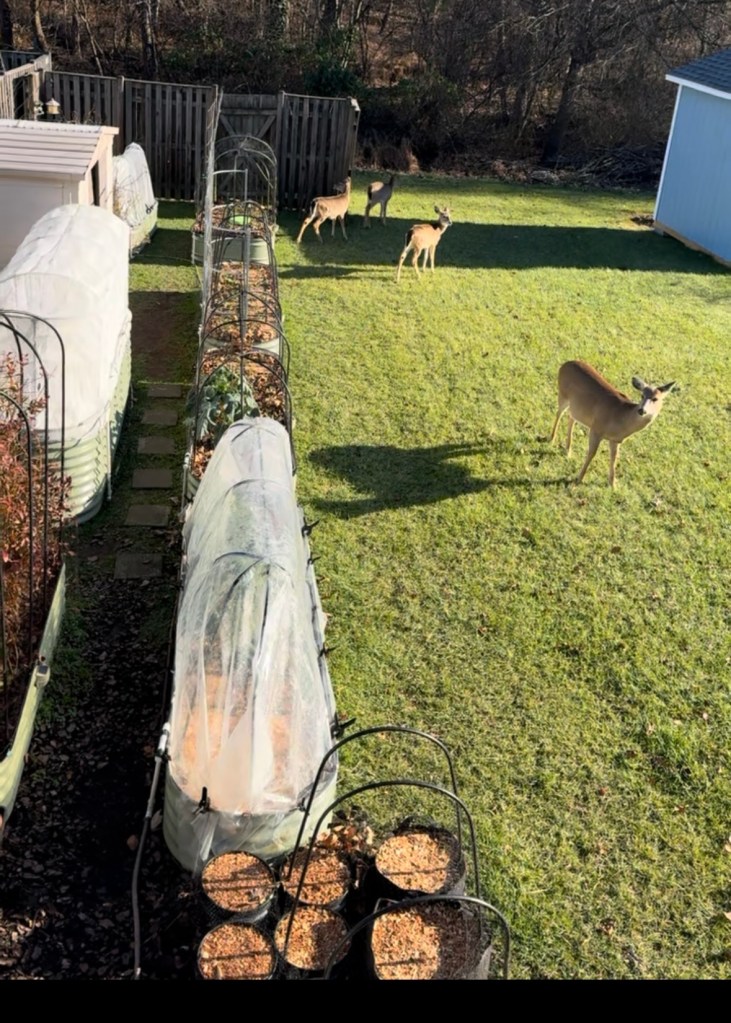
I garden in a small townhouse backyard in Maryland’s Zone 7. Right behind our home is a beautiful state park filled with wildlife—and while I love being so close to nature, it definitely comes with gardening challenges. Without a fully fenced yard, deer, raccoons, squirrels, birds, and even feral cats have easy access to my garden.
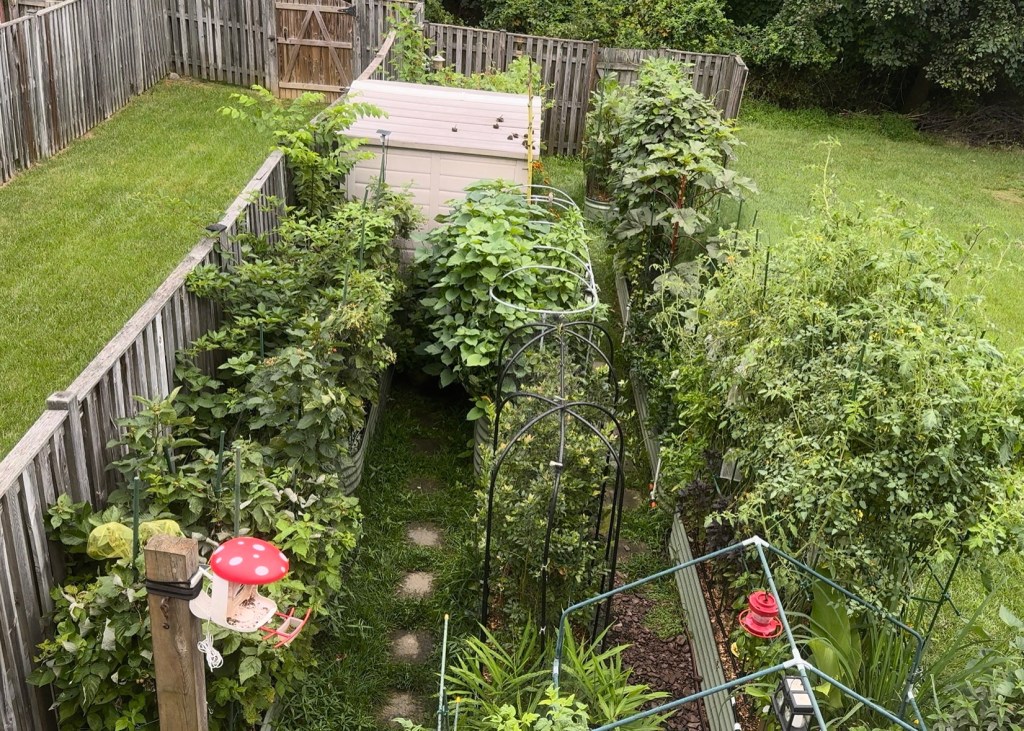
But instead of giving up, I got resourceful.
If you’ve ever felt defeated by wildlife damage in your garden, this post is for you. I’m sharing real strategies that worked for me—practical, affordable, and easy to adapt even in a small space. Let’s protect your harvest!
Why We Didn’t Have a Full Fence (And What I Did Instead)
Years ago, before I moved in, our yard had fencing on each side, thanks to our neighbors. My late mother-in-law even paid to have the back of the yard fenced. But over time, one side’s fence fell and was never replaced, leaving our backyard wide open—especially for animals.
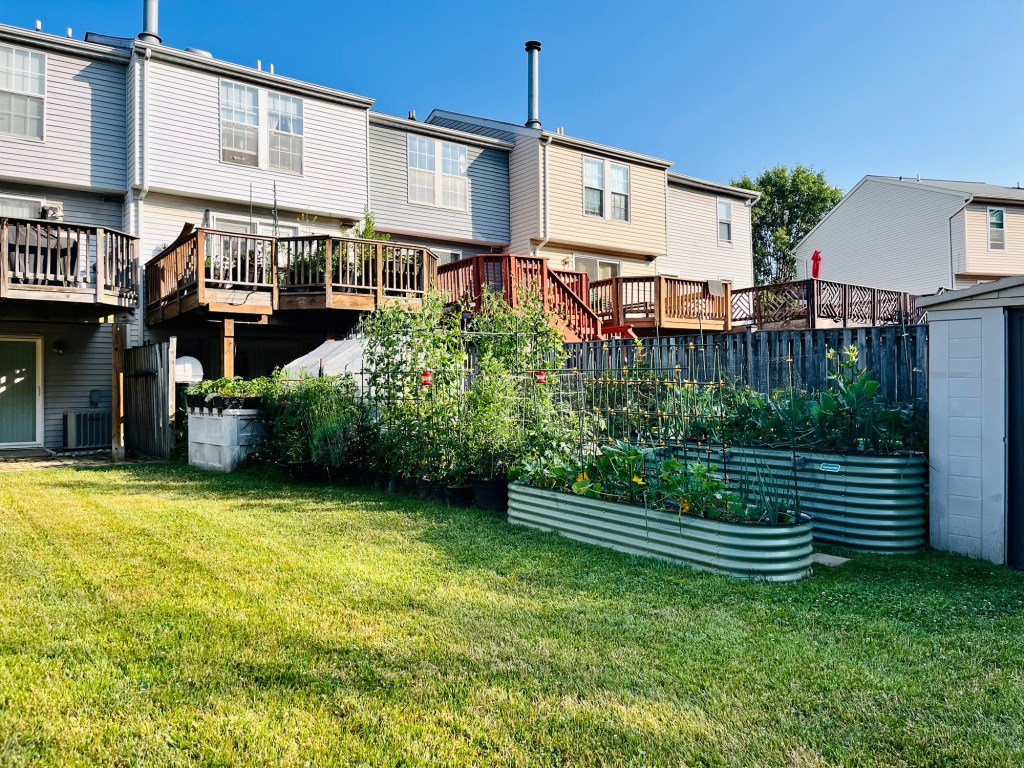
For a long time, I hesitated to expand my garden all the way to the back of the yard because I didn’t want to invest in a full fence. Instead, I researched other ways to protect the space, and to my surprise, I found several effective, budget-friendly options. I’ve tried a few that didn’t work but thankfully some did. Don’t worry, I’m only sharing what worked best for me.
And you know what? Not having a complete fence actually turned into a blessing. Without tall structures casting shadows, my garden gets plenty of direct sunlight—which my plants love
My Top 5 Wildlife-Protection Strategies for the Garden
1. Create Barriers with Deer Netting
One of the simplest and most effective tools I use is deer netting. You can cut it to the size you need and wrap it around the perimeter of your raised beds. It’s lightweight, affordable, and easy to install with stakes or bamboo poles.
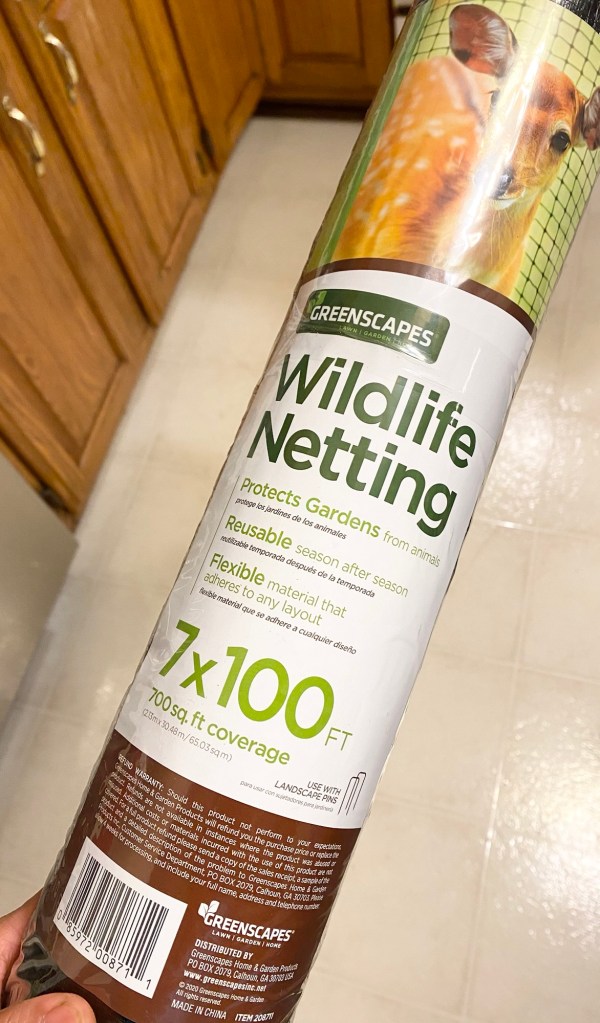
This helps keep out not just deer, but also raccoons, groundhogs, and yes—even curious cats that treat your beds like a litter box.
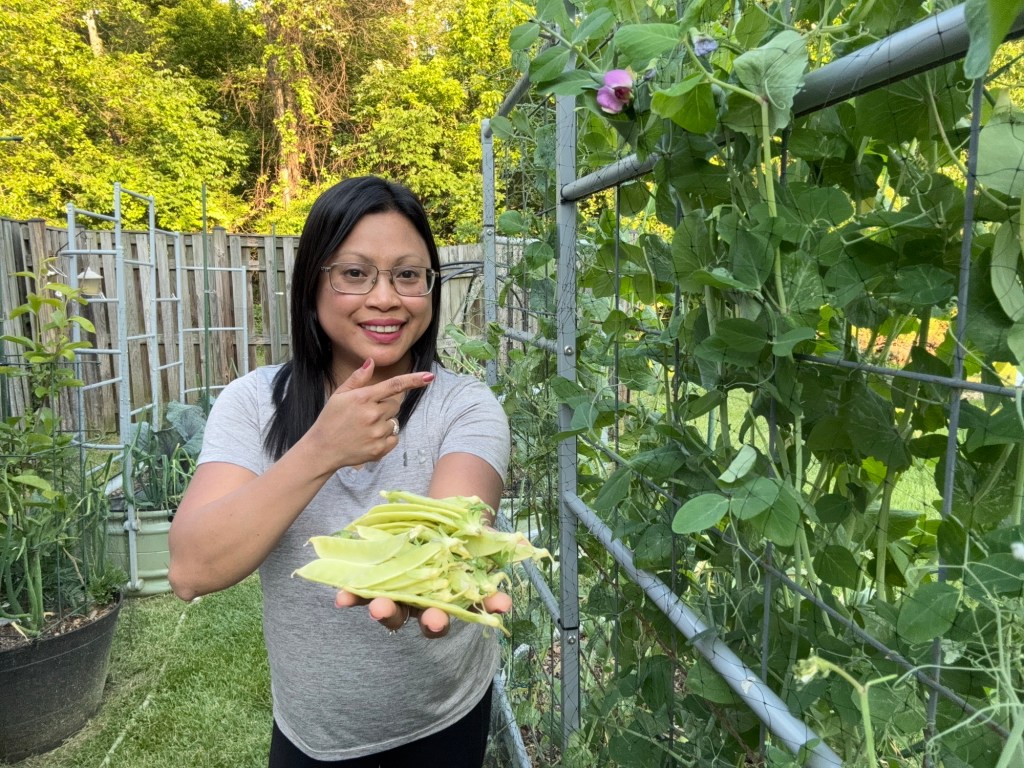
But here’s a tip I learned the hard way: make sure the netting is tall enough. One season, I wrapped it too low around my trellis, and a deer reached right over and ate the tops of my peas. Thankfully, they bounced back, but some plants don’t recover. That’s why height and coverage matter.
2. Build Berry Enclosures
Birds love berries. And I mean love them. A few seasons back, I barely harvested any blueberries because the birds got to them first.
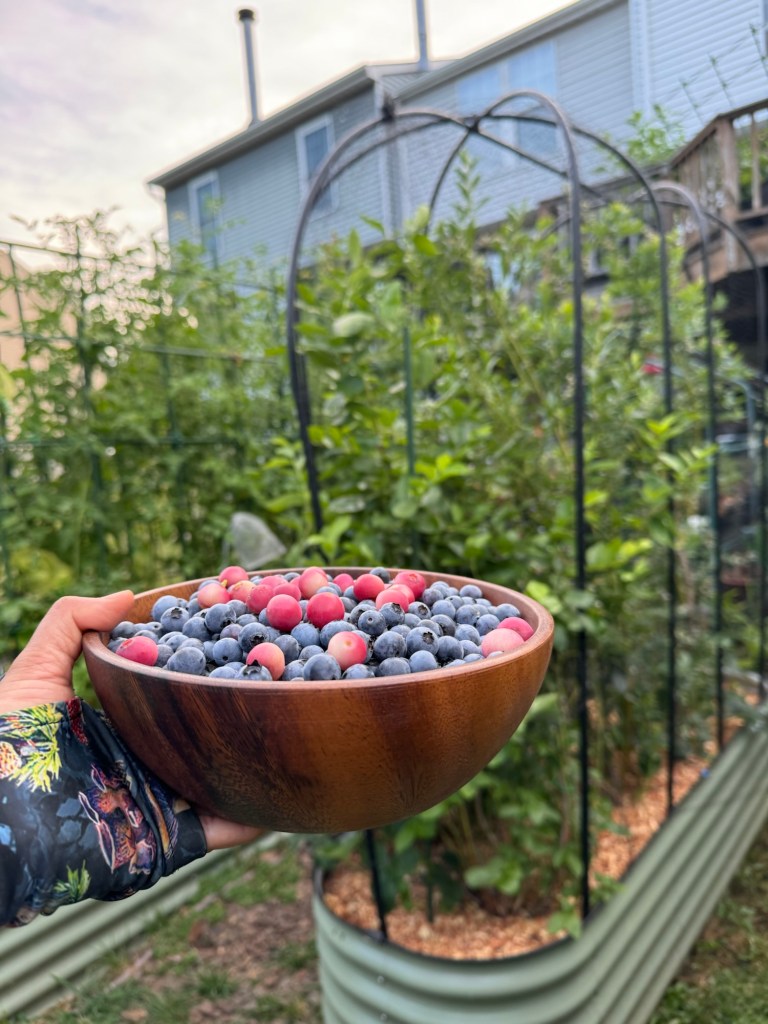
Now, I build simple enclosures using ½ inch poly tubing, stakes, string, and deer or bird netting. I moved my blueberries into raised beds from Vego Garden, which made it easier to set up a clean frame for protection. If you have the budget, a walk-in berry enclosure is dreamy. But if not, this DIY version works wonders—and lets in sunlight and rain while keeping birds out.
3. Use Organza Bags for Fruit
This one might surprise you—but it works. Organza gift bags (yes, the kind used for party favors!) are perfect for wrapping individual fruits. I use them mostly on my big tomatoes to protect them from birds and stink bugs. They also work well for strawberries, blueberries in pots, raspberries, and blackberries.
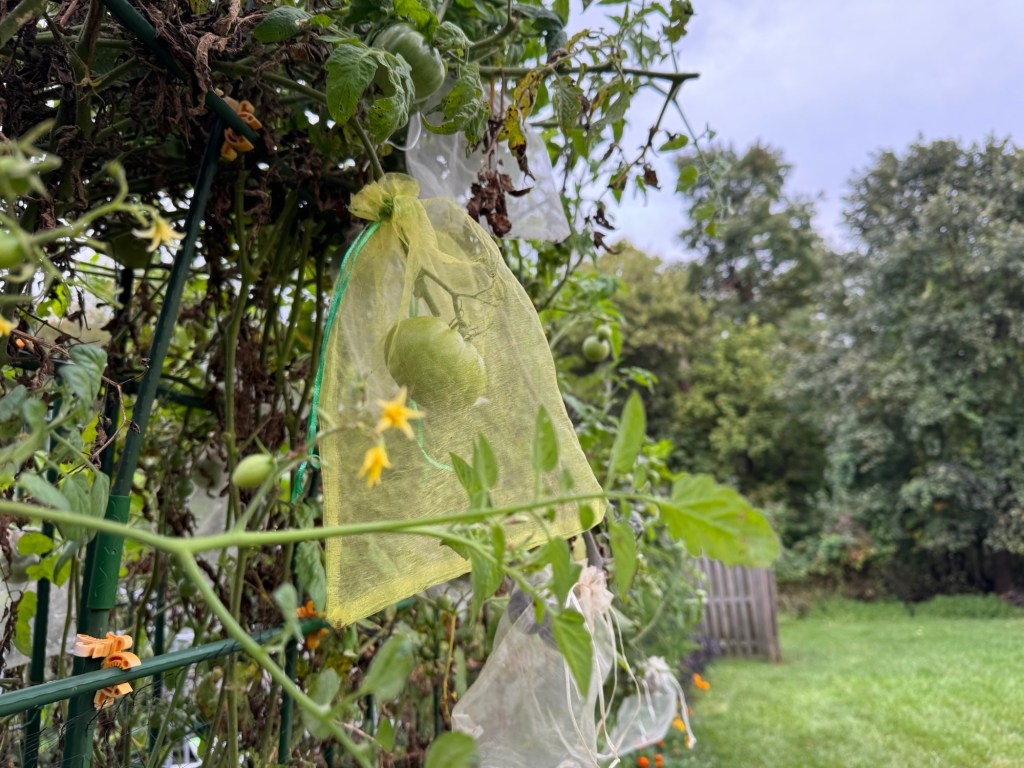
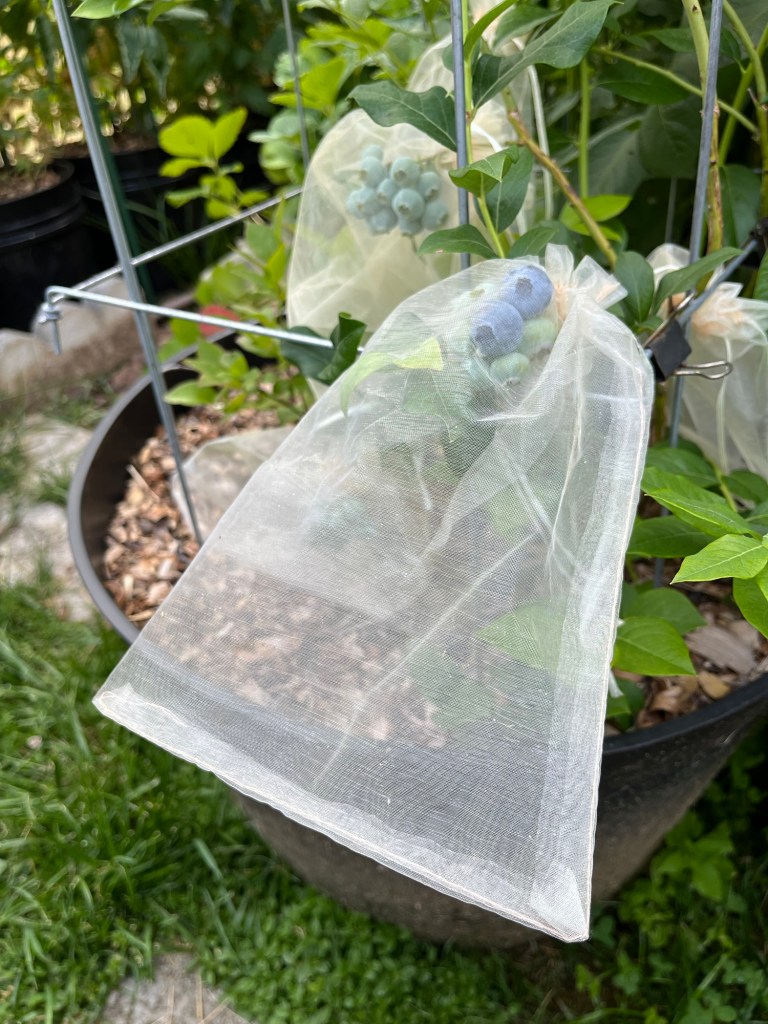
It’s a little extra effort, I’ll admit. But when I really want to make sure I get a harvest, these breathable, affordable bags do the job.
4. Feed the Wildlife—On Purpose
I know it sounds counterintuitive… but hear me out.
When I started placing bird feeders and small piles of cracked corn or wildlife feed at the edge of the garden, something shifted. The animals started spending more time there and less time digging into my beds. Giving them an alternative food source can help draw their attention away from your crops.
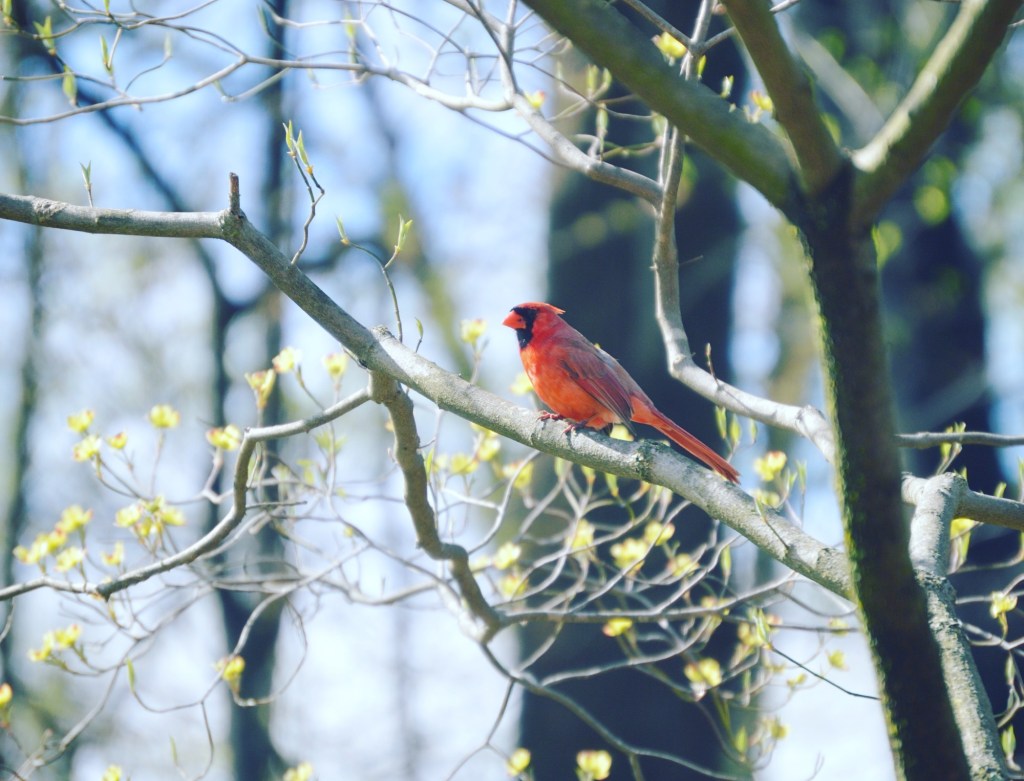
This doesn’t work perfectly, of course, but when used alongside other strategies, it’s surprisingly helpful.
5. Be Strategic with Plant Placement
Sometimes, the best protection is planning ahead. I now avoid planting deer favorites—like sweet peas or tender greens—near the back of the yard where wildlife can reach them easily. Instead, I plant those closer to the house or within protected sections of the garden.
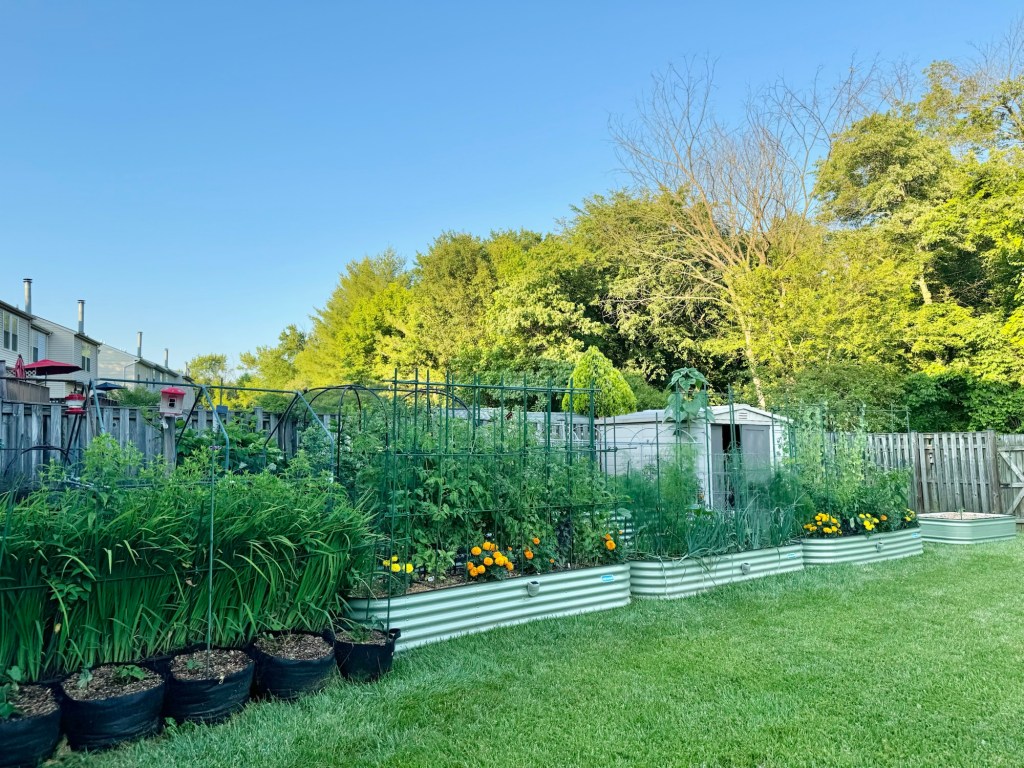
Use tougher or less tasty plants as a buffer zone, and keep your most vulnerable crops tucked safely behind netting or closer to your home.
Final Thoughts: You Don’t Need a Perfect Garden to Protect It
If your garden doesn’t have a full fence, don’t let that stop you from growing beautiful, productive plants. These wildlife protection strategies have helped me enjoy harvest after harvest—even with deer tracks in the yard and birds chirping above.
It’s about working with nature, not against it. Your garden doesn’t have to be perfect—it just needs to be protected enough to let your hard work flourish.
Your Turn: Let’s Protect Your Garden Together!
Have you had deer, birds, or other wildlife eat your plants before? What worked—or didn’t—for you?
👇 Drop a comment below—I’d love to hear your story and what you’ve tried in your own garden.
Lannie | Your friend Gingerfoot Garden















 Gingerfoot Garden
Leave a comment