
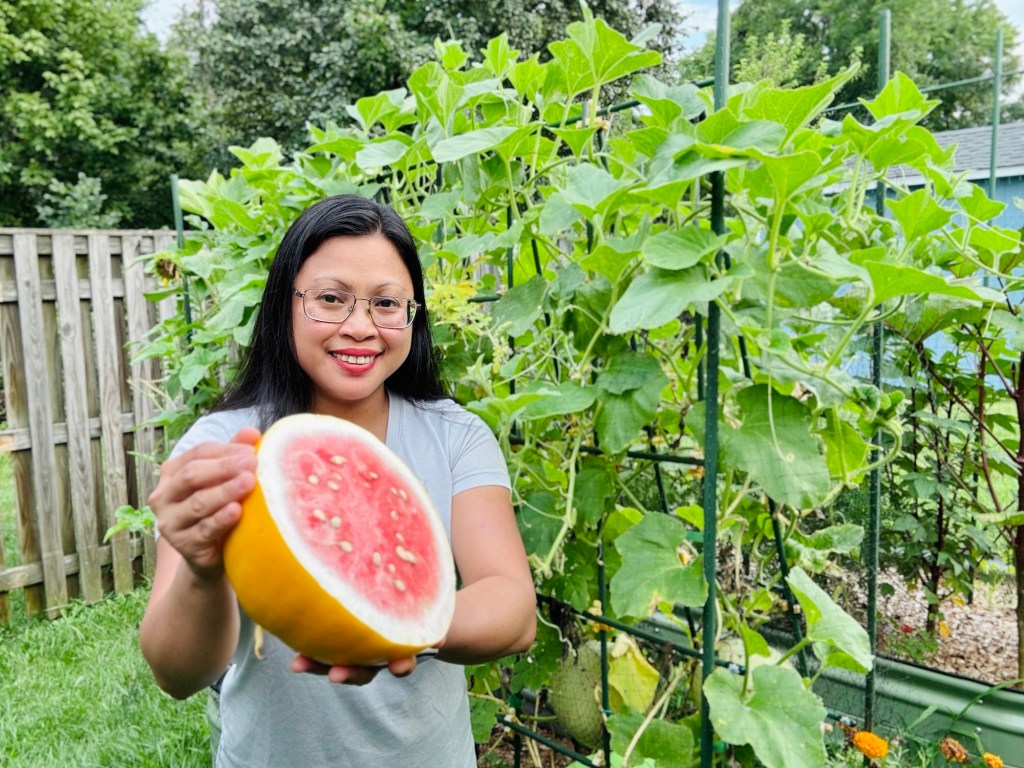
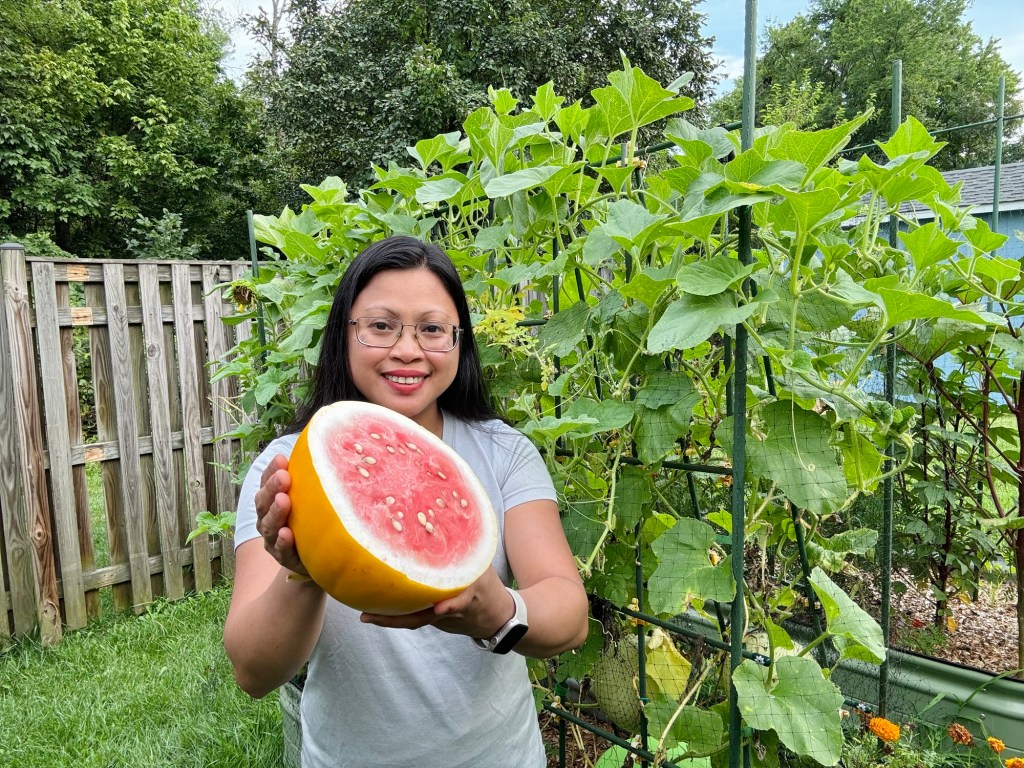
I still remember the thrill of cutting open my very first homegrown watermelon. As the rind split open, it revealed bright pink, juicy flesh—and the taste was incredible. I couldn’t believe it. Right there in my tiny backyard garden, growing in an old tote I had turned into a planter, was one of the sweetest fruits I’d ever tasted. It was such a proud moment—I actually grew this!
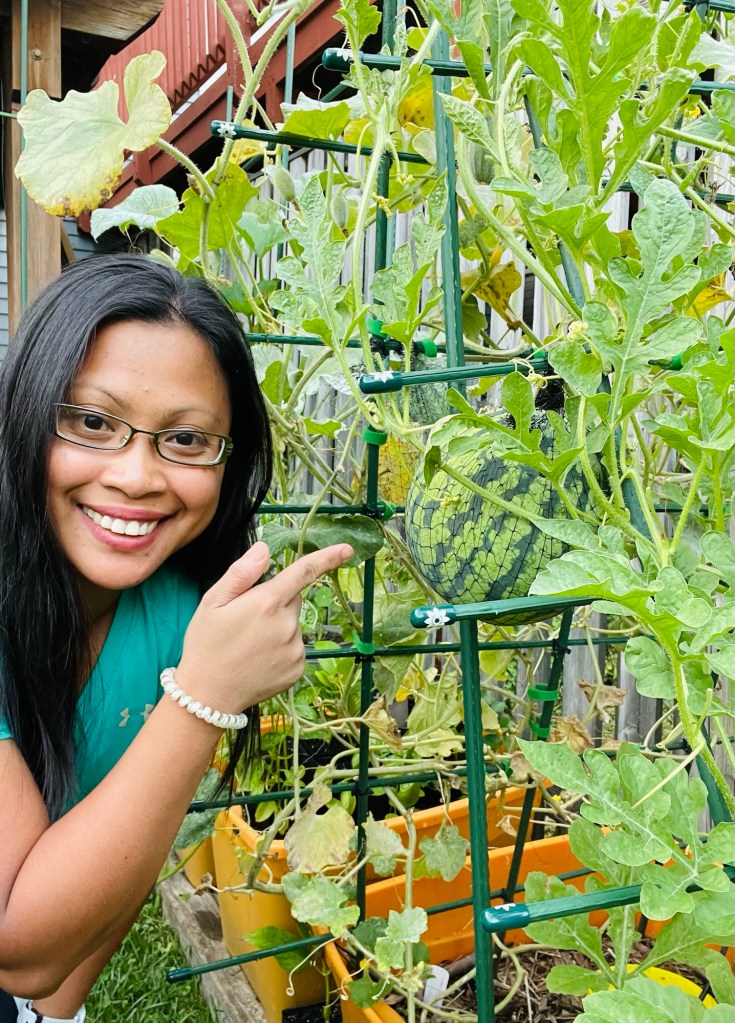
It’s that feeling of reward and accomplishment that keeps me coming back to gardening year after year. And while watermelon may seem like a crop reserved for large, sprawling farms or endless sunny yards, I’m here to tell you it can absolutely thrive in a small space garden. Whether you’re using raised beds, containers, or even vertical structures, watermelon can fit into your little slice of garden heaven.
And today, I want to share exactly how to make that happen—10 practical, proven tips to grow watermelon in a small space.
1. Start with the Right Variety
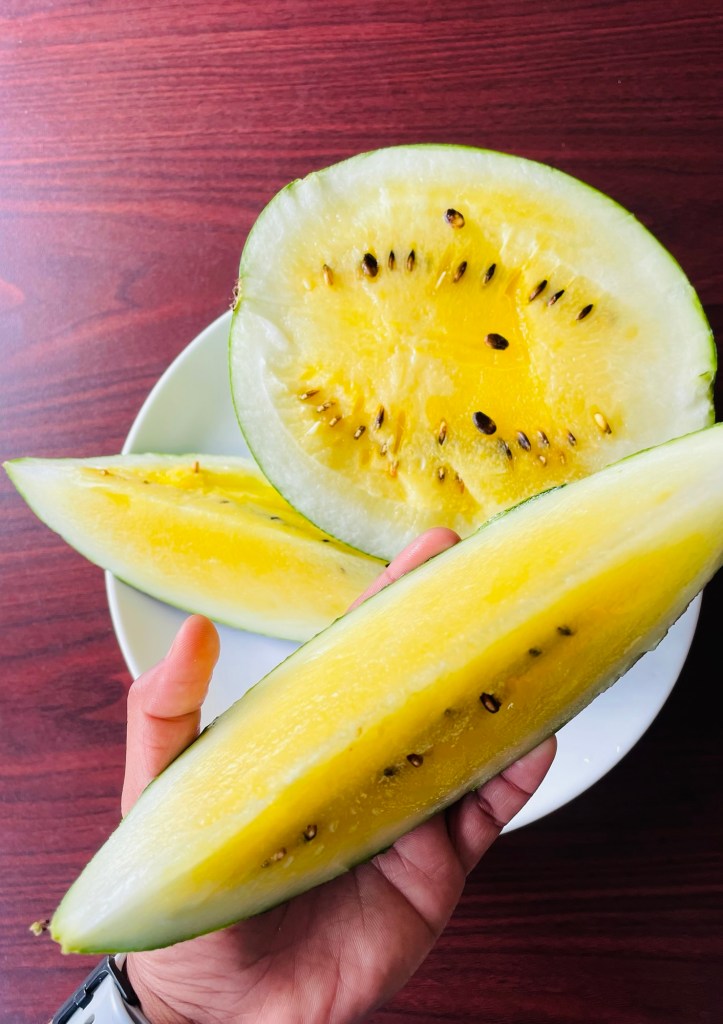
Not all watermelons are created equal when it comes to size. For small gardens, look for compact or bush varieties like ‘Sugar Baby’, ‘Bush Jubilee’, or ‘Golden Midget’. These types take up less room and usually mature faster—perfect for small raised beds or containers.
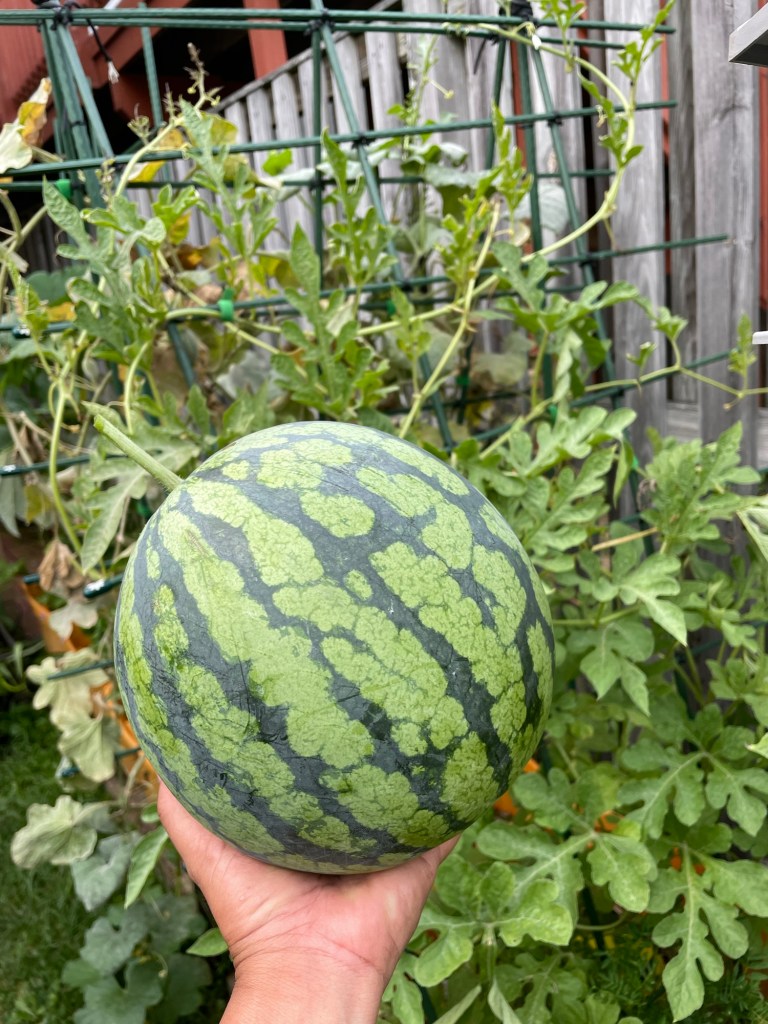
If you’re a little adventurous like me, you can try growing a standard variety—just make sure your support system is strong enough to hold the weight.
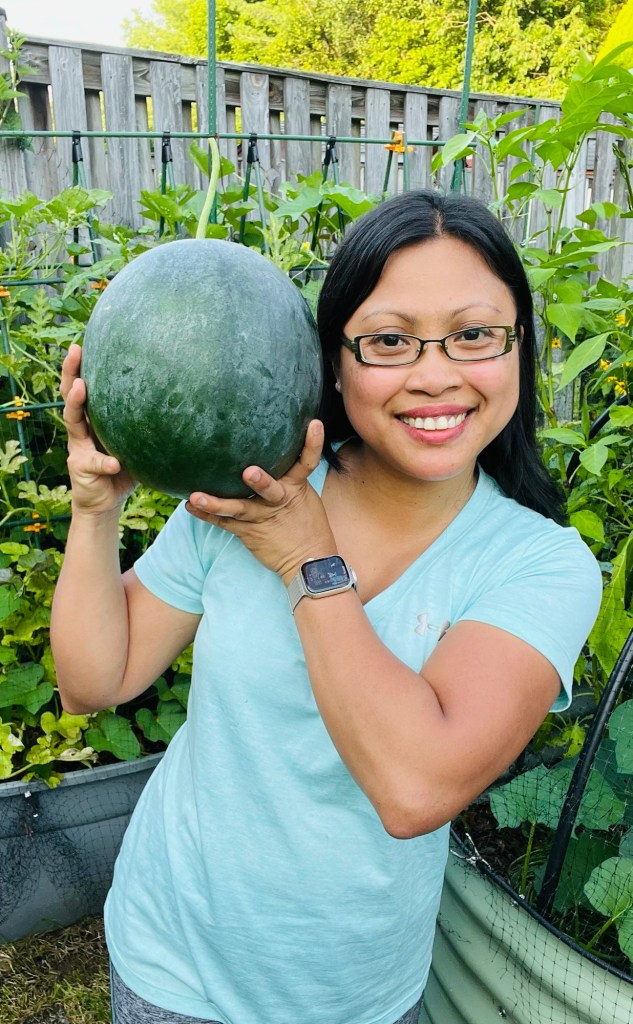
2. Prepare Rich, Well-Draining Soil
Watermelons are heavy feeders. They love rich soil packed with nutrients! I like to prepare the bed with compost, well-rotted manure, and slow-release fertilizer before planting. I also add Azomite and some homemade compost from my kitchen composter to give the plants everything they need to thrive.
3. Train Them to Grow Up, Not Out
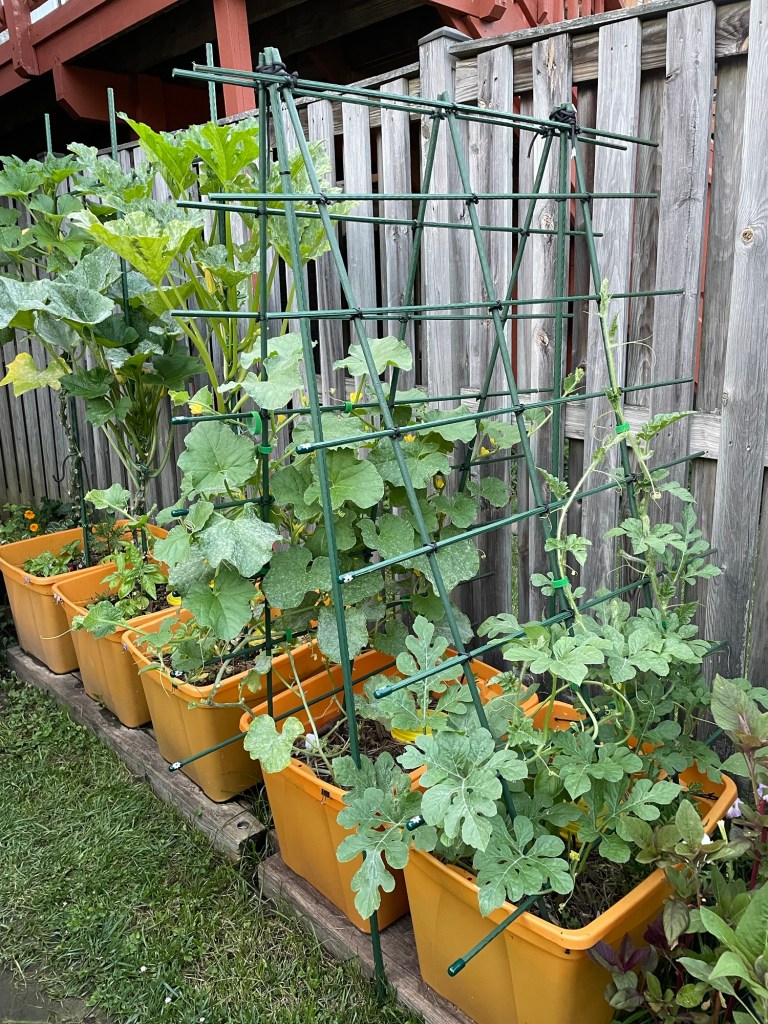
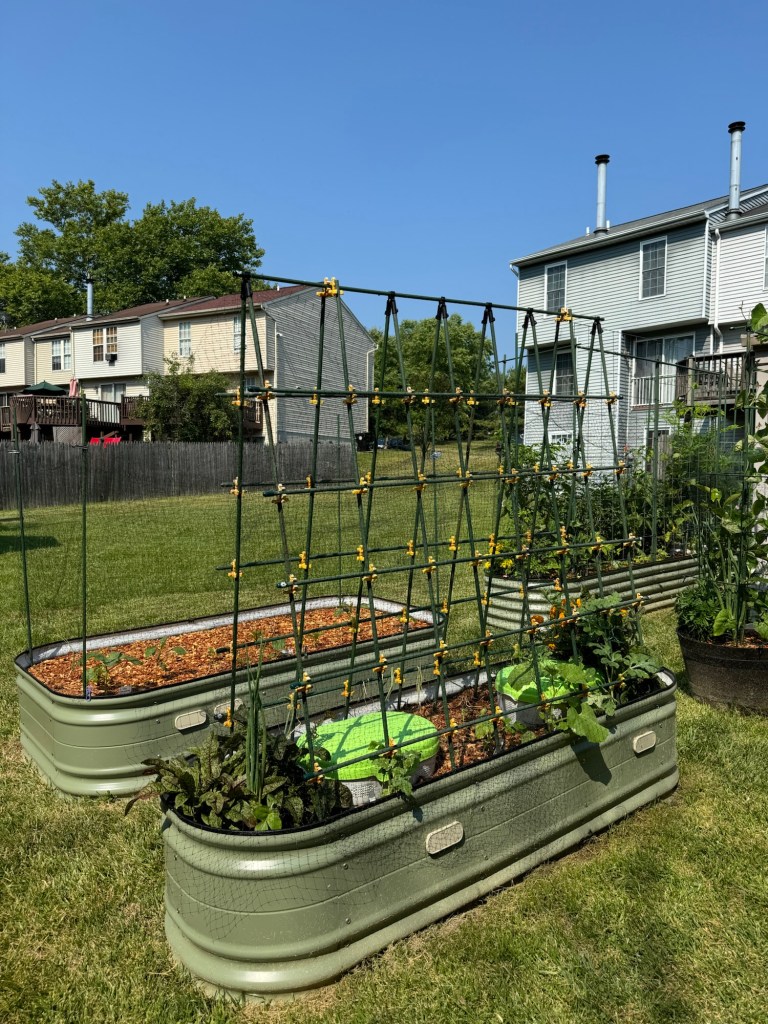
This is the game-changer for small space gardeners: vertical growing. I use an A-frame trellis made with simple garden stakes and plastic grids to support the vines. As the watermelon grows, I tie the vines with Velcro ties or soft plant tape to guide them upward. It saves space and looks beautiful too!

4. Use Slings to Support the Fruit
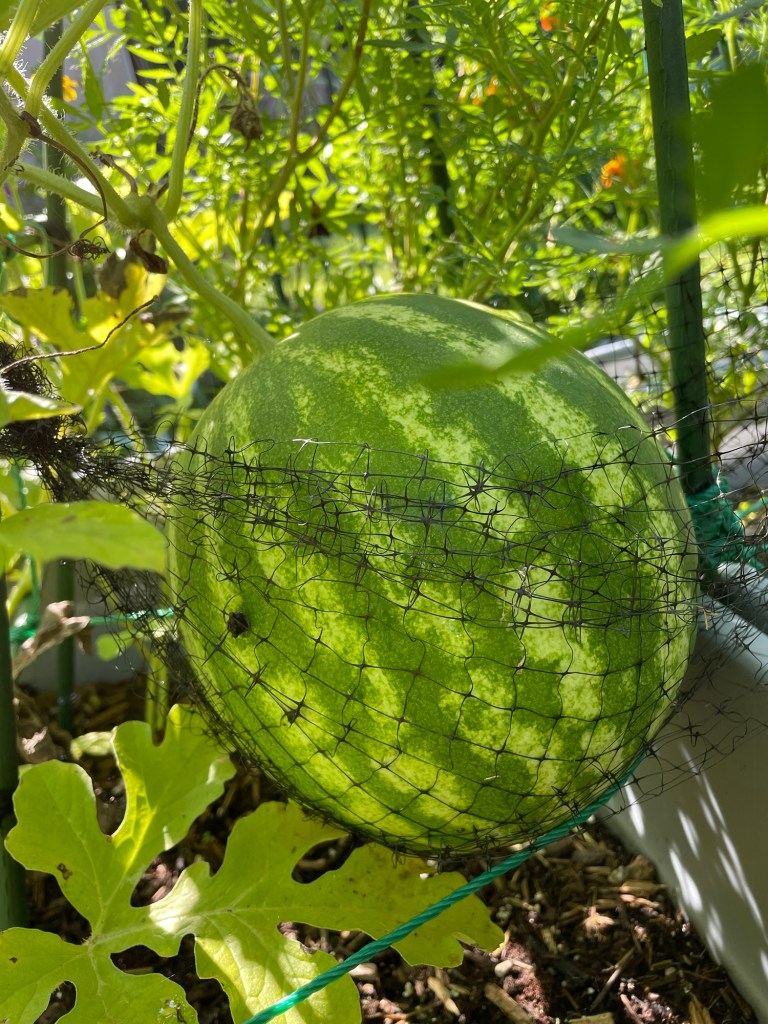
Since watermelon vines aren’t naturally strong enough to hold up heavy fruit, I make little “hammocks” from mesh netting or old fabric to cradle each growing melon. This keeps the fruit from pulling the vine down or falling off too early.

5. Start Seeds Indoors or Buy Seedlings
Starting seeds indoors gives you a jumpstart on the season. I usually begin in April here in Maryland (Zone 7). But if you don’t have indoor space, no worries—just buy healthy watermelon starts or direct sow in the garden after the last frost.

6. Mulch to Lock in Moisture
Watermelons need consistent moisture, especially when the fruit is forming. I use Cedar pet bedding (basically wood chips) around the base of the plants to help retain moisture and keep the soil temperature steady. You can also use straw, shredded leaves, or grass clippings.
Bonus? Mulch also helps block weeds from stealing nutrients from your plants.
7. Water Deeply—but Don’t Overdo It
Because watermelon is over 90% water, regular watering is key. I water deeply at the base of the plant to encourage strong root growth, but I’m careful not to overwater. Too much moisture can lead to diseases like powdery mildew. A soil moisture meter can help take the guesswork out.
8. Prune for Better Fruit
More flowers doesn’t always mean more fruit. Pruning helps the plant focus its energy on producing fewer, better-quality melons. I remove extra vines and pinch off excess flowers early on. Honestly, though? Sometimes the plant or even local deer decide for me which fruits will stay!
9. Feed Your Plants as They Grow
Once the plants start flowering, I top-dress with worm castings and a little compost. Watermelons need an extra boost at this stage to support healthy fruit development. A balanced or low-nitrogen fertilizer works well here.
10. Know When to Harvest
This part used to stress me out! But I’ve learned a few signs to look for:
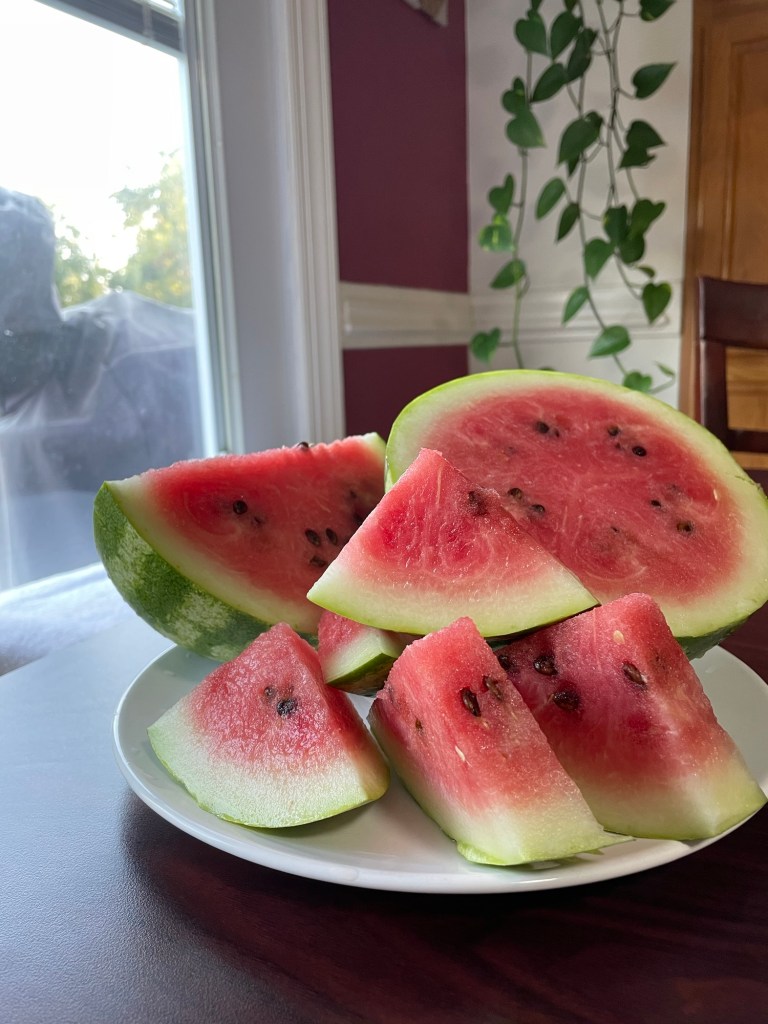
The underside of the fruit turns yellow The tendrils near the stem dry up and curl The skin turns dull instead of shiny And of course, the famous tap test—if it sounds hollow, it’s probably ready!
Bonus Tip: Protect Your Harvest
Wildlife loves watermelon just as much as we do! I use deer netting around my raised beds and cover the fruits with mesh to keep curious critters out. It’s a simple step that can save your harvest.
Final Thoughts: You Can Do This!
If you’ve ever doubted whether you could grow watermelon in a small garden—this is your sign. You can! It may take some creativity, a few plant ties, and a little extra care, but the reward is so worth it.
The first time I sliced into that homegrown melon and tasted the sweet, juicy fruit, I knew it wasn’t just about the watermelon—it was about the joy of growing something myself.
Have you grown watermelon in a small space before? What variety are you trying this year?
I’d love to hear about your garden! Leave a comment below or tag me @GingerfootGarden on Instagram.
Until next time, happy gardening, friend! 🌱💚
– Lannie















 Gingerfoot Garden
Leave a comment