
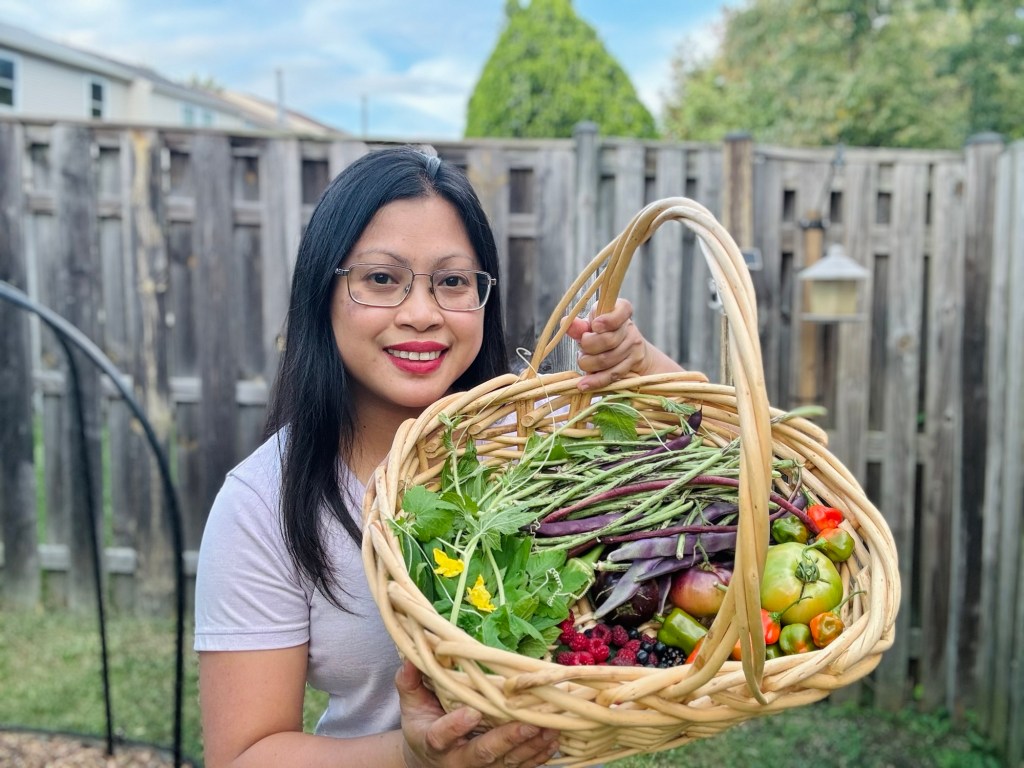
Since 2021, gardening has become an integral part of my lifestyle. I don’t claim to be an expert, but I am a passionate gardener—excited to keep learning and grateful to share what I’ve discovered along the way.
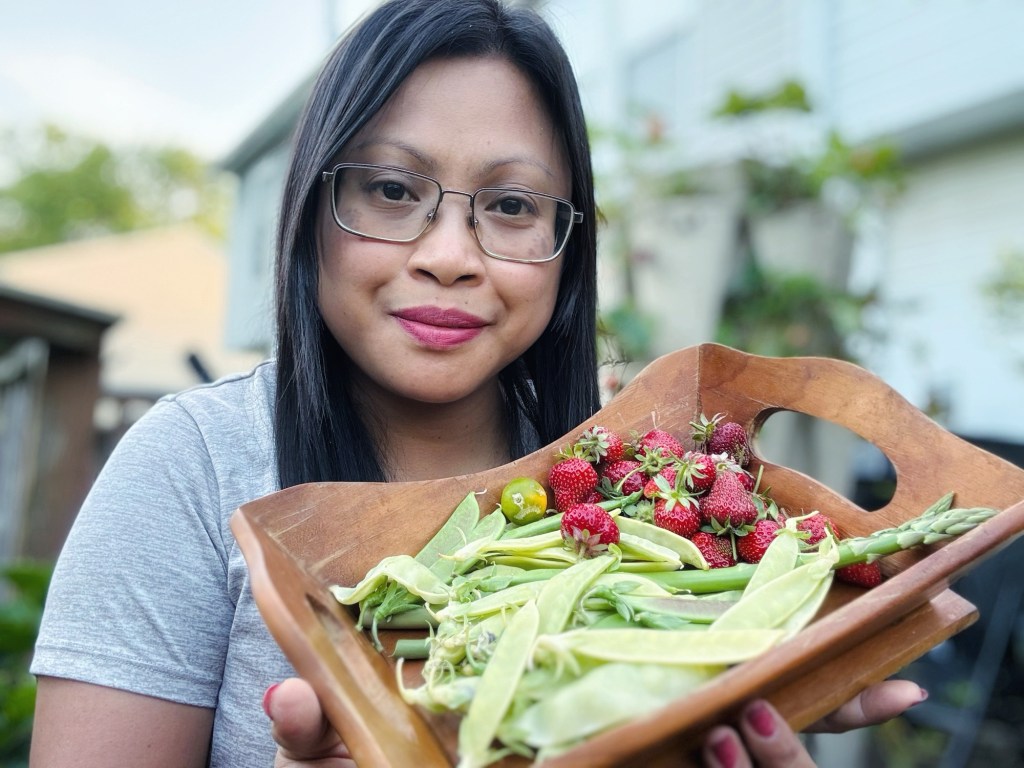
Starting your gardening journey as a beginner is incredibly exciting. There’s something so fulfilling about nurturing plants, watching them grow, and eventually harvesting something you helped create. But before we dive into practical tips, I want to share a few heartfelt pieces of advice for anyone just beginning.
1. Start Small.
Every great garden begins with a single plant. It can be overwhelming to care for too many plants when you’re still figuring things out. That’s why I recommend starting with just one or two—something manageable. Once you get the hang of it, adding more will feel natural.
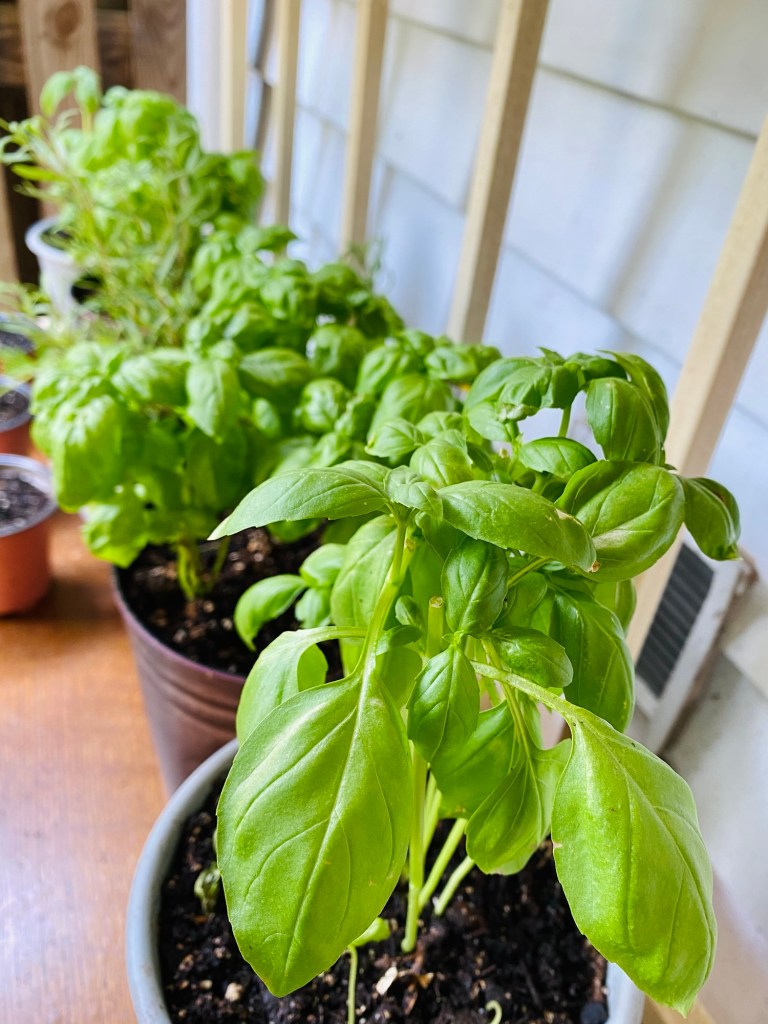
I began with herbs like basil and parsley. Then I tried growing water spinach, which I regrew from kitchen scraps I bought at the grocery store. I thought about what I used most in the kitchen and started from there.
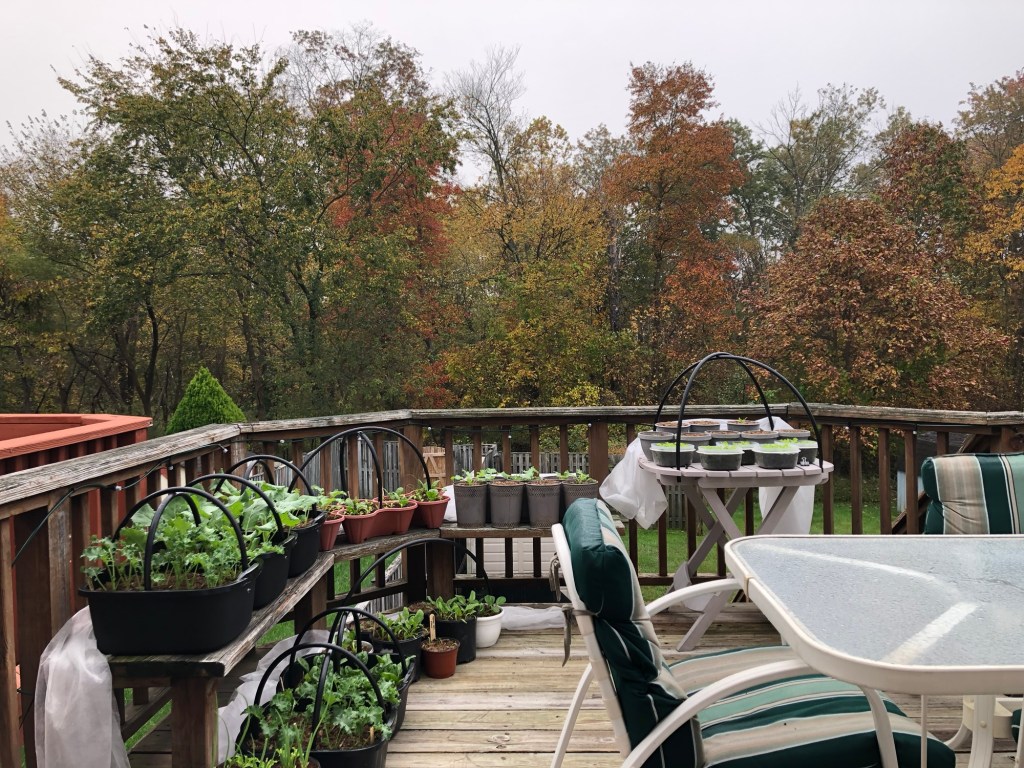
And let’s be honest—gardening can be expensive, depending on how you approach it. I didn’t want to spend a lot right away, so I used what I already had. We had extra totes at home, so I drilled holes and turned them into planters. I also reused containers that could hold soil. That DIY approach helped me stay within budget and gave me the freedom to be creative.
2. Enjoy the Journey
Gardening isn’t a race—it’s a rhythm. Life gets busy, and sometimes the garden feels like another task on the list. But remember, you’re not competing with anyone.
It’s easy to compare your garden to what you see online, but we’re all in different seasons of life—literally and figuratively. The garden is a place of growth, not perfection. Yes, I make plans to maximize my small space, but I’ve learned not to cling too tightly to them.
Outdoors, we don’t control everything. Weather, pests, disease—they’ll all remind you that nature plays the bigger role. But that’s also the beauty of it. Gardening teaches you to adapt, to be present, and to let go of perfectionism. There’s no such thing as a “perfect” garden—but there’s always something beautiful to notice if you look closely enough.
3. Learn your Garden
I grew up in the Philippines, where frost doesn’t exist, so my early gardening mindset was shaped by that tropical environment. Moving to Maryland was a whole new experience. I had to learn how to work with the seasons, understand my climate, and figure out which plants could thrive here.
The more I paid attention to my garden, the more fascinated I became—especially with how plants survive and even thrive in colder weather. It deepened my awe for God’s creation.
Every year, the garden teaches me something new. I’ve learned just as much from the setbacks as I have from the successes. And I’ve grown to appreciate the entire process—the good, the messy, and the unexpected.
Plants take time. Growth takes time. And that’s okay. Celebrate the small wins. Embrace the challenges. And remember—gardening is a lifelong learning journey.
4. Invest in your self.
The best gardening investment you can make is in yourself. And honestly, this applies to so many areas of life.
When I first started, I spent several months just learning—watching videos, reading articles, flipping through gardening books. I soaked it all up like a sponge. That time helped me build a solid foundation, so when I finally got my hands in the soil, I had a general idea of what to expect.
Of course, nothing compares to the lessons you’ll learn from actual experience. But taking the time to research, connect with other gardeners, and ask questions can make a huge difference as you begin. The knowledge you gain early on becomes the confidence you’ll lean on later.
5. Don’t be afraid to experiment.
One of the most rewarding parts of gardening is the freedom to try new things.
Your garden becomes a classroom—and a creative playground. You get to test ideas, make adjustments, and learn what works (and what doesn’t) in your specific space. Sometimes things will fail—but even those moments are valuable lessons.
Try something new. Mix things up. That’s how you grow as a gardener.
To make it enjoyable and successful, here are five practical and essential tips:
Tip 1: Know Your Zone
Understanding your USDA hardiness zone is a great starting point. It gives you insight into your local climate and helps you choose plants that will thrive in your area.
This is especially important for perennials, but even for annuals, knowing your last frost date and first frost date is crucial. It tells you when to start seeds, when to transplant, and when to expect harvests.
Tip: Check out local extension offices or gardening clubs—they often provide helpful region-specific planting calendars.
Tip 2. Sunlight is Essential
This was one of my first beginner mistakes: I planted my herbs under a covered patio thinking it was “bright enough.” But I learned quickly—brightness is not the same as direct sun exposure.
Most fruiting and flowering plants need 6–8 hours of full sun to grow well.
- Full Sun (6–8+ hrs): Tomatoes, peppers, broccoli, squash, and flowers
- Partial Shade (4–6 hrs): Herbs like mint, parsley, and ginger
- Full Shade (Less than 4 hrs): Can be tricky, but plants like hostas and some leafy greens may still do okay
Before planting, take time to observe how much sun your space gets throughout the day, then match your plant choices accordingly.
Tip 3. Water Wisely
Watering is an art and a science. Every plant has its own needs, and overwatering is just as harmful as underwatering.
Here’s my quick method: stick your finger into the soil—about an inch deep. If it feels dry, it’s time to water.
I use a combination of systems in my garden:
- A drip irrigation system that saves time and helps during hot Maryland summers
- A hose reel that makes watering quick and easy when I need to do it manually
Consistency is key, especially for container and raised bed gardens.
Tip 4. Soil Quality Matters
Soil is the foundation of a thriving garden. It’s more than just dirt—it’s where your plants get nutrients, water, and support.
Start by testing your soil’s texture and pH if possible. Most vegetables do best in loamy, well-draining soil with a neutral to slightly acidic pH.
I make compost from kitchen scraps and garden clippings to improve my soil naturally.
I use a smart composter from Vego Garden for quick processing. I also repurpose trash bins into compost bins. Even in-ground composting directly into raised beds makes a difference.
Healthy soil = healthier, more productive plants.
Tip 5: Pest Management Strategies
Every gardener deals with pests—but you don’t have to resort to chemicals. Prevention and observation go a long way.
Here’s what works for me:
- Barriers: Netting over raised beds helps keep out deer, squirrels, and cabbage moths.
- Companion planting: Basil near tomatoes, marigolds near squash—it really works.
- Beneficial insects: I do my best to welcome pollinators and predators like ladybugs and lacewings.
- Neem oil or insecticidal soap: A natural way to target pests if things get out of hand.
The key is to observe your garden regularly. The earlier you spot a problem, the easier it is to solve.
Final Thoughts
Gardening is a lifelong journey of learning and growth. So invest in yourself—learn, experiment, and stay curious. Every plant you grow is a step toward deeper connection with nature, with your food, and with yourself.
Let me know in the comments—which of these tips resonated with you most? Or what’s one lesson the garden has taught you already?
You’ve got this. Let’s keep growing—one plant at a time.
🍃 Lannie | Gingerfoot Garden







 Gingerfoot Garden
Leave a comment