
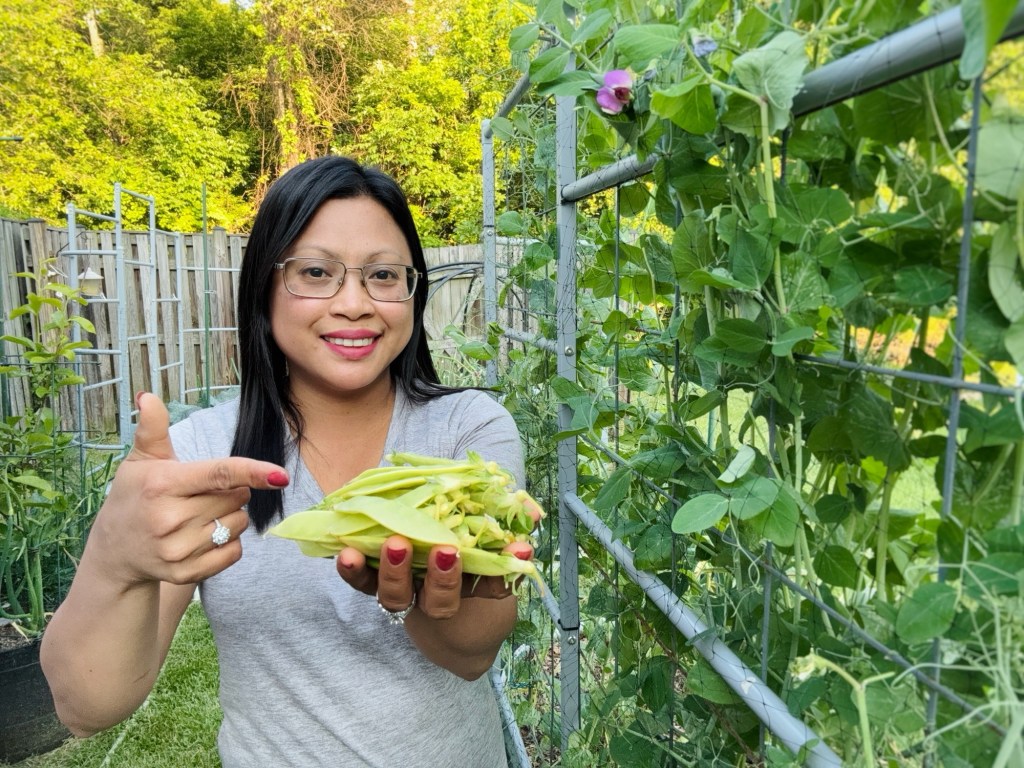
There’s something magical about growing peas. It starts with a humble little seed—round, dry, and unassuming. But give it the right soil, a little water, and a place to climb, and in just a few weeks, you’re greeted with delicate vines, vibrant green leaves, and crisp, sweet pods that snap in your fingers and taste like spring itself.
I still remember the first time I tasted peas—not from the garden, but in a Filipino dish called chop suey, a colorful vegetable medley. As a kid, I didn’t think much of it. But as an adult who now grows her own food, I’ve come to appreciate peas in a whole new way. Not just for their flavor, but for the joy of watching them grow—and the sense of accomplishment in harvesting something with your own two hands.
If you’ve never grown peas before—or if your first try didn’t go quite as planned—this blog is for you. Let me show you how I grow peas in my small backyard garden here in Maryland, Zone 7, and how you can grow them too, no matter the size of your space.
Why Grow Peas?
Peas are one of the easiest and most rewarding cool-season crops to grow. They:
- Thrive in early spring and fall
- Add nitrogen to your soil, enriching it for future crops
- Grow vertically—perfect for small space gardening
- Taste incredibly fresh—and store-bought peas can be surprisingly expensive!
Once I learned the basics of gardening, peas quickly landed on my must-grow list. That first fresh snap pea I picked straight from the vine was sweet, crisp, and unlike anything I had ever tasted from a grocery store. That one bite made me a lifelong pea grower.
Choosing the Right Pea Variety
There are three main types of peas you can grow:
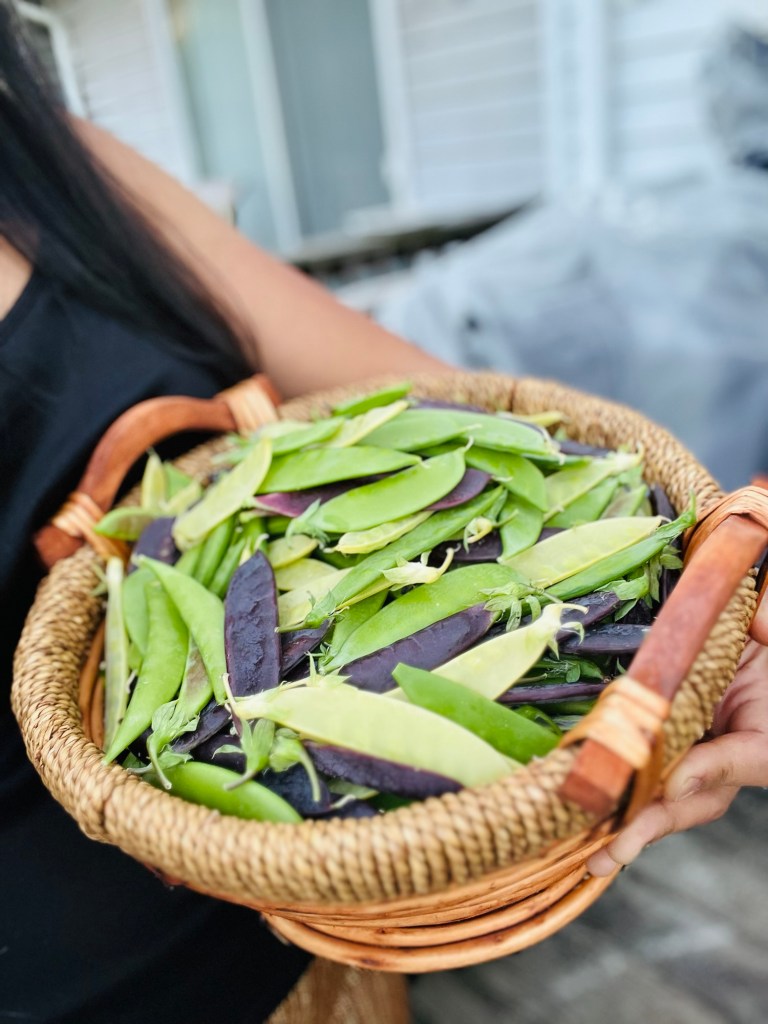
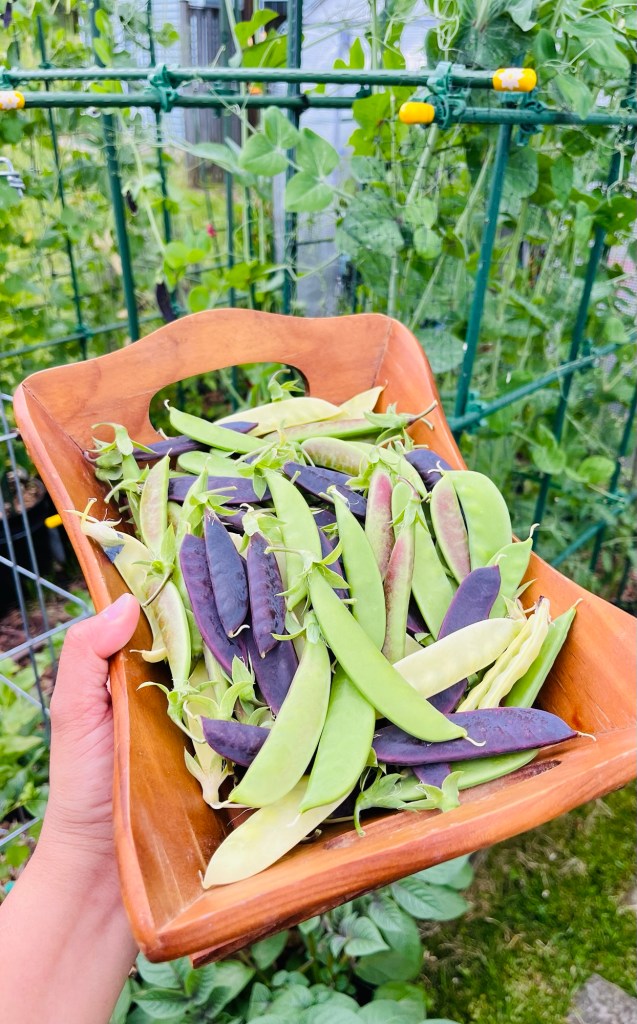
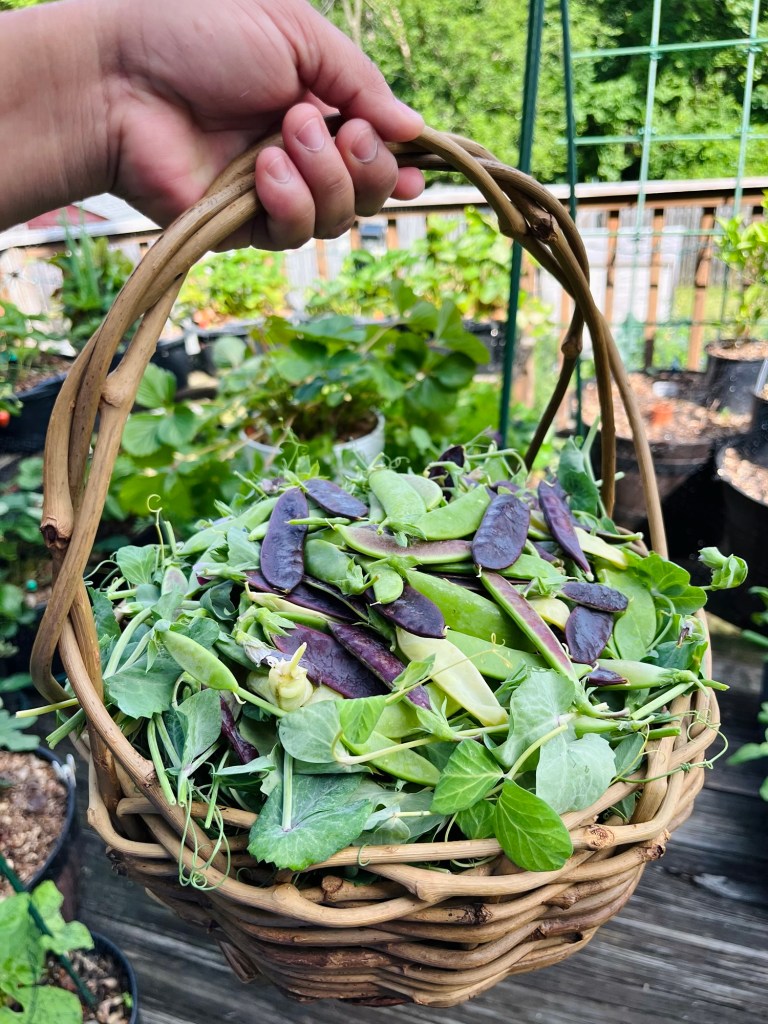
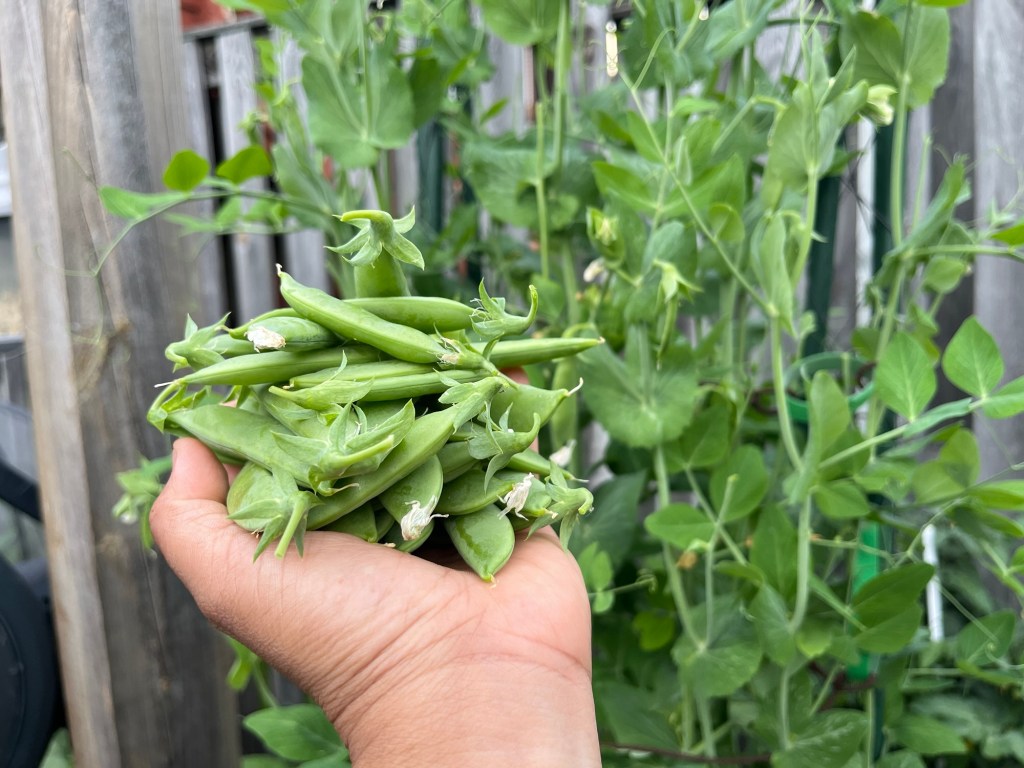
🫛 Snap Peas
These are plump, crunchy, and you eat the whole pod. My go-to variety is Super Sugar Snap, but I also love Pink Blush—it’s both beautiful and delicious.
🫛 Snow Peas
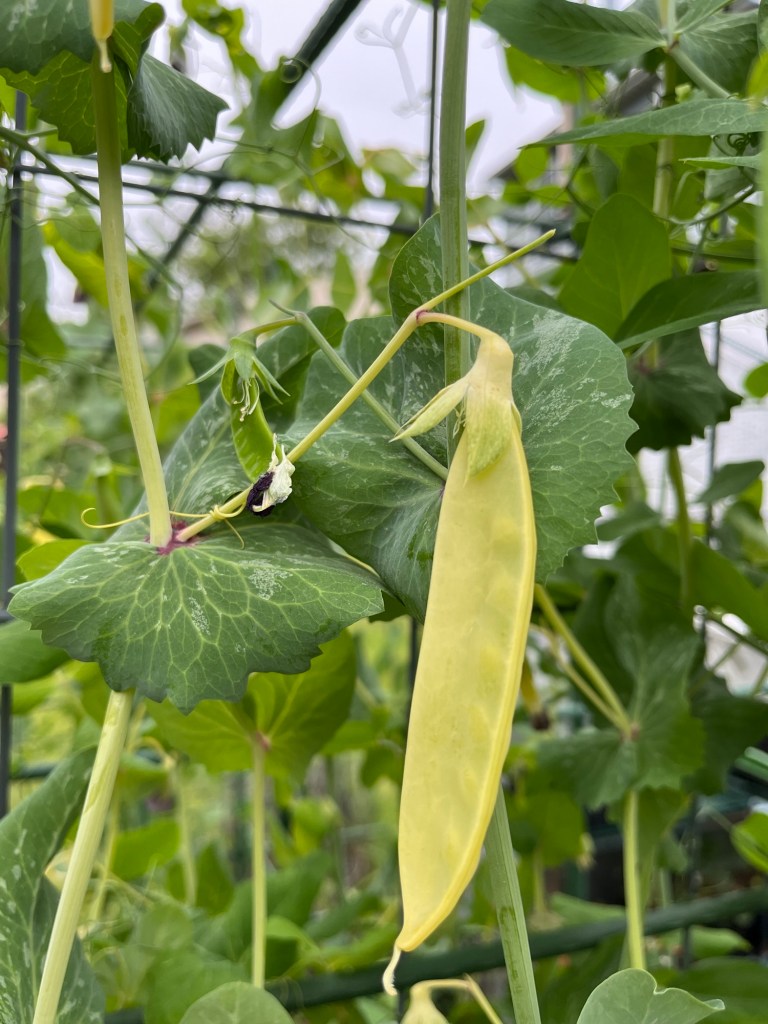
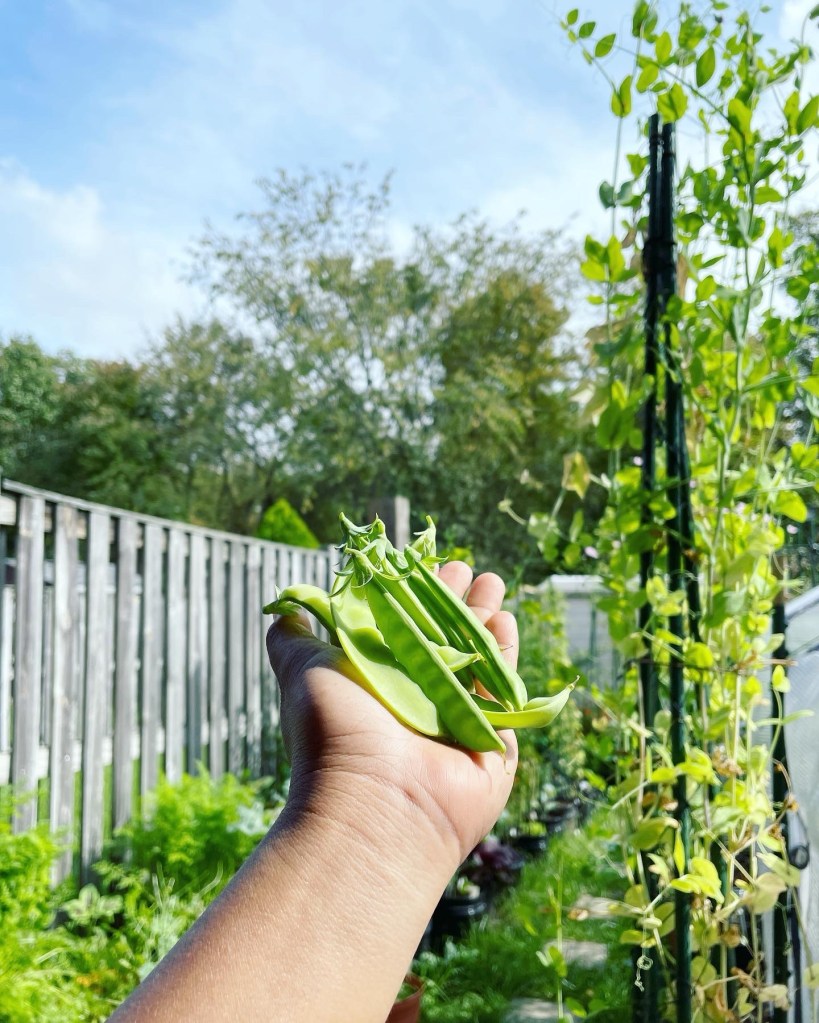
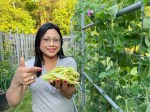
These are flat and tender, perfect for stir-fries. I highly recommend Golden Sweet—the yellow pods are easy to spot among the foliage, which makes harvesting a breeze.
🫛 Shelling Peas (English Peas)
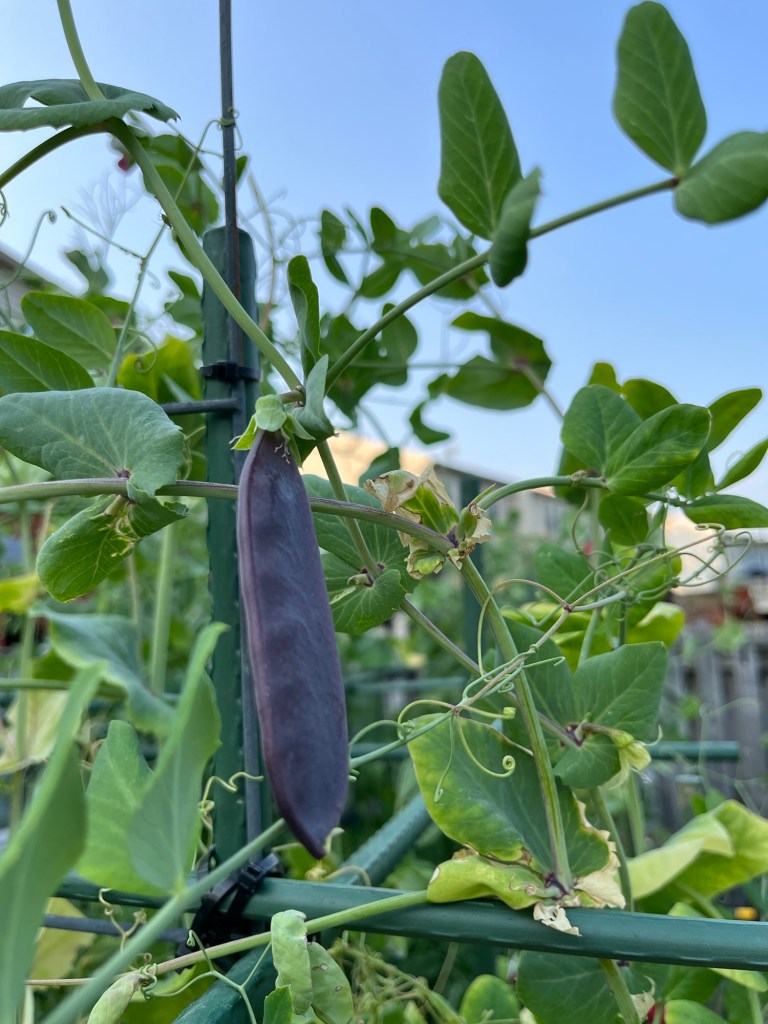
These are grown for the round peas inside the pods. You shell them before eating. I don’t usually grow this type because I prefer eating the whole pod, but they’re a great choice if you love that classic pea flavor.
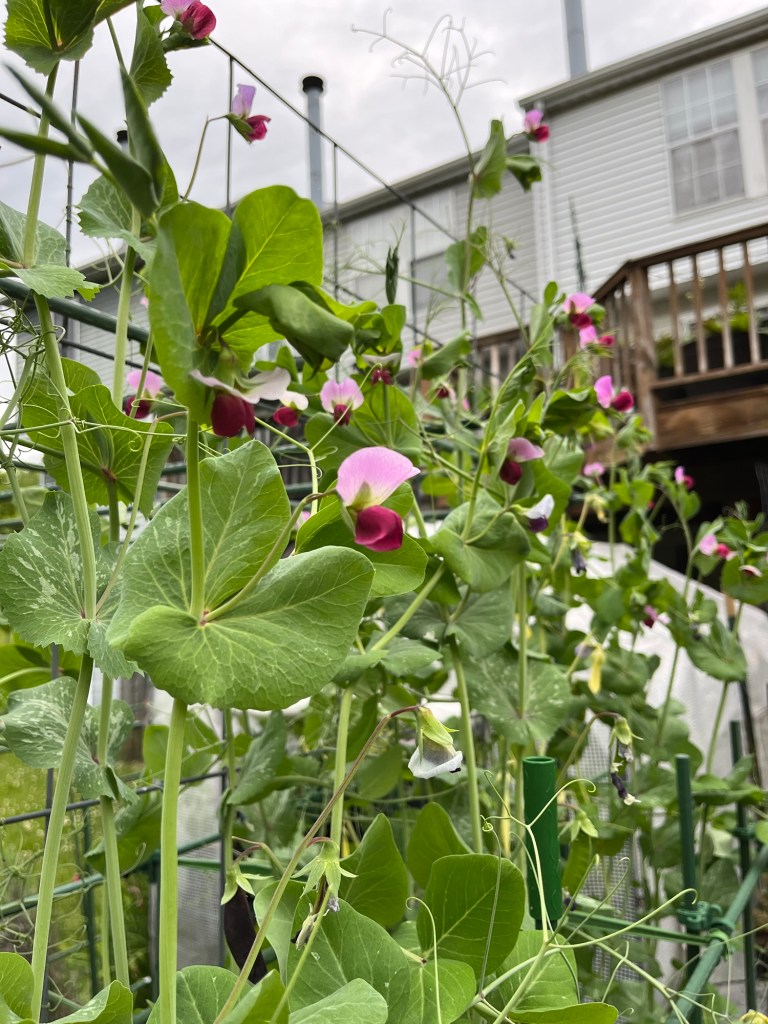
If space is limited, try compact or dwarf varieties like Tom Thumb, which grow well in containers or vertical planters like the GreenStalk. And even the taller types can thrive in raised beds or containers with a little creative trellising.
When to Plant Peas
Peas are a cool-season crop, which means they grow best in spring and fall.
In Zone 7, I plant peas in mid-February to early March, and again in late August for a fall crop. In general, sow seeds 4–6 weeks before your last expected frost for spring, and 8–10 weeks before your first frost for fall.
Step-by-Step: How to Plant Peas
1. Install Your Trellis First
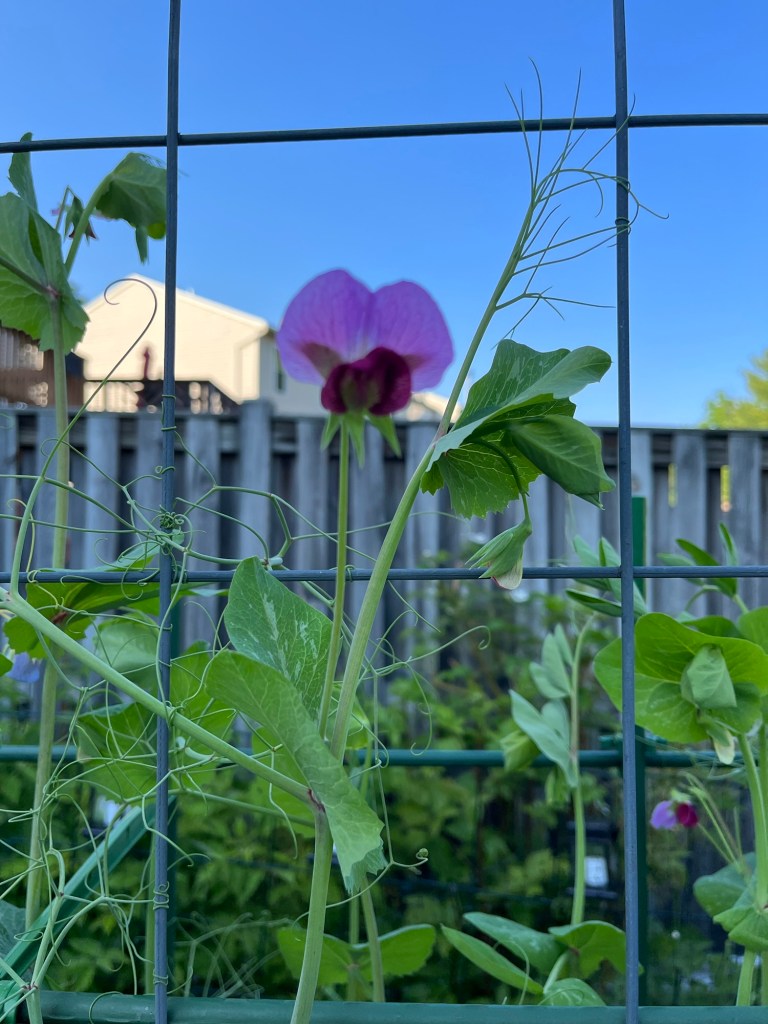
Peas are natural climbers. Give them something to latch onto early, and they’ll grow tall and strong. You can use garden netting, DIY bamboo frames, or metal grids. My favorite is remesh wire—a construction material I paint with cold galvanizing spray to prevent rust. I attach it to a wall trellis from Vego Garden. Cattle panels also work great if you have access to them.
2. Prep the Soil
Loosen the top 6–8 inches of soil and mix in compost. Peas don’t need much fertilizer, especially not nitrogen-heavy ones. In fact, too much nitrogen can cause lush leaves but very few pods.
3. Sow the Seeds
Plant seeds 1 inch deep and 2 inches apart. Peas don’t mind growing close together—they even help support each other.
Should you soak the seeds first? I’ve tried both ways and haven’t noticed much difference. In fact, once I soaked them too long and they started rotting. I usually skip soaking now—but try it and see what works best for you!
4. Mulch and Water
Mulch after sowing to retain moisture and regulate temperature. Water gently and keep the soil moist, but not soggy. In cooler weather, you may not need to water often—but check regularly.
Protecting Your Plants
My garden isn’t fully fenced, so deer and critters love to explore. I use netting around my raised beds to keep animals out. Be sure to cover the full height of the plant—deer once ate the tops of my peas in an unprotected corner. Thankfully, they recovered and still produced pods, but lesson learned!
Caring for Peas
Water only when the top inch of soil dries out. This helps prevent powdery mildew, a common issue. Watch for aphids. If your garden is balanced, predators like ladybugs may handle them for you. Otherwise, squish them or spray off with water. Neem oil can be a last resort. Avoid overhead watering and give plants enough space to improve airflow.
When peas reach the end of their season, powdery mildew often appears. For me, that’s a signal to cut them down and plant something else.
Tip: Instead of pulling the plant out, I cut the stems at the soil line. This leaves the nitrogen-rich roots in place, improving soil health for your next crop.
Companion Planting Tip
Since peas grow vertically, you can maximize your raised bed space by planting low-growing crops underneath. I love pairing peas with:
- Garlic
- Strawberries
- Radishes
It’s a simple way to get more from a single bed.
Harvest Time!
Peas are usually ready to harvest about 60–70 days after planting.
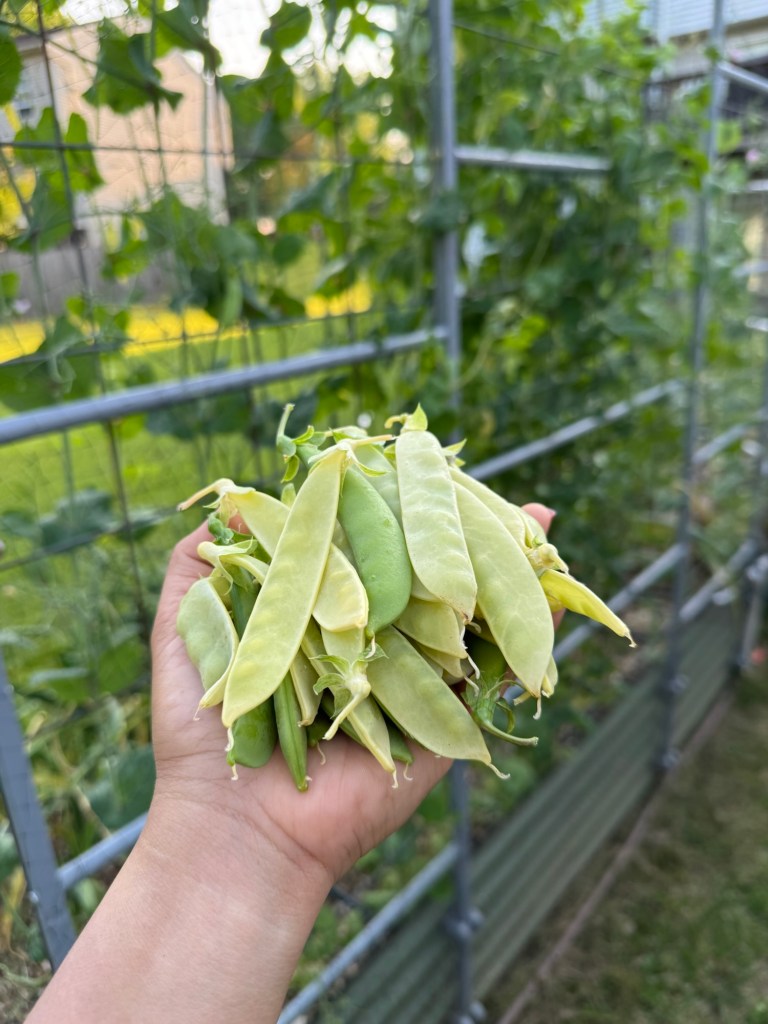
Snap and snow peas: Harvest when pods are plump but still tender. Shelling peas: Wait until pods are round and full.
Pick every 1–2 days to keep the plant producing. And don’t forget to snack as you harvest—garden-fresh peas are truly a treat!
Final Thoughts
Growing peas in a small garden is more than just planting and harvesting—it’s about slowing down, paying attention, and savoring the joy of the garden. Every pod tells a story. Every harvest, no matter how small, is a reminder that growth is happening—even when you don’t see it right away.
If you’re just starting out, I hope this blog gives you the confidence to grow your own peas this season. You don’t need a big space. Just a few seeds, a little time, and the willingness to try.
💬 Leave a comment below:
What type of peas are you excited to grow this season? Let’s inspire each other to keep growing!
Let’s grow something beautiful together,
Lannie | Gingerfoot Garden




 Gingerfoot Garden
Leave a comment